
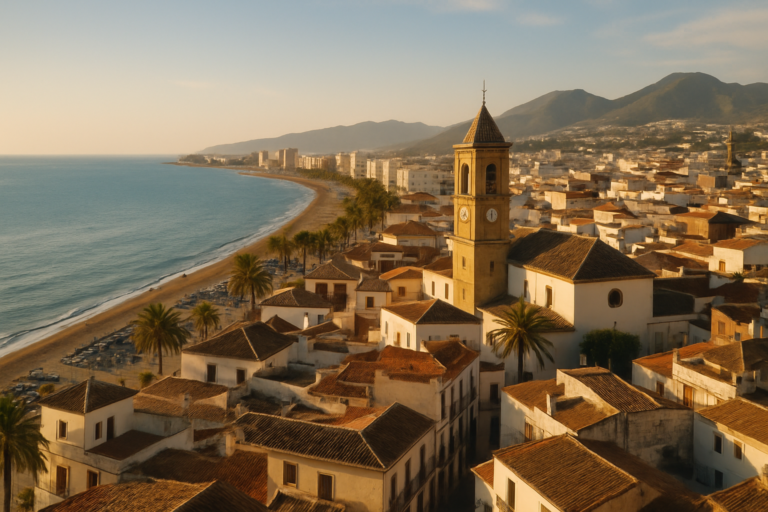
Expect a dense, walkable city where layers of history sit cheek by jowl with sunny seafront promenades, lively markets and a booming cultural calendar. This guide tells you what to prioritise, what to skip if time is tight, and how to avoid common tourist frustrations so you leave satisfied rather than puzzled by the mismatch between postcards and reality.
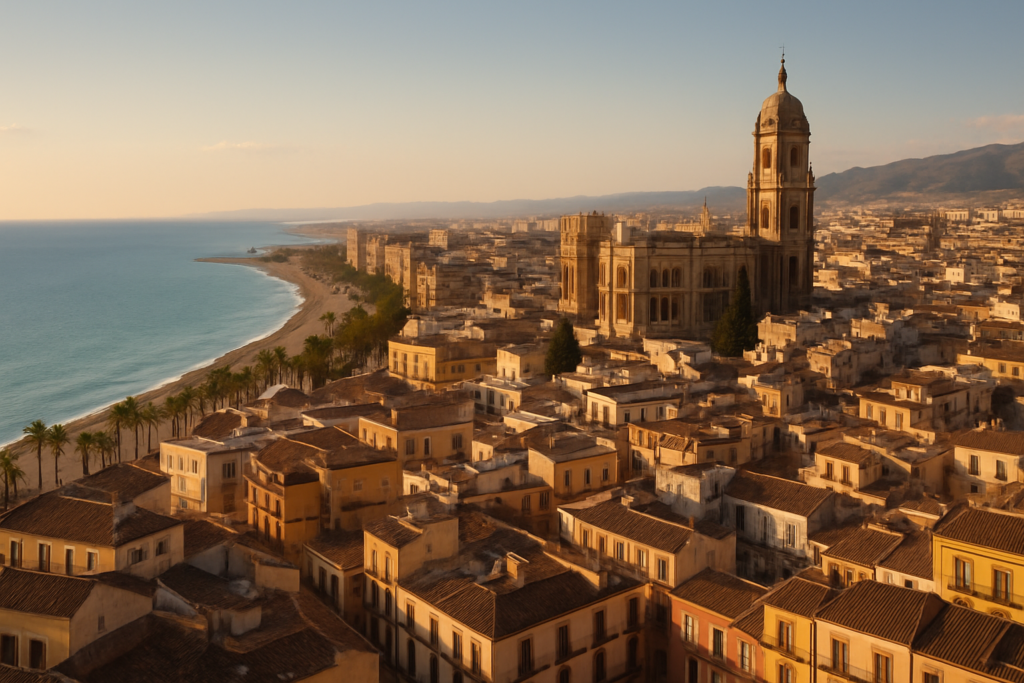
Málaga at a glance
- Main airport on the Costa del Sol sits about 8 km southwest of the city centre.
- A compact historic core where the cathedral, Roman theatre and Moorish Alcazaba cluster within easy walking distance.
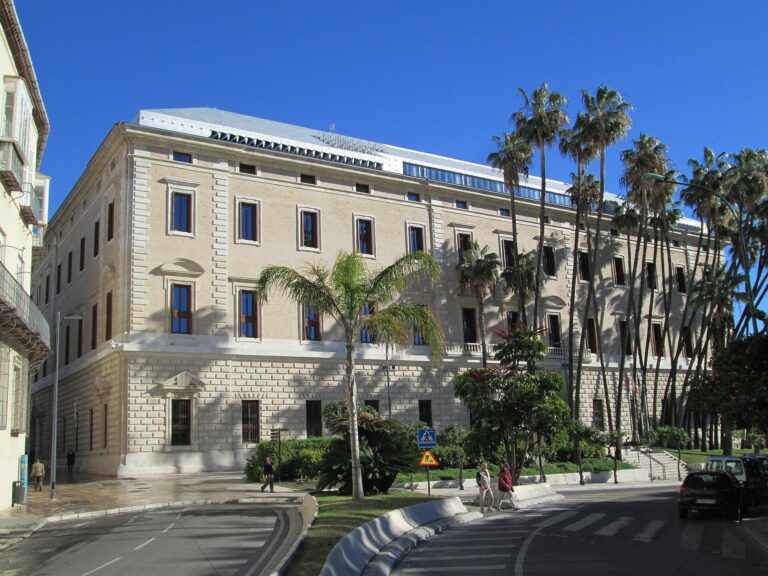
- A born-and-bred Picasso displays his work in a Renaissance palace in the old town — a must for art lovers.
- Urban beach life is focused on La Malagueta, an easy stroll from most central hotels and lined with chiringuitos.
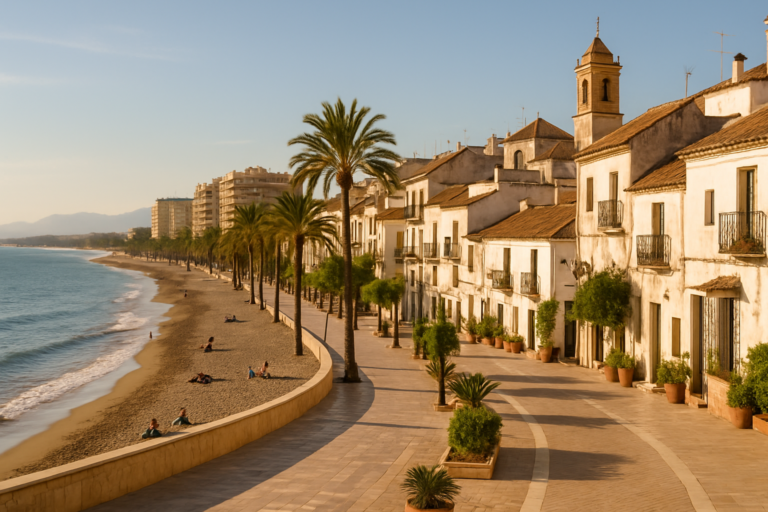
- A modern waterfront at Muelle Uno offers palm-lined promenades, shops and restaurants beside the marina.
- Calle Larios is the elegant marble-paved main shopping street threading the old town.
- Two peak annual events to time your visit around: Semana Santa and the August Feria de Malaga.
Before you plan
All listed museums, monuments and public spaces in this guide are open in general; where a venue’s opening status or renovation could materially affect your visit we’ve called it out elsewhere. If you’re travelling specifically for an exhibition or a festival, check official museum or festival sites for current schedules before booking.
Things to do in Málaga
If you have just a day or two, concentrate on the cluster of sights in and around the old town and the waterfront. Stagger visits so you alternate indoor cultural stops with open-air breaks — the Roman theatre, the Alcazaba and the cathedral sit within a very short walk of each other and are best seen together.
| Attraction | What it is | Price/entry | Best for |
|---|---|---|---|
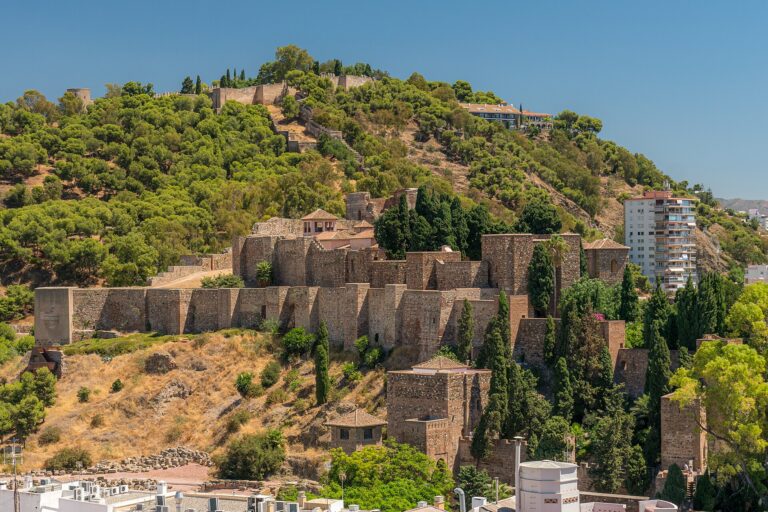
| Alcazaba | Well-preserved Moorish fortress-palace above the city centre | – | History and architecture |
| Roman theatre | City’s oldest monument, dating from the 1st century BC, at the foot of the Alcazaba | – | Ancient history; quick stop |
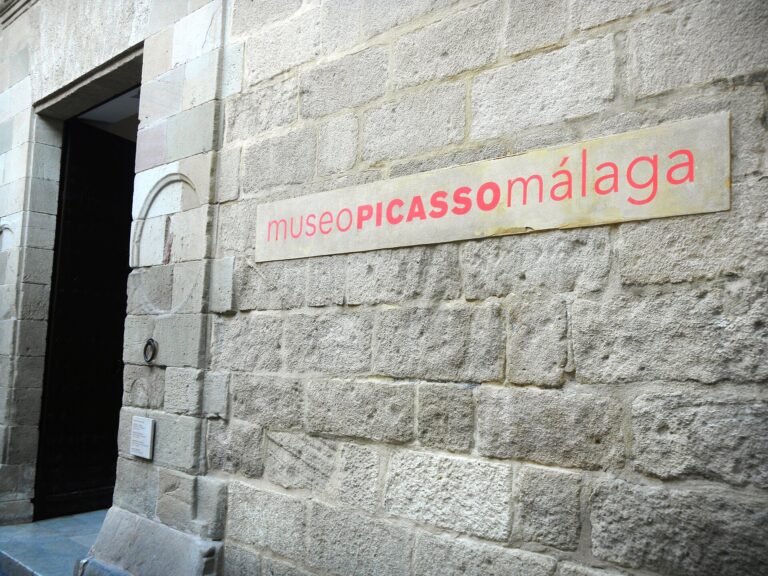
| Museo Picasso Malaga | Displays works by the city’s most famous native son in a Renaissance palace | – | Art lovers |
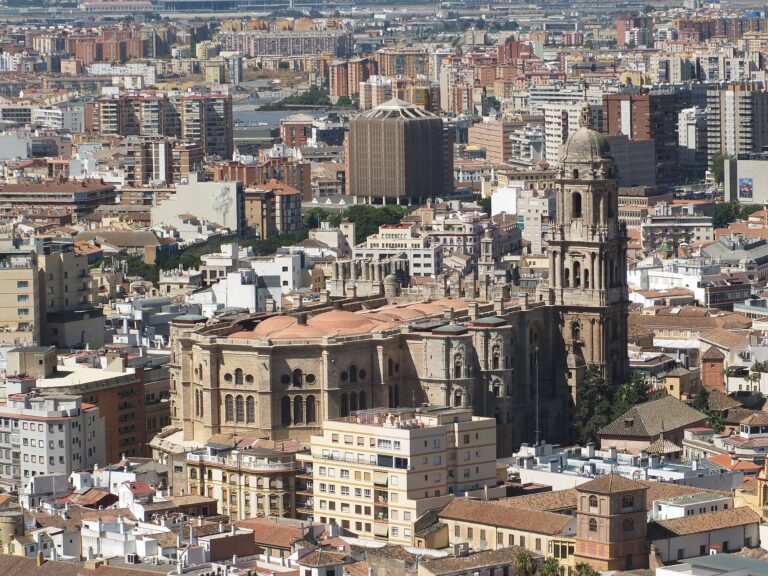
| Málaga Cathedral (La Manquita) | Dominant cathedral in the historic centre, nicknamed for its unfinished second tower | – | Religious architecture, photography |
| Muelle Uno waterfront | Palm-lined walkways, shops and restaurants beside the marina | – | Leisurely strolls and dining |
| Atarazanas central market | Historic market behind a Moorish-style gateway selling fresh Andalusian produce and seafood | – | Food shopping and casual eating |
The Alcazaba and the Roman theatre
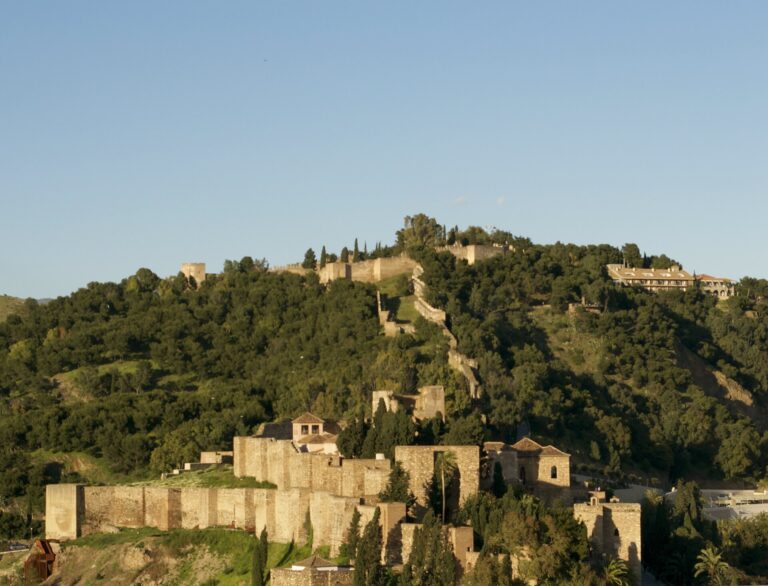
The Alcazaba is one of the city’s most complete Moorish fortress-palaces and provides a compact but atmospheric way to experience medieval Andalusian architecture without leaving the centre. Below the fortress, the Roman theatre — the city’s oldest surviving monument, dating from the 1st century BC — sits at the foot of the hill. Visit both in the same sweep to make efficient use of time and avoid backtracking.
Picasso’s Malaga and the museum circuit
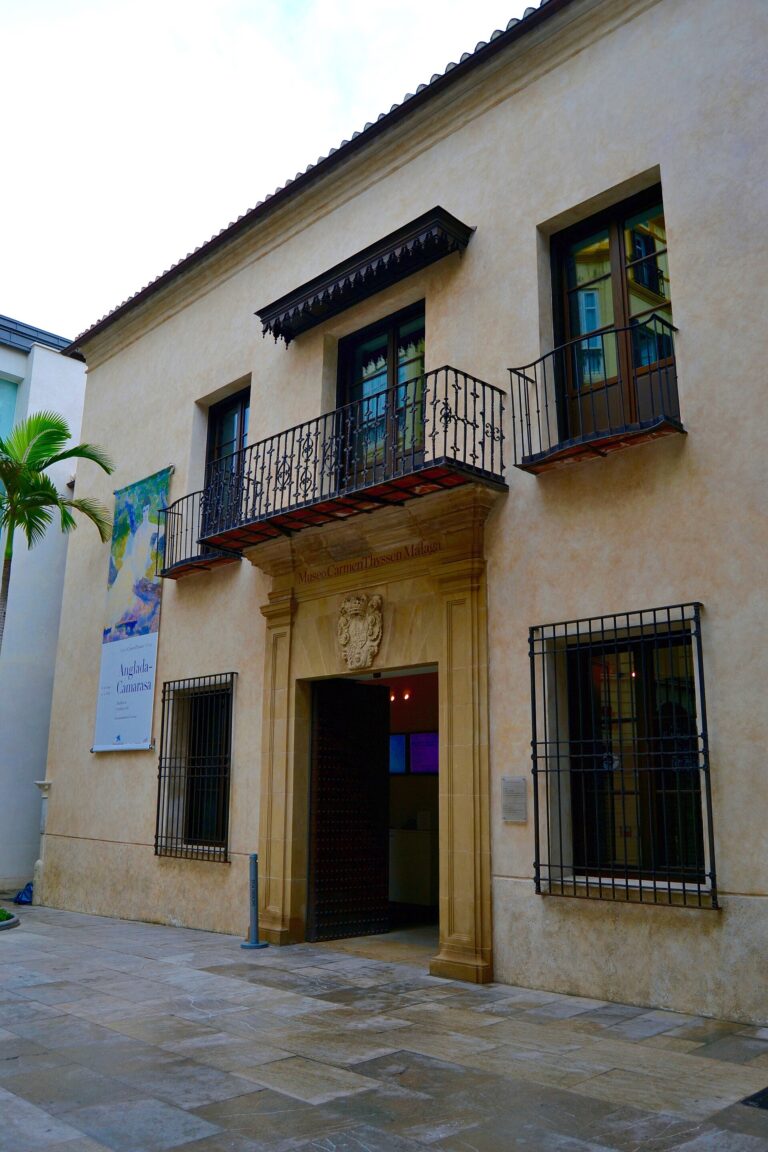
The city is the birthplace of Pablo Picasso and the Museo Picasso Malaga is housed in a Renaissance palace in the old town; it’s the most direct way to connect place and artist. For a broader cultural day, combine that stop with the Carmen Thyssen Museum and the Automobile and Fashion Museum to experience a notably dense cluster of galleries within a compact area.
Muelle Uno, Calle Larios and market life
Calle Larios is the marble-paved retail spine of the historic centre and works well as a baseline route between attractions. Down by the water, the Muelle Uno waterfront offers palms, cafes and marina views along a polished promenade. For everyday life and local flavours, the Atarazanas central market — set behind a Moorish-style gateway — is where to sample fresh Andalusian produce and seafood or grab a casual bite.
Best beaches in Málaga
Don’t expect long stretches of empty sand; the city’s beach culture is urban and sociable, with a strong focus on seafood bars and promenading rather than remote tranquillity.
| Beach | Character | Facilities/Blue Flag |
|---|---|---|
| La Malagueta | Main urban beach, a short walk from the centre and lined with chiringuito beach bars | – |
Málaga with kids
Families will find easy wins without needing long transfers. The Roman theatre is a compact, visual hit for curious children; waterfront walks on Muelle Uno are stroller-friendly and allow for flexible meal breaks. Short distances between attractions reduce transit time and keep the day adaptable.
How to get to Málaga and get around
The main international gateway for this stretch of coast lies about 8 km southwest of the city centre, which makes airport transfers relatively short compared with many coastal destinations. Once in the city, prioritise walking inside the historic core; most major sights are clustered close together. Use public transport or local taxis for trips to neighbourhoods outside the centre or to reach more distant beaches.
Where to stay in Málaga
Choose your base according to how you plan to spend your time:
- Historic centre — suits first-time visitors who want immediate access to the cathedral, museums and restaurants.
- Seafront near the port and Muelle Uno — best for easy beach access and evening promenades by the marina.
- Areas near La Malagueta — ideal if you prioritise beach time and proximity to chiringuitos.
Best time to visit Málaga
High-season events concentrate visitor peaks: Semana Santa and the August Feria de Malaga bring intense local festivities. Outside festival dates, shoulder seasons can offer milder weather and fewer crowds while still providing plenty of open attractions.
| Season | Months | What to expect |
|---|---|---|
| Spring | – | Comfortable weather and active cultural calendar |
| Summer | – | Beach life in full swing; major local feria in August |
| Winter | – | Milder off-season with fewer crowds at major sights |
History of the city
The downtown area preserves layers from Malaga’s long past: from Roman remains represented by the 1st-century BC theatre to the Moorish-era Alcazaba fortress-palace and later Christian reconstructions that produced the cathedral, nicknamed La Manquita. The city’s heritage reflects its strategic coastal role and cultural intersections across centuries.
Practical info
- Airport proximity: The principal airport for the Costa del Sol lies roughly 8 km to the southwest of the centre, making transfers comparatively short.
- Markets and food: The Atarazanas central market is the place to source fresh Andalusian produce and seafood inside a historic gateway building.
- Walking: The core cluster of attractions — cathedral, Roman theatre and the Alcazaba — is highly walkable, which reduces local transit costs and planning complexity.
- Festivals: Semana Santa and the August Feria de Malaga are significant local events; expect higher demand and closed hours for some businesses on major procession days.
Worth it for: short cultural breaks combining archaeology, museums and relaxed beach time; visitors who like compact cities with a strong local food scene. Less so if: you want isolated beaches or a remote tranquillity — the city’s beaches are urban and sociable rather than wilderness escapes.
How we assess this guide
Content is compiled from multiple verified sources and cross-checked for factual accuracy. We flag major events and airport locations that materially affect travel planning. This guide is not based on live, single-day field reports; where local opening times or temporary closures matter, we advise checking the venue’s official communications before you go.
Frequently asked questions
How far is the airport from the city centre?
The main gateway to the Costa del Sol sits about 8 km southwest of the city centre, so transfers are relatively short compared with many coastal airports.
Is Málaga expensive to visit?
Costs vary by season and where you eat or stay. The city offers everything from market stalls and informal seafood bars to higher-end restaurants, and accommodation ranges across the usual spectrum; major festivals typically push prices up.
Which beach is best for a short visit?
La Malagueta is the principal urban beach, a short walk from the centre and lined with chiringuito beach bars — the most convenient option for visitors staying nearby.
How many days do I need to see the main sights?
A compact two-day itinerary will allow you to visit the Roman theatre, the Alcazaba, the cathedral, and one or two museums while leaving time for a waterfront stroll and a market visit.
Is the city good for families?
Yes. Short distances between main attractions, a stroller-friendly waterfront and child-friendly open-air sites such as the Roman theatre make it an easy family destination.
Can I get around without a car?
Absolutely. The historic core is highly walkable and public transport or taxis can cover longer trips; many visitors find a car unnecessary for a short stay centred on museums, the cathedral and the waterfront.
Is parking difficult in the historic centre?
Parking in dense historic cores is typically constrained; if you plan to drive, expect to use public parking facilities or hotel garages rather than on-street spaces in the central neighbourhoods.
What are good rainy-day options?
Museums such as the Museo Picasso Malaga and the Carmen Thyssen Museum, along with indoor markets like Atarazanas, provide sheltered activities and local culinary experiences on wet days.
When are the main local festivals I should know about?
The two biggest annual celebrations are Semana Santa and the August Feria de Malaga; both significantly shape city life and visitor numbers.
Where can I see flamenco in the city?
The city has a vibrant flamenco music scene; look for dedicated venues and cultural listings in the historic centre for nightly or scheduled performances.
Is the cathedral fully finished?
The cathedral is nicknamed La Manquita because its second tower was never completed; the unfinished tower is a distinctive feature of the skyline.
Are there good seafood options nearby?
Yes — the Atarazanas market is a local source for fresh seafood, and the beach-area chiringuitos specialise in seafood dishes, making coastal dining a highlight.
Can I combine the Roman theatre and the Alcazaba in one visit?
Yes. The Roman theatre sits at the foot of the Alcazaba and they make a natural pair for a single walking route through the historic hill area.
Is the waterfront suitable for evening walks?
Muelle Uno is a palm-lined waterfront with shops and restaurants beside the marina and is well-suited for an evening stroll and casual dining.
Who was born here that I might have heard of?
The city is the birthplace of Pablo Picasso, and the local Picasso museum reflects that connection in a Renaissance palace setting.
Plan the wider trip
- Costa del Sol guide
- Ronda
- Estepona: Garden of the Costa del Sol
- Rincón de la Victoria: Málaga's Local Beach Town
- Marbella
- Nerja
Nearby on the Costa del Sol
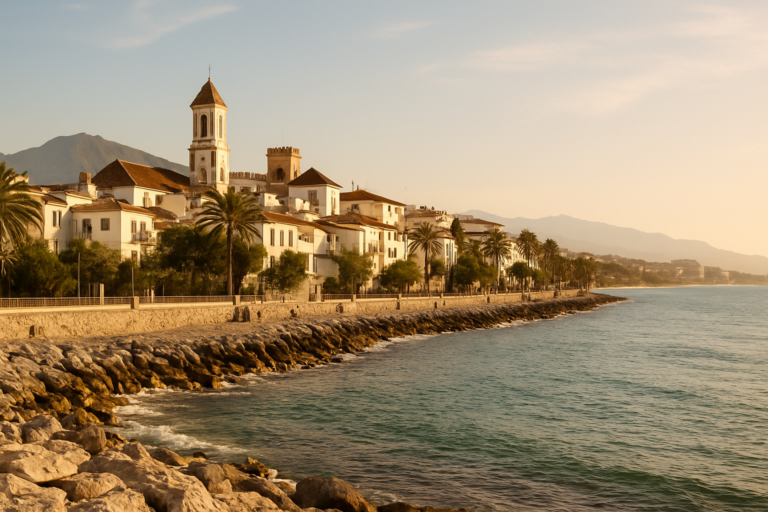
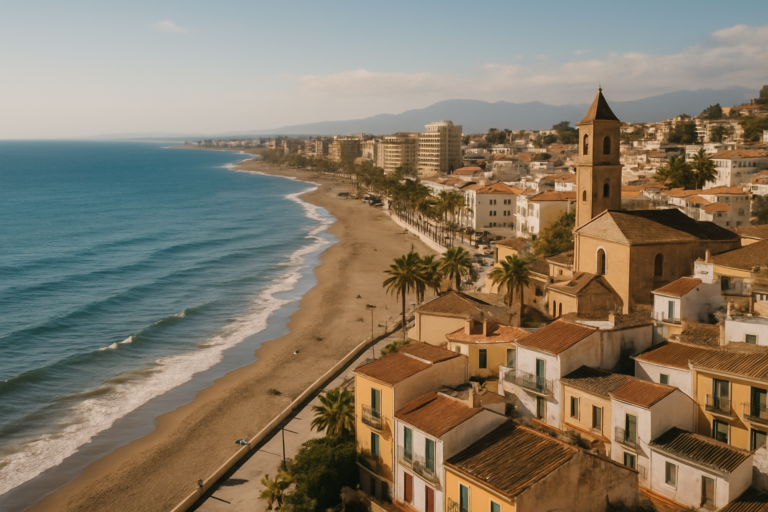
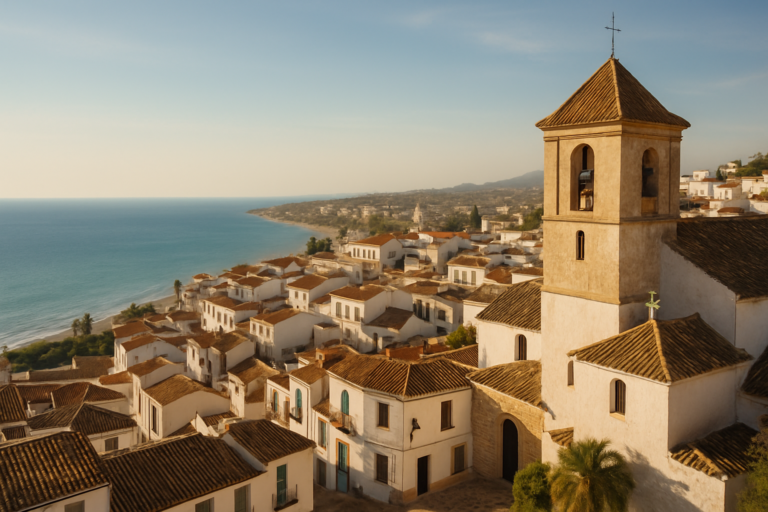
Malaga on the map
Places worth knowing near Malaga
How this page is maintained. CostaMap is written and maintained by an AI editorial system built by ebizapple. Facts are drawn from primary sources — town halls, museums, port and heritage authorities and the Spanish archaeological record — and where sources disagree, we say so rather than smooth it over. Photographs marked as ours are taken on location. This page was last reviewed on 15 August 2026. Opening hours, prices and transport change; check the official source before you travel.