
Expect a working port and a river-city personality rather than a glossy resort. This is a place where industrial heritage, powerful estuary views and deep links to the Age of Discovery shape the visitor experience. Plan for wide, wind-swept beaches nearby, lively August festivals, and memorable seafood — but don’t expect a compact, heavily touristed old town like other Andalusian magnets. Read on to set realistic priorities and avoid disappointment.
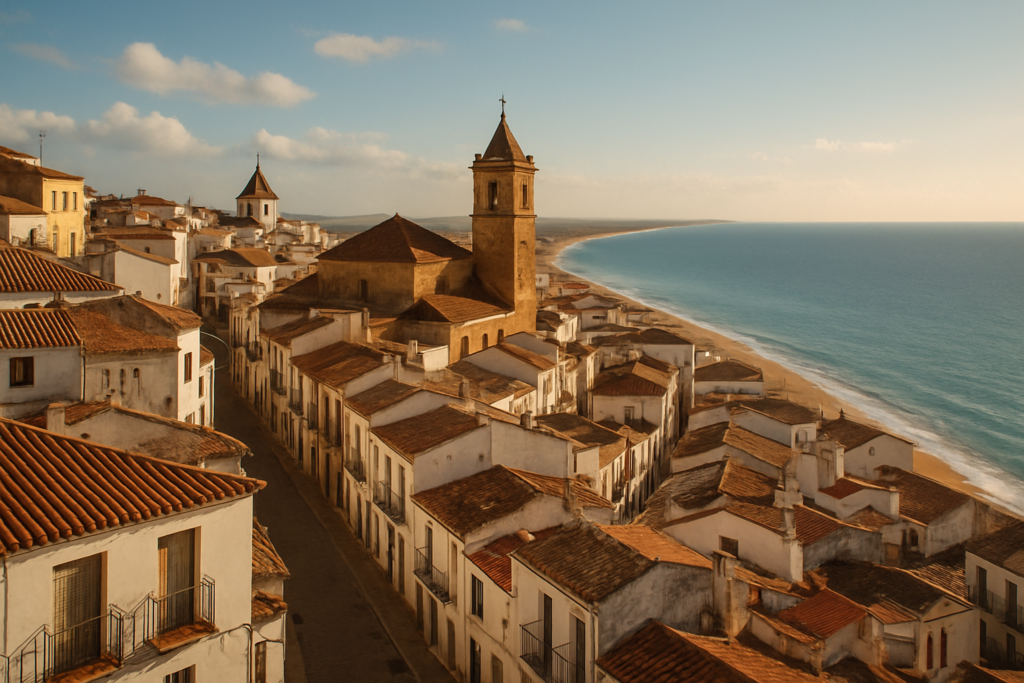
Huelva at a glance
- Port city located between the Odiel and Tinto river estuaries on Spain’s Atlantic coast.
- Gateway to the Costa de la Luz beaches, including Punta Umbría and Mazagón.
- Strong historic links to Christopher Columbus; nearby Palos de la Frontera is where the 1492 voyage departed.
- Urban landmarks: the Monument to the Discovering Faith and the 19th‑century Muelle del Tinto pier.
- Natural highlights: Odiel Marshes Nature Reserve and proximity to Doñana National Park across the estuary.
- Cultural calendar peak: Fiestas Colombinas every August, focused on Columbus-themed celebrations and concerts.
- Local specialties: seafood and cured ham from the Sierra de Aracena (Jabugo ham).
Before you plan
Major attractions and natural areas are operational, but some facilities in port zones and nature reserves can be subject to seasonal schedules or conservation restrictions. Check local opening arrangements for monuments and guided visits to the Odiel Marshes and La Rábida Monastery before you travel.
Things to do in the area
There’s no shortage of ways to spend time: riverfront strolls, museum and monastery visits tied to the Columbus story, exploring industrial heritage and getting out to wetlands and beaches. Below is a quick comparison of the main sights to help decide what fits your priorities.
| Attraction | What it is | Price/entry | Best for |
|---|---|---|---|
| Monument to the Discovering Faith | Large statue overlooking the confluence of the Odiel and Tinto rivers | – | Panoramic views, photography |
| Muelle del Tinto | 19th‑century iron‑ore pier turned landmark promenade | – | Strolls, industrial heritage |
| La Rábida Monastery | Monastery where Columbus planned his first voyage; houses exhibits | – | History buffs, educational visits |
| Odiel Marshes Nature Reserve | Important wetland for flamingos and migratory birds | – | Birdwatching, nature walks |
| Barrio Reina Victoria | English‑style quarter from the Rio Tinto mining company era | – | Architecture, casual walking |
| Fiestas Colombinas | August festival celebrating Columbus’s departure with concerts and cultural events | – | Festivalgoers, summer nightlife |
| La Merced church | Baroque church with co‑cathedral status | – | Religious architecture, heritage seekers |
Riverfront and industrial heritage
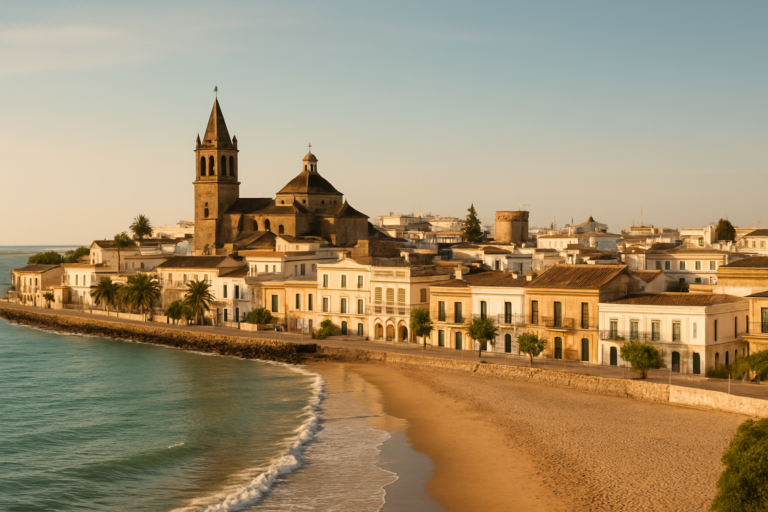
The estuary and its human history are core to the town’s identity. Two must-see elements are the Monument to the Discovering Faith, a huge statue that stands above the meeting of the Odiel and Tinto rivers, and the Muelle del Tinto, an iron‑ore pier from the 19th century that now functions as a landmark promenade. Together they illustrate how maritime commerce and the mining economy have shaped the waterfront — expect expansive views over shipping channels and salt flats rather than a manicured marina.
Sites connected to Columbus and Spain’s maritime past
For anyone tracing the Iberian routes to the Americas, the La Rábida Monastery is one of the clearest links: this is where Columbus planned his first voyage, and the monastery houses related exhibits. The broader region’s Columbus associations culminate each August with the Fiestas Colombinas, a local festival featuring concerts and cultural events that commemorate the departure to the New World.
Nature: wetlands, birds and access to Doñana
Birdwatchers and outdoors visitors should prioritise the Odiel Marshes Nature Reserve, an important wetland known for flamingos and other migratory species. The town also functions as a gateway to Doñana National Park, one of Europe’s most important wetland areas, located across the estuary — this proximity makes day trips to large protected coastal and marsh landscapes straightforward to arrange through local operators.
Best beaches in the area
The province’s Atlantic coastline is where most visitors will head for sand and surf. The town itself is the jumping-off point rather than a beach resort; two of the nearest and most visited beaches lie within easy reach.
| Beach | Character | Facilities / Blue Flag |
|---|---|---|
| Punta Umbría | Long stretch of sandy beach popular for families and swimmers | – |
| Mazagón | Coastline with dunes and wide sand areas; quieter in parts | – |
Huelva with kids
The town and its surroundings provide family-friendly options if you plan activities sensibly. Beaches like Punta Umbría offer simple seaside days, while the Odiel Marshes are an excellent outdoor classroom for children interested in wildlife — flamingos and migrating birds can be an exciting draw. Short, manageable cultural visits work well: La Rábida Monastery’s exhibits help frame the history without an overlong museum slog, and the promenade along Muelle del Tinto is an easy stroll for younger legs.
How to get to the town and get around
Huelva is a port city set between two estuaries on Spain’s Atlantic coast, which shapes both arrival options and local movement. Most visitors arrive by road from other Andalusian hubs; the estuary and waterfront are key orientation points once you’re here. Within the urban area the main attractions — riverfront monuments, the historic pier and central churches — are walkable in short hops, while beaches and nature reserves are best reached by car or organised day trips.
Where to stay in Huelva
Accommodation is concentrated in a few practical areas rather than boutique neighbourhoods. Pick your base according to priorities:
- City centre / near La Merced — best for easy access to churches, shops and historic streets.
- Riverfront and port area — good if you want immediate access to the Muelle del Tinto promenade and estuary views.
- Barrio Reina Victoria — stay here for a quieter, architecturally interesting quarter built by the Rio Tinto mining company with an English‑style character.
- Punta Umbría or Mazagón — choose these if beach time is the main priority; they function as nearby resort bases.
Best time to visit
Timing depends on whether you prefer festival atmosphere, wildlife watching or quieter beach days. August brings the Fiestas Colombinas and a lively summer scene; that’s ideal if you want concerts and cultural events. Birdwatching at the Odiel Marshes and trips into Doñana are best scheduled for migration windows, when species movements are at their peak — check local guidance on the best months for sightings before you go.
| Season | Months | What to expect |
|---|---|---|
| Summer | July–August | High season for beaches; Fiestas Colombinas in August for concerts and events |
| Bird migration periods | Variable | Good windows for flamingos and other migratory birds in the Odiel Marshes; check local schedules |
| Shoulder months | Spring / Autumn | Quieter town, comfortable for walking and nature outings; fewer crowds on beaches |
History of the town
Huelva’s story is layered: ancient maritime and mining activities gave way to intensive 19th‑century industrial development, which left a visible imprint in structures like the Muelle del Tinto and the English‑style Barrio Reina Victoria built by the Rio Tinto mining company. The city’s maritime role also ties it inextricably to the Age of Discovery — Christopher Columbus set sail for the Americas from nearby Palos de la Frontera in 1492, and La Rábida Monastery is a tangible reminder of those planning stages. This combination of industrial, maritime and exploration history is what defines the town’s character today.
Practical info
- Port and estuary geography: the town sits between the Odiel and Tinto river estuaries, so rivers and industrial zones shape access routes; allow a little extra time for travel that skirts these waterways.
- Food: seafood is a local highlight, and the province is known for cured ham from the nearby Sierra de Aracena (Jabugo).
- Nature access: the Odiel Marshes Nature Reserve is an important wetland for flamingos and migratory birds; treat any birdwatching or visits with conservation-minded behaviour and check for seasonal access rules.
- Civic and religious heritage: La Merced church is a Baroque building with co‑cathedral status and is among the notable historic churches you can visit.
- Sports culture: Recreativo de Huelva, founded in 1889, is regarded as Spain’s oldest football club — the club’s history is part of local identity.
Worth it for: visitors who like industrial maritime heritage, birdwatching and using a practical town as a base for the Costa de la Luz beaches and Doñana. Less so if: you want a classic, compact Andalusian old town filled with tapas bars and pedestrian squares — this is a working port city with a different, less polished appeal.
How we assess this guide
We compiled this guide by cross‑checking historical and geographic claims about the area, prioritising verified sources for monuments, nature reserves and festivals. We explicitly flag closures and seasonal variations where confirmed. This guide does not rely on single-source anecdote; it aggregates verifiable facts about the town’s landmarks, natural areas and cultural events to set accurate expectations for visitors.
Frequently asked questions
How do I get from the nearest airports to the town?
Most visitors reach the town by road from regional airports or by coach and car from larger Andalusian cities. Because the town is a port city situated between two estuaries, plan routes that approach via main roads rather than expecting direct coastal drives. Local operators and transfer services can arrange transport to coastal resorts and nature reserves.
Is Huelva expensive to visit?
Costs depend on your choices: dining on seafood and staying at beach resorts will influence the budget. The town functions as a practical hub for beaches and nature, so you can combine affordable urban stays with day trips to pricier coastal or guided nature activities.
Which beach is the best for families?
Punta Umbría is one of the most popular family-friendly beaches nearby, with long sandy stretches suitable for children. Mazagón offers quieter sections and dunes for a different seaside experience. Choose based on whether you prefer busier facilities or more open coastal scenery.
How many days do I need to see the main sights?
A focused 2–3 day visit covers the waterfront (Monument to the Discovering Faith, Muelle del Tinto), a cultural stop at La Rábida Monastery and time on a nearby beach. Add extra days for birdwatching in the Odiel Marshes or a trip into Doñana National Park.
Is the area good for families with young children?
Yes — there are family-friendly beaches and outdoor nature experiences that work well with children. Short, interactive cultural stops like La Rábida Monastery’s exhibits are generally manageable for young attention spans.
Can I get around without a car?
Within the urban area many main sites are accessible on foot, particularly along the riverfront and central streets. For beaches and nature reserves, a car or organised tour makes access easier and faster.
Is parking easy in the town and at the beaches?
Parking availability varies by location and season; central urban areas and popular beaches will be busier during peak months and festival periods. If travelling in high season, arrive earlier in the day for easier parking and access.
What are good rainy-day options?
On wet days focus on indoor cultural visits: La Rábida Monastery’s exhibits and the Baroque La Merced church offer indoor time with historical context. The town’s museums and covered markets (if open) can also be sheltering alternatives.
When are the Fiestas Colombinas?
The Fiestas Colombinas take place each August and celebrate the historical departure linked to Columbus with concerts and cultural events. Expect a more vibrant atmosphere in town during this period.
Can I see flamingos nearby?
Yes — the Odiel Marshes Nature Reserve is an important wetland for flamingos and migratory birds. Visitors commonly go there for birdwatching; consult local visitor information for the best times and any required guided options.
Where did Christopher Columbus set sail from?
Christopher Columbus set sail for the Americas in 1492 from nearby Palos de la Frontera; the region’s maritime history is on display at sites such as La Rábida Monastery, where he planned the voyage.
Are there notable churches or religious sites to visit?
La Merced church, a Baroque building with co‑cathedral status, is a principal religious landmark. La Rábida Monastery is also significant for its historical role in Columbus’s voyage planning.
Is there a strong local food scene?
Seafood is a local highlight; the province is also known for cured ham from the Sierra de Aracena (Jabugo). Expect fresh fish and shellfish to feature prominently on menus in town and at coastal restaurants.
Can I visit Doñana National Park from here?
Yes — the town sits close to Doñana National Park across the estuary, and it functions as a gateway for day trips into one of Europe’s most important wetlands. Local operators run guided trips and excursions into the park and surrounding protected areas.
Is there significant industrial heritage to see?
Absolutely — the Muelle del Tinto pier and the English‑style Barrio Reina Victoria, built by the Rio Tinto mining company, are direct legacies of 19th‑century industrial activity and are central to understanding the town’s development.
Plan the wider trip
- Costa de la Luz guide
- La Línea de la Concepción
- Los Barrios: Cork Forests and the Gibraltar Strait
- Moguer: Nobel Poetry and Columbus History
- Cádiz
- Sanlúcar de Barrameda
Nearby on the Costa de la Luz
How this page is maintained. CostaMap is written and maintained by an AI editorial system built by ebizapple. Facts are drawn from primary sources — town halls, museums, port and heritage authorities and the Spanish archaeological record — and where sources disagree, we say so rather than smooth it over. Photographs marked as ours are taken on location. This page was last reviewed on 15 August 2026. Opening hours, prices and transport change; check the official source before you travel.