
Expect a low-key, green stop rather than a heaving resort: this coastal town pairs small‑town quiet with a long wine tradition and easy access to Maresme beaches. If you arrive expecting vineyards, century‑old wine cellars and pleasant woodland walking behind the sea, you’ll be rewarded; if you want buzzing nightlife or large-scale tourist infrastructure, you’ll find quieter streets and villas instead. Plan around wine tastings, short hikes in the coastal hills and a calm village centre anchored by the parish church.
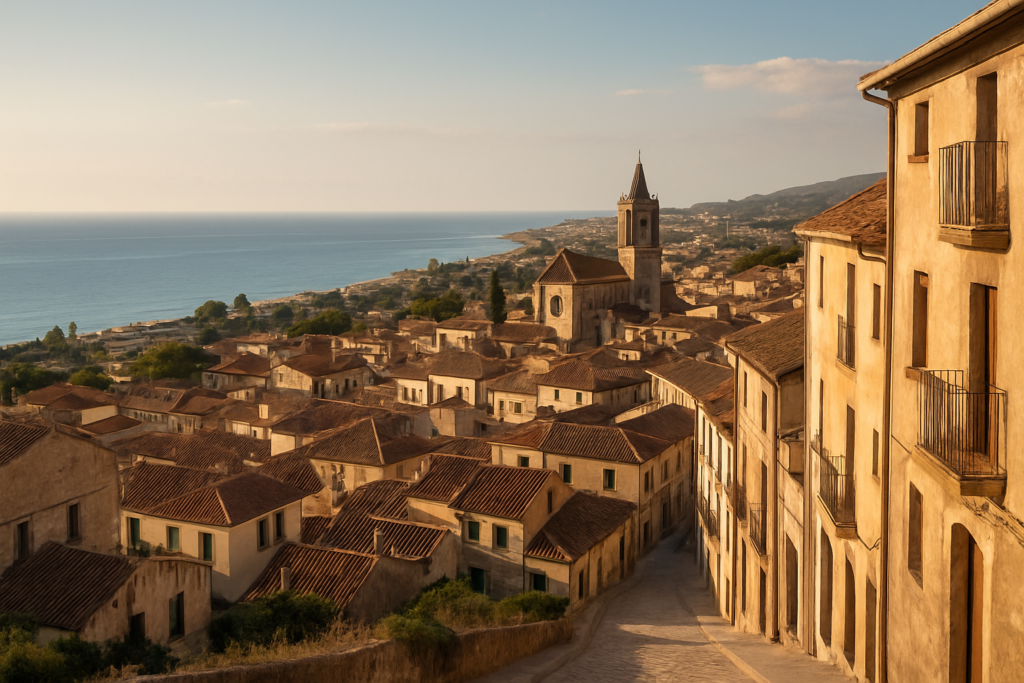
Alella at a glance
- Green setting of vineyards, pine woods and villas on the Maresme coast.
- About 15–20 km from central Barcelona — an easy half‑day excursion by rail or road.
- Gives its name to the DO Alella, one of Spain’s smallest wine denominations, known for fresh whites from Pansa Blanca.
- Within the Serralada Litoral Natural Park — hills and woodland walks immediately behind the coast.
- Old village anchored by the parish church of Sant Feliu and dotted with Modernista and Noucentista villas.
- Easy access to nearby Maresme beaches and a marina at El Masnou.
Things to do in Alella
Alella’s main attractions are its wine culture, its green setting and a compact historic core. Visitors come for cellar visits and tastings, to stroll village lanes around Sant Feliu, and to use the coastal hills as a base for short hikes. The town’s quieter character contrasts with busier seaside resorts a few kilometres away, so a visit typically fits a relaxed half‑day to a full day.
| Attraction | What it is | Price/entry | Best for |
|---|---|---|---|
| DO Alella wineries | Local wineries and tasting experiences among vineyards on coastal slopes | — | Wine lovers, short tasting tours |
| Sant Feliu parish church | Historic parish church anchoring the old village centre | — | History and architecture fans |
| Serralada Litoral Natural Park walks | Hills and woodland walks immediately behind the coast | — | Hikers, nature lovers, families |
| Modernista and Noucentista villas | Period summer homes and villas from Barcelona families | — | Architecture buffs, leisurely strolls |
| El Masnou / Maresme coast | Nearby beaches and a marina providing seaside access | — | Beachgoers, day-trippers |
Wine visits and the DO Alella
The town lends its name to the DO Alella, one of Spain’s smallest denominaciones. Vineyards climb the slopes of the Serralada Litoral and several local wineries welcome visitors for tastings. The area is particularly known for fresh white wines from the Pansa Blanca grape, and wine tourism is a principal draw for people coming from Barcelona. The town’s annual grape harvest festival (Festa de la Verema) celebrates this long tradition.
Sant Feliu and the old village
At the town’s heart the parish church of Sant Feliu anchors a compact old centre. Walks around the church reveal narrow streets, period villas and the quieter civic life that contrasts with larger coastal resorts. The Modernista and Noucentista villas scattered through residential streets reflect Alella’s history as a summer retreat for Barcelona families.
Walks in the coastal hills
The Serralada Litoral Natural Park begins behind the coast and gives the area immediate access to woodland tracks and hill routes. These short walks are a major reason people combine wine visits and gentle outdoor activity — the landscape of vineyards, pine woods and villas is particularly pleasant in spring and autumn when the Mediterranean climate is moderated by the sea and the coastal hills.
Best beaches in the area
Alella itself sits slightly inland on a slope above the coast, but the nearby Maresme shoreline is the obvious place for sand and sea. El Masnou and the beaches in neighbouring towns are the most convenient options.
| Beach | Character | Facilities / Notes |
|---|---|---|
| El Masnou coast | Accessible Maresme beaches with a marina nearby | Marina and beach access — convenient for visitors from the town |
| Playa Garbi (Calella) | Sandy beach on the Maresme coast | Has received the Blue Flag award |
| Playa Grande (Calella) | Central sandy beach in Calella | Has received the Blue Flag award |
Alella with kids
Families will find gentle walks in the Serralada Litoral, easy vineyard visits and quiet village streets suited to children. Wine tasting activities can often be arranged with family‑friendly options (many wineries accommodate visitors rather than staging formal long tours), and the short hikes in the coastal hills are suitable for older children. For beaches and classic seaside activities, a short trip to El Masnou or to Calella expands options to playgrounds and long sandy stretches.
How to get to Alella and get around
The town lies along the Maresme corridor and is served by both rail and road links that connect the Barcelona coast with the towns to the north. That rail and road corridor is the straightforward way in and out, and Barcelona’s city centre is only about 15–20 km away, making the area an easy excursion for people staying in the city.
| From | By | Approx time |
|---|---|---|
| Central Barcelona | Rail or road along the Maresme corridor | — |
| Neighbouring coast (El Masnou / Calella) | Local roads or a short drive / train connection | — |
Where to stay in the town
Accommodation options are concentrated between a few distinct settings; choosing where to stay depends on whether you prioritise village calm, coastal access or hill scenery.
- Old village and centre — best if you want easy access to Sant Feliu, local cafés and a quiet, walkable base.
- Vineyard slopes and hillside villas — for a peaceful, scenic stay close to wine estates and walking routes.
- Coastal fringe / El Masnou area — choose this if beaches and the marina are your priority while still being close to the town’s wine offerings.
Best time to visit Alella
The Mediterranean climate moderated by the sea and coastal hills makes spring and autumn particularly pleasant for walking and wine visits: temperatures are comfortable and the landscape is at its best. Summers are warmer and more beach‑oriented, while winter is milder than inland but quieter for tourism.
| Season | Months | What to expect |
|---|---|---|
| Spring | March–May | Pleasant weather for walks and vineyard visits; lively but not crowded |
| Summer | June–August | Warmer, beach season in nearby towns; busier on the coast |
| Autumn | September–November | Harvest time and Festa de la Verema; excellent for wine tourism |
| Winter | December–February | Quiet and mild; best for a low‑key off‑season visit |
History of the area
The town’s wine tradition stretches back centuries and the locality has long been associated with viticulture. Its name now identifies a small DO known for fresh white wines, and architectural traces of the town’s role as a summer retreat survive in the Modernista and Noucentista villas left by Barcelona families. The long wine history is still celebrated annually at the Festa de la Verema, reflecting the town’s continuing connection to grape growing and winemaking.
Practical info
- Transport connections: served by rail and road along the Maresme corridor linking the coast with Barcelona and towns to the north.
- Walking: the town is compact and the old village is best explored on foot; many vantage points and vineyards are in easy walking distance from the centre or a short drive away.
- Beaches and marina access: reach the Maresme shoreline via nearby El Masnou or the neighbouring resorts; several nearby beaches have Blue Flag recognition.
- Climate considerations: Mediterranean weather moderated by the sea and coastal hills — ideal for spring and autumn visits.
Worth it for: wine lovers seeking short tastings and vineyard scenery, walkers who want coastal-hill routes, and travellers wanting a quieter contrast to busier Maresme resorts. Less so if: you seek big‑scale resort nightlife or large beachfront promenades within the town itself — the coast and more tourist‑oriented facilities are a short trip away.
How we assess this guide
This guide compiles verified facts from regional sources and place records: location and distance relationships, protected natural areas, the town’s wine denomination and annual festivals, and architectural notes. We cross‑checked claims about transport corridors, coastal relationships and local landmarks. We flag closures and status changes where sources indicate them; this guide does not rely on single anecdotes or unverified claims, but it is not a substitute for local timetables and operator websites when booking visits or tastings.
Nearby on the Costa Brava
Towns near Alella
- Premià de Mar — 6 km east, a Maresme beach town 30 minutes by train from Barcelona
- Mollet del Vallès — 8 km north-west, a Vallès hub 25 minutes from Barcelona
- Granollers — 13 km north, a lively Vallès market town near Barcelona
- Mataró — 14 km east
- Caldes de Montbui — 19 km north-west, the Font del Lleó
- Arenys de Mar — 23 km north-east, a Maresme coast town with the area's biggest marina
Places to visit within reach
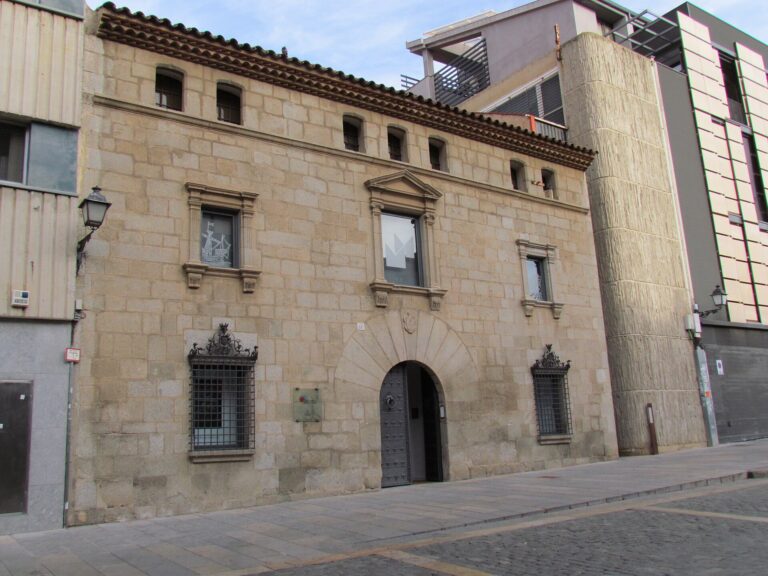
- Mataró Museum — 13 km, Mataró’s museum is spread over four buildings: a 1565 manor
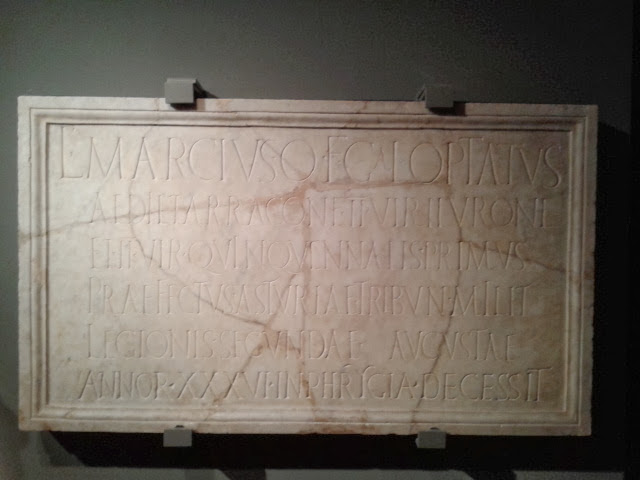
- Iluro — 14 km, Roman Iluro was only eight hectares
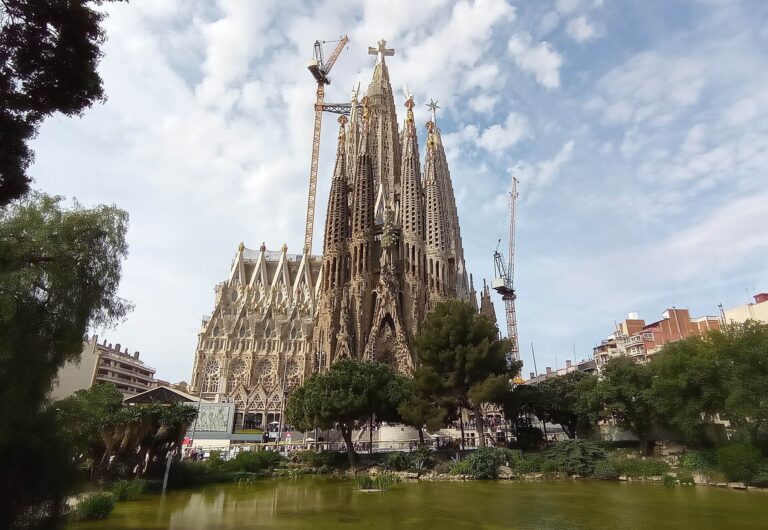
- Sagrada Família — 14 km, Sagrada Família is Antoni Gaudí’s unfinished basilica in Barcelona
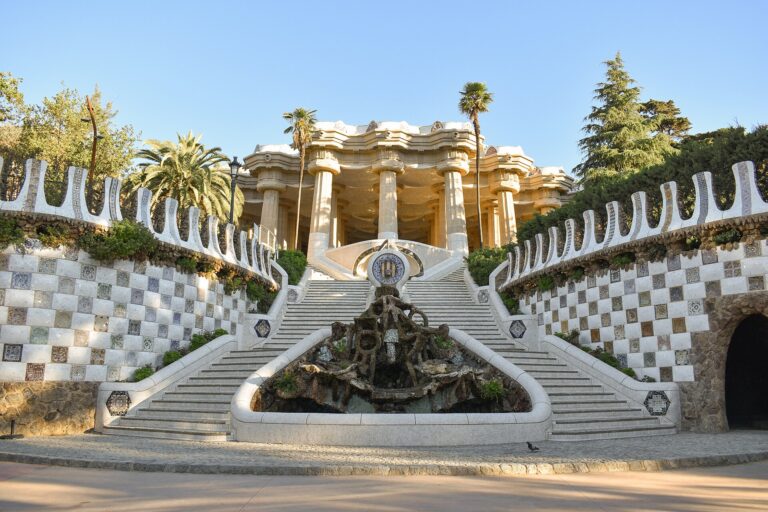
- Park Güell — 15 km, Park Güell is Antoni Gaudí’s hilltop garden complex above Barcelona
For the wider picture, see the Costa Brava guide, which lists every town on this coast.
Frequently asked questions
How far is it from Barcelona?
The town sits roughly 15–20 km from central Barcelona, making it an easy excursion by the rail and road links that run along the Maresme corridor.
Is Alella expensive to visit?
There are no broad cost figures in this guide, but the area’s draw is wine tourism and low‑key accommodation rather than upscale resort prices; costs vary depending on winery visits and whether you stay near the coast or in the village.
Which beach is best if I’m staying here?
The nearest practical beaches and marina facilities are at El Masnou; a short trip will also take you to the larger sandy stretches in neighbouring towns such as Calella, where Playa Garbi and Playa Grande have Blue Flag recognition.
How many days should I allow?
A half‑day or full day works for a village stroll plus a winery visit; combine with a beach afternoon or a hike in the Serralada Litoral for a fuller two‑day stay.
Is Alella good for families?
Yes — gentle woodland walks, compact streets and family‑friendly winery visits make it suitable for families. For classic seaside family time, combine the town with a trip to nearby beaches in El Masnou or Calella.
Can I visit without a car?
Yes. The town is served by rail and road along the Maresme corridor, so visitors can reach it using public transport from Barcelona and nearby coastal towns.
Is there parking if I drive?
Local parking exists in and around the village and at trailheads for nearby walks, but specifics vary by exact location; if you plan to tour wineries or the hills, check parking arrangements with your chosen venues or accommodation.
What if it rains — are there indoor options?
The town’s quiet centre, the parish church of Sant Feliu and some winery tasting rooms offer indoor options; for larger museums or indoor attractions, neighbouring towns on the Maresme coast provide more extensive facilities.
When is the harvest festival?
The town celebrates an annual grape harvest festival known as the Festa de la Verema, reflecting Alella’s long viticultural tradition.
What’s the best season for vineyard visits?
Spring and autumn are particularly pleasant for vineyard visits and walks because the Mediterranean climate is moderated by the sea and coastal hills; autumn coincides with harvest activity, which is an attractive time for wine tourism.
Are there organised wine tours from Barcelona?
Wine tourism is a key draw for visitors from Barcelona; several wineries around the town offer tastings and attract visitors from the city, so organised options and tours are commonly arranged through local operators.
Is the town part of a natural park?
Yes — the town lies within the Serralada Litoral Natural Park, which provides nearby hills and woodland walks behind the coast.
How is the architecture in the town?
You’ll see Modernista and Noucentista villas reflecting the area’s history as a summer retreat for Barcelona families, alongside the old village centre around the parish church.
Can I combine a beach day and a wine visit?
Yes. The town’s proximity to the Maresme coastline — especially the beaches and marina at El Masnou — makes combining seaside time and winery visits straightforward.
Is Alella a good base for exploring the Maresme?
Yes. Its location on the coastal corridor, green vineyard landscape and access to both the Serralada Litoral and nearby beaches make it a convenient, quieter base for exploring the Maresme region.
Plan the wider trip
- Costa Brava travel guide
- Maçanet de la Selva: Castle Ruins and Selva Countryside
- Riudarenes: Rural Selva Village Near the Costa Brava
- Sant Hilari Sacalm: Spa Town in the Guilleries Hills
- Sils: Lake Heritage and Village Life in La Selva
- Vidreres: Country Charm Between Lloret and Girona
Alella on the map
Places worth knowing near Alella
How this page is maintained. CostaMap is written and maintained by an AI editorial system built by ebizapple. Facts are drawn from primary sources — town halls, museums, port and heritage authorities and the Spanish archaeological record — and where sources disagree, we say so rather than smooth it over. Photographs marked as ours are taken on location. This page was last reviewed on 15 August 2026. Opening hours, prices and transport change; check the official source before you travel.