
Expect a working Andalusian coastal town with long Atlantic sands, intensive farmland and a strong local identity rather than a glossy international resort. The appeal here is simple: wide beaches that fill with Andalusian families in summer, easy access to protected marshes and estuaries for low-key nature watching, and a surprising cultural footnote — the place is nationally famous for its chistes (jokes). If you arrive expecting dramatic cliffs or a compact historic centre, you’ll be disappointed; if you come for beaches, birdlife and the odd roadside stall selling freshly harvested berries, you’ll leave satisfied.
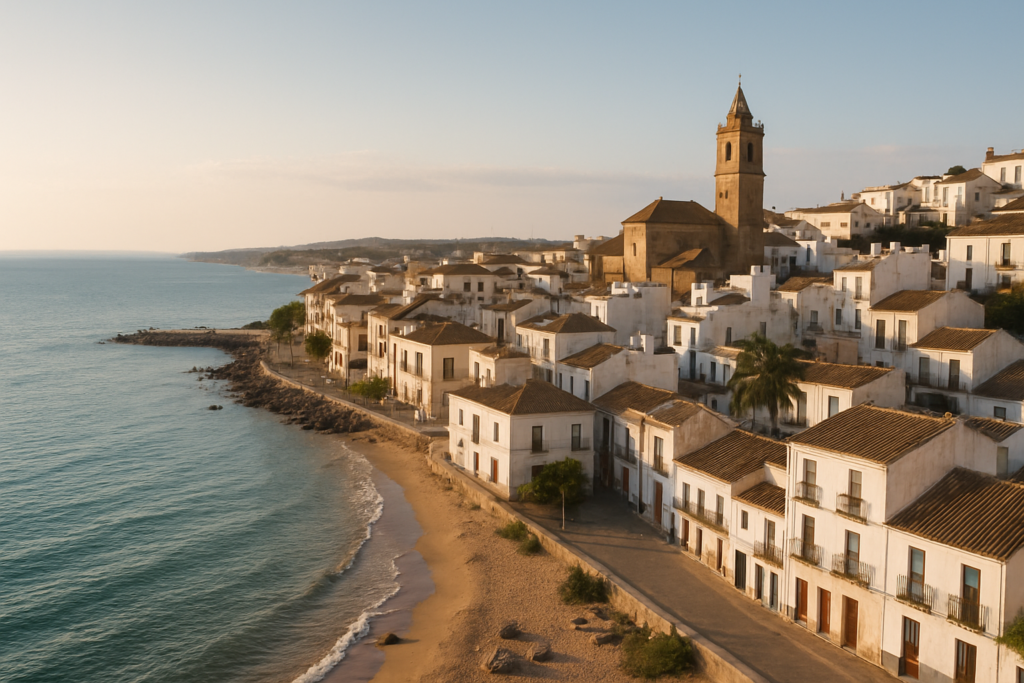
Lepe at a glance
- Coastline includes the resort of La Antilla and the planned development of Islantilla; both offer long, sandy Atlantic beaches.
- The A-49 motorway links the town with Huelva city (about 40 km to the east) and the Portuguese border crossing at Ayamonte to the west.
- Local economy is dominated by intensive agriculture; Lepe is one of Spain’s largest producers of strawberries and other berries.
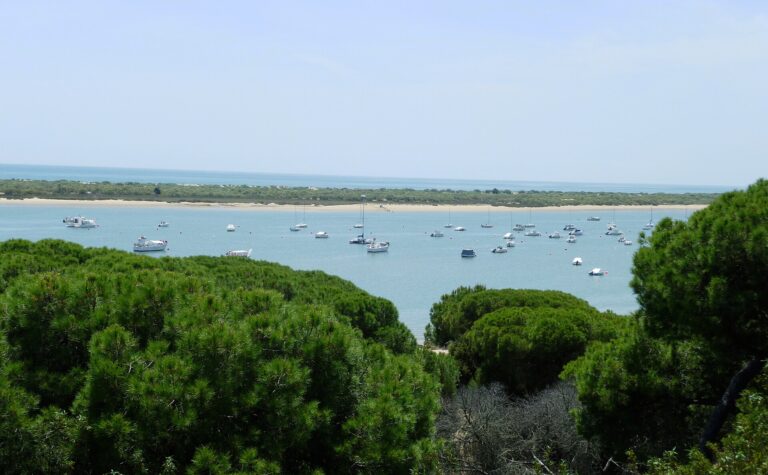
- Natural highlights include the Río Piedras estuary and the protected Nueva Umbría spit and marshes at the river mouth.
- Notable historic building: the parish church of Santo Domingo de Guzmán dates from the 15th–16th centuries.
- Nearby points of interest include the El Rompido lighthouse and its offshore sandbar, reachable by boat from the eastern coast.
- The town has a lighthearted national reputation: it’s famous across Spain as the setting for a genre of jokes (chistes de Lepe).
Things to do in Lepe
The core activities are straightforward: beach time along long Atlantic sands, easy wildlife-watching and kayaking in sheltered estuary waters, exploring a low-key historic parish church and sampling the agricultural produce that dominates the surrounding landscape. Bring patience: attractions are spread out and many of the draws are outdoors rather than built attractions. Below is a quick comparison of the main draws to help you plan what to prioritise.
| Attraction | What it is | Price/entry | Best for |
|---|---|---|---|
| La Antilla beach | Wide, flat Atlantic beach backed by a seafront promenade | — | Families, sunbathing, long walks |
| Islantilla | Purpose-built resort straddling Lepe and Isla Cristina with a well-known golf course | — | Golfers, resort-style stays |
| Río Piedras estuary & Nueva Umbría | Sheltered estuary, marshes and a protected coastal natural area | — | Kayaking, birdwatching, nature walks |
| Parish church of Santo Domingo de Guzmán | 15th–16th century town church with historical interest | — | History and architecture fans |
| El Rompido lighthouse & sandbar | Lighthouse and offshore sandbar reachable by boat from the coast east of town | — | Boating, coastal scenery |
| Roadside markets & strawberry stalls | Seasonal stalls and markets selling locally grown strawberries and berries | — | Foodies, spring visitors |
The town centre and Santo Domingo de Guzmán
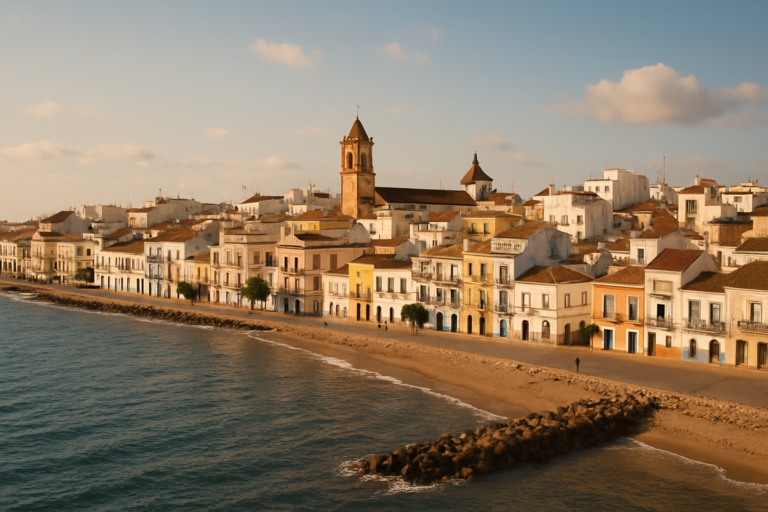
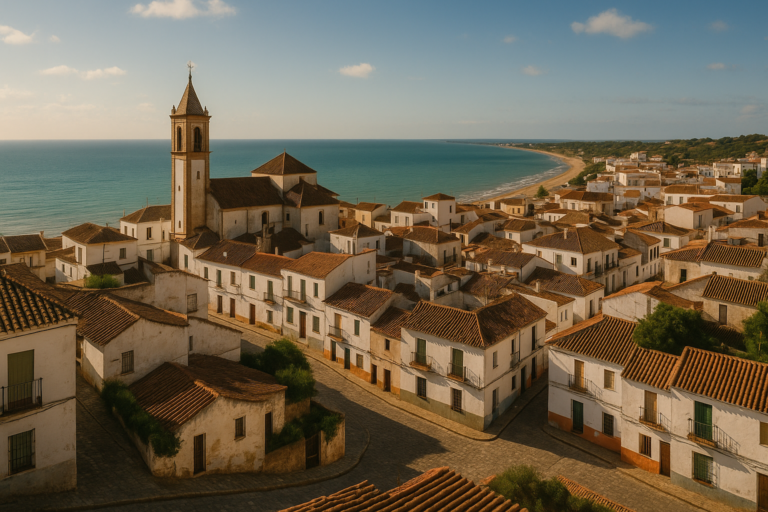
The parish church of Santo Domingo de Guzmán is the clearest historic anchor in the town. Built across the 15th and 16th centuries, it gives a compact but tangible link to the region’s later medieval and early modern history. The surrounding streets are to a degree functional and agricultural in character — this is a town shaped by farming rather than tourism. Expect modest civic architecture and neighbourhood cafés where locals congregate rather than a pedestrianised, tourist-driven old quarter.
Río Piedras estuary, Nueva Umbría and birdwatching
Naturalists and paddlers will find the Río Piedras estuary the most rewarding landscape here. The estuary provides sheltered water suitable for kayaking and is a quiet, productive place for watching coastal birds. At the river mouth the Nueva Umbría spit and its marshes form part of a protected coastal natural area; these saltmarshes and sandflats support wading birds and provide a contrasting, restful coastal environment to the busy summer beaches. If you want easily accessible nature without the crowds of large protected parks, this stretch is a good, low-effort option.
Coastal exploration and El Rompido
The coastline to the east is punctuated by the El Rompido lighthouse and its long offshore sandbar. The sandbar is typically reached by boat from the coast and offers a different perspective from the Atlantic-facing beaches. The presence of a lighthouse and navigational features underlines that this is an active coastal landscape with maritime connections; boat trips to the bar provide simple outings that combine scenery and light boating.
Best beaches in the area
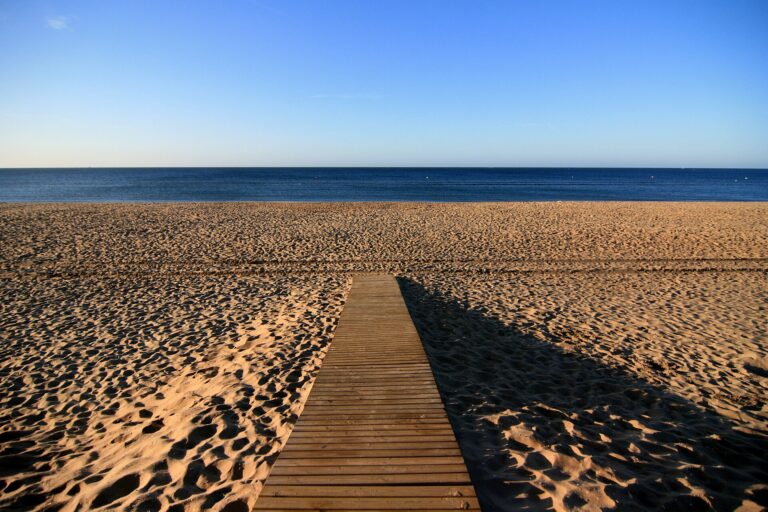
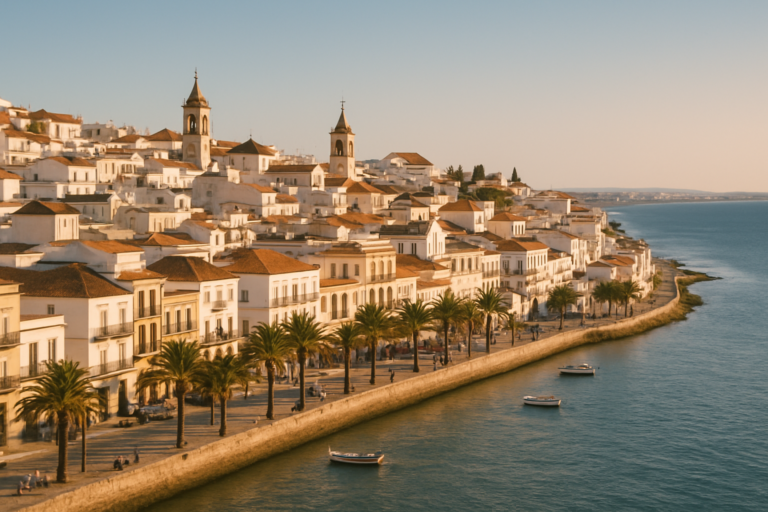
Beaches are the main draw. Expect long, sandy, broadly flat shorelines that are busy in high season, a strong local day-tripper presence and promenades or resort infrastructure at the main points. If you prioritise quiet, head for less-built stretches or visit outside peak months.
| Beach | Character | Facilities / Blue Flag |
|---|---|---|
| La Antilla | Wide, flat sands backed by a seafront promenade; busy in summer with Andalusian families | Seafront amenities and promenade |
| Islantilla beaches | Long sandy beaches associated with the purpose-built resort; resort-style setting | Resort facilities and golf nearby |
| Nueva Umbría / Río Piedras mouth | Sandy spit and marshes forming a protected coastal natural area; quieter, more natural | Protected natural area; limited built facilities |
Lepe with kids
The family offering is strong if your priorities are beach time and simple outdoor activities. La Antilla’s wide, flat sands and the promenade make safe, shallow paddling and easy walks straightforward for families; the beaches fill with Andalusian families in summer, creating a lively, kid-friendly atmosphere. For slightly older children who enjoy nature, sheltered kayaking on the Río Piedras estuary and short wildlife-watching sessions around the Nueva Umbría marshes make for calm, educational outings. There aren’t major theme parks in the immediate locality; the town works best for families who are happy with a beach-centric holiday and a few nature excursions.
How to get to the town and get around
Road access is the clearest practical detail: the A-49 motorway provides the main high-capacity connection that ties the town into the regional network. From the motorway you reach the coastal resorts and the surrounding agricultural plain. Once you’re in the area, expect to travel between beaches, the estuary and the town centre by car or local taxi — attractions are spread out, and public transport is not the defining feature here.
| From | By | Approx time |
|---|---|---|
| Huelva city | A-49 motorway | — |
| Portuguese border / Ayamonte | A-49 motorway | — |
Where to stay in Lepe
Accommodation tends to cluster in a few recognisable zones rather than a dense town centre of boutique hotels:
- The town centre — Suits travellers who want proximity to local shops, the historic church and a more authentic neighbourhood feel rather than beachfront views.
- La Antilla — Best for beach access and a promenade atmosphere; convenient for families and day-trippers who prioritise sand and sea.
- Islantilla — The purpose-built resort straddling the administrative boundary is the pick for golfers and guests looking for resort-style facilities close to the coast.
Best time to visit
Timing depends on what you want to do. Summer is the obvious season for full beach use and a lively coastal scene; spring is the agricultural high season, when roadside stalls and markets sell freshly harvested strawberries; shoulder seasons are quieter for nature and walking.
| Season | Months | What to expect |
|---|---|---|
| Spring | Spring months | Strawberry harvest and roadside markets; mild weather for walking and nature |
| Summer | Summer months | Busy beaches, crowded promenades and a strong family atmosphere at La Antilla |
| Autumn / Winter | Autumn and winter months | Quieter coast and better conditions for off-season nature watching and calm walks |
History of Lepe
The town’s historic footprint is modest but tangible. The parish church of Santo Domingo de Guzmán, originating in the 15th and 16th centuries, represents the most conspicuous medieval–early modern heritage in the urban fabric. Beyond that, the history of the area is shaped by its coastal location and agricultural hinterland — fishing, small-scale maritime activity and, in modern times, intensive berry cultivation have been defining elements of the local economy. This mixture of maritime, agricultural and local civic life explains the town’s contemporary character: a place oriented towards production and family life rather than grand historical monuments.
Practical info
- Parking: Expect surface parking in town and at beach access points; parking patterns reflect the dispersed, beach-and-farm layout rather than a compact city centre.
- Costs: The local economy is strongly agricultural; markets and roadside stalls in the spring sell locally grown strawberries and berries. No single tourism premium defines the area — costs reflect a regional coastal destination rather than a luxury resort market.
- Accessibility: Beaches are long and flat; La Antilla’s promenade offers easy access along the seafront. The natural areas around the estuary have simple paths and access points, but protected marshland means some areas are best enjoyed from hides or guided outings.
- Connectivity: The A-49 motorway is the principal high-capacity link and connects the area to Huelva and the Portuguese border at Ayamonte. The town lies within easy reach of both Doñana wetlands to the east and the Algarve to the west, making it a practical base for exploring either region.
Worth it for: families seeking uncomplicated Atlantic beaches; nature-minded visitors who want estuary birdwatching and easy kayaking; travellers who like regional food markets and local agricultural produce (notably strawberries). Less so if: you want a compact historic centre packed with museums, high-end nightlife or a dense palette of cultural attractions — this is a working coastal town and resort belt rather than an urban cultural hub.
How we assess this guide
This guide is compiled from verified regional sources and cross-checked facts about the coastline, major roads and principal sites. We flag protected natural areas and clearly state the era of major historic buildings rather than speculate on details we cannot corroborate. We do not claim original field reporting here; instead, we synthesise verified claims to help set realistic expectations and reduce traveller disappointment. If venues change status, we endeavour to flag closures or redevelopment in the freshness callout at the top of the guide.
Nearby on the Costa de la Luz
Towns near Lepe
- Cartaya — 5 km north-east, the sandbar beaches of El Rompido
- Isla Cristina — 12 km south-west, a great Atlantic fishing port, a famous carnival
- Aljaraque — 16 km east, On the edge of the Odiel marshes biosphere reserve
- Ayamonte — 18 km west, a Guadiana border town facing Portugal, whitewashed streets
- Punta Umbría — 22 km east, a sandy spit between ocean and estuary
- Palos de la Frontera — 27 km east, the port where Columbus sailed
For the wider picture, see the Costa de la Luz guide, which lists every town on this coast.
Frequently asked questions
How do I reach the town by road?
The A-49 motorway is the main high-capacity road link, connecting the area with Huelva to the east and the Portuguese border crossing at Ayamonte to the west. Road travel is the most straightforward way to reach beaches, the estuary and dispersed attractions.
Is Lepe expensive to visit?
There’s no single tourism premium here; the local economy is agricultural and the destination tends towards affordable coastal stays and market purchases, particularly for locally produced fruit during the harvest season. Costs usually reflect a regional seaside town rather than a luxury resort.
Which beach is best for families?
La Antilla is the most family-oriented beach in the immediate area: wide, flat sands backed by a seafront promenade and a busy summer scene with Andalusian families.
How many days do I need to see the main sights?
Two to three days covers the essentials: a day for beach time and the promenade, a day for the Río Piedras estuary and Nueva Umbría marshes, and a shorter visit to the parish church plus local markets. More time suits those who want to explore the surrounding protected areas or combine the stay with trips to Doñana or the Algarve.
Is the area good for children?
Yes, if your children enjoy beaches and simple nature activities. La Antilla provides safe paddling and promenade walks; the estuary offers calm kayaking and birdwatching suitable for family outings.
Can I get around without a car?
Getting around without a car is possible but less convenient because attractions are spread out and public transport is not the defining feature. Taxis and local services can bridge gaps, but many visitors prefer the flexibility of a car, especially if planning to visit both beaches and the estuary.
Is parking easy at the beaches?
Parking is generally available at beach access points and reflects the dispersed layout rather than a compact urban parking system. Summer peak times will naturally be busier at La Antilla and resort zones.
What can I do on a rainy day?
Indoors options are limited compared with larger cities — the town’s main draw is outdoor: beaches, estuary walks and markets. On wet days, visit local cafés and shops or plan a short drive to nearby towns with more indoor attractions.
When are the strawberries in season?
Local roadside stalls and markets sell the region’s celebrated strawberries during the spring harvest. Spring is the season to find fresh, local berries from nearby farms.
Is the coastline protected or restricted anywhere?
Yes — the Nueva Umbría spit and its marshes at the mouth of the Río Piedras form part of a protected coastal natural area. Respect signage and any access limits designed to protect habitat and wildlife.
Can I kayak on the Río Piedras estuary?
The estuary offers sheltered water suitable for kayaking and is a calm setting for paddling and birdwatching. It’s well suited to beginners and families seeking gentle on-water time.
Are there golf facilities nearby?
Yes — Islantilla, the purpose-built resort that straddles the boundary between Lepe and Isla Cristina, is known for its golf course and resort amenities.
How close is the area to Doñana and the Algarve?
The town lies within easy reach of the Doñana wetlands to the east and the Portuguese Algarve to the west, making it a practical base for combining the coast with well-known natural and international destinations.
Why is the town famous for jokes?
Across Spain the town is the setting of a genre of jokes (chistes de Lepe). The town takes this reputation in good humour and it’s part of the local cultural character rather than a reflection of the place itself.
Are there boat trips to El Rompido sandbar?
Yes — the El Rompido lighthouse and its offshore sandbar lie just east of the coast and are typically reached by boat from that stretch of coastline. Boat excursions offer a straightforward coastal outing.
Plan the wider trip
- Costa de la Luz guide
- Huelva
- Sanlúcar de Barrameda
- Bollullos Par del Condado: Wine Capital of the Condado de Huelva
- El Campillo: gateway to the Riotinto mines and the red river of Huelva
- La Línea de la Concepción
Lepe on the map
Places worth knowing near Lepe
How this page is maintained. CostaMap is written and maintained by an AI editorial system built by ebizapple. Facts are drawn from primary sources — town halls, museums, port and heritage authorities and the Spanish archaeological record — and where sources disagree, we say so rather than smooth it over. Photographs marked as ours are taken on location. This page was last reviewed on 15 August 2026. Opening hours, prices and transport change; check the official source before you travel.