
Expect a working Andalusian port town rather than a glossy resort. This is a place shaped by shipyards, a university campus and the tidal rhythms of a large estuary: you’ll find calm family-friendly bays, salt pans and pine belts for walking, and a compact, grid-plan old town with a Renaissance origin. If you go looking for sweeping tourist infrastructure or sunbed-lined promenades, temper expectations; if you value nature, seafood and authentic local life, you’ll be rewarded.
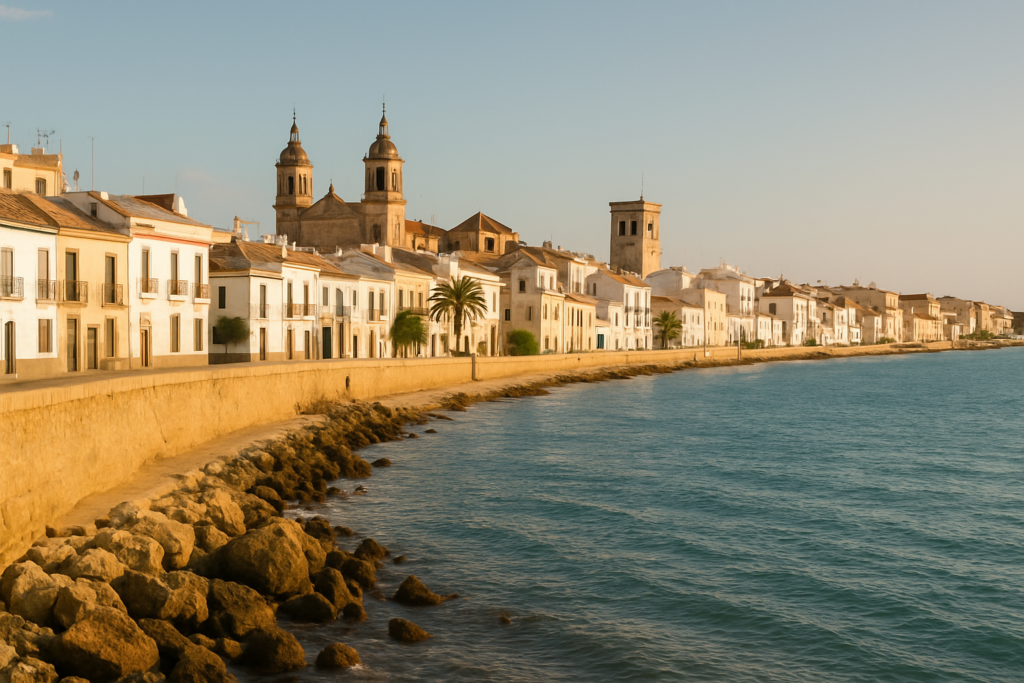
Puerto Real at a glance
- Short hop on the Cádiz–Seville cercanías train from central Cádiz and El Puerto de Santa María.
- Set on the Bay of Cádiz inside the Bahía de Cádiz Natural Park—salt marshes, tidal channels and birdlife.
- Calm bayside beaches such as Playa de la Cachucha, popular with local families for shallow water.
- Major University of Cádiz campus here, giving the town a sizeable student population and lively local scene.
- Long shipbuilding tradition: Navantia shipyards on the bay are among the largest in Spain.
- Historic core laid out on a Renaissance grid plan after the town was founded as a royal port in 1483.
- Pine woods and marsh-side paths (Las Canteras, Coto de la Isleta) provide walking and cycling close to town.
Things to do in Puerto Real
Most visitors enjoy a mix of short, accessible nature experiences and a compact dose of local history and cuisine. Plan for relaxed exploration: shoreline walks, watching birdlife in the salt marshes, sampling pescaíto frito in neighbourhood tavernas, and a stroll around the grid-plan old town anchored by its principal church. The shipyards and university shape the town’s rhythms more than tourist attractions do.
| Attraction | What it is | Price/entry | Best for |
|---|---|---|---|
| Iglesia Prioral de San Sebastián | Principal historic church begun in the 16th century | – | History and architecture |
| Bahía de Cádiz Natural Park / salt marshes | Protected marshes, tidal channels and salt pans with rich birdlife | – | Birdwatching, photography, low-key nature walks |
| Playa de la Cachucha and bayside beaches | Calm, shallow-water family beaches on the town’s bay | – | Families, paddling, short beach visits |
| Las Canteras and Coto de la Isleta | Pine woods and marsh-edge trails for walking and cycling | – | Active walkers and cyclists wanting easy trails |
| Navantia shipyards | Large shipbuilding and naval-industrial complex on the bay | – | Industrial heritage interest; observe from public viewpoints |
The old town and the Iglesia Prioral de San Sebastián
The compact centre reflects the town’s Renaissance founding as a royal port in 1483. Streets are laid out on a grid, which makes the old quarter easy to explore on foot. The Iglesia Prioral de San Sebastián, whose construction began in the 16th century, acts as the historic focal point: it’s the most significant ecclesiastical building for understanding the town’s religious and civic history. Neighborhood bars and seafood tavernas cluster nearby, so combine cultural stops with a local bite.
Salt pans, marshes and the natural park
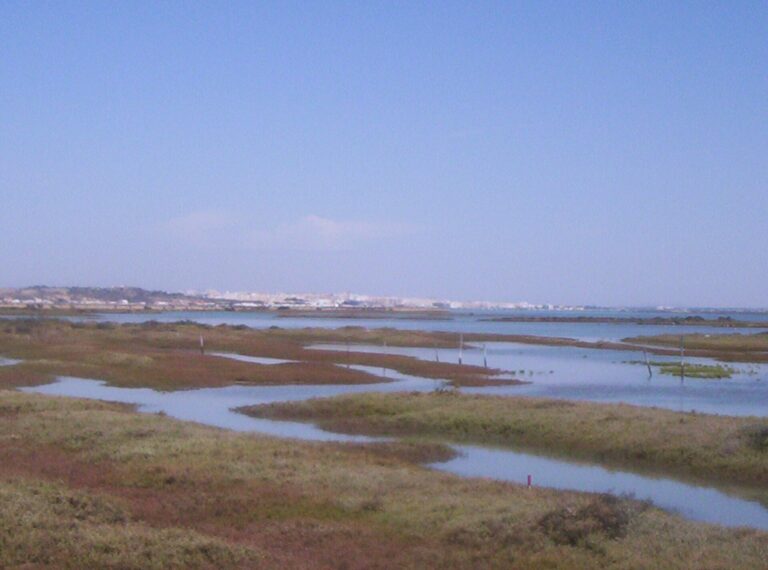
Puerto Real sits within the Bahía de Cádiz Natural Park—a working and wild landscape where artisan sea salt is still produced and traditional estero fish-farming continues in the marshes. Salt pans and tidal channels create a patchwork of lowland habitats teeming with birds and shaped by tidal cycles. Bring binoculars and a field guide if you’re a birder; even casual walkers will notice the contrast between pine belts and flat saline marshes.
Pine woods and easy trails
On the town’s edges, the pine woods of Las Canteras and the Coto de la Isleta provide shady, low-effort walking and cycling routes that are close to urban amenities. These areas are especially pleasant for early-morning or late-afternoon outings when shore birdlife is active and temperatures are cooler. Trails here suit short excursions rather than long wilderness hikes.
Seafood, the university scene and the shipyards
Dining in the town centres on fish and shellfish from the bay: expect langostinos and freshly fried fish (pescaíto frito) across tavernas and small restaurants. The presence of a major University of Cádiz campus gives parts of the town a youthful, local energy—cafés and bars catering to students complement more traditional neighbourhood spots. The Navantia shipyards dominate part of the waterfront; they are a reminder that this is a living industrial port as much as a leisure place, and there are public viewpoints where you can observe their scale without entering restricted sites.
Best beaches in Puerto Real
The town’s beaches are modest in scale compared with nearby long Atlantic sands, but they offer calm, shallow water and a family-friendly feel. These are bayside beaches rather than open-ocean expanses, so they’re best for paddling and short beach days rather than long surf sessions.
| Beach | Character | Facilities / Notes |
|---|---|---|
| Playa de la Cachucha | Calm, shallow bay beach popular with local families | – |
| Other bayside beaches | Small coves and stretches with gentle water suitable for kids | – |
Puerto Real with kids
Families will find the town straightforward to manage: calm bayside beaches with shallow water make paddling safe for younger children, and short, flat trails through pine woods or along marsh edges are suitable for stroller-friendly walks. The compact grid-plan old town simplifies logistics—almost everything is within easy reach so full days don’t require long transfers. Expect a mix of student-friendly cafes and traditional family-run restaurants where fish and shellfish are the focus.
How to get to Puerto Real and get around
Transport in and out of the town is oriented around nearby urban centres and the estuary crossings. The local rail link is particularly useful if you’re basing yourself within the Bay of Cádiz.
| From | By | Approx time |
|---|---|---|
| Central Cádiz | Cádiz–Seville cercanías train | – |
| El Puerto de Santa María | Cádiz–Seville cercanías train | – |
Within the town, walking and cycling are practical for most short trips: the centre is compact and the grid layout makes navigation intuitive. For reaching natural areas like the pine woods and salt pans, local roads and minor tracks provide access—expect short transfers from the urban core rather than long drives. If you plan to use the surrounding region as a base, note that the modern Puente de la Constitución de 1812 (La Pepa bridge) links the town to the city across the bay, offering a straightforward route for car journeys and regional travel.
Where to stay in Puerto Real
Accommodation choices reflect the town’s mixed identity—student-oriented neighbourhoods, quiet bayside pockets and a historic centre. Consider these general areas by what you prefer:
- Old town (historic grid): best for walking to bars, restaurants and the Iglesia Prioral de San Sebastián; good if you want compact streets and local life.
- Bayside neighbourhoods near Playa de la Cachucha: suit families and anyone prioritising easy beach access and calm water.
- Near the university campus: suit short-term stays with a younger crowd and close proximity to campus facilities and lively cafés.
- Edge of town close to Las Canteras / Coto de la Isleta: good for walkers and cyclists who want immediate access to pine and marsh trails.
Best time to visit Puerto Real
There’s no single perfect month: summers bring the typical seaside draw—warmer weather and beach visits—while spring and autumn are excellent for birdwatching and outdoor walks when marshes and salt pans are active. Because the town is inside a natural park and linked to migratory bird routes, shoulder seasons often reward visitors with good wildlife viewing without the height-of-summer crowds.
| Season | Months | What to expect |
|---|---|---|
| Summer | – | Warm weather for beach visits and paddling; lively local dining scene |
| Spring / Autumn | – | Great for birdwatching in the natural park and comfortable walking temperatures |
| Winter | – | Quieter urban atmosphere; good time to experience local life and seafood without tourist crowds |
History of Puerto Real
Founded in 1483 by the Catholic Monarchs as a royal port, the town was laid out on a grid plan during the Renaissance era—a planning choice that still defines its street pattern. Over centuries the shoreline location fostered maritime industries and a shipbuilding tradition that remains visible today. The Navantia shipyards on the bay are a modern continuation of that long industrial seam, and the Iglesia Prioral de San Sebastián, begun in the 16th century, stands as the principal historic church and a touchstone for the town’s architectural and civic past.
Practical info
- Parking: The town’s compactness makes on-street parking and short-term lots practical for short visits; expect easier parking away from the historic core during busy times.
- Accessibility: The grid-plan centre is relatively flat and easy to walk; natural areas like pine woods have informal trails that vary in surface quality, so pick suitable footwear for uneven ground.
- Connectivity: A cercanías rail link connects the town with central Cádiz and El Puerto de Santa María, making public transport a straightforward option for day trips within the Bay of Cádiz.
- Local services: A sizeable university campus means the town supports cafés, student-oriented services and a modest hospitality infrastructure rather than large-scale tourist amenities.
Worth it for: anyone wanting a low-key, authentic slice of the Bay of Cádiz—nature lovers, birdwatchers, seafood diners and people curious about Spain’s maritime and shipbuilding heritage. Less so if: you’re after polished resort beaches, a packed programme of paid attractions or a nightlife-centred holiday; this town’s strengths are local life, easy nature access and modest urban charm.
How we assess this guide
This guide compiles information from verified local sources and cross-checked references. We prioritise facts about transport links, protected landscapes, historic sites, and working industries; we flag closures or major changes when those facts are verified. This is an editorial synthesis rather than on-the-ground reporting, and we avoid speculation—if practical specifics such as opening hours or ticket prices are essential to your trip, check directly with local services before you go.
Nearby on the Costa de la Luz
Towns near Puerto Real
- El Puerto de Santa María — 9 km north-west, What El Puerto de Santa María is really like
- Chiclana de la Frontera — 13 km south, What Chiclana de la Frontera is really like
- Jerez de la Frontera — 20 km north
- Conil de la Frontera — 30 km south, a white old town, Atlantic beaches
- Sanlúcar de Barrameda — 31 km north-west, What Sanlúcar de Barrameda is really like
- Chipiona — 32 km north-west, Spain's tallest lighthouse, the long Playa de Regla
For the wider picture, see the Costa de la Luz guide, which lists every town on this coast.
Frequently asked questions
How do I get to the town from Cádiz?
Take the Cádiz–Seville cercanías train from central Cádiz; the line serves the town and also links with El Puerto de Santa María.
Is Puerto Real expensive to visit?
It’s generally more economical than major tourist resorts. The town’s focus is local life, university services and working industry rather than high-end tourism, so dining and daily costs tend to be moderate.
Which beach is best for families?
Playa de la Cachucha and the nearby bayside beaches are known for calm, shallow water that local families favour for paddling and short beach days.
How many days should I spend here?
Two to three days lets you combine a relaxed exploration of the old town, a couple of short nature outings into the marshes or pine woods, and a beach session. Use a longer stay as a base for day trips around the Bay of Cádiz.
Is the town good for a family holiday?
Yes—shallow beaches, short, easy walks and compact streets make it family-friendly. Expect a quieter, more local atmosphere than larger seaside resorts.
Can I get around without a car?
Yes. The town centre is walkable and the cercanías link serves nearby urban centres. For reaching some natural areas you can walk or cycle from town; a car is only necessary if you want to explore more distant parts of the province on a tight schedule.
Is parking easy?
Parking is generally straightforward, though the historic core can get busier at peak times. If you want easier parking choose accommodation slightly away from the old town or arrive early in the day.
What are the best rainy-day options?
Indoor options are limited because this is a compact town centred on outdoor landscapes and seafood dining; spend wet spells exploring cafés near the historic church, sampling local cuisine, or making short trips to nearby cities that offer museums and larger cultural facilities.
When is the best time for birdwatching?
Spring and autumn are productive for bird activity in the Bahía de Cádiz Natural Park and the surrounding salt marshes; shoulder seasons also offer comfortable temperatures for walking.
Is the Puente de la Constitución de 1812 useful for travel?
Yes—the modern bridge, known locally as La Pepa bridge, links the town with the city across the bay and is a key road connection for regional travel.
Can I see traditional salt production?
Salt pans around the town still produce artisan sea salt and support traditional estero fish-farming in the marshes; you can observe this working landscape from public viewpoints and marsh-edge paths.
Are there opportunities for cycling?
Yes—Las Canteras, Coto de la Isleta and other marsh-edge trails provide cycling-friendly routes close to town; surfaces vary from paved paths to compact tracks.
Is the shipyard publicly accessible?
The Navantia shipyards are operational industrial sites and are not general visitor attractions; they are, however, prominent on the waterfront and can be observed from public viewpoints without entering restricted areas.
Which nearby towns make good day trips?
Central Cádiz and El Puerto de Santa María are both on the same cercanías rail corridor and are natural day-trip targets for beaches, history and broader tourist services.
Will I see university life while I’m here?
Yes. A major University of Cádiz campus in town gives parts of the area a young, local energy—cafés, budget-friendly eateries and student-oriented services are common.
Plan the wider trip
- Costa de la Luz guide
- Cádiz
- San Fernando
- Bollullos Par del Condado: Wine Capital of the Condado de Huelva
- Olvera: White Village and Sierra Greenway
- Setenil de las Bodegas: Cave Houses Under the Rock
Puerto Real on the map
Places worth knowing near Puerto Real
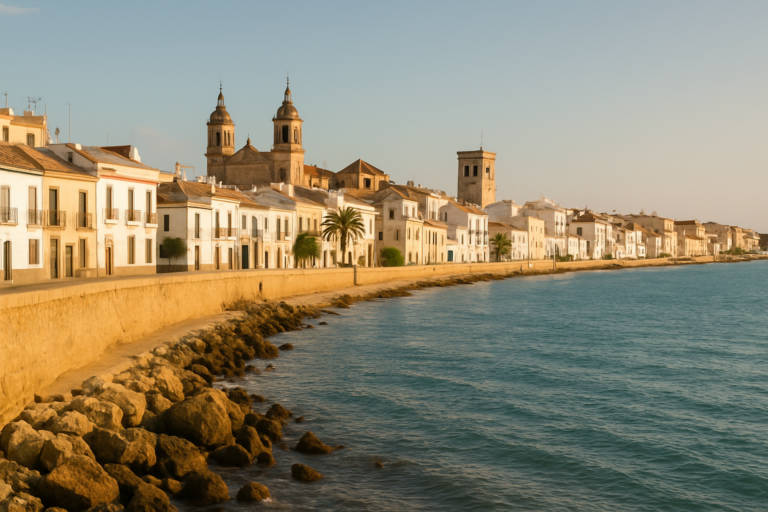
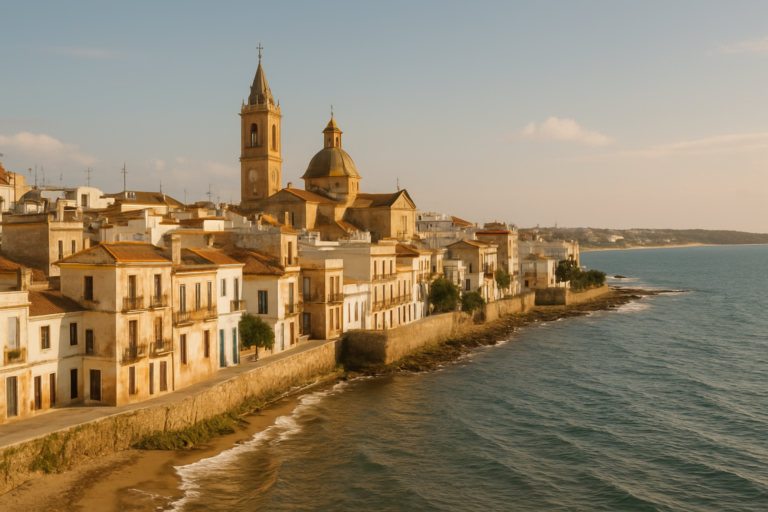
How this page is maintained. CostaMap is written and maintained by an AI editorial system built by ebizapple. Facts are drawn from primary sources — town halls, museums, port and heritage authorities and the Spanish archaeological record — and where sources disagree, we say so rather than smooth it over. Photographs marked as ours are taken on location. This page was last reviewed on 15 August 2026. Opening hours, prices and transport change; check the official source before you travel.