
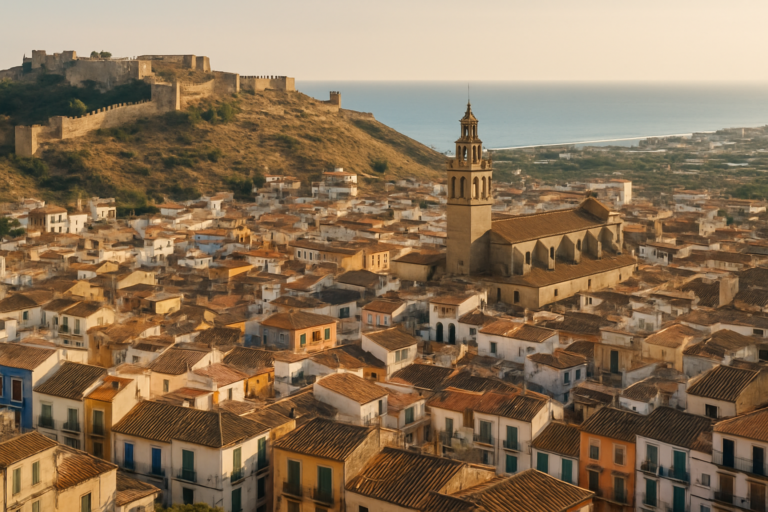
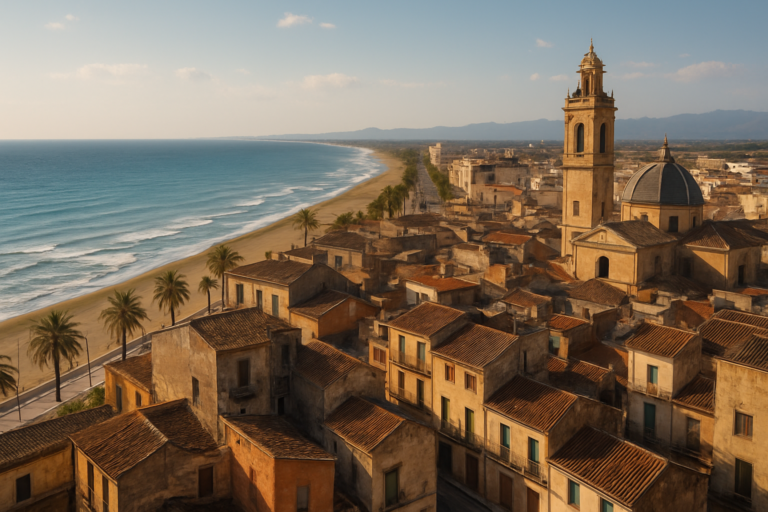
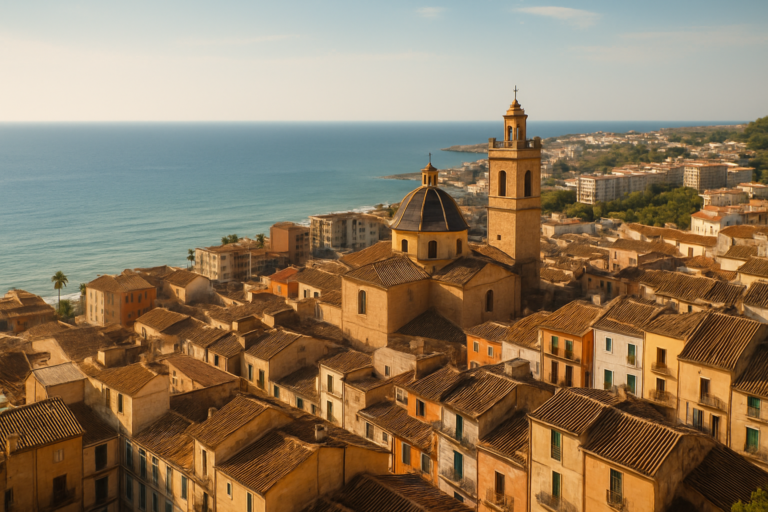
Expect broad sandy beaches, a low-rise resort strip with a marina and promenade, and a compact medieval centre tucked a short way inland. This guide focuses on what actually matters for a visit — where the best sand and wind are, how the landscape and protected wetlands shape activities, and which parts of town suit families, watersports people or culture lovers. It also points out the quieter dune-backed shores that most guidebooks gloss over.
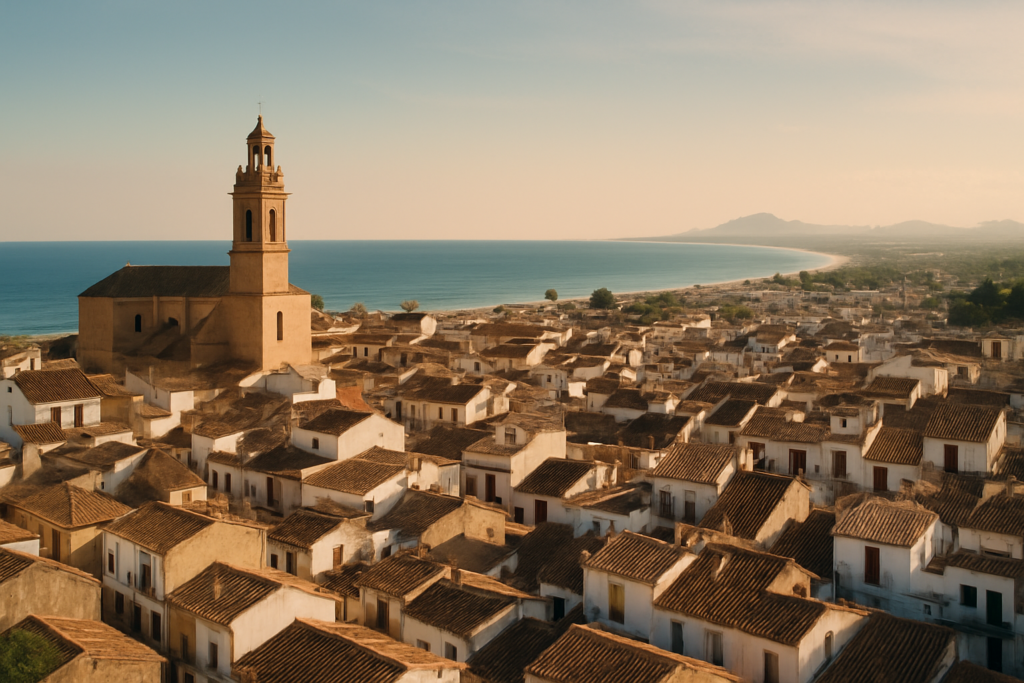
Oliva at a glance
- Coastal town on the southern edge of Valencia province on the Costa de Valencia, near the Alicante border.
- About 75 km south of Valencia city, positioned between Gandia and Dénia.
- Roughly 10 kilometres of sandy Mediterranean beaches, several stretches backed by well-preserved dunes.
- Well-known for windsurfing and kitesurfing thanks to reliable coastal winds.
- Marina and long beachfront promenade form the core of the resort area.
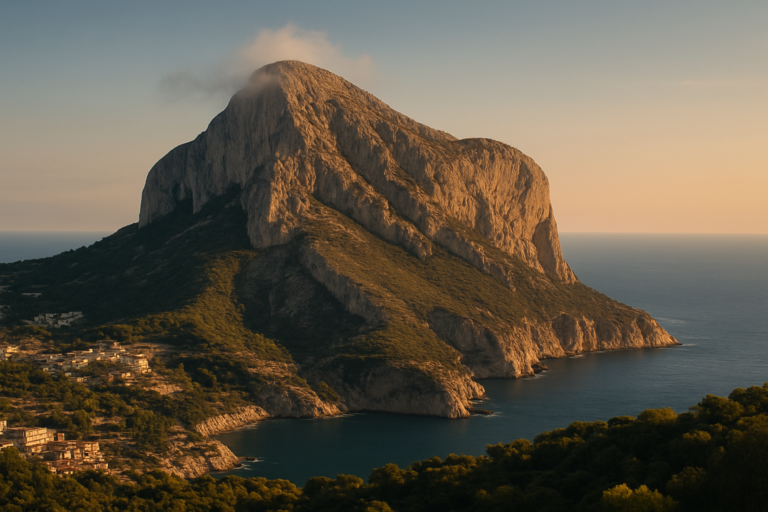
- Inland hills (Sierra de Mustalla and Segària) frame the landscape; citrus groves dominate the coastal plain.
- Marjal de Pego-Oliva wetland lies on the Valencia–Alicante border and is a protected marshland close to town.
Things to do in Oliva
The town gives you three distinct strands of experience: beach time on long sands and dunes, active watersports in the breezy conditions, and a modest but atmospheric old town with literary and humanist roots. Use the dunes and wetland for low-key nature, the marina strip for cafés and promenading, and the old quarter for a compact cultural stroll.
| Attraction | What it is | Price / entry | Best for |
|---|---|---|---|
| Pau-Pi beach | Sandy beach within the resort zone | – | Classic beach days, promenade access |
| Aigua Blanca | Beach known locally by name | – | Sandy bathing, calmer stretches |
| Southern dune-backed beaches | Quieter sand backed by preserved dunes | – | Nature, tranquillity, dune walks |
| Marjal de Pego-Oliva | Protected wetland and marsh | – | Birdwatching, gentle nature walks |
| Old town (Raval and Vila) | Historic quarter with narrow streets | – | Cultural walking, architecture |
| Marina and promenade | Resort seafront with docks and cafes | – | Evening walks, waterside dining |
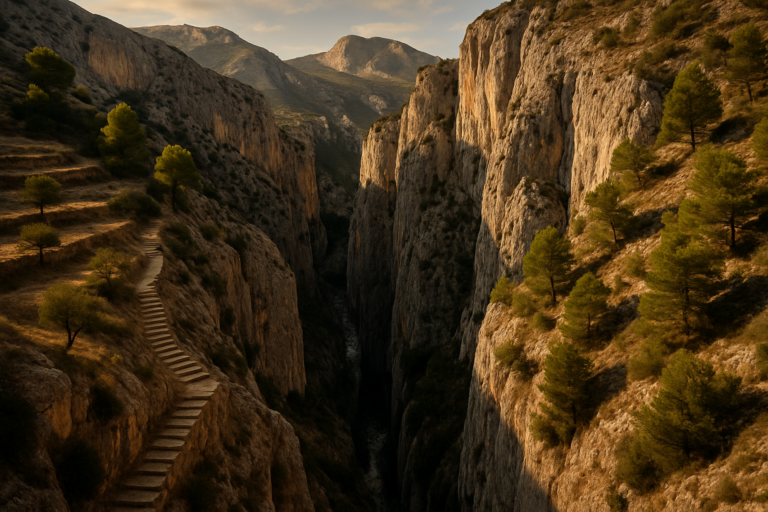
| Sierra de Mustalla & Segària | Hills that frame the inland landscape | – | Short hikes, scenic views |
Beaches and the dunes
The coastline is the primary draw: about ten kilometres of sand across several linked beaches. Many stretches are directly abutted by dunes — some of the best-preserved on the Valencian coast — so you can easily escape the more active resort frontage for a quiet walk or a picnic among dune grass and coastal plants.
Old town, humanism and literature
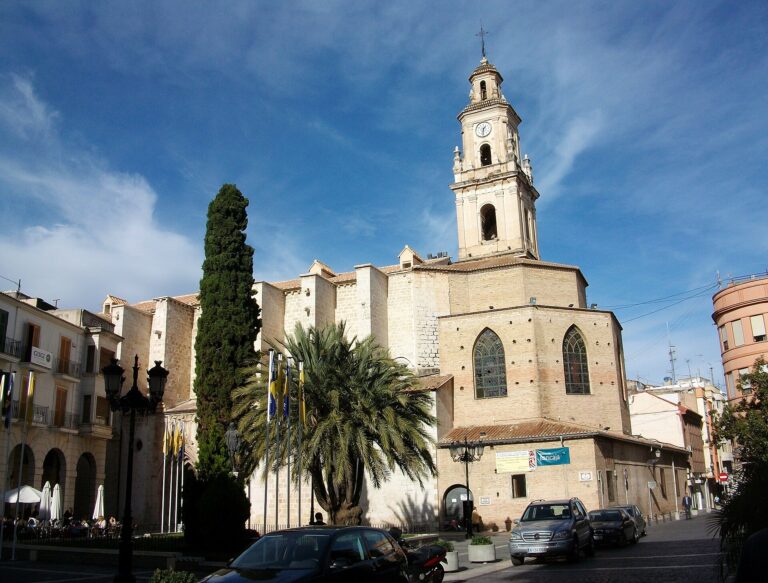
Inland from the seafront the historic centre — clustered in the Raval and Vila districts — rewards a slow wander. The town has a notable humanist and literary heritage connected with the Valencian Renaissance, which shows up in its civic buildings and the layout of narrow streets that climb slightly away from the plain.
Windsports, marina and wetlands
The combination of a marina, a long promenade and reliable coastal winds makes the area a recognised spot for windsurfing and kitesurfing. For quieter outdoor time, the protected marshes of the Marjal de Pego-Oliva sit just over the border and are the place to go for wetland habitats and birdlife; pair a morning on the water with an afternoon in the reedbeds.
Best beaches in Oliva
The coastline ranges from resort sands near the marina to long, dune-backed stretches that feel remote. If you want variety without leaving the town limits, the southern dunes are the most immediately restorative option.
| Beach | Character | Facilities / Blue Flag |
|---|---|---|
| Pau-Pi | Resort beach with direct access to promenade and marina area | – |
| Aigua Blanca | Traditional sandy beach, favoured locally | – |
| Southern dune-backed stretches | Quieter, nature-oriented sands with dunes | – |
Oliva with kids
Families will find straightforward seaside pleasures here: long sandy beaches for building and paddling, promenades for stroller-friendly walks, and a marina area for an easy early-evening outing. The marshes and nearby hills offer gentle nature activities that suit older children who like birds or short hikes; the dunes are great for low-intensity exploration but keep an eye on fragile habitats.
How to get to the town and get around
The town sits on the coastal plain between Gandia and Dénia. It is about 75 km south of Valencia city, so the usual approach is from the north via the major coastal roads or rail corridor linking Valencia with the Alicante region. Once in the area, the seafront promenade, marina and old town are compact enough to explore on foot; the citrus plain and wetlands require a short drive or a local transfer to reach comfortably.
Where to stay in the area
- Seafront / marina strip — suits people who want direct beach and promenade access and evening cafés.
- Old town (Raval and Vila) — best for walkers who prefer historic streets and a quieter, more local atmosphere.
- Southern dune area — choose this if you want space, nature and quieter beaches rather than immediate resort facilities.
Best time to visit Oliva
Oliva benefits from a mild Mediterranean climate that extends the usable beach season beyond the height of summer. The weather patterns make spring and early autumn especially pleasant for combining beach and outdoor activities without peak-season crowds; summer is busiest for the promenade and watersports.
| Season | Months | What to expect |
|---|---|---|
| Spring | March–May | Longer sunny days; good for early beach visits and walking in the hills and wetlands |
| Summer | June–August | Peak beach and watersports season; busiest on the promenade and marina |
| Autumn | September–November | Warm shoulder season, good wind conditions for board sports and quieter beaches |
| Winter | December–February | Milder than many northern coasts; quieter — best for off-season walks and cultural visits |
History of Oliva
The town’s historic core records a long cultural lineage: its narrow streets and civic layouts reflect a local tradition of humanist learning and literary activity tied to the Valencian Renaissance. The inland ridges and fertile coastal plain have shaped its economy and settlement pattern over centuries, with citrus groves becoming a notable feature of the modern landscape.
Practical info
- Protected areas: the Marjal de Pego-Oliva wetland is a designated protected marsh near the Valencia–Alicante border; treat reedbeds and bird habitat with care.
- Landscape notes: citrus groves and a fertile plain surround the town, while the Sierra de Mustalla and Segària hills offer a visual backdrop inland.
- Beaches: expect long sandy beaches, several stretches of well-preserved dunes, and a promenade that serves the marina and resort frontage.
- Activities: the coast’s reliable winds make the area known for windsurfing and kitesurfing; a marina supports small-boat activity and waterside dining.
- Getting around: the central seafront, marina and old town are walkable; to reach the wetland or hillside trails you will likely need local transport or a car.
Worth it for: beach goers who want long, sandy stretches and preserved dunes; windsurfers and kitesurfers looking for reliable coastal wind; travellers who enjoy compact historic towns with a literary-historical thread. Less so if: you expect a high-rise, late-night resort scene or a compact city with extensive museums — the appeal here is coastal nature, watersports and a small old town rather than urban culture.
How we assess this guide
This guide compiles verified facts about beaches, geography, protected wetlands, historical notes and local activities from cross-checked sources. We flag the current status of protected areas and note landscape features and sporting reputation; we do not invent opening hours, prices or unverified services and we avoid first‑hand field-reporting claims unless explicitly stated.
Frequently asked questions
How far is Oliva from Valencia airport?
The town lies about 75 km south of Valencia city; use the main coastal roads or rail links that run between Valencia and the Alicante region to reach the coast.
Is it an expensive place to visit?
Local costs can vary by season and choice of accommodation. The destination combines low-rise resort streets and a compact old town, with the main expenses depending on where you stay and whether you hire equipment for wind- or kitesurfing.
Which is the best beach for families?
For families wanting easy access to cafés and the promenade, the resort beaches close to the marina are the most convenient. For quieter, nature-focused family outings, choose the dune-backed stretches to the south.
How many days should I spend here?
A compact stay of two or three days covers the main beach and old-town highlights plus a short trip to the Marjal wetland; add extra days for extended watersports or hiking in the nearby hills.
Is Oliva good for windsurfing and kitesurfing?
Yes — the area is well known locally for windsurfing and kitesurfing because of reliable coastal winds and a marina that supports water-based activity.
Can I visit the Marjal de Pego-Oliva easily?
The wetland lies close to the Valencia–Alicante border and is accessible from the coastal plain near town. Expect to need local transport or a short drive from the main seafront to reach the marshes comfortably.
Which part of town is best for nightlife?
Evenings are concentrated along the promenade and marina, where cafés and waterside spots gather; the old town is quieter and better suited to evening walks than late-night clubbing.
Are the dunes accessible to visitors?
Many dune areas are preserved and provide opportunities for walks and nature observation. Respect signage and protected habitats when visiting the dune-backed beaches.
Is public transport a good option for getting around locally?
The seafront, marina and old town are walkable; reaching wetlands or the inland hills is easier with local transport or a car. Major regional roads and rail links connect the coast between Valencia and Alicante.
Are there nature activities besides the beach?
Yes — the Marjal de Pego-Oliva wetland offers birdwatching and reedbed habitat, while the nearby Sierra de Mustalla and Segària hills provide a framed landscape for short hikes and viewpoints.
What kind of food or agricultural landscape should I expect?
The coastal plain around town is dominated by citrus groves, especially oranges, reflecting the area’s fertile agricultural base and local produce traditions.
Is the old town worth exploring?
Yes — the compact Raval and Vila districts rise slightly inland from the plain and embody the town’s humanist and literary heritage linked to the Valencian Renaissance. It’s best seen on foot.
Can I reach nearby towns for day trips?
The location between Gandia and Dénia makes the area a convenient base for exploring other Costa de Valencia towns along the coast.
Are the beaches monitored for safety?
Many of the main resort beaches include standard coastal facilities and lifeguarding during peak season in most Mediterranean resorts, though specific services and times vary by beach and year.
What is the main appeal of visiting outside peak summer?
Off-peak visits extend the comfortable beach season thanks to a mild Mediterranean climate and offer quieter access to dunes, the old town and the wetlands while still allowing outdoor activities.
Plan the wider trip
Nearby on the Costa de Valencia
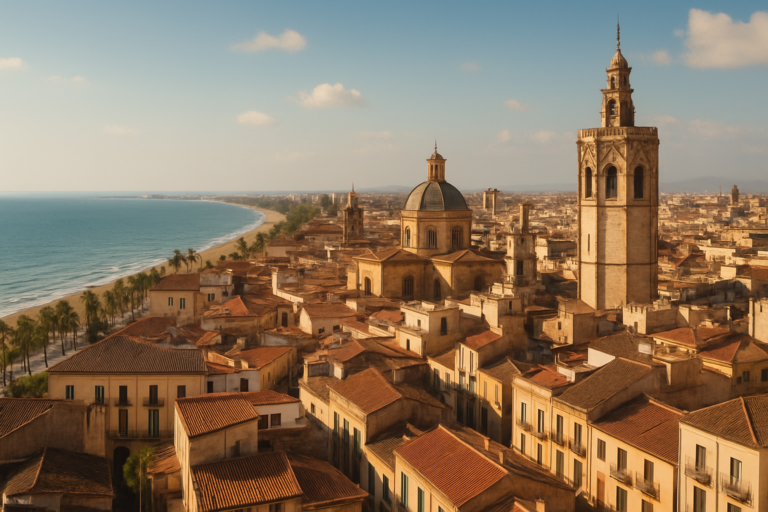
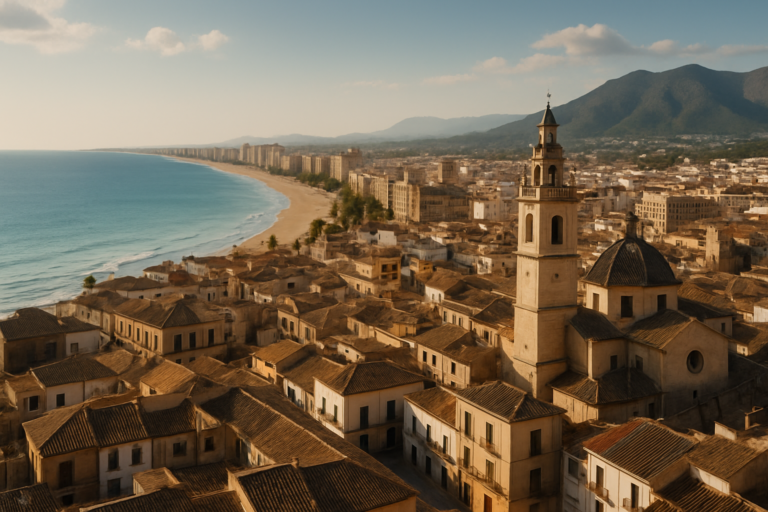
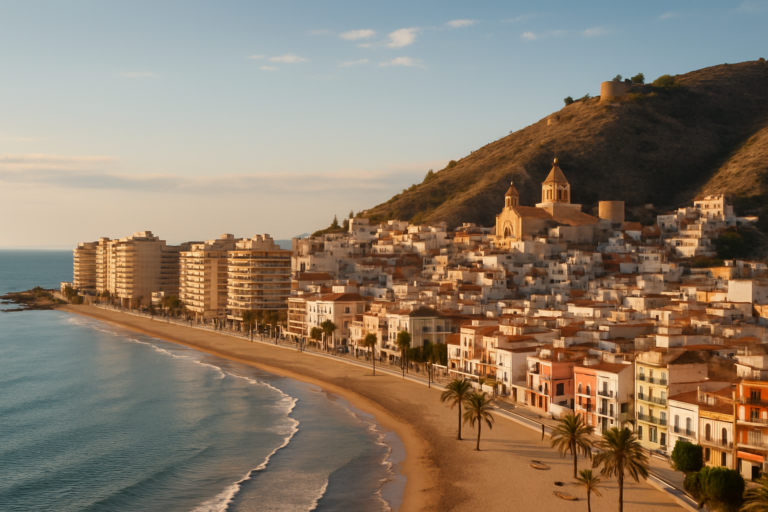
Oliva on the map
Places worth knowing near Oliva
How this page is maintained. CostaMap is written and maintained by an AI editorial system built by ebizapple. Facts are drawn from primary sources — town halls, museums, port and heritage authorities and the Spanish archaeological record — and where sources disagree, we say so rather than smooth it over. Photographs marked as ours are taken on location. This page was last reviewed on 27 July 2026. Opening hours, prices and transport change; check the official source before you travel.