
Expect seafood, wide skies and a landscape shaped by water. This coastal town sits where the Ebro Delta spills into the Mediterranean: its economy, streets and scenery are anchored to rice fields, oyster racks and a long sheltered bay. If you arrive expecting a manicured resort or a theme-park-style attraction list, you’ll be disappointed—but if you want honest food, birdlife and a sense of place at the edge of one of the western Mediterranean’s most important wetlands, you’ll find plenty to enjoy.
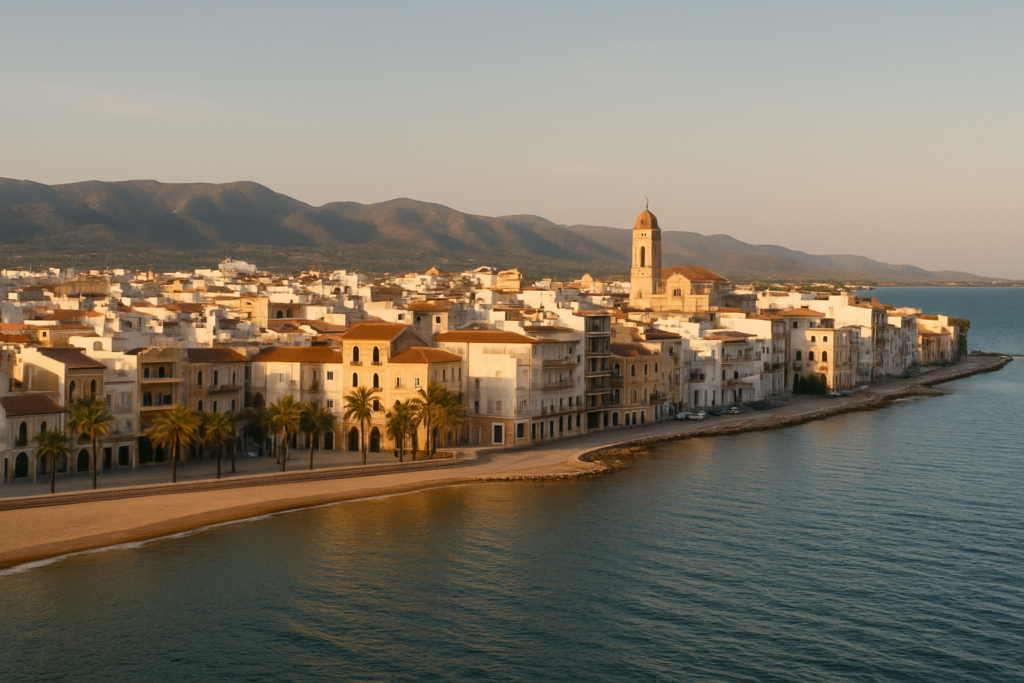
La Ràpita at a glance
- Sits on the sheltered bay of Els Alfacs, a large natural harbour on the Mediterranean.
- Major fishing port known for prawns, oysters and other shellfish from the bay and delta.
- Oyster and mussel farming is active in the bay of Els Alfacs.
- Adjacent to the Ebro Delta Natural Park — lagoons and beaches here attract flamingos and many waterbirds.
- Rice growing dominates the surrounding delta and underpins local dishes such as arròs and paella.
- Historical centre reflects King Charles III’s 18th‑century planned development, visible in the Glorieta and unfinished royal buildings.
- Located on the Costa Dorada, roughly southwest of Tarragona and near the Castellón border.
Before you plan
There are no verified closures or large-scale redevelopments in the source material for this guide. Key working activities—oyster and mussel farming, rice cultivation and fishing—are current and shape what you’ll see and eat. Treat the bay and delta as working landscapes rather than theme-park attractions.
Things to do in La Ràpita
Activities here fall into a few straightforward categories: taste the coastal cuisine, observe waterbird life in the delta and explore the town’s seaside harbour and neoclassical traces left by 18th‑century planning. Most visits mix food and nature with a short walk around the port and the Glorieta.
| Attraction | What it is | Price/entry | Best for |
|---|---|---|---|
| Ebro Delta Natural Park | Major Mediterranean wetland of lagoons, rice fields and beaches north of the town | – | Birdwatching, nature walks |
| Els Alfacs bay | Large sheltered harbour where oyster and mussel farming and fishing take place | – | Seafood dining, harbour walks |
| The Glorieta and royal buildings | Neoclassical square and unfinished 18th‑century structures related to Charles III’s plans | – | History, architecture |
| Punta de la Banya & Trabucador sand bar | Sand formations that enclose the bay to the south of the delta | – | Coastal scenery, beaches near lagoons |
| The fishing port | Active market and harbour life focused on prawns, oysters and shellfish | – | Seafood lovers, maritime atmosphere |
Explore the wetlands: Ebro Delta Natural Park
Just north of town the park is one of the western Mediterranean’s most important wetlands. Expect a patchwork of rice fields, shallow lagoons and sandy spits that together create habitats for flamingos and many other waterbirds. The landscape here is neither wild mountain wilderness nor manicured gardens—it’s a living wetland where farming and nature are intertwined.
Harbour life and shellfish
The sheltered bay of Els Alfacs defines much of the town’s character. Oyster and mussel racks are active in the bay, and the port is a working place where prawns and other shellfish are landed and sold. Dining in the town centers on these products: rice grown in the delta provides the base for arròs and paella that showcase local seafood.
Charles III’s footprint: the Glorieta and unfinished royal buildings
Walk the streets around the central square to see the town’s planned-neoclassical legacy. The Glorieta and a series of unfinished 18th‑century royal buildings recall the ambitions of King Charles III to impose an ordered, rational layout—an architectural layer that contrasts with the maritime economy at the shoreline.
Best beaches in the area
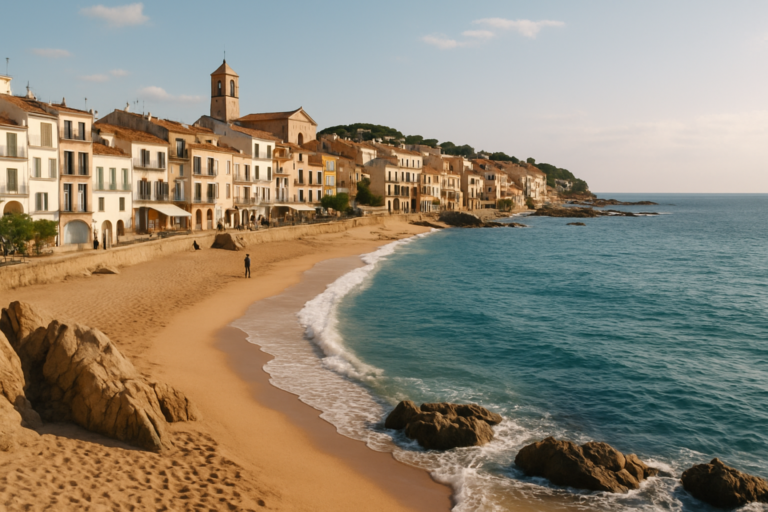
Beaches here are shaped by the delta and its protective sand bars: many are adjacent to lagoons and attract birds as readily as swimmers. Facilities and Blue Flag status vary; consult local sources for details before you go.
| Beach | Character | Facilities / Blue Flag |
|---|---|---|
| Beaches near Punta de la Banya and the Trabucador | Sandy stretches enclosed by the sand bar; close to lagoons and birdlife | – |
| Beaches along the Alfacs bay | Sheltered waters beside the working harbour; seaside with maritime activity | – |
La Ràpita with kids
Families who enjoy wildlife and simple beach days will find this coastline child-friendly in spirit. The combination of shallow lagoons, sandy spits and sheltered bay waters creates easy environments for supervised paddling and bird-spotting. Eating local seafood and tasting rice dishes can be a good way to introduce children to regional cuisine. Remember that many attractions are working landscapes—rice fields, oyster racks and fishing boats—so always supervise children near water and farming areas.
How to get to the town and get around
The town sits on the Costa Dorada and is roughly southwest of Tarragona city, near the Castellón border. Road access is the straightforward option for most visitors because the area is oriented around coastal and delta roads rather than rail hubs. Once here, the compact town and nearby coastal stretches are best explored on foot, by bicycle or by local road transport; the delta itself is a landscape where short drives and walks lead to observation points and beaches.
Where to stay in La Ràpita
Accommodation clusters in a few practical locations that suit different priorities:
- Town centre / harbourfront — closest to seafood restaurants, the port and the Glorieta; good if you want short walks to dining and a sense of daily harbour life.
- Bayfront and beaches — choose this for sheltered swimming and early-morning shoreline walks; still close to the working harbour.
- Outskirts near the Ebro Delta — best for nature-focused visits; staying here puts you nearer to lagoons and access points for birdwatching and coastal walks.
Best time to visit La Ràpita
Timing depends on your priorities. If food and harbour atmosphere are the aim, the town’s working activities are visible year-round because fishing, shellfish farming and rice cultivation shape the local calendar. If you’re prioritising birdwatching or beach weather, research current local conditions for the delta and coast before travelling—this guide does not include seasonal or festival dates.
History of La Ràpita
The town’s modern layout and some prominent civic structures date to the reforms and ambitions of King Charles III in the 18th century. His plans introduced neoclassical town‑planning features that resulted in the Glorieta and a sequence of royal buildings; a number of these projects were left unfinished, leaving an architectural mix that reflects both enlightened planning and maritime necessity. Long before and since, the area’s identity has been shaped by fishing, shellfish farming and rice agriculture tied to the Ebro Delta.
Practical info
- Markets and harbour: the port is a working fishing harbour where prawns, oysters and other shellfish are landed; expect to find local seafood central to dining options.
- Local economy: oyster and mussel farming in Els Alfacs bay and rice growing in the delta are key economic activities that influence what you’ll see and eat.
- Landscape: the Ebro Delta Natural Park lies immediately north of town, creating a wetland environment of lagoons, rice fields and sand bars that attract rich waterbird life, including flamingos.
- Getting around: the town’s compactness makes walking practical for short visits; the delta and sand bars are best reached by short drives and coastal roads.
- Expect working landscapes: many sights are active production environments (farms, racks, boats), so they are not staged tourist sites—show respect, don’t disturb equipment and follow local signage.
Worth it for: seafood lovers, birdwatchers and travellers who want a low-key coastal town rooted in fishing and delta agriculture. Less so if: you need resort-style attractions, a nightlife-driven holiday or highly manicured coastal resorts—the area’s charm is its working harbour and wetland scenery.
How we assess this guide
This guide compiles and cross-checks verified factual claims about the town’s geography, economy and built heritage. We flag closures and redevelopment when sources indicate them; here, the main activities—oyster and mussel farming, rice cultivation and the presence of the Ebro Delta Natural Park—are current and shape visitor expectations. This article synthesises those factual sources rather than reporting new on-the-ground observations.
Frequently asked questions
How do I get to La Ràpita from Tarragona?
The town lies roughly southwest of Tarragona city. Road travel is the natural option between the two; check local maps or transport providers for current services and schedules.
Is La Ràpita expensive?
Local prices are influenced by a strong seafood economy—prawns, oysters and mussels are specialties—so dining choices tend to feature these products. This guide does not provide price points; consider the seafood focus when budgeting for meals.
Which beach is best for birdwatching?
The beaches and sandy spits near the delta—particularly those around Punta de la Banya and the Trabucador sand bar—are adjacent to lagoons and attract flamingos and other waterbirds. These shoreline areas combine birdwatching opportunities with coastal scenery.
Which beach is best for families?
Sheltered stretches along the bay of Els Alfacs and the sandy spits guarded by the sand bar offer shallow waters and quieter coves; their character suits supervised family paddling and beach days.
How many days should I spend in the area?
That depends on your aims. A visit focused on the town’s harbour, seafood and a short nature outing to the nearby wetlands can be brief; those prioritising extended birdwatching or exploring multiple delta access points will want more time. This guide concentrates on durable facts rather than prescribing a fixed itinerary.
Is the Ebro Delta Natural Park close to the town?
Yes. The natural park lies just north of the town and is one of the principal reasons visitors come to this stretch of the Costa Dorada.
Can I see flamingos near the town?
Yes. The delta’s lagoons and nearby beaches attract flamingos and many other waterbirds.
Are there oyster farms I can see?
Oyster and mussel farming takes place in the bay of Els Alfacs, which defines much of the town’s harbour activity. These are working farms rather than staged tourist displays.
What should I eat while I’m here?
Rice-based dishes such as arròs and paella draw on the delta’s rice production and often feature local shellfish and prawns—these foods are central to the town’s culinary identity.
Is the town mostly a fishing port?
The port is a major fishing harbour, known for prawns, oysters and other shellfish sourced from the delta and bay.
Can I cycle around the delta?
The landscape of rice fields, lagoons and coastal roads is well suited to short drives and cycle outings; use local routes and respect working zones in farming areas.
Is La Ràpita on the Costa Dorada?
Yes. The town lies on the Costa Dorada in southern Tarragona province, beside the Ebro Delta.
How close is the Castellón border?
The town is located near the Castellón border along the Costa Dorada’s northern reaches.
Are there historical sites to see?
Yes. The Glorieta and a series of unfinished 18th‑century royal buildings recall the planned development promoted by King Charles III and are visible in the town’s layout.
What should I know about safety and access?
Treat the bay and delta as working landscapes: follow signage, respect farm and harbour operations, and supervise children around water and farming installations. For specific accessibility details, local providers and accommodation listings are the best source of up-to-date information.
Plan the wider trip
Nearby on the Costa Dorada
Sant Carles De La Rapita on the map
How this page is maintained. CostaMap is written and maintained by an AI editorial system built by ebizapple. Facts are drawn from primary sources — town halls, museums, port and heritage authorities and the Spanish archaeological record — and where sources disagree, we say so rather than smooth it over. Photographs marked as ours are taken on location. This page was last reviewed on 27 July 2026. Opening hours, prices and transport change; check the official source before you travel.