
Expect a small inland Andalusian town where gardens, springs and a neat old quarter set the tone. This is not a sunbathing, palm-lined resort — it’s a green, working agricultural place in the Guadalhorce valley, where citrus groves, traditional cuisine and mountain-backed walking routes are the draw. If you arrive expecting beaches and nightlife you’ll be disappointed; if you come for cool country air, local markets and springs, you’ll find what makes the town quietly memorable.
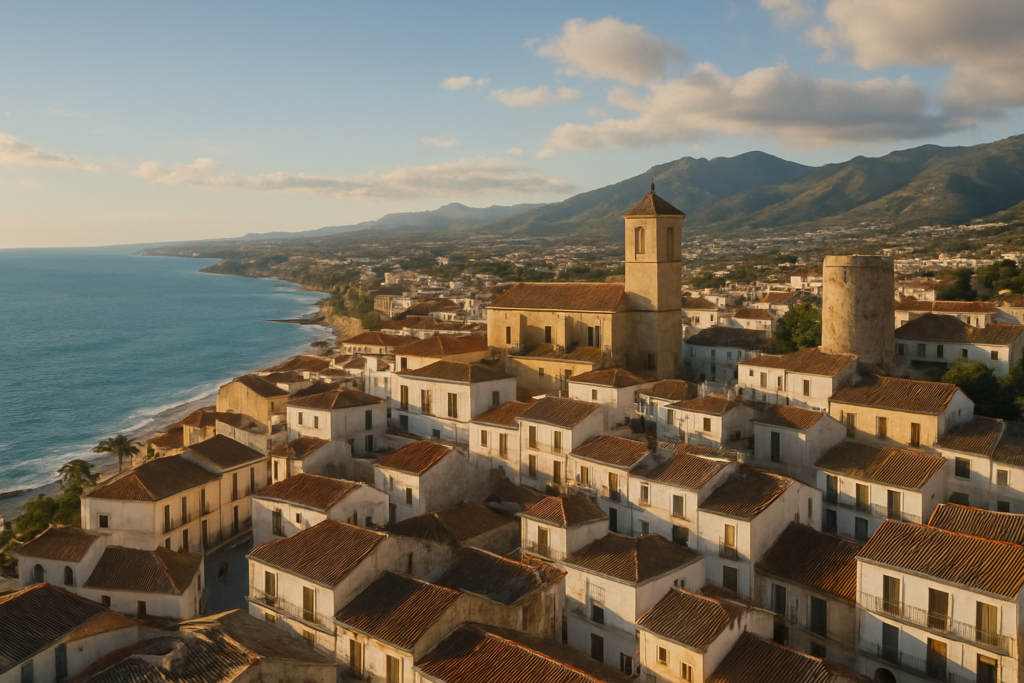
Coín at a glance
- Inland town in the Guadalhorce valley, Málaga province — a hinterland alternative to the Costa del Sol coast.
- Green setting fed by historic springs such as the Fuente de la Villa and rivers like the Río Grande.
- Whitewashed old quarter with notable churches including San Juan Bautista and Santa María de la Encarnación.
- Close to the Sierra de las Nieves (national park and biosphere reserve) — mountain access for walkers.
- Local economy shaped by huerta market gardens: citrus, almonds and olive oil feature in the food.
- Lively weekly market and traditional Andalusian fiestas — strong local culture rather than tourist spectacle.
- Popular with walkers and cyclists exploring valley tracks, river paths and natural swimming spots.
Things to do in the town
Activities orbit around the landscape and the town’s agricultural roots: explore the springs and huertas, stroll the whitewashed old quarter and visit churches, time a market day, or use the place as a quieter base for walking into the nearby Sierra de las Nieves. Below is a quick comparison of the main draws to help plan a day or two.
| Attraction | What it is | Price/entry | Best for |
|---|---|---|---|
| Fuente de la Villa and other springs | Historic public water sources that irrigate gardens and supply the town | – | Short walks, photography, cooler microclimate |
| Whitewashed old quarter | Historic streets with traditional houses and churches such as San Juan Bautista | – | Architecture, history, casual wandering |
| Río Grande and natural swimming spots | Rivers and pools in the surrounding countryside popular for swimming and picnics | – | Families, walkers, summer cooling |
| Weekly market | Local market selling produce and regional goods — a focus of town life | – | Food shoppers, cultural observers |
| Walking and cycling in the Guadalhorce valley | Network of tracks and riverside paths into farmland and toward the mountains | – | Active visitors, nature lovers |
| Sierra de las Nieves excursions | Access to a nearby mountain national park and biosphere reserve | – | Hikers, nature watchers |
Walk the whitewashed old quarter
The old quarter is compact and pedestrian-friendly. Narrow lanes open into small plazas and you’ll find the two churches highlighted locally: San Juan Bautista and Santa María de la Encarnación. These buildings form the historic spine of the town; they’re best appreciated on foot with stops for coffee or a simple snack in a neighbourhood bar. The overall feel is Andalusian and domestic rather than staged for tourists.
Explore the springs and huertas
Historic springs such as the Fuente de la Villa have long supplied water for the town and its gardens. The combination of huerta plots, springs and the mountain backdrop gives the area a surprisingly green character for inland Málaga, and the irrigation-fed market gardens are still visible driving or walking out of town. Look for irrigation channels and small orchards of citrus and almond trees as evidence of the valley’s farming tradition.
Day hikes and mountain access
Coín lies close to the Sierra de las Nieves, a mountain range designated a national park and biosphere reserve, which makes the town a sensible launching point for mountain walks. Trails vary in difficulty and length: some head up into cooler pine and limestone scenery, others follow valley tracks and river corridors. The area’s paths also attract cyclists who prefer quieter, rural routes compared with the coastal promenades.
Best beaches in the area
This place is inland; there are no beaches in town. The appeal here is green valley life and mountain access rather than sun-and-sea resorts. If you want the coast, the western Costa del Sol resorts are reachable for a day trip from here.
Coín with kids
Families can enjoy the town’s relaxed pace and outdoor options. Natural spring pools and river swimming spots in the surrounding countryside are seasonal highlights for children, while short, gentle walks through huerta land or around the old quarter work well with strollers and small legs. The weekly market is an easy, colourful outing where kids can watch local food and crafts being sold; it’s authentic rather than theme-park entertainment, so pace expectations accordingly.
How to get to the town and get around
The town’s inland location makes it a popular day trip from Málaga city and the western Costa del Sol resorts. It’s commonly reached by car, which is the most flexible way to arrive and to explore nearby springs, huerta lanes and mountain tracks. Once in town the centre and old quarter are best explored on foot; tracks to rivers and rural paths often require walking or cycling to access properly. The town’s position also makes it a practical base for excursions into the Sierra de las Nieves.
Where to stay in Coín
- Old quarter — suits travellers who want a short walking distance to churches, plazas and the market, and who prefer a compact, pedestrian experience.
- Outskirts/huerta fringes — good for visitors seeking proximity to orchards, quieter rural accommodation and easier access to walking or cycling routes.
- Near the approaches to the Sierra de las Nieves — pick this if you prioritise mountain access and early starts for hiking.
Best time to visit
The town’s inland, valley setting tends to be cooler than the immediate coast in summer mornings and evenings thanks to springs and elevation changes, while the mountain backdrop provides shade and fresher air. Spring and autumn are naturally comfortable for walking and outdoor activities when the huerta is active; summers are fine for early-morning walks, springs and shaded plazas but can be warmer inland than the coastal strip. Traditional Andalusian fiestas and the weekly market punctuate the local calendar and give visitors a sense of living culture rather than tourist programming.
History of the town
Water has shaped the settlement: historic springs such as the Fuente de la Villa have long supplied the town’s gardens and public spaces, and the Guadalhorce valley’s irrigation-fed huertas established agricultural prosperity. The whitewashed old quarter, with its churches—San Juan Bautista and Santa María de la Encarnación—reflects layers of Andalusian history where religious, agricultural and communal life centered on irrigated plots and water sources. Over time, the town maintained a rural identity even as nearby coastal resorts developed a different tourism economy.
Practical info
- Getting around: The town centre and old quarter are compact and best on foot; car is the most practical option to reach springs, rural swimming spots and mountain trailheads.
- Food and drink: Local gastronomy draws on citrus, olive oil, almonds and traditional Andalusian country cooking—expect market-fresh produce and simple, regional dishes rather than haute cuisine.
- Market and festivals: The weekly market and regular local fiestas are central to town life; they’re an excellent way to see everyday culture but schedules vary, so check locally for timings.
- Outdoor safety: Natural swimming spots on rivers and springs are popular in warm weather; conditions change with the seasons, so assess safety locally before entering water.
Worth it for: visitors who want a quieter, greener Andalusian experience—huerta landscapes, historic springs, an authentic old quarter and easy mountain access. Less so if: you’re seeking beaches, big-resort nightlife or heavily touristified attractions; the coastal towns are better for that.
How we assess this guide
This guide is assembled from verified local claims about springs, agriculture, churches, walking routes and the town’s regional context. We cross-checked facts about water sources, the town’s role in the Guadalhorce valley and proximity to the Sierra de las Nieves. We flag closures and material changes when sources indicate them; this piece does not include first‑hand field reporting but is grounded in reliable regional information to help set accurate expectations for visitors.
Nearby on the Costa del Sol
Towns near Coín
- Alhaurín el Grande — 7 km south-east, a whitewashed Costa del Sol town in the Guadalhorce valley
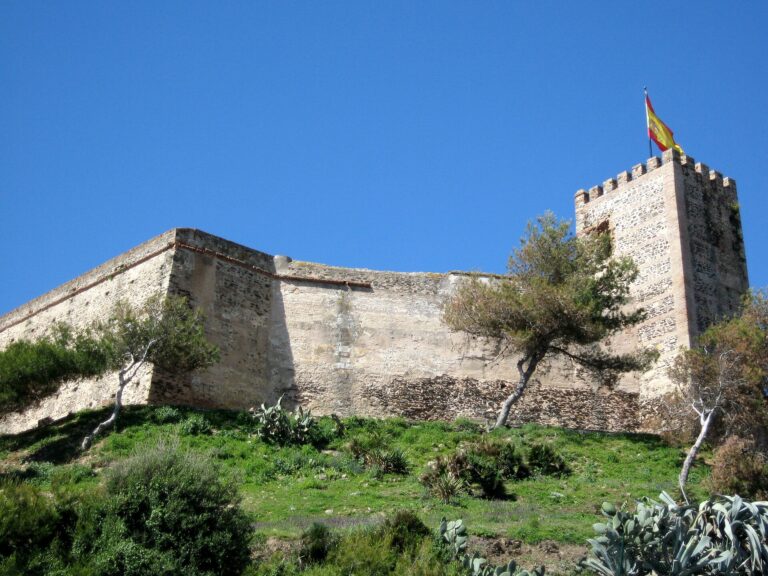
- Cártama — 13 km north-east, a hilltop Roman-Moorish castle
- Mijas — 13 km south-east
- Alhaurin de la Torre — 17 km east, a Costa del Sol town below the Sierra de Mijas
- Fuengirola — 18 km south-east, Fuengirola on the Costa del Sol is a family-friendly beach
- Álora — 19 km north, a white town in Málaga's Guadalhorce valley
Places to visit within reach
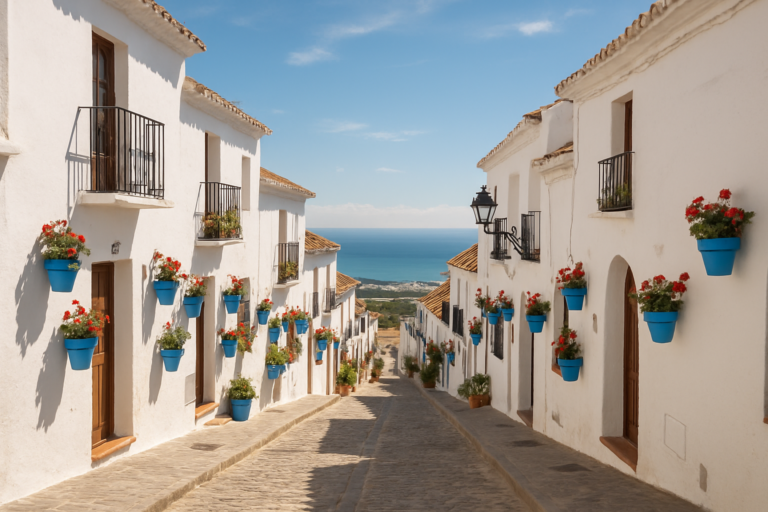
- Mijas Pueblo — 13 km, Mijas Pueblo is a classic white hill village above the coast
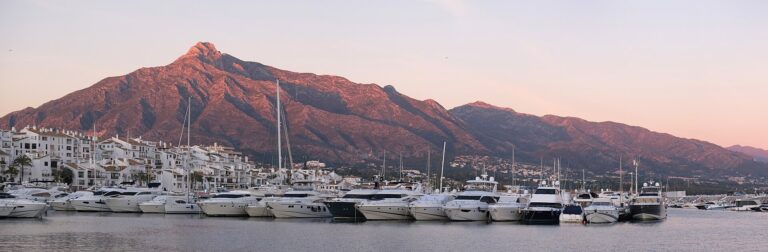
- Sierra Blanca — 16 km, La Concha shields Marbella and creates its microclimate
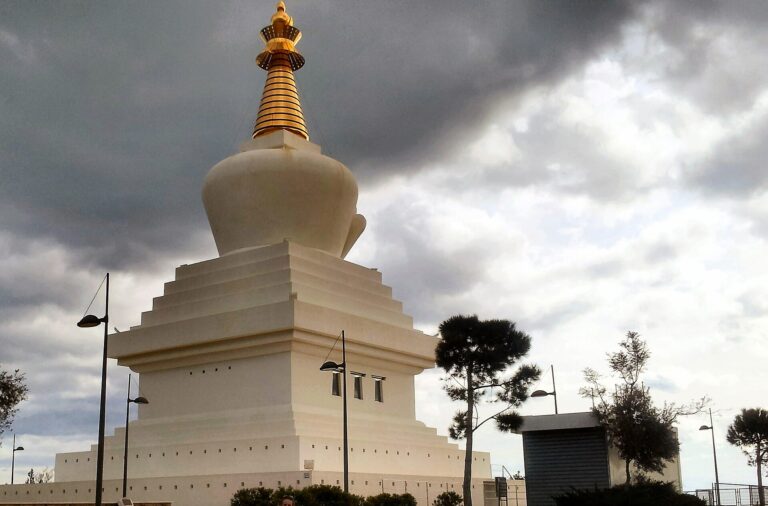
- Benalmádena Stupa — 18 km, Europe’s tallest stupa was the last project of a Bhutanese master
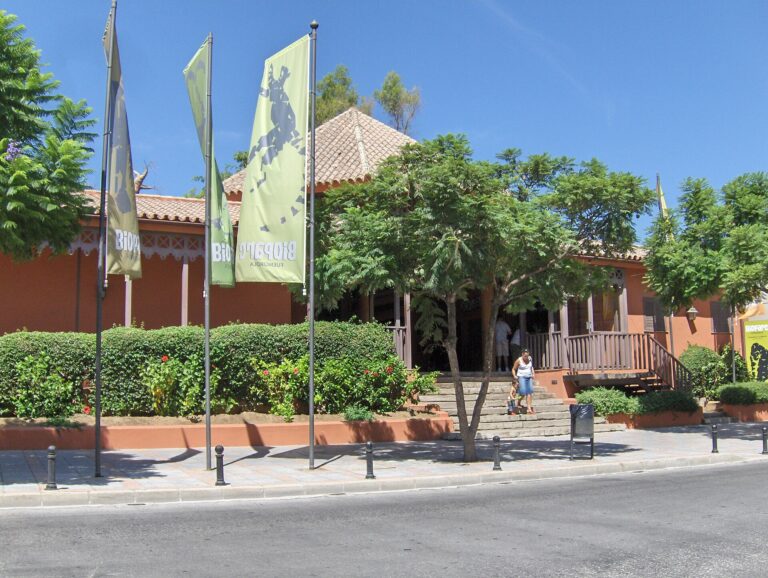
- Bioparc Fuengirola — 18 km, Fuengirola’s old zoo was demolished in 1999 and rebuilt without cages
For the wider picture, see the Costa del Sol guide, which lists every town on this coast.
Frequently asked questions
How do I get from Málaga to Coín?
The town is easily reached from Málaga city and the western Costa del Sol resorts, making it a common day trip. Most visitors travel by car for flexibility; local public transport and organised tours can also connect the area but schedules vary, so check transport options ahead of time.
Is Coín expensive to visit?
The town leans toward everyday Andalusian life rather than tourist-priced services. Food is focused on local produce—citrus, almonds and olive oil—and market shopping or traditional country cooking tends to be good value compared with resort dining. Specific prices for services or menus are not included here; expect typical inland Málaga province costs rather than coastal premium rates.
Which nearby beach is best if I want to combine coast and country?
This place has no beaches; it’s inland. The western Costa del Sol resorts along the coast are reachable for a day trip if you want to combine the town’s green valley experience with a beach day on the coast.
How many days do I need?
A one-day visit covers the old quarter, the springs and the market comfortably. Two to three days lets you add relaxed walks, a river swim, and a half-day excursion into the nearby Sierra de las Nieves for mountain scenery.
Is Coín good for families with children?
Yes—families enjoy shallow river pools and springs in warm months, easy short walks and market outings. The experience is low-key and outdoors-focused rather than theme-park style; plan around seasonal weather for river activities.
Can I get around without a car?
You can explore the town centre and old quarter on foot. To reach rural springs, huerta lanes and mountain trailheads, a car provides much more flexibility. Public transport connections exist from the wider Málaga area, but schedules and coverage should be checked in advance.
Is parking available?
Streets and public car parks serve the town, and parking near the old quarter is generally possible, though specific locations and any charges are subject to local management. For rural access and trailheads, roadside parking is typical where permitted.
What are rainy-day options?
The town’s core attractions are streets, churches and markets, which can still be enjoyed in light rain with appropriate clothing. Museum-style indoor options are limited compared with larger cities; consider a leisurely meal, local food shops or a short drive to bigger towns on wet days.
When is the weekly market?
The town has a lively weekly market that’s central to local life. Exact days and locations can change, so check local listings or ask at your accommodation for the current schedule during your stay.
What festivals should I look out for?
Traditional Andalusian fiestas form part of the town’s calendar and bring music, food and communal gatherings. Festival timing varies; inquire locally for dates and what to expect while you’re in town.
Are there guided walks or cycling routes?
The area is popular with walkers and cyclists who use valley tracks and riverside paths. Local businesses and tourist information points can advise on marked paths and suitable routes; the proximity to the Sierra de las Nieves also expands options for guided mountain walks.
Is the water supply historically significant?
Yes. Historic springs such as the Fuente de la Villa have long supplied the town’s water and gardens, and the irrigation tradition of the huerta is central to the area’s historical development.
What local food specialties should I try?
Local gastronomy features citrus (especially oranges and lemons), olive oil, almonds and traditional Andalusian country cooking. Look for market-fresh fruit, simple olive-oil-based dishes and almond-forward sweets or snacks that reflect local agriculture.
Is it easy to combine a visit here with the Sierra de las Nieves?
Yes. The town lies close to the Sierra de las Nieves national park and biosphere reserve, making it a practical base for mountain excursions and nature-focused day trips.
How accessible are the natural swimming spots?
Natural springs and rivers such as the Río Grande create lush countryside and popular swimming spots. Accessibility varies: some are a short walk from town while others require a longer approach on foot or by car, so plan according to fitness and season.
Plan the wider trip
- Costa del Sol guide
- Torrox: Best Climate in Europe, Costa del Sol
- Vélez-Málaga: Capital of the Axarquía Near Costa del Sol
- Antequera: UNESCO Dolmens and El Torcal
- Mijas
- Ronda
Coin on the map
Places worth knowing near Coin
How this page is maintained. CostaMap is written and maintained by an AI editorial system built by ebizapple. Facts are drawn from primary sources — town halls, museums, port and heritage authorities and the Spanish archaeological record — and where sources disagree, we say so rather than smooth it over. Photographs marked as ours are taken on location. This page was last reviewed on 15 August 2026. Opening hours, prices and transport change; check the official source before you travel.