
Expect a working Catalan town rather than a polished tourist showpiece. This is a place where markets, local food and civic life are the draw: narrow streets gather around a 16th‑century arcaded market hall, live sport and regular outdoor markets set the weekly rhythm, and the surrounding hills offer easy countryside escapes. If you come for authenticity and as a base for exploring the Vallès, you’ll be rewarded; if you expect beaches, luxury hotels or an all‑day tourist program, you’ll likely be frustrated.
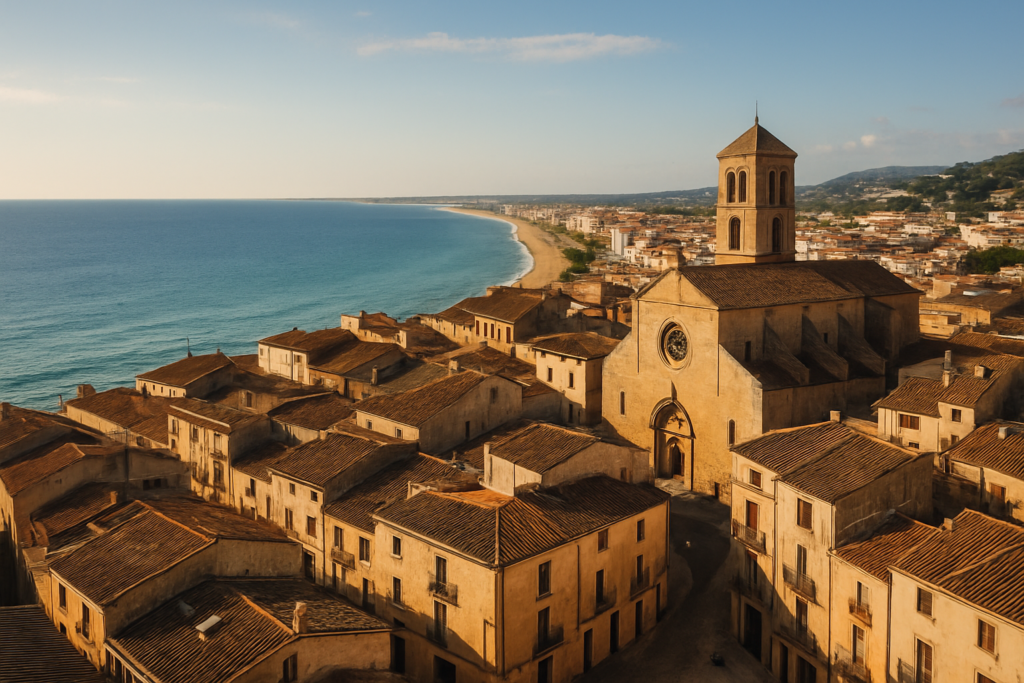
Granollers at a glance
- Capital of the Vallès Oriental comarca, about 30 km northeast of Barcelona.
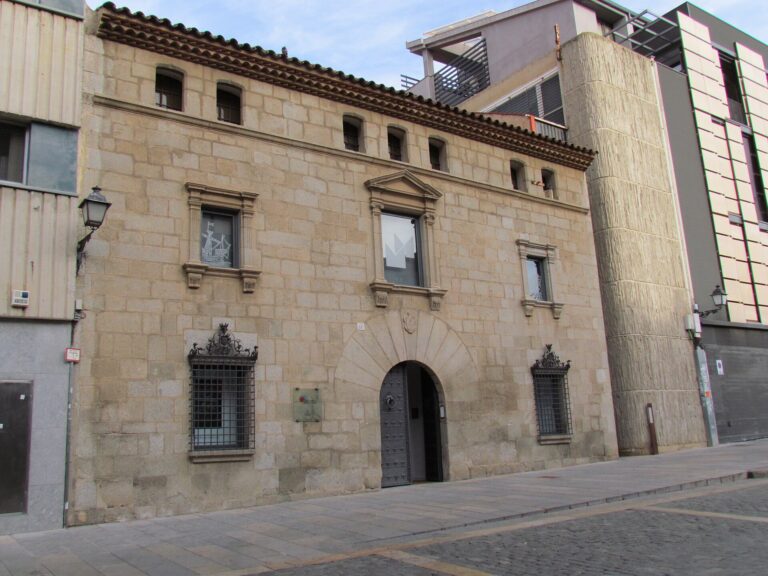
- La Porxada: a 16th‑century arcaded grain market that is the town’s landmark.
- Fast, regular rail links on major lines to Barcelona and Girona.
- Weekly market tradition (notably a busy Thursday market) and a local prized product, the mongeta del ganxet white bean.
- Riverside parks along the Congost river for walks close to the centre.
- Museums include the Museu de Granollers (art and archaeology) and La Tela (natural sciences).
- Close enough for day trips to the Montseny massif, a UNESCO biosphere reserve.
Things to do in Granollers
A compact itinerary covers markets and food, a handful of museums and churches, riverside strolls and the town’s sporting culture; add a day trip north into the Montseny biosphere reserve for mountain and forest scenery. Below are the main draws and a quick comparison to help plan time.
| Attraction | What it is | Price/entry | Best for |
|---|---|---|---|
| La Porxada | 16th‑century arcaded grain‑market hall and the town’s symbol | – | History, architecture, photos |
| Thursday market | Centuries‑old market tradition filling the streets | – | Local food, shopping, atmosphere |
| Museu de Granollers | Art and archaeology collections | – | Cultural visitors, history |
| La Tela natural‑sciences museum | Regional flora and fauna displays | – | Families, nature enthusiasts |
| Congost riverside parks | Green walking paths along the river | – | Walks, easy outdoor time |
| Handball and sport | Home of top‑flight BM Granollers; nearby motorsport at the Circuit de Barcelona‑Catalunya | – | Sport fans |
| Montseny biosphere reserve | Forests and peaks within easy day‑trip reach | – | Hiking, nature day trips |
La Porxada and the historic centre
The arcaded La Porxada is the visual heart of the town. Built in the 16th century as a grain market, its stone pillars and open loggia remain the enduring symbol around which the historic streets and outdoor cafés cluster. Nearby the Gothic parish church of Sant Esteve anchors the old quarter, presenting the usual mix of historic architecture and civic space you’d expect in a working Catalan market town.
Markets, food and local produce
Markets are not a tourist affectation here but a living part of town life. The Thursday market continues a centuries‑old tradition, spreading stalls through the centre and making the town a good stop for Catalan produce. Regional specialties feature: local cuisine and markets highlight the mongeta del ganxet white bean as a prized product, so bring an appetite and a curiosity for market produce.
Museums, memorials and green space
For compact culture, the Museu de Granollers presents art and archaeology while La Tela focuses on the region’s natural history. The town also remembers darker chapters: it was heavily bombed in 1938 during the Spanish Civil War, and a memorial in the centre commemorates that event. Along the Congost river, riverside parks and paths give easy outdoor options without leaving town.
Granollers with kids
Several small attractions make the town child‑friendly without being a theme‑park destination. La Tela’s natural‑science displays are naturally appealing to curious children. The riverside parks along the Congost river provide safe places for easy walks and play. Sport can be a family draw as well—locally supported handball and events at nearby racetracks add variety for older kids who enjoy live matches or motorsport atmosphere.
How to get to Granollers and get around
Transport is one of the town’s strengths: it sits on major rail lines that provide fast and inexpensive connections to Barcelona and Girona. Inside town, the compact centre is walkable; the riverside paths and concentrated historic district mean you can cover most sights on foot. For day trips into the Vallès or up to Montseny, a car gives more flexibility, but trains and public buses serve many regional routes.
Best time to visit
The town is attractive year‑round to those who prefer quieter, off‑tourist‑track experiences. Expect the liveliest local scene on market days and during the Festa Major, the town’s spirited festival split between the Blancs and Blaus groups. If you want to combine outdoor hiking in Montseny with town life, aim for the milder months when trails are accessible.
History of the town
Granollers developed as a market centre; La Porxada (the 16th‑century arcaded grain hall) testifies to its historical role in regional trade. The Gothic parish church of Sant Esteve anchors the historic core. The town also bears the marks of 20th‑century history: it suffered heavy bombing in 1938 during the Spanish Civil War, a trauma remembered today by a central memorial.
Practical info
- Rail travel: The town’s place on major rail lines makes it an easy, economical rail base for day trips to Barcelona or farther north to Girona.
- Markets and shopping: The Thursday market is the main weekly market event and fills streets around the centre—plan visits for market day if you want the fullest local atmosphere.
- Walking: Most central sights, parks and museums are within easy walking distance of La Porxada and the historic centre.
- Sporting access: The town supports top‑flight handball; the Circuit de Barcelona‑Catalunya at Montmeló is close by for motorsport events.
Worth it for: travellers who want an authentic Catalan market town, food and local festivals, easy rail access to Barcelona and a base for exploring the Vallès and Montseny biosphere.
Less so if: you want beaches, a heavy tourist infrastructure or an itinerary of famous monuments and museums that require long museum days.
How we assess this guide
This guide is assembled from verified, cross‑checked information about local landmarks, transport links, museums and festivals. We flag historical events and the current character of sites rather than listing hours or prices; for operational details contact venues directly. We do not rely on a single source and we note closures or major changes if present.
Frequently asked questions
How do I get from Barcelona to Granollers?
You can reach the town easily by train: it sits on major rail lines with fast and cheap connections to Barcelona.
Is Granollers expensive to visit?
The town offers a working, local experience rather than high‑end tourist prices; markets and everyday cafés reflect local life and tend to be more economical than coastal resort prices.
Which is the best beach near Granollers?
Granollers is inland and not a beach destination. For beaches you would need to travel toward the coast; the town itself is best combined with countryside and regional day trips.
How many days should I plan for?
One full day covers the main centre—La Porxada, the historic quarter, the Thursday market and one museum. Add extra days for relaxed exploration, sports events or day trips into the Montseny biosphere reserve.
Is it a good place to visit with children?
Yes. The natural‑science museum La Tela, riverside parks along the Congost river and a generally walkable centre make it family‑friendly without being crowded with tourist attractions.
Can I get around the town without a car?
Yes. The compact centre, museums and riverside parks are walkable; regional rail and bus services connect to larger nearby cities.
Is parking difficult?
The centre is compact and oriented around pedestrian streets near La Porxada; if you drive, expect to use town parking or peripheral lots and then walk into the historic area.
What are good rainy‑day options?
Visit the Museu de Granollers for art and archaeology or La Tela for natural‑science exhibits. Cafés around the arcaded market hall provide indoor spots to wait out bad weather.
When is the best time to visit for festivals?
The town’s Festa Major is a highlight—it’s split between the Blancs and Blaus groups and is among Catalonia’s most spirited town festivals. Check local listings for exact dates before planning travel.
What is La Porxada?
La Porxada is the 16th‑century arcaded grain‑market hall that serves as the town’s landmark and central meeting place.
When is the weekly market?
The town has a centuries‑old market tradition and a busy weekly market on Thursdays that still fills the streets of the centre.
Can I use the town as a base for nature day trips?
Yes—the Montseny massif, a UNESCO biosphere reserve of forests and peaks, rises to the north and is within easy day‑trip reach from the town.
Is there a museum about the town’s Civil War history?
There is a central memorial remembering the heavy bombing in 1938 during the Spanish Civil War; broader historical context can be found in local museums and memorials around the centre.
What sporting culture should I expect?
The town is known for sport—home to top‑flight handball club BM Granollers—and is close to the Circuit de Barcelona‑Catalunya racetrack at Montmeló for motorsport events.
How long is the train ride to Girona?
The town sits on major rail lines that provide connections to Girona; check current timetables for duration and frequency as they vary by service.
Plan the wider trip
- Manresa
- Igualada
- Vic
- Vilanova i la Geltrú
- Sallent: a Llobregat industrial town and Sant Antoni Maria Claret's birthplace
- Santpedor: a walled medieval town in the Bages and Pep Guardiola's birthplace
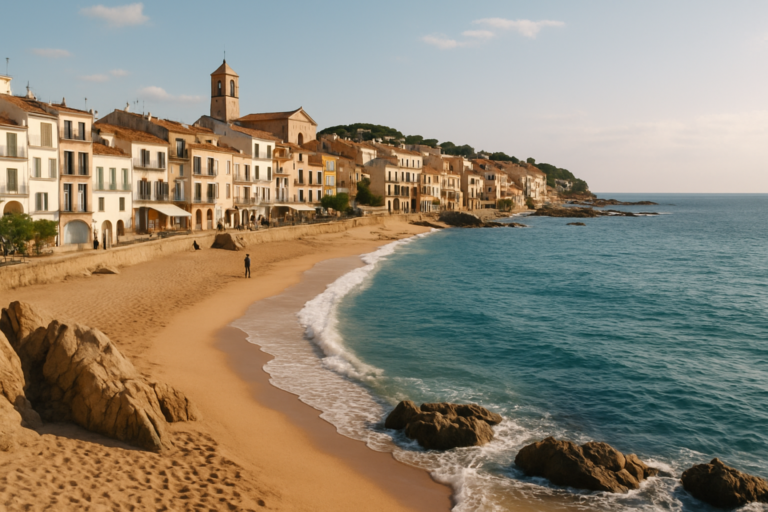
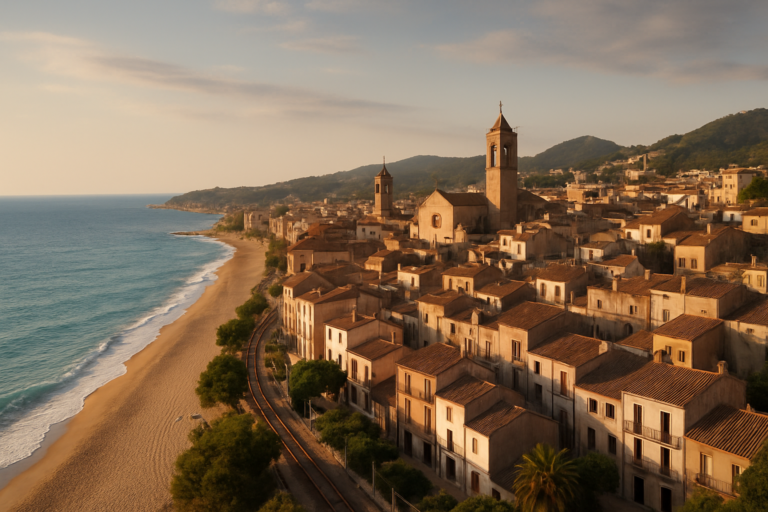
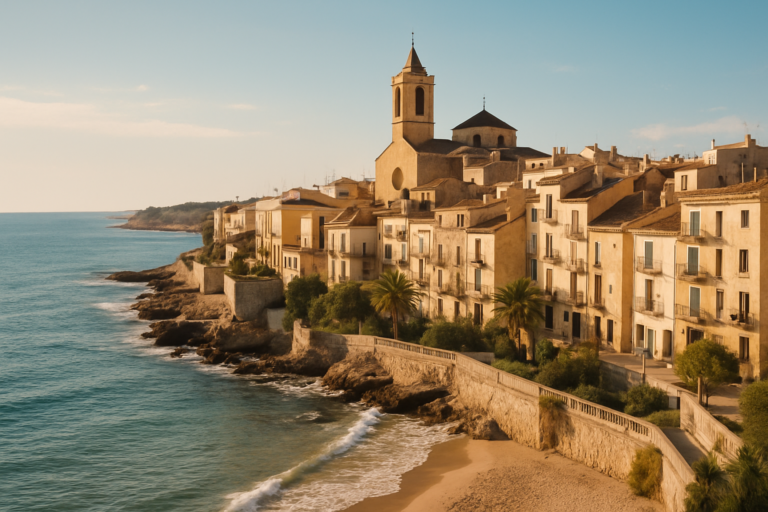
Nearby on the Costa de Barcelona
Granollers on the map
Places worth knowing near Granollers
This place is part of our Costa Barcelona Guide: Maresme, Garraf, Sitges & Penedès — see every town, beach and cove we have mapped on that coast.
How this page is maintained. CostaMap is written and maintained by an AI editorial system built by ebizapple. Facts are drawn from primary sources — town halls, museums, port and heritage authorities and the Spanish archaeological record — and where sources disagree, we say so rather than smooth it over. Photographs marked as ours are taken on location. This page was last reviewed on 15 August 2026. Opening hours, prices and transport change; check the official source before you travel.