
Expect a working riverside town that doubles as the practical gateway to one of the Mediterranean’s most important wetland systems. You won’t find a glamourous seaside resort here; you’ll find riverfront life, rice fields, a strong tradition of delta cuisine and easy access to long, quiet beaches and superb birdwatching. Use the town as your base for the Ebro Delta rather than expecting Amposta itself to be the holiday highlight.
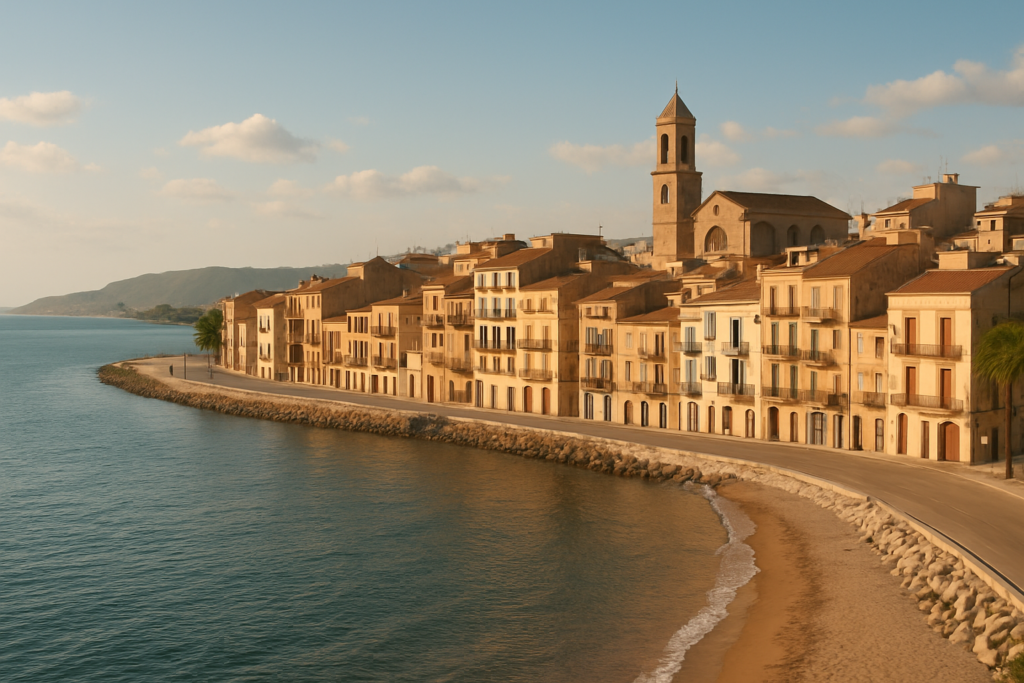
Amposta at a glance
- Main entry point for visits to the Ebro Delta Natural Park and nearby lagoons.
- Historic landmark: the Pont Penjat suspension bridge (built 1921) is the town emblem.
- Rice cultivation dominates the surrounding landscape; local cooking emphasises rice dishes and seafood.
- Boat trips on the Ebro and through delta channels depart from the area around the town.
- Flat terrain and mapped cycling/birdwatching routes make it ideal for gentle outdoor activity.
- Good road access: lies on the N-340 and close to the AP-7 motorway; about 85 km southwest of Tarragona.
- Local culture includes a Festa Major and traditional river- and delta-related events.
Things to do in Amposta
Amposta is a small town, so most visitors use it as a base for the delta rather than expecting many big attractions. Still, there are compact, high-quality experiences here: an evocative suspension bridge, a museum that explains the region’s natural and archaeological story, medieval history tied to the Templars and Hospitallers, and easy access to boat trips and birdwatching routes. Plan activities around the delta’s rhythm—rice fields, tides and migratory birds.
| Attraction | What it is | Price/entry | Best for |
|---|---|---|---|
| Pont Penjat | Early 20th‑century hanging suspension bridge over the Ebro | – | Photography, short riverside walks |
| Castell d’Amposta | Former Templar/Hospitaller commandery with medieval roots | – | History and castle interest |
| Museu de les Terres de l’Ebre | Museum covering natural history and archaeology of the delta | – | Families, weatherproof activity |
| Boat trips on the Ebro and delta lagoons | Guided or leisure boat trips departing from the town area | – | Birdwatchers, photographers, nature lovers |
| Delta cycling and birdwatching routes | Flat paths and minor roads through rice fields and lagoons | – | Active travellers, families |
Explore the riverside: Pont Penjat and the Ebro banks
The Pont Penjat, built in 1921, is the town’s emblem and a compact must-see. Stroll the Ebro banks to get a sense of river-town life and to spot boat trip departure points. Riverside walks are short and flat, which suits gentle pacing and photography; they’re also how most visitors connect to the delta boat excursions.
History and culture: Castell d’Amposta and local traditions
The Castell d’Amposta reflects the town’s medieval importance as a Templar commandery that later passed to the Hospitallers. The town’s Festa Major and riverside festivals celebrate river and delta life; timing your visit to local events gives you a clearer picture of the area’s cultural rhythms.
Learn the landscape: Museu de les Terres de l’Ebre
The regional museum interprets the natural history and archaeology of the delta and surrounding lands. It’s the best place to understand how rice cultivation, tidal lagoons and human settlement have shaped the local environment—especially useful before heading out into the protected park.
Best beaches in the area
The Ebro Delta’s beaches are long, largely unbuilt sands linked to natural lagoons rather than high‑rise developments. From the town you can reach several quiet stretches without the crowds found on major Costa Dorada resorts.
| Beach | Character | Facilities / Blue Flag |
|---|---|---|
| Platja dels Eucaliptus | Long, unspoilt sandy shoreline | – |
| Riumar | Expansive sands at the delta’s edge, quiet atmosphere | – |
Amposta with kids
The flat terrain, short distances and outdoor focus make the town and the delta well suited to families who like nature. Boat trips through the lagoons are an easy way to get children excited about wildlife, and the museum offers a shelter option for rainy hours. Beaches nearby are broad and shallow in places, which helps with family beach days. Keep in mind there are no theme-park-scale attractions here; the draw is outdoor time and wildlife.
How to get to Amposta and get around
Road access is the most practical approach. The town lies on the N-340 and is near the AP-7 motorway, which makes it straightforward to reach by car. Once here, cycling and short drives are the usual ways to explore the delta; many of the main routes are flat and suited to casual riders. Boat trips depart from the riverside area for exploration into the delta lagoons.
| From | By | Approx time |
|---|---|---|
| Tarragona | By car | About 85 km |
Where to stay
Accommodation around the town tends to be low-rise and practical; the important choice is whether you want to be in the riverside town itself or closer to the delta’s beach strips and nature areas. Staying in town gives you restaurants and services within walking distance; staying nearer Riumar or the delta beaches places you closer to beach mornings and longer sunsets over the rice fields.
Best time to visit Amposta
The delta’s key attractions—bird migration and rice-field landscapes—define the best seasons. Spring and autumn are particularly attractive to birdwatchers due to migratory movements; summer is the pick for swimming and beach time when the sands are at their warmest. Festivals and local events tied to river life occur during the year, and checking local calendars can enrich a visit.
| Season | Months | What to expect |
|---|---|---|
| Spring | – | Prime for birdwatching and mild outdoor activity |
| Summer | – | Beach season; busiest time on the sands |
| Autumn | – | Good for migration watching and quieter trails |
History of the town
The settlement’s historic footprint includes a medieval commandery: the Castell d’Amposta served as a Templar stronghold and later became associated with the Hospitallers. That medieval legacy sits alongside the town’s more modern identity as a river port and the practical gateway to the Ebro Delta, with infrastructure such as the Pont Penjat marking the 20th‑century river crossings.
Practical info
- Parking: As a compact river town, parking is generally available near the riverfront and town centre; if you plan to use the town as a base for the delta, expect to park and walk or cycle to boat departure points.
- Connectivity: Road links are strong—N-340 runs through the area and the AP-7 motorway is nearby—so a car is the most flexible way to visit surrounding beaches and delta sites.
- Mobility: The delta’s flat terrain and mapped cycling routes make it especially accessible for people who can cycle or walk moderate distances; the main town attractions are also close to each other.
- Food: Local cuisine emphasises rice dishes and seafood, reflecting the dominant rice cultivation and fishery economy of the delta.
Worth it for: Nature lovers who want easy access to a high‑value Mediterranean wetland, birdwatchers, and travellers who prefer quiet beaches and outdoor activity over resort bustle. Less so if: You want nightlife, big museums or a high-energy beach resort—those experiences are better found in larger Costa Dorada towns.
How we assess this guide
This guide synthesises verified regional facts—geography, protected status, local landmarks and transport links—cross-checked against multiple reliable sources. We flag the town’s current operating attractions and do not present closed venues as open. This is a researched, editorial guide rather than first‑hand field reporting; where precise prices or opening hours are not universally documented, we omit them rather than guess.
Nearby on the Costa Dorada
Towns near Amposta
- La Ràpita — 10 km south, a fishing port on Alfacs bay beside the Ebro Delta
- Tortosa — 12 km north-west, a historic Ebro-river city in Tarragona
- Vinaròs — 28 km south, the famed langostino king prawn, the fortified old-town church
- Benicarló — 35 km south
- Peníscola — 42 km south, the Papa Luna castle, the walled old town
- Santa Magdalena de Polpís — 46 km south-west
Places to visit within reach
- Ebro Delta — 11 km, The Ebro Delta is the Costa Dorada’s wild southern edge
- Peñíscola Castle — 42 km, A pope who refused to accept his own excommunication ran
For the wider picture, see the Costa Dorada guide, which lists every town on this coast.
Frequently asked questions
How do I get from the nearest major city to the town?
By road. The town lies on the N-340 and is near the AP-7 motorway; it is about 85 km southwest of Tarragona, so driving or a car-based transfer is the most straightforward option.
Is it expensive to visit?
Costs depend on season and accommodation choice. The area’s appeal is natural and outdoor activities—boat trips, cycling and beach days—rather than premium nightlife or luxury resorts, so travellers can tailor spending to budget or comfort preferences.
Which beach is best for families?
Riumar and the Eucaliptus stretch offer long sands and a quieter beach experience suited to families. The delta beaches are generally more natural and less developed than mainstream resort beaches.
How many days should I allow to explore the delta from the town?
Plan at least two full days to combine a boat trip, some birdwatching and time on the beaches. Add more days if you want extended cycling circuits or slower birdwatching sessions.
Is Amposta good for children?
Yes—flat cycling routes, short boat trips and wildlife viewing are family-friendly. The regional museum also provides a dry-day option for children interested in natural history and archaeology.
Can I get around without a car?
Local exploration—museum, bridge and riverside—is walkable. To reach multiple beaches or to explore the delta in depth, a car or organised boat/cycle excursions will be far more practical.
Is there parking near the river and main attractions?
Yes. The town is compact and has parking options near the riverfront and main streets, which will be your starting point for boat trips and walks.
What are rainy-day options?
The Museu de les Terres de l’Ebre is the key indoor option for learning about the delta’s natural and archaeological context. Town cafés and local restaurants also offer comfortable downtime.
When is birdwatching best?
Spring and autumn are the main migratory seasons and are particularly rewarding for birdwatching; the delta supports flamingos, herons and many other migratory species in its lagoons and rice fields.
Are there organised boat trips from the town?
Yes. Boat trips on the Ebro and through the delta lagoons depart from the riverside/area around the town and are the usual way to access the protected wetlands.
Is the Ebro Delta protected?
Yes. The delta is protected as a natural park and forms part of a UNESCO biosphere reserve area, which shapes conservation and visitor access policies.
What local foods should I try?
Look for rice-based dishes and seafood specialities—rice cultivation dominates the delta landscape and has shaped local cuisine.
Are there good cycling routes?
Yes. The delta’s flat terrain is crossed by cycling and birdwatching routes that suit gentle outdoor activity and family riding.
Does the town celebrate local festivals?
Yes. The town holds a Festa Major and other traditional events tied to river and delta life—these provide cultural context and lively local experiences.
What historic sites are worth visiting?
The Castell d’Amposta, notable for its Templar and later Hospitaller commandery history, and the Pont Penjat are the main historic focal points within the town.
Plan the wider trip
Amposta on the map
How this page is maintained. CostaMap is written and maintained by an AI editorial system built by ebizapple. Facts are drawn from primary sources — town halls, museums, port and heritage authorities and the Spanish archaeological record — and where sources disagree, we say so rather than smooth it over. Photographs marked as ours are taken on location. This page was last reviewed on 11 August 2026. Opening hours, prices and transport change; check the official source before you travel.