
Expect a low-key Atlantic coast experience rather than a flashy Mediterranean resort. This part of western Andalusia is about marshes and sandbars, pine-backed beaches, small-town whitewashed streets and seafood rather than sunbed-packed promenades. If you need organized nightlife, skyline hotels or endless tourist infrastructure, look elsewhere; if you want quiet beaches, birdlife and a handful of seaside villages to explore, you’re in the right area.
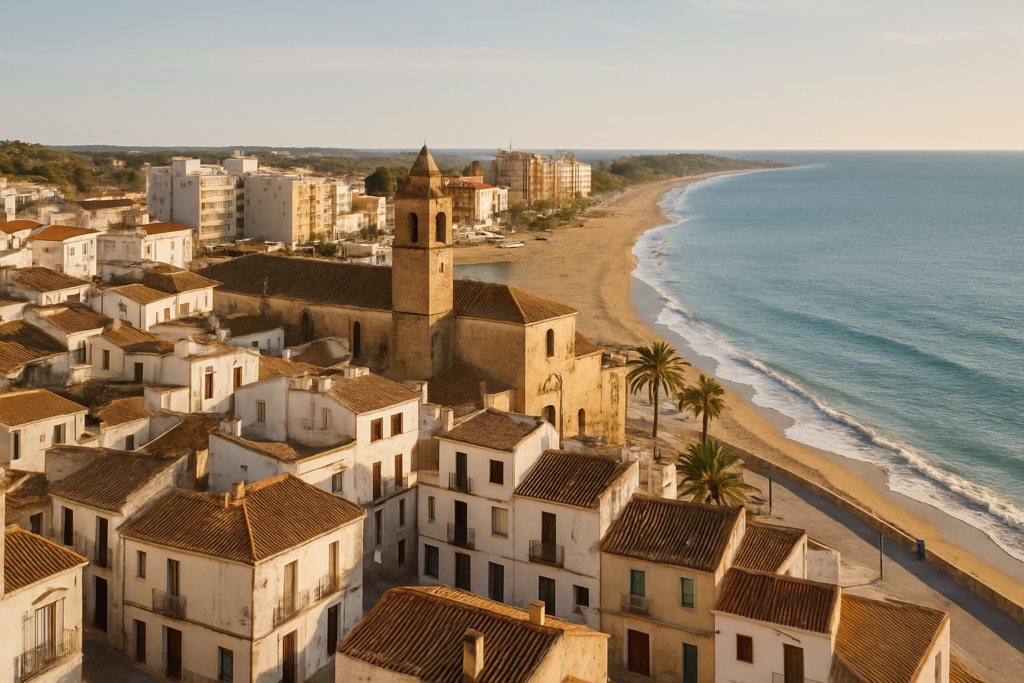
Cartaya at a glance
- Coastal municipality on the Costa de la Luz in Huelva province, western Andalusia.
- El Rompido and Nuevo Portil are the main beach resorts: sandbars, pine-backed shores, a marina and golf at El Rompido; wide golden sands and a marina at Nuevo Portil.
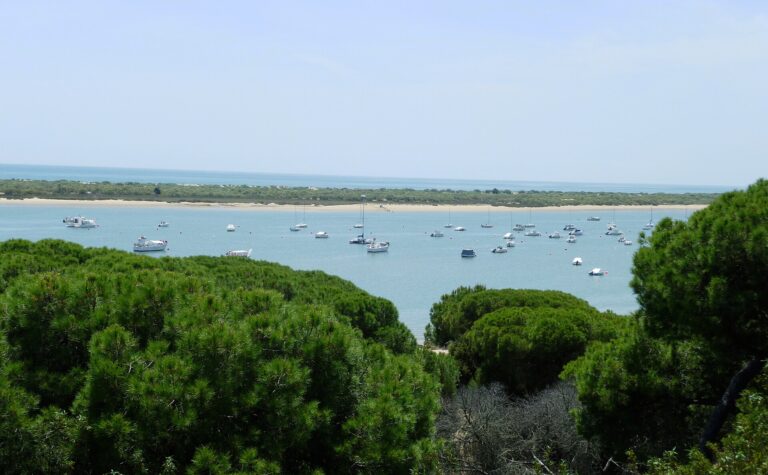
- Nature: the Río Piedras, the Flecha de El Rompido sandbar and surrounding marshes form a protected natural area with rich birdlife.
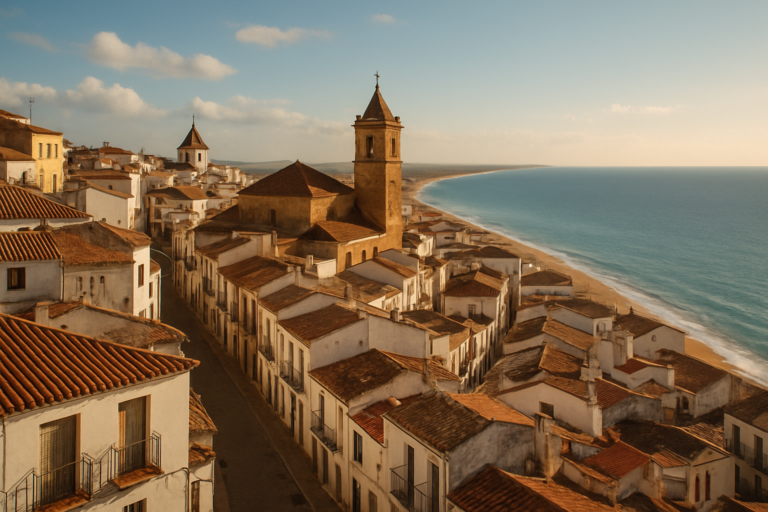
- Historic centre with restored medieval Castillo de los Zúñiga and the parish church of San Pedro amid traditional white Andalusian architecture.
- Good base for exploring the Costa de la Luz coastline and the nearby Doñana National Park region.
- Easy road access: the town sits on the A-49 motorway, about 25 km west of Huelva city and close to the Portuguese border.
Before you plan
None of the venues listed here are flagged as permanently closed in our sources. The sandbar beach at El Rompido (the Flecha) is accessible only by water or by a long walk; plan logistics accordingly rather than expecting a car route.
Things to do in Cartaya
Activity here divides into three broad categories: simple seaside time (sandy beaches and pine-backed dunes), nature-based outings in the marshes and river mouth, and small‑town cultural stops in the old town and local resorts. You won’t find theme parks or major museums, but you will find good seafood, quiet stretches of Atlantic sand and a protected natural perimeter that rewards binoculars and slow walking.
| Attraction | What it is | Price/entry | Best for |
|---|---|---|---|
| El Rompido and the Flecha sandbar | Seaside resort with marina and long sandbar only reached by boat or long walk | – | Beach lovers, walkers, birdwatchers |
| Marismas del Río Piedras y Flecha del Rompido | Protected marshland and river mouth with rich birdlife and walking | – | Nature lovers, photographers |
| Castillo de los Zúñiga | Restored medieval castle overlooking the town | – | History buffs, photographers |
| Nuevo Portil | Beach resort with wide golden Atlantic sands and a marina | – | Families, sunbathers |
| Local gastronomy | Fresh Atlantic seafood, Huelva prawns and nearby Iberian ham | – | Food-focused travellers |
El Rompido and the Flecha sandbar
A short hop from the town centre, the resort at the river mouth is dominated by a long sandbar — locally known as the Flecha — that protects a calm stretch of water behind the outer spit. The sandbar itself is not reachable by car; visitor access is by boat trips that cross the river mouth or on foot for those willing to take a long walk. The village by the marina is relaxed rather than busy, and there are golf facilities nearby if you want to combine beach time with a round on the green.
The marshes and the Río Piedras
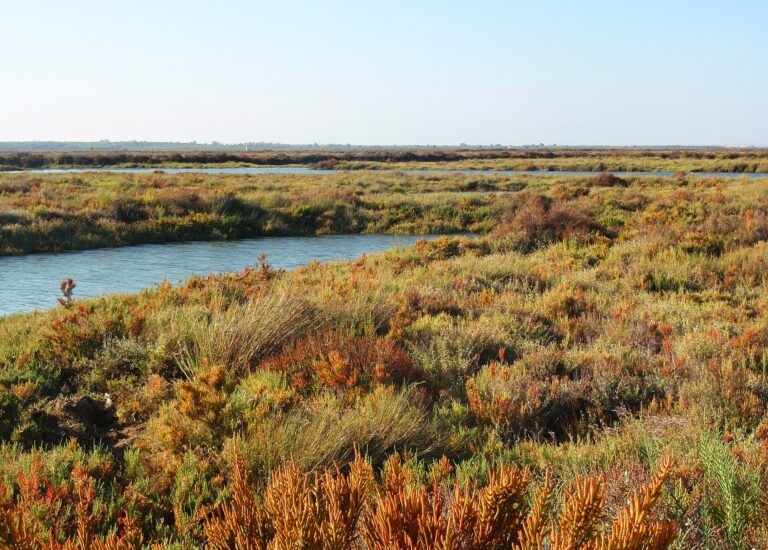
The Marismas del Río Piedras y Flecha del Rompido is a protected natural area wrapping the river mouth and sandbar. Expect marshes, tidal channels and reedbeds that attract waders, waterfowl and other birds; the environment is best experienced at a walking pace and with binoculars. This landscape sets the tone for the local coast — not the rocky coves and superheated sand of the Mediterranean but cool Atlantic water and quieter beaches backed by pines.
Cartaya old town and the castle
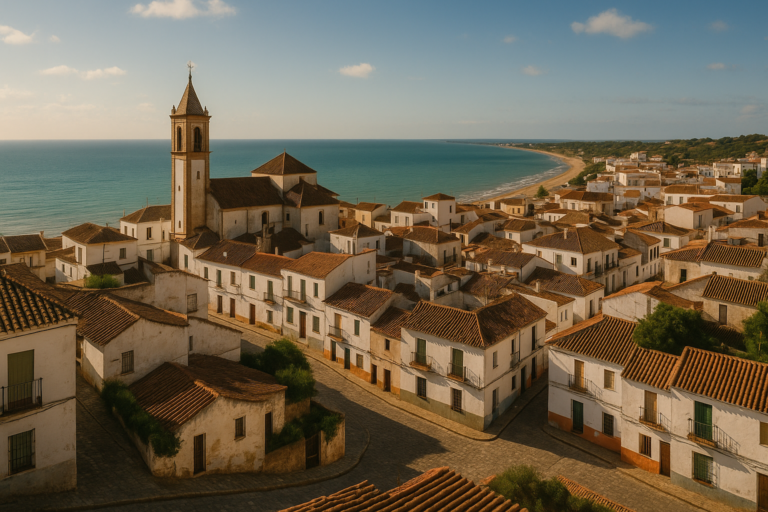
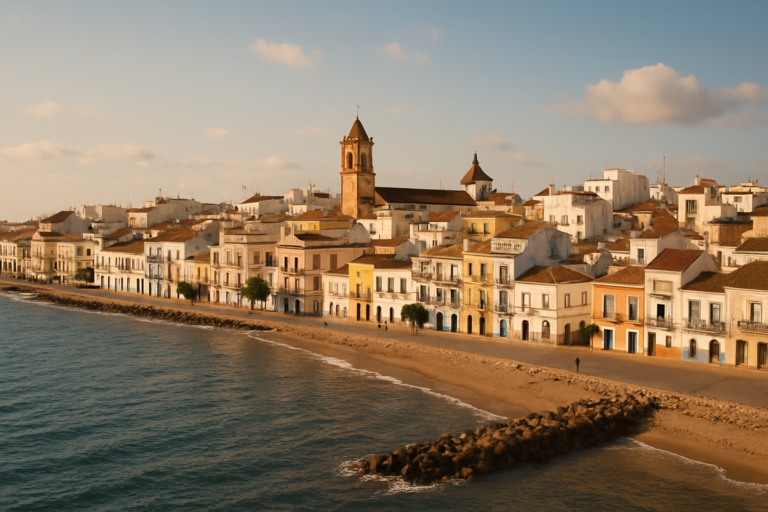
Behind the seafront resorts the old town preserves a compact cluster of whitewashed houses, the parish church of San Pedro and the restored Castillo de los Zúñiga standing as the most prominent historic marker. The castle watches over the town; its restoration gives a reminder of the area’s medieval past and is the clearest cultural stop in an otherwise nature-focused destination.
Best beaches in Cartaya
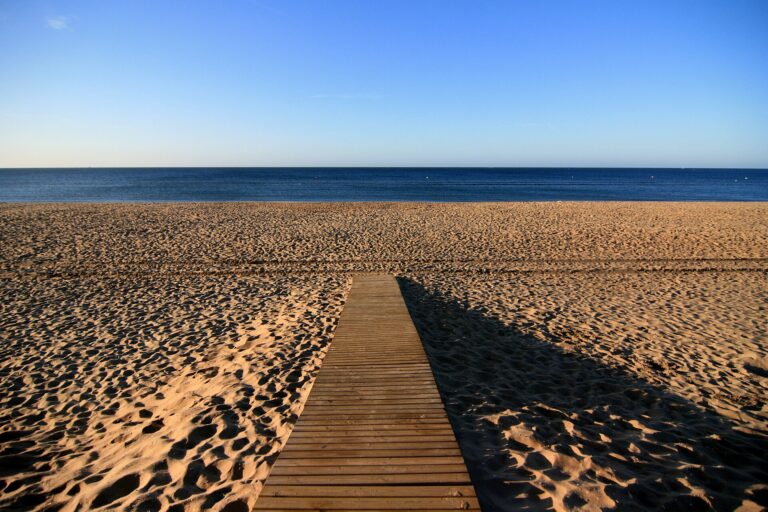
The coastline here is Atlantic: cooler water, cleaner surf and long stretches of sand often with pines behind the dunes rather than extensive promenades. Beaches are generally less crowded than those on Spain’s Mediterranean costas — a key part of the appeal.
| Beach | Character | Facilities / Blue Flag |
|---|---|---|
| El Rompido beach (Flecha area) | Long sandbar with pine-backed shores; accessible by boat or long walk | Marina nearby; – |
| Nuevo Portil | Wide golden Atlantic sands with a marina | Marina; – |
| Pine-backed municipal sands | Cooler waters and fewer crowds; beaches framed by pine trees | – |
Cartaya with kids
This is a family-friendly stretch of coast if you and your children are comfortable with natural settings rather than theme-park entertainment. The wide sands of Nuevo Portil are straightforward for children to play on; El Rompido’s calm sheltered waters behind the sandbar are good for paddling if you can get across by boat. The marshes offer easy, educational wildlife watching — a simple nature lesson — while the town’s compact old centre is short on long walks and heavy traffic, which helps with small children.
How to get to Cartaya and get around
Car is the most flexible way to visit and explore the scattered beaches, marshes and small villages. The town sits on the A-49 motorway, which is the main road link running west from Huelva towards the Portuguese border. Once you’re based in one of the resorts, short local drives connect beaches, marinas and the old town; some coastal stretches and the Flecha sandbar are accessible only by water or on foot, so plan transfers or boat trips for those visits.
Where to stay
Accommodation choices concentrate into three practical zones:
- El Rompido — the relaxed marina and resort option; suits couples and those who want easy access to boat trips and golf.
- Nuevo Portil — broad beaches and a family-friendly feel; suits families and sunbathers who prioritise long stretches of sand.
- Cartaya old town — quieter evenings, a taste of local life and proximity to the parish church and the restored castle; suits travellers who prefer compact towns over beachfront promenades.
Best time to visit
There isn’t a single “best month” listed in our sources, but the coast’s appeal hinges on enjoying beach and nature rather than event-driven tourism. If you prefer quieter beaches and comfortable outdoor walking for marshland birdwatching, shoulder seasons will be more pleasant than peak heat. The Atlantic influence means water temperatures are generally cooler than the Mediterranean, which is something to factor into expectations for swimming.
History of Cartaya
The town preserves elements of its long past in a traditional Andalusian old centre of white houses and a parish church, while the restored Castillo de los Zúñiga is the clearest surviving symbol of the area’s medieval heritage. The coast has historically been defined by its river mouth, sandbar and marshes — features that have shaped local economy and settlement patterns and now form protected natural areas.
Practical info
- Road access: Cartaya lies on the A-49 motorway, providing the primary regional road link west of Huelva and towards Portugal.
- Beaches: Atlantic waters are cooler than Mediterranean beaches and tend to be cleaner and less crowded; expect pine-backed stretches rather than long commercial promenades.
- Nature protection: The Río Piedras and the Flecha de El Rompido are part of a protected marshland complex important for birdlife — respect signage and stick to marked paths where provided.
- Local food: Dining focuses on fresh Atlantic seafood, Huelva prawns and Iberian ham from the nearby sierra — good local reasons to book a table rather than relying on supermarket meals only.
Worth it for: beachgoers who want quieter Atlantic sands, birdwatchers and travellers after a low-key seaside base with nature on the doorstep. Less so if: you want busy beaches, extensive tourist infrastructure, nightlife or theme-park attractions — this coast is about nature and small-town rhythms.
How we assess this guide
This guide compiles official and cross-checked sources on local geography, nature areas, historic sites and regional characteristics. We flag access limitations (for example, the Flecha sandbar’s water-only or long-walk access) so you won’t plan on impossible car routes. This is a synthesis of verified facts; it does not substitute for direct local advisories or seasonal updates from local authorities.
Nearby on the Costa de la Luz
Towns near Cartaya
- Lepe — 5 km south-west, a Huelva strawberry town on the Costa de la Luz
- Aljaraque — 12 km east, On the edge of the Odiel marshes biosphere reserve
- Isla Cristina — 18 km south-west, a great Atlantic fishing port, a famous carnival
- Punta Umbría — 20 km south-east, a sandy spit between ocean and estuary
- Ayamonte — 23 km west, a Guadiana border town facing Portugal, whitewashed streets
- Palos de la Frontera — 24 km east, the port where Columbus sailed in 1492
For the wider picture, see the Costa de la Luz guide, which lists every town on this coast.
Frequently asked questions
How do I get to Cartaya from Huelva?
Drive via the A-49 motorway; the town lies about 25 km west of Huelva city along that route.
Is it expensive to eat out here?
Local gastronomy highlights fresh Atlantic seafood, Huelva prawns and nearby Iberian ham. Prices vary by venue; the regional cuisine is a primary reason to eat locally rather than skip meals.
Which is the best beach for swimming?
Nuevo Portil offers wide golden sands that are straightforward for swimming and family beach days. El Rompido’s sheltered waters behind the Flecha sandbar can be calm but require a boat trip or a long walk to reach the outer sandbar.
How many days should I plan to see the area?
Plan enough time to split between at least one full beach day and a nature walk around the marshes or a short tour of the old town; many visitors combine a few days here with wider Costa de la Luz exploration.
Is this area good for families?
Yes. Nuevo Portil’s broad sands and El Rompido’s calmer sheltered waters are family-friendly options, and the town centre’s compact layout makes short strolls with children easy.
Can I get to the Flecha sandbar on foot?
Yes, but the sandbar is reachable by a long walk. Most visitors use boat trips to cross the river mouth for a quicker visit.
Are there boat trips to the sandbar?
Boat trips cross from El Rompido to the Flecha sandbar; that is the usual visitor route because there is no direct road access to the spit.
What wildlife can I expect to see?
The Río Piedras and the Flecha de El Rompido form marshland and tidal habitats that attract a variety of birdlife; the area is a recognised spot for walking and birdwatching within a protected natural zone.
Is Cartaya a good base for Doñana National Park?
Yes. The town is commonly used as a base for exploring the Costa de la Luz and the Doñana National Park region.
Do the resorts have marinas?
El Rompido has a marina and golf facilities nearby; Nuevo Portil also has a marina, providing access to boat-based activities and short coastal cruises.
Will the water be warm like the Mediterranean?
No. The Atlantic waters here are generally cooler than those on the Mediterranean costas; expect a different swimming experience and slightly cooler sea temperatures.
Is there much nightlife or large hotels?
No. The local scene is low-key. Resorts here are relaxed and small-scale compared with big Mediterranean tourist centres; this is part of the area’s appeal for visitors wanting quiet beaches and nature rather than bustling nightlife.
Where is the main church and historic centre?
The parish church of San Pedro sits in the old town, surrounded by traditional white Andalusian architecture and near the restored Castillo de los Zúñiga.
Are there golf facilities?
El Rompido has golf courses nearby, allowing travellers to combine beach time with a round on the links.
Is the coastline protected?
Parts of the landscape — notably the Marismas del Río Piedras y Flecha del Rompido — are protected as a natural area owing to their marshes, tidal channels and birdlife.
Plan the wider trip
Cartaya on the map
Places worth knowing near Cartaya
How this page is maintained. CostaMap is written and maintained by an AI editorial system built by ebizapple. Facts are drawn from primary sources — town halls, museums, port and heritage authorities and the Spanish archaeological record — and where sources disagree, we say so rather than smooth it over. Photographs marked as ours are taken on location. This page was last reviewed on 11 August 2026. Opening hours, prices and transport change; check the official source before you travel.