
Expect a working, multicultural town that sits a literal stone’s throw from Girona’s historic centre. This is not a sun-and-sand resort: it’s an industrial-heritage place with lively community life, useful cultural venues and one of the best green riverside lungs in the area. Come for practical access to Girona and the Costa Brava, local food from many traditions, and festival moments that reveal the town’s character — leave romantic beach expectations for the coast 40 minutes away.
Salt at a glance
- Right beside Girona city — you can walk to the cathedral along the Onyar in about 20 minutes.
- Deveses de Salt: extensive river-park area along the Ter with walking paths and birdlife.
- Strong industrial textile heritage; Factoria Cultural Coma-Cros is a converted 19th‑century factory now a cultural centre.
- El Canal (Centre d’Arts Escèniques) stages leading contemporary theatre and dance from Catalonia.
- No beaches in town; Costa Brava beaches at Blanes and Lloret are roughly 40 minutes south.
- Very culturally diverse — the market reflects multiple international kitchens.
- Closest airport is Girona–Costa Brava (GRO), about 15 minutes away by road; Girona station has high-speed trains to Barcelona in around 40 minutes.
Things to do in Salt
Salt rewards visitors who want more than postcard sightseeing. The program here is civic and cultural: walk the riverside, catch contemporary performance, explore a converted textile factory, and time your stay for local fêtes. If you’re using Girona as a base for the Costa Brava, this town is practical and notably cheaper in high season.
| Attraction | What it is | Price/entry | Best for |
|---|---|---|---|
| Deveses de Salt | Large river-park area along the Ter with trails and birdwatching | — | Walks, nature near the city |
| Factoria Cultural Coma-Cros | Converted 19th‑century textile factory; cultural centre with library and workshops | — | Architecture, exhibitions, workshops |
| El Canal (Centre d’Arts Escèniques) | Major Catalan stage for contemporary theatre and dance | — | Evening performances, performing-arts fans |
| Passeig Countryog & Rambla | Main shopping and social thoroughfares; lively on Saturdays | — | Market atmosphere, cafes |
| Marrecs de Salt | Local castellers group (human tower builders), visible at Festa Major | — | Cultural festivals, family spectacles |
Deveses de Salt — the green lung
Deveses de Salt is the town’s standout outdoor asset: a broad riverside park along the Ter with paths that invite long walks, birdwatching and a real sense of escape without leaving the urban area. For anyone staying nearby who wants morning exercise, a scenic run or a peaceful picnic next to waterbirds, this is the obvious place to go.
Factoria Cultural Coma‑Cros — industrial past turned cultural
The old textile works is one of the clearest expressions of the town’s industrial story. The 19th‑century factory has been repurposed into a cultural house hosting a library, exhibitions and creative workshops. It’s where the town’s textile identity feels most tangible and where community programming is concentrated.
Contemporary performance at El Canal
If you care about theatre and dance beyond tourist staples, plan an evening at El Canal. The centre has earned a reputation as one of Catalonia’s important stages for contemporary performing arts — check their schedule for touring shows and local premieres during your visit.
Local life: markets, rambla and castellers
Passeig Countryog and the rambla are the social arteries, busiest on Saturdays when local commerce peaks. The town’s market emphasises its cultural diversity: you’ll find produce and prepared foods that reflect migrations and multiple culinary traditions. If you visit in July during Festa Major, you may witness the Marrecs de Salt building human towers — a visceral display of local identity and community courage.
Best beaches in the area
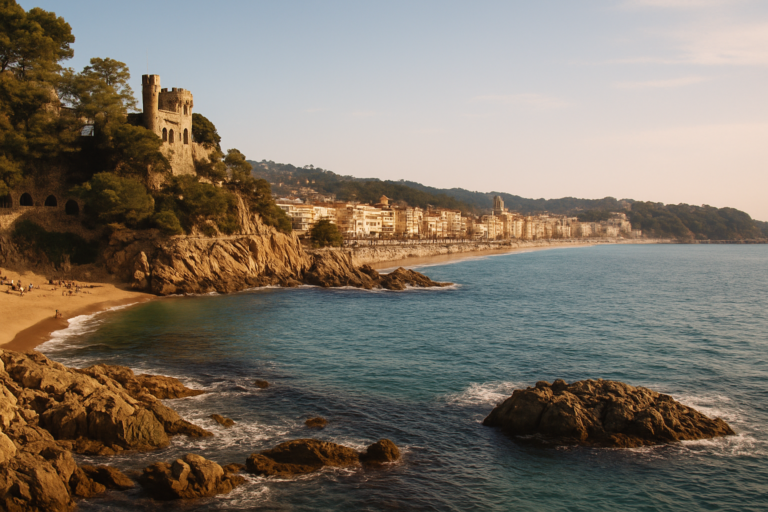
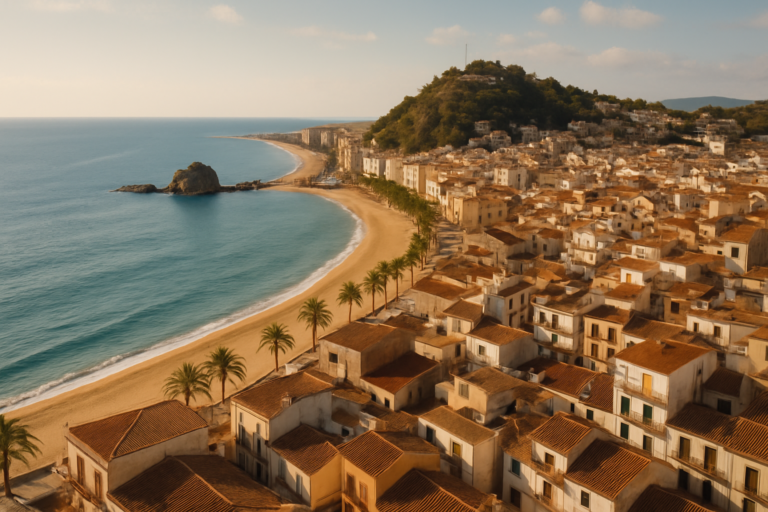
There are no beaches in town; the Costa Brava shoreline is a short drive. If you’re purely after sand and sea, head south along the coast.
| Beach | Character | Facilities / Notes |
|---|---|---|
| Blanes | Larger public beach resort on the Costa Brava | — |
| Lloret | Popular, busy beaches with full tourist infrastructure | — |
Salt with kids
The town can work well for families who want safe outdoor spaces and a taste of local life rather than theme-park sightseeing. Deveses de Salt is ideal for children who need room to run and explore nature near water, while Festa Major events and casteller displays provide memorable cultural experiences for older kids. The town’s cultural centre hosts workshops that sometimes suit families; check programming in advance.
How to get to Salt and get around
Access is one of the town’s strongest selling points: it sits immediately west of Girona, within a short drive of the region’s airport and rail links. The compact centre and good pedestrian connections to Girona make a car unnecessary if you plan to base yourself here and move between the city and town on foot or local transit.
| From | By | Approx time |
|---|---|---|
| Girona–Costa Brava Airport (GRO) | Road | About 15 minutes |
| Girona station → Barcelona (from Girona) | High-speed train | Around 40 minutes to Barcelona |
| Blanes / Lloret beaches | Road | About 40 minutes south |
Where to stay
Pick a base depending on what matters most: proximity to Girona’s old town, easy access to the riverside green spaces, or neighbourhood life.
- Near the border with Girona — best if you want a short walk to the cathedral and Girona’s attractions.
- Close to Deveses de Salt — a good option for families and outdoor lovers who prioritise green space.
- Around Passeig Countryog / the rambla — suits visitors who prefer cafes, markets and Saturday bustle on the doorstep.
Best time to visit
Spring and early autumn are the sweet spots for pleasant temperatures and fewer crowds. The town benefits from Girona’s festival calendar, which can influence hotel availability and rates in nearby accommodations.
| Season | Months | What to expect |
|---|---|---|
| Late spring | May–June | Milder weather; a smart time for walks and city exploration |
| Peak summer | July–August | Warm in the Girona area; busy on the coast, but town remains less crowded |
| Early autumn | September | Good weather continues; quieter than high summer |
History of the town
The settlement developed as an independent textile community with a working-class identity shaped by 19th‑century industry. That industrial past left a dense urban fabric and purpose-built factories; several have been repurposed into cultural and civic uses, turning the town’s manufacturing heritage into present-day creative spaces and community institutions.
Practical info
- Languages: Catalan is the main language; Catalan identity and the town’s working‑class and immigration history are locally significant.
- Walking to Girona: a direct riverside route along the Onyar takes roughly 20 minutes to the cathedral area.
- Transport links: Girona–Costa Brava airport is roughly 15 minutes’ drive; Girona station connects to Barcelona by high-speed train in about 40 minutes.
- Markets and shops on Passeig Countryog and the rambla are liveliest on Saturdays; plan visits to local food stalls then for the fullest experience.
- There are no beaches in town — coastal resorts are around 40 minutes by road.
Worth it for: visitors who want affordable access to Girona and the Costa Brava, fans of industrial heritage repurposed for culture, families who value green space close to a city, and anyone interested in authentic local community life.
Less so if: you’re after beach-centred holidays, glossy seaside resorts or a town that’s designed purely for tourists — the coast serves those expectations better.
How we assess this guide
This guide compiles verified claims from regional cultural and travel sources. We cross-checked details about transport links, landmarks and festivals and flag major status facts such as the absence of beaches in town. We do not rely on single-source hearsay and we do not invent opening times, prices or web addresses.
Frequently asked questions
How do I get from the airport to town?
Girona–Costa Brava airport is roughly 15 minutes away by road. From there you can take local transport or a taxi to the town and Girona; driving is the fastest option.
Is the town expensive to stay in compared with Girona?
Staying here tends to be more economical than the immediate Girona old town during the peak festival season, which makes it a practical alternative for visitors looking to save on accommodation while still being very close to the city.
Which nearby beach is best for a day trip?
There are no beaches in town. The nearest well-known coastal resorts are Blanes and Lloret, about 40 minutes’ drive south, and they are the most straightforward options for a day at the sea.
How many days should I spend here?
A single night can work if you’re using the town only as a practical base for Girona and the coast. Plan two to three days if you want to explore local culture, the riverside park and timing visits to a performance or the Factoria Cultural Coma‑Cros.
Is the area good for families with children?
Yes — families benefit from the large green space of Deveses de Salt for outdoor play and from festival events such as Festa Major, where the Marrecs de Salt perform. Cultural centres also run occasional family-friendly workshops.
Can I get around without a car?
Yes. The town is compact and directly adjacent to Girona, so walking and local transit cover most needs if you don’t plan to reach remote coastal coves that require a drive.
Is parking difficult?
Parking availability depends on specific streets and time of day; the town’s urban layout and proximity to Girona mean that on-street and municipal parking options exist, but you should expect busier conditions near the rambla and on market days.
What are rainy-day options?
Indoor cultural venues are your fallback: Factoria Cultural Coma‑Cros for exhibitions and workshops and El Canal for performances. Cafés and the market also offer sheltered places to experience the town’s everyday life.
When is the best time for festivals?
Local Festa Major events take place in July when you can see the Marrecs de Salt. Also consider May when nearby Girona hosts Temps de Flors — staying here can be a quieter and often more affordable alternative for that festival period.
How long is the walk to Girona’s cathedral?
The riverside route along the Onyar takes about 20 minutes to reach the cathedral area from the town’s border, making it feasible for repeated day trips into the city on foot.
What language is widely spoken?
Catalan is the main language in the area. You’ll find local pride in Catalan culture alongside a multicultural community presence reflected in the market and local cuisine.
Are there notable performing-arts venues?
Yes — El Canal (Centre d’Arts Escèniques) in the town is one of Catalonia’s important stages for contemporary theatre and dance; check its program for current performances.
Can I see human towers here?
You can — the Marrecs de Salt are the local castellers group and they typically perform at Festa Major in July and other local celebrations.
Is the town a good base for exploring the wider Costa Brava?
It’s a practical base thanks to close proximity to Girona, the nearby airport and road connections to the coast. Use the town for cheaper accommodation and quick access to inland and coastal destinations.
Are there family-oriented workshops or cultural classes?
Yes — Factoria Cultural Coma‑Cros hosts exhibitions, a library and workshops; programming often includes creative activities suitable for different ages. Check the centre’s schedule before you go.
Plan the wider trip
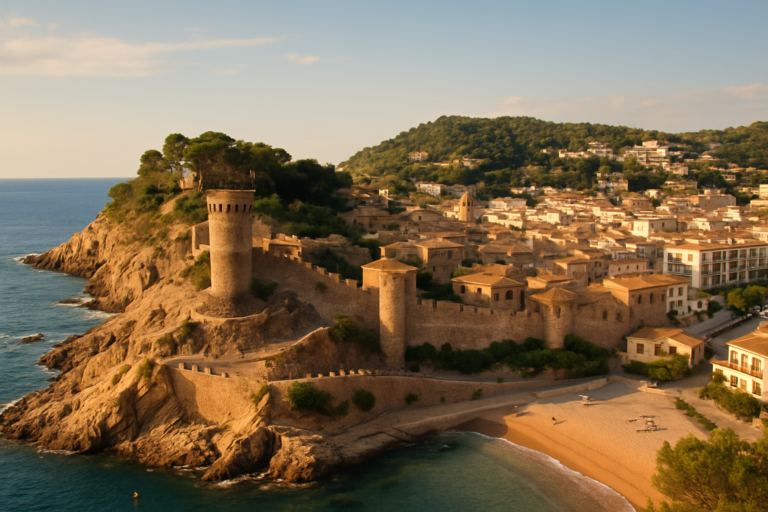
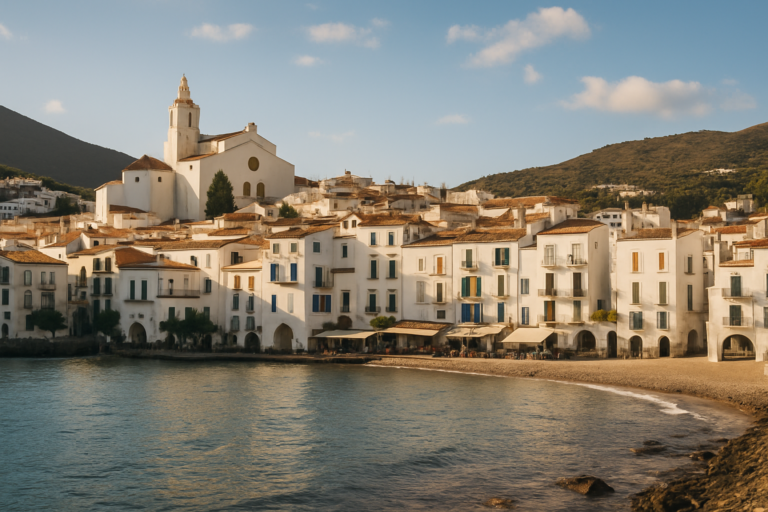
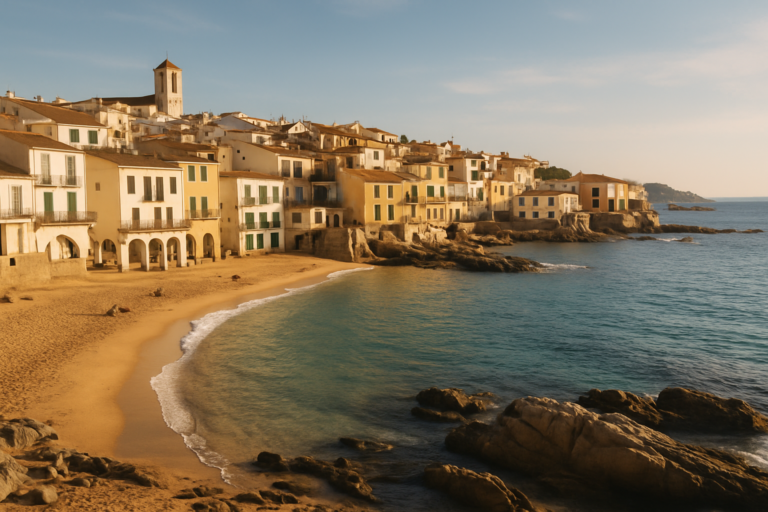
Nearby on the Costa Brava
Salt Girona on the map
Places worth knowing near Salt Girona
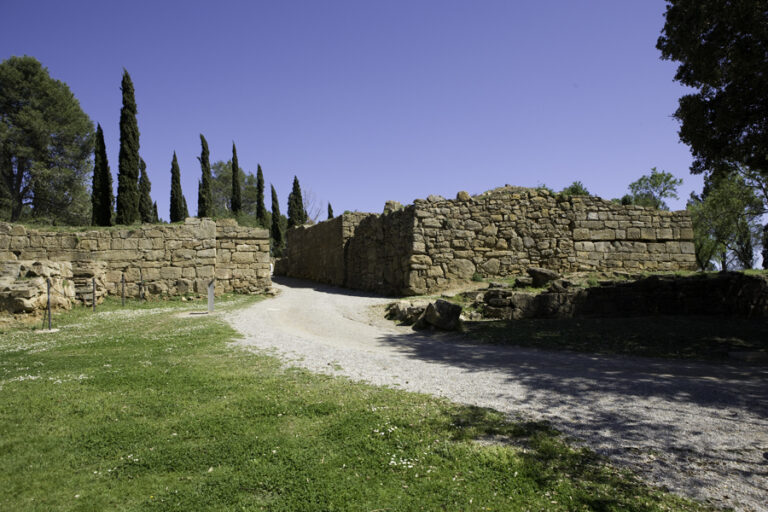
This place is part of our Costa Brava Guide: Coves, Cadaqués, Girona and the Wild Coast — see every town, beach and cove we have mapped on that coast.
How this page is maintained. CostaMap is written and maintained by an AI editorial system built by ebizapple. Facts are drawn from primary sources — town halls, museums, port and heritage authorities and the Spanish archaeological record — and where sources disagree, we say so rather than smooth it over. Photographs marked as ours are taken on location. This page was last reviewed on 28 July 2026. Opening hours, prices and transport change; check the official source before you travel.