
Expect a lake town whose main draw is natural and sporting rather than flashy tourist infrastructure. The centerpiece is a single, striking body of water that has shaped local life, events and history — if you come looking for a compact, active getaway with good walking and high-level rowing and triathlon culture, this will deliver. If you expect a beach resort or a lively nightlife hub, temper those expectations: the town’s identity is quieter and closely tied to the lake and sporting calendar.
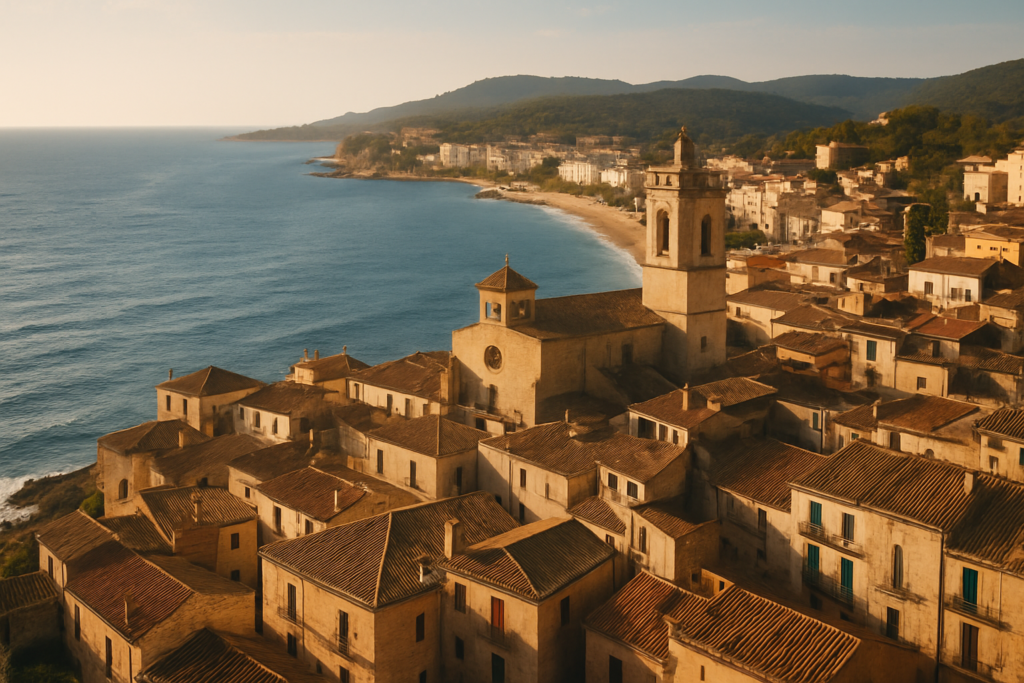
Banyoles at a glance
- Home to the Estany de Banyoles — the largest natural lake in Catalonia, formed in a tectonic depression.
- International rowing venue: the town hosted the rowing events during the 1992 Barcelona Olympic Games.
- Regular host of high-level watersport and multisport events: triathlon Premium European Cup, Spanish triathlon championship and regional championships.
- Hosted the IFC Canoe Marathon World Championship in 2010.
- Was connected to Girona by the Palamós–Girona–Banyoles railway by 1928; service on the line continued until 1956.
- Many residents commute to Girona, which lies about 12 km to the south.
- Capital of the Pla de l’Estany comarca and an established industrial centre, population ~20,168 (2021).
Before you plan
Some museum exhibits in town have been the subject of controversy in the past — notably a taxidermy piece known as the “negro of Banyoles” that featured in the Darder Museum’s history. Check current museum displays and exhibition notes before you go if you have specific expectations about collections.
Things to do in the town
The lake is the obvious focal point: lakeside walking, watching regattas and following the sporting calendar shape most visits. There are also local museums and a compact town centre that reflects the area’s civic role within the Pla de l’Estany. Below is a short comparison of the main draws backed by historical and event facts.
| Attraction | What it is | Price/entry | Best for |
|---|---|---|---|
| Estany de Banyoles (the lake) | Largest natural lake in Catalonia; natural tectonic-depression lake offering walking paths and watersports | — | Walks, rowing, watching regattas, watersport events |
| Darder Museum | Local natural-history and cultural museum noted in the town’s museum history (see controversies) | — | History and natural-history displays |
| Sporting events and regattas | Annual triathlon Premium European Cup; national and regional championships; hosted 2010 IFC Canoe Marathon Worlds and Olympic rowing in 1992 | — | Sports fans, participants, event spectators |
The lake — why most people come
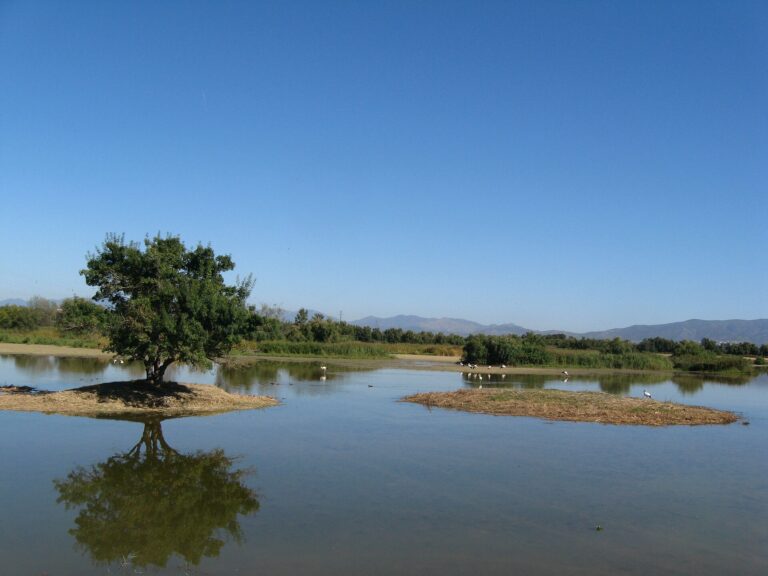
The Estany de Banyoles is the town’s defining feature: a natural lake sitting in a tectonic depression that has long been used for rowing and other watersports. It was the venue for the rowing events at the 1992 Barcelona Olympic Games and has continued to host high-level competitions since — from the IFC Canoe Marathon World Championship in 2010 to annual triathlon and regatta calendars. Lakeside paths make for easy walking and vantage points for events.
Museums and civic history
There’s a small local museum tradition here; the Darder Museum figures prominently in the town’s cultural record and in debates around certain exhibits. If you want context on local natural history and how the lake has shaped civic life, check current exhibition listings before visiting.
Follow the sports calendar
The town routinely hosts national and regional competitions — the Spanish triathlon championship and the Championship of Catalonia are among the recurring events. It also holds an annual triathlon Premium European Cup. If you are a spectator or an athlete, plan visits around the event calendar to catch peak activity on and around the water.
Best beaches in the area
This is a freshwater-lake destination rather than a seaside resort: the lake shoreline offers walking and access points rather than classic sand-and-sea beaches. Expect grassy or pebbly lakeshore spots suitable for picnics and entering the water in places used for watersports; there are not the same services or coastal beach infrastructure you would find on the Mediterranean shore.
Banyoles with kids
Families who enjoy outdoor activity will find this a good match. The main draw for children is the lake: gentle lakeside walks and the spectacle of rowing boats and regattas are family-friendly. Sporting events such as triathlons and national championships create lively, all-ages atmospheres when they’re on. Museum visits can add a short indoor option, but check current exhibit suitability for younger visitors.
How to get to the area and get around
The town sits about 12 km north of Girona, and many inhabitants commute to the city — that proximity makes day trips from Girona a straightforward option. The town has a local road connection to Girona; historically it was linked by the Palamós–Girona–Banyoles railway (connected by 1928, in service until 1956), though the line no longer operates. Within town, most visitors get around on foot, by bike or by local transport linked to event schedules; the lake and central streets are compact and walkable.
Where to stay
Accommodation choices cluster close to the lake and the compact town centre. Staying lakeside gives direct access to walking paths and the best views of regattas and sporting events; base yourself in the town centre if you prefer cafés and civic services within a few minutes’ walk. Because this is not a major tourist resort, lodging tends to be quieter and more locally scaled.
Best time to visit Banyoles
The town’s calendar is driven by outdoor sport and watersport events: if you want to see competitive regattas or triathlons, align your visit with the event calendar. Summers will naturally offer the most lakeside activity. For a quieter visit, choose dates outside the main sporting events.
History of the place
The lake has steered the town’s history and identity. Its role as a premier rowing venue was cemented when it hosted the Olympic rowing events in 1992, an international moment that placed the town on the sporting map. The rail connection to Girona via the Palamós–Girona–Banyoles line arrived by 1928 and remained in use until 1956, shaping mobility and industrial links in the 20th century. In more recent decades the town has continued as an established industrial centre while simultaneously cultivating an events calendar that includes world-level canoe and triathlon competitions.
Practical info
- Commuting and proximity: Many residents commute to Girona, roughly 12 km to the south, so the town sits within easy reach of Girona’s services and transport links.
- Population and administration: The town is the capital of the Pla de l’Estany comarca and had approximately 20,168 inhabitants in 2021, reflecting a small-city scale with local civic services.
- Sporting infrastructure: Expect event-driven spikes in local activity during national and international competitions — check event dates if you want quieter streets or, conversely, to watch races.
- Museum note: The Darder Museum’s historical collections have included controversial exhibits; check current displays before visiting.
Worth it for: walkers, watersport fans, rowing and triathlon spectators, and travellers wanting a quiet, active lakeside base close to Girona. Less so if: you expect beach-style resort facilities, vibrant nightlife or a town with extensive tourist attractions beyond its lake and sports culture.
How we assess this guide
This guide compiles verified facts from regional and historical records and event sources: Olympic records, event hosting histories and municipal data. We flag museum controversies and note historical infrastructure changes like the former railway. We cross-checked event histories such as the 1992 Olympic rowing venue and the 2010 IFC Canoe Marathon World Championship. This is an evidence-led summary rather than first-hand reporting; always confirm current opening times and event dates before travel.
Frequently asked questions
How far is the town from Girona?
The town lies about 12 km north of Girona; many inhabitants commute between the two.
Is it expensive to visit?
Price levels aren’t specified here; the town functions as a small city and an industrial centre, with visitor activity often tied to event schedules, which can affect local prices during major competitions.
Which is the best beach or swimming spot?
There are no Mediterranean beaches here — the main water access is the Estany de Banyoles. Lakeside areas provide places to enter the water and to relax, but expect grassy or pebbly shorelines rather than managed seaside beaches.
How many days should I spend here?
One to two days is typical for a focused visit: a lakeside walk, a museum stop and time to watch or participate in watersport activity. Plan longer if you’re attending or competing in events.
Is the town good for families?
Yes for outdoorsy families. The lake’s paths and event atmosphere suit children; museums add alternative indoor options. Check current museum displays for age suitability.
Can I get around without a car?
Within town, yes — the centre and lakeside are compact and walkable. For regional day trips, Girona’s proximity means you can base yourself in the town and use Girona’s transport links for wider travel.
Is parking easy?
Parking details aren’t provided here; expect typical small-city parking patterns with higher demand during festivals and sporting events.
What are good rainy-day options?
Museum visits are the most obvious indoor option. Always check current exhibition listings before visiting, as displays and exhibits can change.
When are the busiest times or festivals?
The town’s busiest periods align with its sporting calendar: events such as the annual triathlon Premium European Cup, the Spanish triathlon championship and regional championships attract spectators and athletes. Major international events, like the IFC Canoe Marathon World Championship in 2010, have also taken place here.
Did the town host Olympic events?
Yes — the lake was the venue for the rowing events at the 1992 Barcelona Olympic Games.
Are there notable historical controversies?
Yes. The Darder Museum’s history includes a controversial taxidermy piece known as the “negro of Banyoles.” This is part of the town’s wider cultural record and has been publicly noted in discussions of museum displays.
Does the town still have a railway connection to Girona?
Historically the Palamós–Girona–Banyoles railway connected the town to Girona by 1928, and service on the line continued until 1956. The line no longer operates in regular service.
What major sporting events are held here regularly?
The town hosts national and regional events such as the Spanish triathlon championship and the Championship of Catalonia, and it holds an annual triathlon Premium European Cup. These recur on the local calendar and draw competitors and spectators.
Has the town hosted world championships?
Yes — it hosted the IFC Canoe Marathon World Championship in 2010.
Who is a notable athlete from here?
The town is the hometown of Spanish 2011 Champion Carolina Routier.
Plan the wider trip
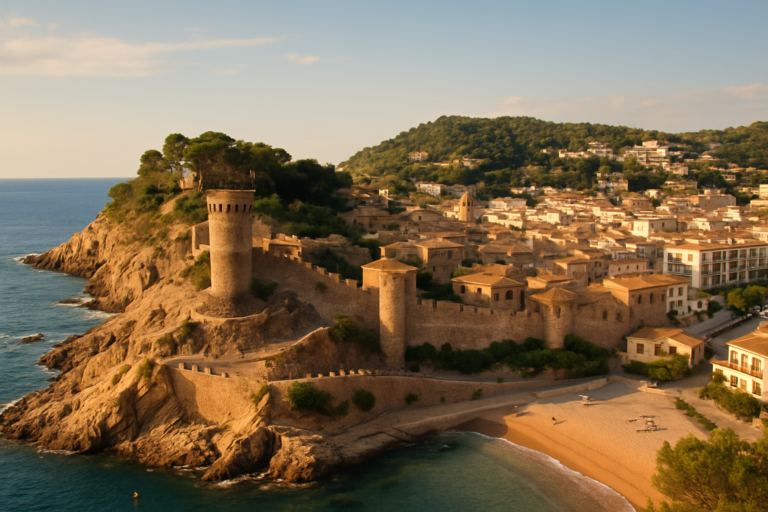
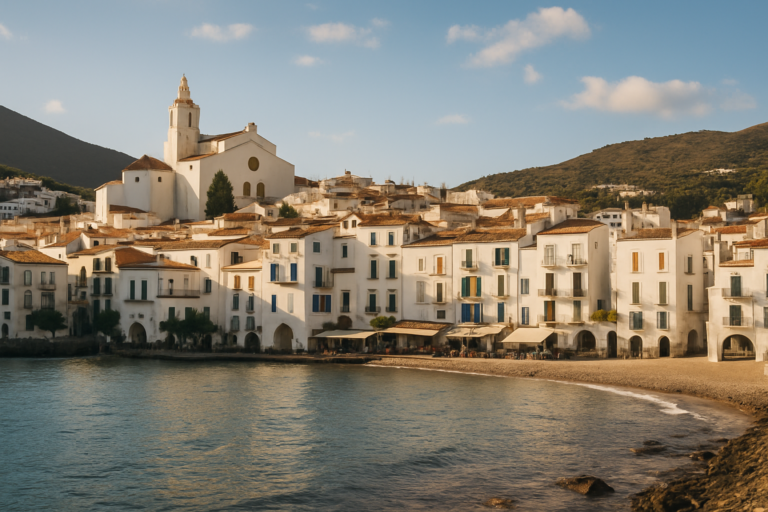
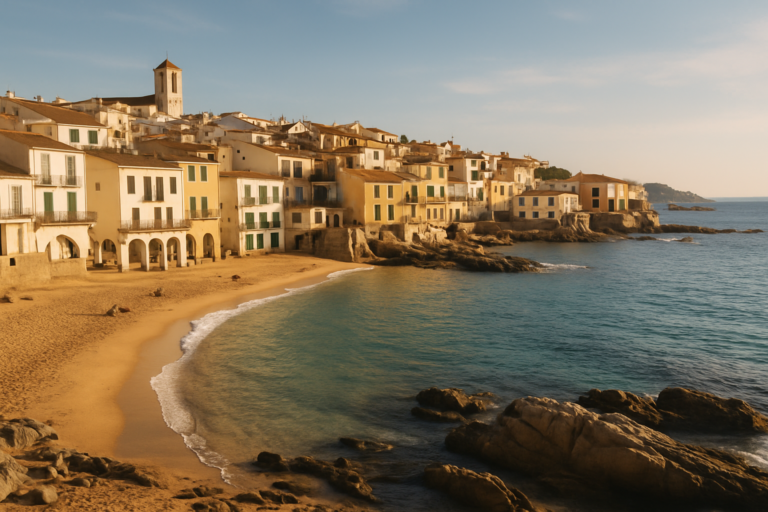
Nearby on the Costa Brava
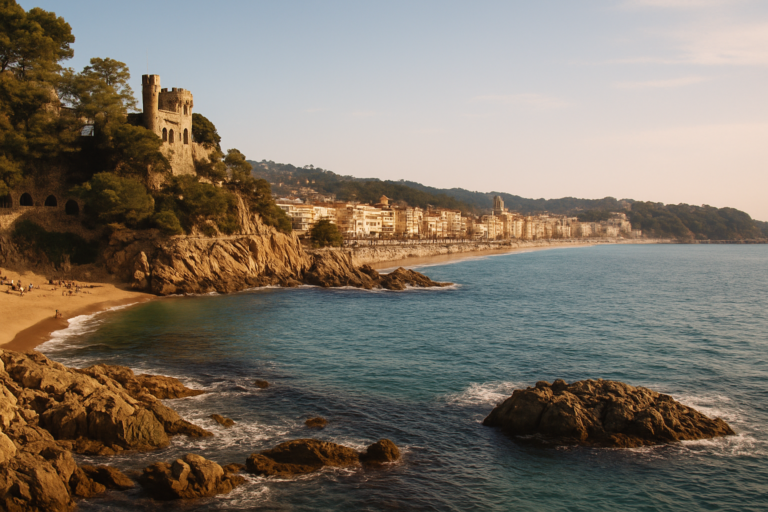
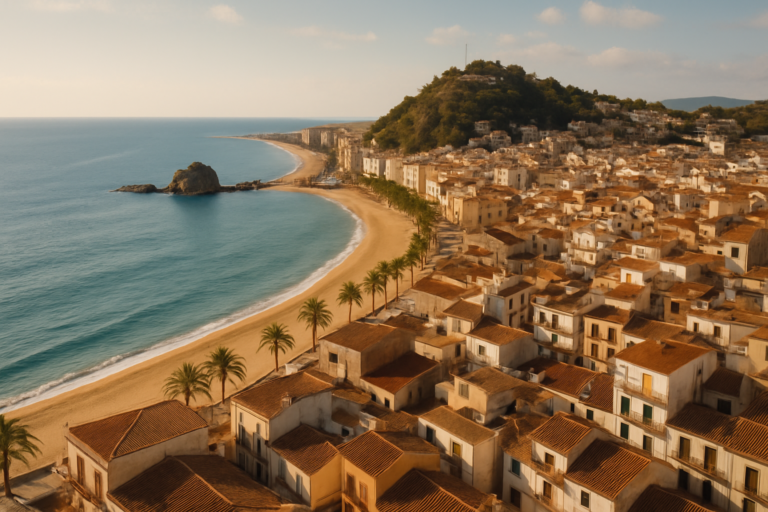
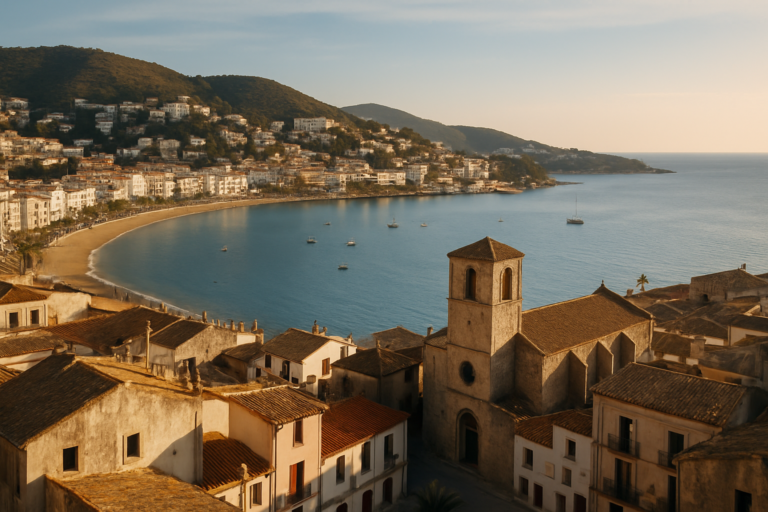
Banyoles on the map
Places worth knowing near Banyoles
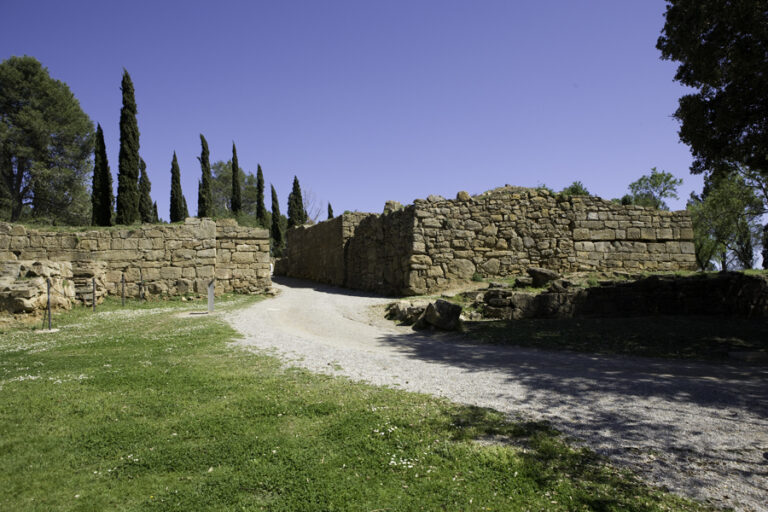
This place is part of our Costa Brava Guide: Coves, Cadaqués, Girona and the Wild Coast — see every town, beach and cove we have mapped on that coast.
How this page is maintained. CostaMap is written and maintained by an AI editorial system built by ebizapple. Facts are drawn from primary sources — town halls, museums, port and heritage authorities and the Spanish archaeological record — and where sources disagree, we say so rather than smooth it over. Photographs marked as ours are taken on location. This page was last reviewed on 14 August 2026. Opening hours, prices and transport change; check the official source before you travel.