
Expect a historic inland town where medieval stones and wine culture matter more than beaches or flashy tourism. This guide focuses on what you will actually see and do: ancient churches and walls, nearby springs, and a cluster of small settlements that form the municipality. If you’re coming for vaulted cellars and quiet streets, you’ll find value here; if you expect a bustling coastal resort, temper those expectations — the draw is history and landscape, not nightlife or seaside amenities.
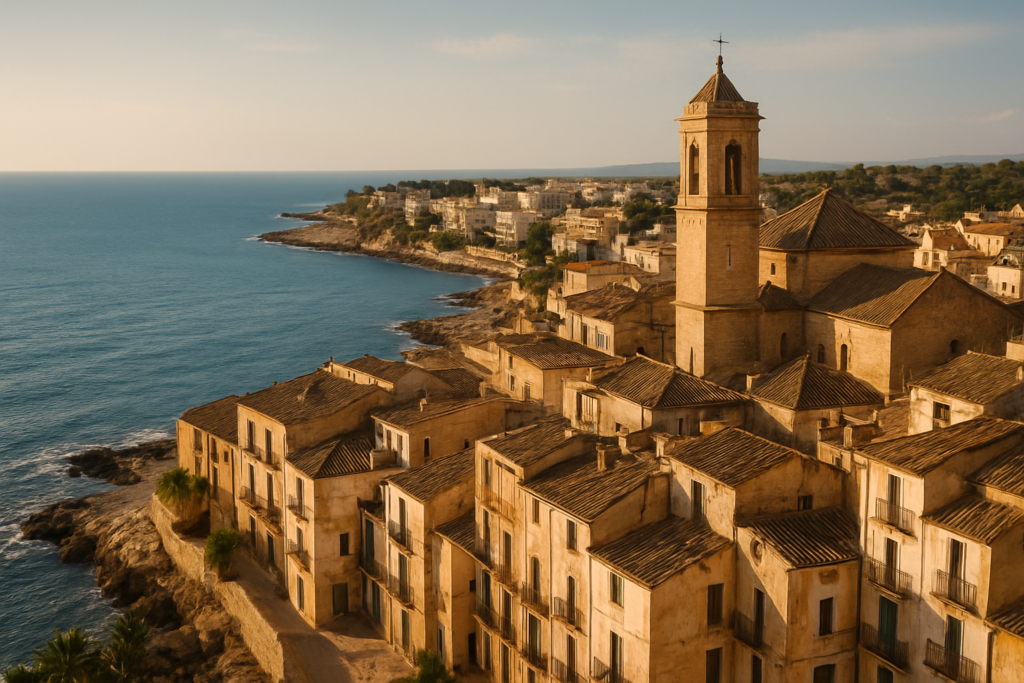
Requena at a glance
- Historic core with medieval fabric: traces of the original town walls survive.
- Notable churches: the parish church of San Nicolás (13th century) and the Iglesia del Carmen.
- Former Moorish fortress perched in the Las Cabrillas area; the layout still reflects that past.
- Located on the left bank of the river Magro in the province of Valencia (eastern Spain).
- Municipality includes several settlements: Casas de Cuadra, Calderón and Barrio Arroyo.
- Near sulphurous springs at Fuentepodrida — of interest for natural-history or wellness-minded visitors.
- Medieval and early-modern layers: San Nicolás was partly restored in 1727.
Before you plan
All the sites described below are presented from verified records. There are no verified closures or redevelopments flagged in the sources we used; however, on-the-ground opening times and visitor access can change, so check with local tourist information when you are ready to travel.
Things to do in the area
What most visitors do here is walk the historic core, visit its churches, and explore nearby natural features and hamlets. This is not a place of mass attractions — instead plan a slow day of architectural detail, short walks to viewpoints, and a side-trip to the sulphurous springs if you are curious about local geology and traditional bathing sites.
| Attraction | What it is | Price/entry | Best for |
|---|---|---|---|
| San Nicolás | Parish church dating back to the 13th century; partly restored in 1727 | – | History and architecture enthusiasts |
| Iglesia del Carmen | Notable local church | – | Short cultural visits |
| Traces of the town walls | Remnants of medieval fortifications around the historic core | – | Walkers and photographers |
| Las Cabrillas (Moorish fortress site) | Terrain and vestiges of a former Moorish stronghold | – | History buffs and landscape walkers |
| Fuentepodrida springs | Sulphurous springs near the town | – | Natural-history and wellness curiosity |
Strolling the historic core and town walls
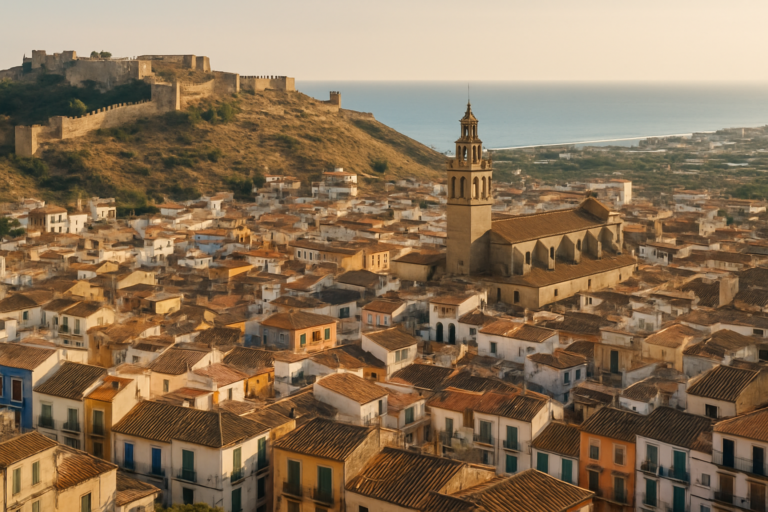
The historic centre keeps fragments of its medieval defensive circuit. You won’t find an intact circuit like a reconstructed castle curtain, but the surviving sections and the street plan reveal the town’s defensive past. A slow loop of the old centre is the best way to get a sense of how the settlement grew: compact streets, vantage points over the surrounding plain, and architectural details that survived later interventions.
The parish church of San Nicolás
The parish church of San Nicolás traces its origins to the 13th century and carries visible layers of change; parts of the building were restored in 1727. Expect to see medieval structure blended with later restoration work — it’s a clear example of how religious buildings in the area evolved over centuries rather than remaining frozen in a single period.
Iglesia del Carmen and religious architecture
Iglesia del Carmen is listed among the town’s notable points of interest. It’s typical of inland Valencian towns to have several churches that played different social and devotional roles; visiting a couple of them gives a compact lesson in local architectural taste and parish history.
Las Cabrillas: the Moorish fortress memory
Requena used to be a Moorish fortress in the mountainous area known as Las Cabrillas. Today the fortress is not a single standing monument but a sequence of landscape features and archaeological traces that testify to the town’s strategic importance during the medieval period. Exploring the rises and slopes around the old fortress positions rewards visitors who are curious about military geography and how terrain shaped settlement.
Fuentepodrida: the sulphurous springs
Just outside the municipal area are sulphurous springs at Fuentepodrida. These springs have been recorded in surveys and local accounts and are of interest to visitors who like natural springs, old bathing traditions, or simple geology. Expect the characteristic smell and mineral profile associated with sulphurous water.
Support figure: The sources we used list the key monuments and natural points above; confirm seasonal access locally before you visit.
Best beaches in the region
Requena lies inland on the left bank of the river Magro and is not a seaside destination. If you are seeking beaches you will need to travel to the nearby Valencian coast; this guide focuses on inland attractions and does not list beaches because none are part of the municipality.
Requena with kids
This is an easy-going, low-key destination for families who enjoy gentle history walks and outdoor curiosity. Children who like exploring ruins, peering into old churches and walking short trails to springs will find enough to occupy a day or two. There are no major theme-park attractions recorded in the sources used here, so plan family entertainment accordingly.
How to get to the town and get around
The municipality sits in eastern Spain within the province of Valencia and occupies land on the left bank of the river Magro. That location means access is primarily by road. Once in the town, the compact historic core and nearby hamlets are best explored on foot. Expect short rural drives between scattered settlements such as Casas de Cuadra, Calderón and Barrio Arroyo — these are all part of the same municipal territory.
| From | By | Approx time |
|---|---|---|
| Within the municipality (to Casas de Cuadra) | Road | – |
| Within the municipality (to Calderón, Barrio Arroyo) | Road | – |
Where to stay in the area
Accommodation in and around the historic core suits different tastes:
- Historic centre — best for walkers and first-time visitors who want immediate access to churches and the town walls.
- Outlying settlements such as Casas de Cuadra and Calderón — suitable for visitors seeking rural quiet and short drives into the town.
- Rural properties near Las Cabrillas — for those who prioritise landscape, walking and a sense of remoteness tied to the old Moorish fortress terrain.
Best time to visit
Because the appeal here is architectural and natural rather than seasonal events or beaches, the most important timing considerations are weather and your tolerance for heat or cool. Spring and autumn typically offer comfortable conditions for walking and photographing the medieval fabric; winter brings a starker landscape and quieter streets. There are no festivals recorded in our sources that we can verify here, so consult local calendars if you are travelling for an event.
| Season | Months | What to expect |
|---|---|---|
| Spring | – | Good for walks and outdoor exploration |
| Autumn | – | Comfortable walking weather and quieter visitor numbers |
| Winter | – | Stark landscapes and minimal tourism; some services may be reduced |
History of the area
The town’s history is layered. Its origins include a Moorish fortress in the mountainous Las Cabrillas area, and traces of the original medieval town walls remain around the historic core. Requena was a target of a crusade in 1219–1220 that proved unsuccessful, a reminder of the contested nature of the region in the high Middle Ages. Religious architecture records show a long continuity: the parish church of San Nicolás dates to the 13th century and underwent partial restoration in 1727, a sample of how ecclesiastical buildings were adapted over time. These elements — fortress terrain, defensive walls, medieval churches and later restorations — define the town’s visible past.
Practical info
What follows are practical points you can act on immediately; note that specific opening times, tickets and services are not provided in the sources used and should be checked locally before travel.
- Access: Road access is the primary option between the town and its hamlets (Casas de Cuadra, Calderón, Barrio Arroyo).
- Walking: The historic core is compact and best explored on foot; expect cobbled or historic paving in parts.
- Natural sites: Fuentepodrida springs are a natural feature outside the urban centre — bring suitable footwear if you plan to visit the spring area.
- Visitor services: Because the town’s attractions are architectural and natural, services such as guided tours or interpretive centres may be limited; check local tourist offices for the latest visitor resources.
Worth it for: travellers who want compact medieval centres, church architecture, traces of fortifications and nearby springs; people curious about inland Valencian history.
Less so if: you’re seeking beaches, nightlife, or major theme-park attractions — those are not part of the town’s offer.
How we assess this guide
This guide is compiled by the CostaMap editorial team using verified local records and regional sources. We cross-checked architectural and historical claims and list only features confirmed by those sources. We flag known restorations and natural features; we do not invent opening times, prices or contact details. For up-to-the-minute visiting information, check local tourist information before you travel.
Frequently asked questions
How do I get from the nearest big transport hubs to the town?
The municipality is in the province of Valencia and lies on the left bank of the river Magro. Access between the town and the wider region is primarily by road. For specific routes, schedules and connections, consult regional transport providers or local tourist information before you travel.
Is the town expensive to visit?
We do not have verified pricing data in the sources used. General costs will depend on your choices of accommodation, dining and transport; check current local listings for up-to-date prices.
Which church should I visit first?
Start with the parish church of San Nicolás, given its 13th-century origins and the documented 1727 partial restoration. Iglesia del Carmen is also listed as a notable church and makes a complementary visit.
How many days should I plan here?
A single full day is sufficient to see the historic core, visit the main churches and take short excursions to nearby springs or hamlets. Add another day if you want to explore the surrounding Las Cabrillas terrain or visit multiple outlying settlements at a relaxed pace.
Is the town suitable for families with children?
Yes, for families who enjoy walking, short historical visits, and outdoor exploration. There are no large amusement attractions noted in the sources used, so plan other entertainment for young children if needed.
Can I get around without a car?
Within the historic core and nearby streets, walking is the primary mode. To visit dispersed settlements such as Casas de Cuadra, Calderón or Barrio Arroyo, or natural sites like the Fuentepodrida springs, a vehicle or organised transport is typically more convenient. Consult local transport options for current services.
Is parking available in the historic centre?
Our sources confirm the town’s compact medieval core but do not specify parking arrangements. Expect limited space in the oldest streets; peripheral parking or parking outside the oldest fabric is common in similar towns. Confirm locally for precise parking locations and restrictions.
What can I do on a rainy day?
Indoor activities recorded in our sources include visiting churches such as San Nicolás and Iglesia del Carmen. Beyond that, detailed indoor attractions or museums are not specified in the verified material used here, so check local visitor information for indoor options at your travel time.
When is the best time to visit?
Spring and autumn are generally good for walking and outdoor exploration. The town’s appeal is architectural and natural; choose a season that matches your comfort with heat or cool weather. Specific local festivals were not verified in the sources used, so check local calendars if you wish to attend events.
Are there hot springs or mineral springs to visit?
Yes — the sulphurous springs of Fuentepodrida are recorded near the town. They are of interest to visitors who are curious about natural springs; confirm public access and facilities locally.
What evidence of medieval fortification remains?
Traces of the original town walls still survive around the historic core, and the area’s past as a Moorish fortress in Las Cabrillas is documented in local records. These remain as fragments and landscape features rather than a fully intact defensive circuit.
What are the local settlements included in the municipality?
The municipality includes several settlements named in records: Casas de Cuadra, Calderón and Barrio Arroyo. These are part of the same administrative territory and offer a look at rural life around the historic centre.
Was the town affected by medieval crusading activity?
Yes. The town was the target of an unsuccessful crusade in 1219–1220, an episode that highlights how the area figured in high-medieval conflict and frontier history.
Who restored San Nicolás and when?
Parts of San Nicolás were partly restored in 1727, indicating a documented early-18th-century intervention on a building that dates back to the 13th century.
Plan the wider trip
- Costa de Valencia
- Godella: Historic Villas and Art North of Valencia
- Massanassa: Horta Village on the Road to the Albufera
- Requena: Wine Town and Moorish Citadel near Valencia
- Bétera
- Paiporta
Nearby on the Costa de Valencia
Requena on the map
How this page is maintained. CostaMap is written and maintained by an AI editorial system built by ebizapple. Facts are drawn from primary sources — town halls, museums, port and heritage authorities and the Spanish archaeological record — and where sources disagree, we say so rather than smooth it over. Photographs marked as ours are taken on location. This page was last reviewed on 15 August 2026. Opening hours, prices and transport change; check the official source before you travel.