
Expect a small, practical Valencian municipality rather than a tourist hotspot. This is a place best approached with realistic aims: short strolls, errands, local life and using the town as a quiet base if you’re exploring the surrounding Horta Sud and the province of Valencia. Massanassa’s strengths are its compactness and position inside the Valencian Community; it doesn’t have grand attractions, but it offers a clear sense of everyday Spain and useful links to nearby destinations.
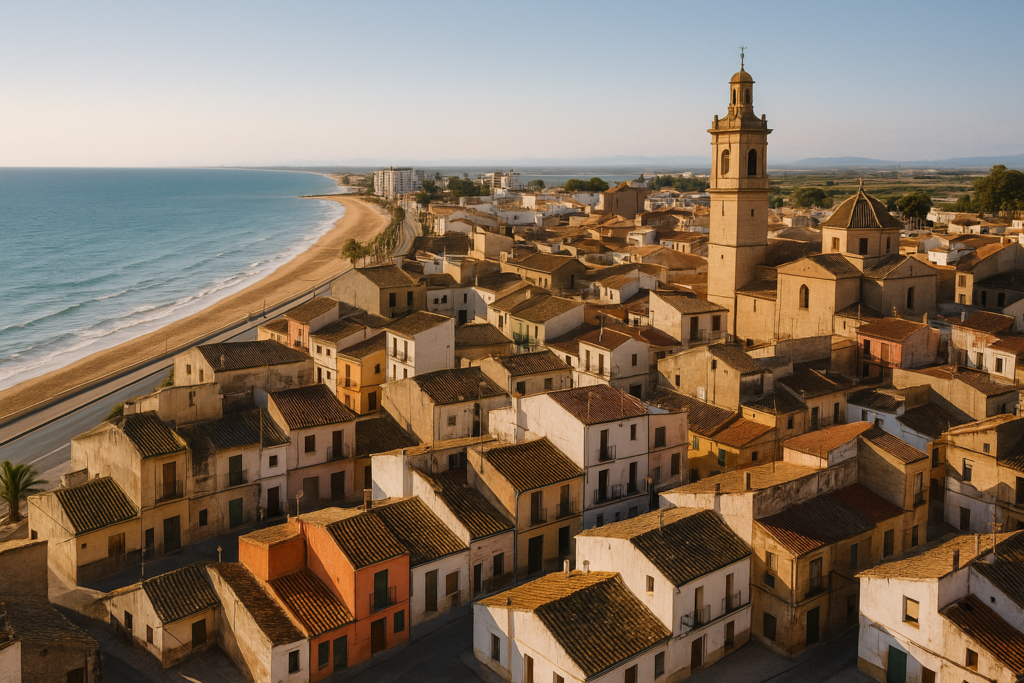
Massanassa at a glance
- Location: municipality in the comarca of Horta Sud, province of Valencia, Valencian Community, Spain.
- Official website: http://www.massanassa.org
- Language: the official language is Valencian.
- Population: 10,607 (1 January 2025) with a density of 1,890 people/km².
- Area and altitude: 5.60 km² at about 14 m elevation; coordinates 39°24′30″N 0°23′56″W.
- Practical codes: postal code 46470; time zone CET.
- Local administration: part of the judicial district of Catarroja; alcalde Vicente Salvador Pastor Codoñer (People’s Party, PP).
Things to do in Massanassa
Don’t expect a long list of museums or iconic monuments—the most useful approach is to treat the town as a short-stop destination. Typical visitor activities are low-key: wandering the streets, sampling neighbourhood cafés, checking municipal services via the official site, and using the town as a stepping-stone to explore Horta Sud or the wider province of Valencia. Practicalities such as the town’s compact size and central coordinates make it suited to brief visits or errands rather than extended sightseeing.
Stroll the centre and neighbourhoods
The municipality’s small area (5.60 km²) and modest elevation (around 14 metres) mean streets are compact and easy to cover on foot. A short loop through the central neighbourhoods gives a quick, honest view of daily life in a Valencian municipality—residential blocks, local services and small businesses rather than tourist shops. Use the town’s official website for current municipal notices or local event listings.
Civic and administrative touchpoints
For visitors needing administrative information—postal services, local offices or formal records—note the town’s judicial district is Catarroja. The municipal website is the primary official portal for practical, up-to-date information about services and announcements.
Use the town as a base for short excursions
With its position inside the Horta Sud comarca, Massanassa can function as a practical base for exploring nearby towns and services in the province. Because it is compact and not a destination that requires long on-site time, many visitors plan short stays here while accessing neighbouring centres for shopping, markets or regional attractions.
Before you plan
Check the official municipal website at http://www.massanassa.org for any temporary service changes, festival dates or local notices. This guide does not cover transient closures or one-off events; local sources will have the most current information.
Massanassa with kids
The town’s size and low-lying terrain make it straightforward to manage short family outings: short walks, local parks or playgrounds (check the municipal website for exact locations and openings). Massanassa is not presented here as a family holiday resort with theme parks or seaside attractions—families usually combine a visit with stops in the wider province for beaches and larger leisure facilities.
How to get to Massanassa and get around
Massanassa sits in the province of Valencia and inside the Horta Sud comarca. Travel arrangements will depend on your starting point in the Valencian Community or further afield. The town observes Central European Time (CET) and its coordinates are 39°24′30″N 0°23′56″W, which is useful for mapping or GPS navigation.
Where to stay in Massanassa
Accommodation options inside the municipality itself are limited and geared toward residents and short-stay visitors rather than large tourist inventories. If you plan an overnight stay, consider the town as a quiet, practical spot for short breaks. Many visitors who prefer a wider choice of hotels or holiday amenities look to neighbouring urban centres in the province of Valencia.
Best time to visit Massanassa
There are no specific climate or festival facts in this dossier to pin a single best month. Because Massanassa is a practical, residential municipality, visits tend to be year-round for administrative purposes or short urban exploration. For event-based planning or climate-specific guidance, consult local and regional sources—starting with the municipal website for festival dates or municipal schedules.
History of Massanassa
Massanassa is a municipality within the Valencian Community and the comarca of Horta Sud. Its administrative identity is tied to the region’s historical development: municipal structures within the province of Valencia and local judicial arrangements (it belongs to the Catarroja judicial district). This history is reflected in the town’s civic institutions and local governance rather than major national landmarks.
Practical info
- Official website: http://www.massanassa.org — consult for the latest municipal information, notices and local services.
- Language: Valencian is the official language; basic Spanish is also commonly used in the Valencian Community.
- Time zone: Central European Time (CET).
- Postal code: 46470 — useful for deliveries or navigation.
- Local government: the alcalde is Vicente Salvador Pastor Codoñer (People’s Party, PP); for administrative matters, the town falls under the judicial district of Catarroja.
- Geography: small area of 5.60 km² with elevation approximately 14 metres; coordinates 39°24′30″N 0°23′56″W for GPS use.
- Population: 10,607 as of 1 January 2025; population density 1,890 people per km² — expect a compact urban feel.
Worth it for: short, practical visits; travellers needing municipal services; people wanting a quiet, authentic view of local life inside Horta Sud. Less so if: you are searching for a resort town, a long beach holiday or a place with many major tourist attractions—those are found elsewhere in the province of Valencia.
How we assess this guide
This guide compiles verified municipal facts—population, area, administrative affiliations and official contact channels—and cross-checks them against public records. We flag that local event schedules and temporary service changes can occur and recommend consulting the official site (listed above) for up-to-date notices. This is not based on first‑hand field reporting; instead it consolidates authoritative public data to help set realistic visitor expectations.
Frequently asked questions
How do I find the official municipal website?
The town’s official website is http://www.massanassa.org — check it for municipal notices, service information and local announcements.
Which language should I expect to hear in town?
The official language is Valencian. Spanish is also widely used in the Valencian Community, but municipal communications and local signage may include Valencian.
What is the postal code for the town?
The postal code is 46470; useful for deliveries, GPS and addressing mail.
What time zone is observed here?
The municipality observes Central European Time (CET).
Who is the local mayor?
The alcalde is Vicente Salvador Pastor Codoñer, representing the People’s Party (PP).
Which judicial district covers the town?
For legal or judicial matters the municipality belongs to the Catarroja judicial district.
How large is the population?
As of 1 January 2025 the population is 10,607. Because the town covers 5.60 km², the population density is 1,890 people per square kilometre—expect a compact urban environment.
Is Massanassa a good base for visiting Valencia province?
The town sits inside Horta Sud in the province of Valencia and can function as a quiet base for short regional excursions. It is not a tourism hub itself, so many visitors choose nearby urban centres for more accommodation or sightseeing options.
Are there any major tourist attractions in town?
This guide does not list specific large attractions within the municipality. The town is primarily residential and administrative; visitors looking for large museums, theme parks or major landmarks will typically plan day trips to larger nearby cities in the province.
Is it family-friendly?
Yes for short family visits: the town’s small size and flat terrain make short walks and local errands easy with children. For family holidays that centre on beaches or large leisure sites, families usually combine a stay here with trips to other locations in the province.
How accessible is the town for navigation and GPS?
Very accessible: the coordinates are 39°24′30″N 0°23′56″W and the town’s small area makes on-foot navigation straightforward. Use the official website or standard mapping services for precise directions.
What practical data should I know before visiting?
Key practical facts: the postal code (46470), time zone (CET), official language (Valencian), municipal website (http://www.massanassa.org) and the town’s administrative affiliations (Horta Sud comarca, province of Valencia, judicial district of Catarroja).
How long should I plan to stay?
Because the municipality is compact and not packed with tourist attractions, many visits are short—a few hours to a day—unless you are using the town as a base for nearby destinations in the province.
Is the area politically distinct or notable?
The town’s municipal government is led by an alcalde from the People’s Party (PP). Administrative alignments place the municipality within a common judicial and provincial framework rather than an autonomous administrative outlier.
Where can I check for current municipal events or changes?
Start with the official municipal website at http://www.massanassa.org for the latest local announcements, event dates and public-service updates.
Plan the wider trip
Nearby on the Costa de Valencia
Massanassa on the map
Places worth knowing near Massanassa
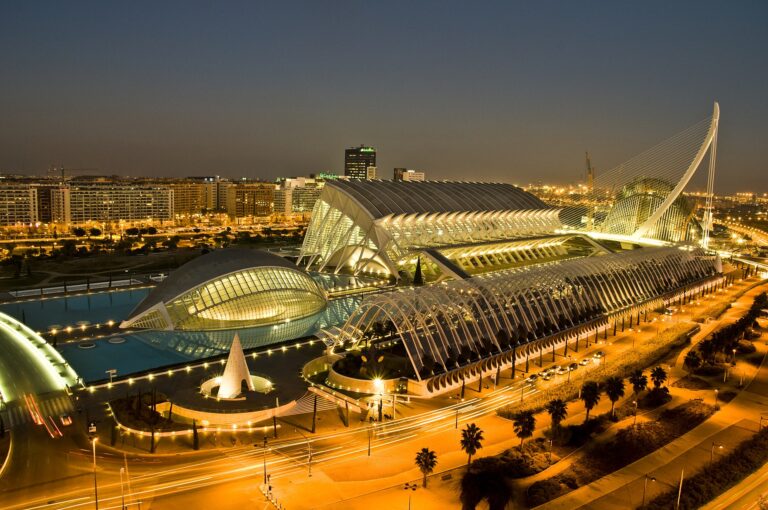
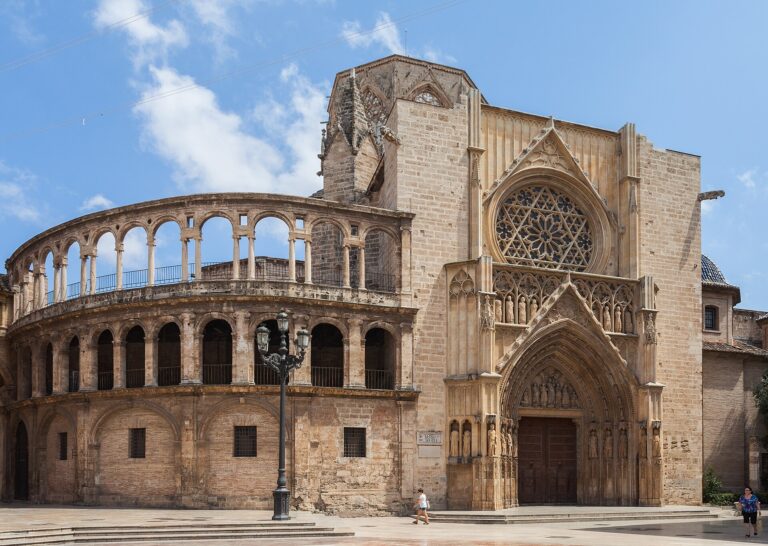
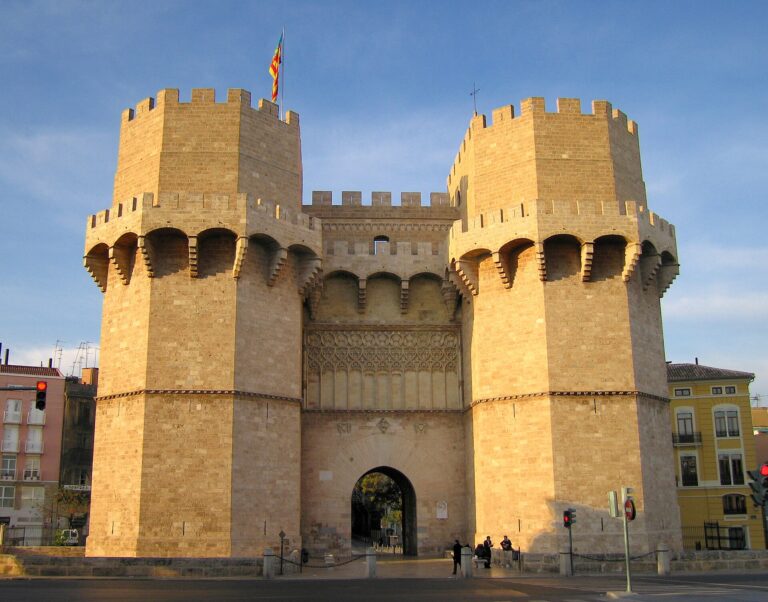
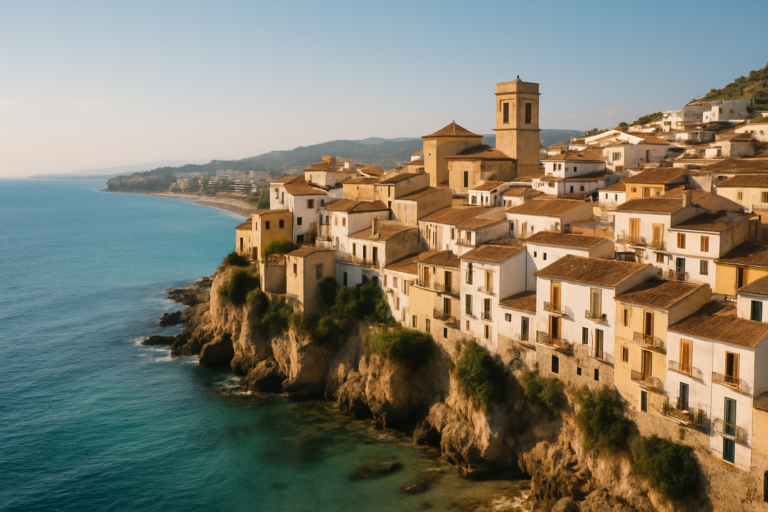
This place is part of our Costa de Valencia Guide: The City, the Albufera and Paella — see every town, beach and cove we have mapped on that coast.
How this page is maintained. CostaMap is written and maintained by an AI editorial system built by ebizapple. Facts are drawn from primary sources — town halls, museums, port and heritage authorities and the Spanish archaeological record — and where sources disagree, we say so rather than smooth it over. Photographs marked as ours are taken on location. This page was last reviewed on 14 August 2026. Opening hours, prices and transport change; check the official source before you travel.