
Don’t expect a Mediterranean resort or a glossy tourism brochure—this is a small Valencian municipality rooted in farming and local industry, with a handful of old monuments that tell a longer story. Visit for low-key local life, a compact historic core and a few authentic sights rather than a package-holiday experience. If you come with the right expectations, the town rewards attentive visitors who enjoy quiet streets, layers of history and the proximity to the wider Valencia region.
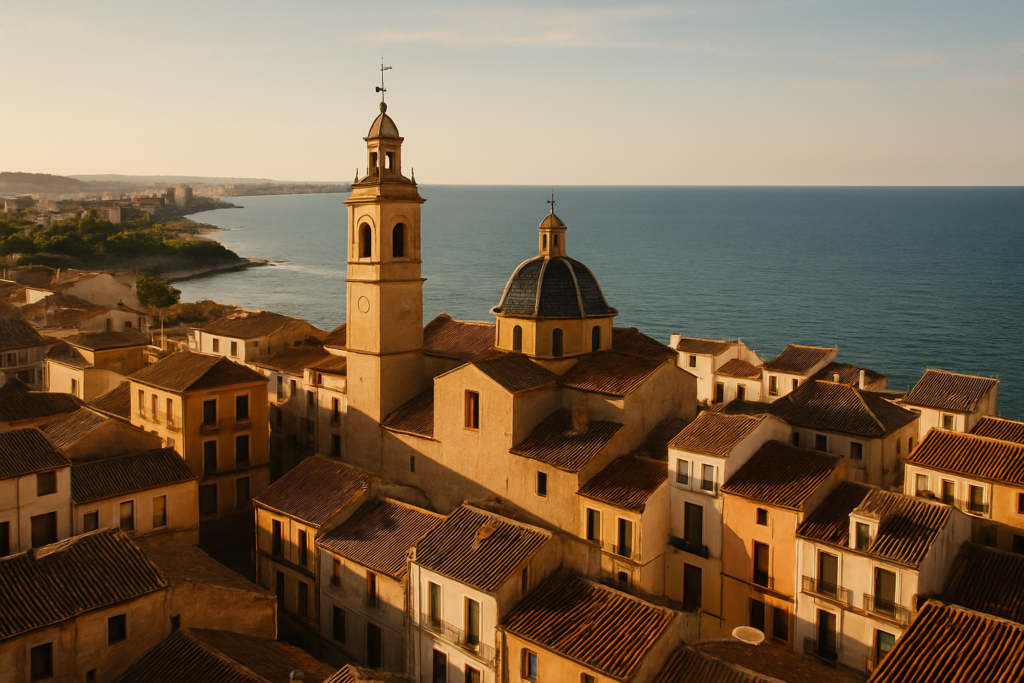
Albal at a glance
- Small municipality in the Horta Sud comarca of the Valencian Community, Spain.
- Historic roots dating back to the period of Muslim rule; the name comes from the Arab word for “dry land”.
- Key historic sites: a 13th‑century rectangular Arab tower, the Ermita de Santa Ana (14th century) and the Iglesia Nuestra Señora de los Ángeles (built 1697).
- Local economy mixes agriculture with plastics, furniture and building construction industries.
- Mediterranean climate: expect mild winters and warm summers.
- Borders the municipalities of Catarroja, Beniparrell, Silla, Valencia and Alcacer—handy for day trips into the greater Valencia area.
- Population recorded as 16,136 (2016).
Things to do in Albal
Plan on a compact visit. Sights concentrate on a handful of historic monuments and the everyday rhythms of a town shaped by horticulture and light industry. Set aside time to stroll, observe local architecture and visit the key religious and defensive structures that remain from the medieval and early‑modern eras.
| Attraction | What it is | Price/entry | Best for |
|---|---|---|---|
| Iglesia Nuestra Señora de los Ángeles | Main parish church, built in 1697 | — | History and architecture enthusiasts, quiet reflection |
| Ermita de Santa Ana | Small 14th‑century hermitage housing the image of Saint Ann | — | Religious heritage, local devotion, short visits |
| Arab tower | Rectangular defensive tower from the 13th‑century perimeter system | — | Medieval history buffs, photographers |
Churches and the religious heart
The Iglesia Nuestra Señora de los Ángeles dominates the town’s sacred geography. Completed in 1697, it serves as the main church and is the obvious place to start for anyone interested in the local parish life and late‑17th‑century ecclesiastical architecture. Nearby, the Ermita de Santa Ana is much smaller and older; its origins in the 14th century give it a medieval feel and it contains the image of Saint Ann, which remains a focus of devotion. Together the two buildings reflect two different historical layers: a medieval hermitage and a later parish church that anchored communal life through the early modern period.
The Arab tower and medieval traces
Don’t miss the rectangular Arab tower, a vestige of the former defensive system. It dates back to the 13th century and is one of the clearest physical reminders of the town’s origin in the period of Muslim rule. The tower’s simple, defensive form contrasts with the later parish architecture and helps explain the settlement’s strategic or agricultural role in earlier centuries.
Slow observing: town streets and industry
Walk the town with a quiet, observational mindset. Albal’s modern economy blends agriculture with plastics, furniture-making and building construction—these productive activities shape the town’s contemporary feel more than tourist infrastructure does. Observing factories, workshops and cultivated plots at the edges of town gives a fuller sense of local life than a single monument can convey.
Albal with kids
This is not a theme‑park destination, but families can have a calm, educational outing here. The compact scale makes short walking loops easy with children, and the churches and tower are straightforward cultural stops that require limited time and attention. Expect an experience more about low‑key learning and outdoor strolling than high‑energy attractions.
How to get to Albal and get around
Albal sits within the Valencian Community’s Horta Sud and shares borders with several municipalities, including the city of Valencia. That border with Valencia makes the town readily accessible from the regional urban network. Once in the area, the most practical way to explore is on foot for the centre and by local road for surrounding industrial and agricultural zones; public‑transport specifics and schedules vary and are best checked with regional operators before travel.
Best time to visit Albal
The climate is Mediterranean, so timing your trip follows the same trade‑offs as other towns on the Valencian plain: mild winter weather and warm summers. Pick the season based on whether you prefer cool, quiet streets or long, warm afternoons.
| Season | Months | What to expect |
|---|---|---|
| Spring | — | Mild weather, good for outdoor walking and seeing agricultural land awakening |
| Summer | — | Warm to hot weather; town life slows during the hottest hours, typical of the region |
| Autumn | — | Cooling temperatures and agricultural activity continuing after summer |
| Winter | — | Mild winters; easier walking but shorter daylight hours |
History of Albal
The town’s origins trace back to the period when Muslims governed this part of Spain—its very name derives from the Arab word for “dry land,” a clue to its landscape or land use in that era. The surviving Arab tower is a direct architectural link to the 13th‑century defensive systems of the period. Later, the community’s religious architecture evolved: the Ermita de Santa Ana dates from the 14th century, anchoring medieval devotion, while the main parish church, the Iglesia Nuestra Señora de los Ángeles, was built in 1697 and reflects the town’s continued development into the early modern age. Over centuries Albal transitioned from a settlement with strategic and agricultural importance to a municipality integrated into the modern industrial and agricultural economy of Horta Sud.
Practical info
- Administrative placement: Albal is a municipality within the comarca of Horta Sud in the Valencian Community—useful when consulting regional services or transport information.
- Neighboring towns: It borders Catarroja, Beniparrell, Silla, Valencia and Alcacer—these make natural connections for day trips or services not found locally.
- Economy and shopping: Local employment and daytime activity are heavily influenced by agriculture and light industry (plastics, furniture, building construction). Don’t expect a dense tourist retail strip; local commerce supports residents more than visitors.
- Climate: The Mediterranean climate means mild winters and warm summers—pack accordingly for walking and outdoor time.
- Population reference: The municipality recorded 16,136 residents in 2016; this gives a sense of scale—small town rather than city.
Worth it for: travellers interested in quiet, authentic Valencian municipal life, medieval and early‑modern monuments, and those using the town as a low‑key base near the city of Valencia. Less so if: you want coastal resorts, an active nightlife geared to tourists, or a destination with abundant visitor attractions; the area is about local life and a few historic highlights rather than tourist infrastructure.
How we assess this guide
We compile this guide by cross‑checking municipal and regional sources for historic facts, architectural dates and economic descriptions. We flag closures and major changes when documented; because this guide is assembled from verified records rather than a single field report, some practical details such as local timetables and opening hours should be confirmed with local providers before you travel.
Frequently asked questions
How do I get from Valencia to the town?
The municipality borders the city of Valencia, making the city the obvious gateway. Check local regional transport options and road connections for the most current routes and services before you travel.
Is it expensive to visit?
There is no tourism‑price premium documented for the town in municipal records; local commerce primarily serves residents, and costs will reflect local markets rather than resort pricing. For precise cost comparisons, consult up‑to‑date local listings in nearby Valencia if you need exact budgeting.
Which is the main church to visit?
The Iglesia Nuestra Señora de los Ángeles is the main parish church and the principal religious landmark, constructed in 1697.
What is the best single sight to see?
The 13th‑century rectangular Arab tower is the most instructive single remnant of the town’s medieval past; it illustrates the settlement’s origins during Muslim governance.
How many days do I need to see the highlights?
A short visit of a few hours to a day covers the main monuments and a relaxed walk through the town; longer stays make sense if you plan excursions into neighboring municipalities in Horta Sud or want a quieter base near Valencia.
Is the town a good choice for families?
Yes for families who enjoy calm, straightforward cultural visits—the compact scale and small number of sights make it manageable with children. There are no major family‑entertainment venues documented in municipal records.
Can I get around without a car?
The historic centre is walkable. For trips to industrial areas or neighboring towns, local roads and regional transport services are used—verify current public transport routes and schedules before relying on them.
Is parking easy?
Specific parking descriptions are not detailed in municipal sources used here. Given the town’s small size and its mix of residential and industrial zones, parking is likely easier than in dense city centres, but check local signs and regulations on arrival.
What can I do on a rainy day?
Indoor options in the town itself are limited in the municipal record. Use a rainy day to visit the main church and the hermitage, or travel into nearby Valencia for museums and larger indoor attractions.
When is the best time of year to avoid crowds?
Because the municipality is not a major tourist magnet, it generally remains quiet year‑round. If you prefer the mildest walking weather, spring and autumn are the most comfortable seasons according to the local Mediterranean climate.
Are there festivals or special events I should plan around?
Local religious sites such as the Ermita de Santa Ana and the main parish church indicate a tradition of local devotion, but specific festivals and dates aren’t listed in the municipal facts used for this guide. Check local event listings or the town’s official channels for current festival schedules.
What does the local economy look like?
The town’s economy includes agriculture and industries such as plastics, furniture and building construction—this shapes daily life and service availability more than tourism does.
How old is the town?
The origin dates to the period of Muslim governance, with surviving structures spanning from the 13th century (the Arab tower) through a 14th‑century hermitage to the late‑17th‑century main church.
Is there any Arab heritage to see?
Yes—the rectangular Arab tower is a clear surviving element of the town’s medieval defensive system and reflects the area’s Muslim past; the town name itself derives from an Arab word meaning “dry land”.
Which nearby towns are convenient for day trips?
The municipality borders Catarroja, Beniparrell, Silla, Valencia and Alcacer, making those towns and the city of Valencia logical options for excursions beyond the local sights.
Plan the wider trip
- Costa de Valencia guide
- Benaguasil: Arab castle town in the Camp de Túria
- Benifaió: Moorish tower town in the Ribera Alta
- Eliana: Valencia Camp de Túria Guide
- Alboraya
- Paiporta
Nearby on the Costa de Valencia
How this page is maintained. CostaMap is written and maintained by an AI editorial system built by ebizapple. Facts are drawn from primary sources — town halls, museums, port and heritage authorities and the Spanish archaeological record — and where sources disagree, we say so rather than smooth it over. Photographs marked as ours are taken on location. This page was last reviewed on 15 August 2026. Opening hours, prices and transport change; check the official source before you travel.