
Expect a small inland Andalusian town where local life, recent pop-culture quirks and a surprisingly layered history collide. This is not a beach resort or a UNESCO-packed magnet; it’s a working town on the Vega of Granada with loud concerts, a strong local identity, and a handful of sights that make a short detour worthwhile if you’re exploring Granada province. Read on to set realistic expectations and avoid the usual travel-guide hype.
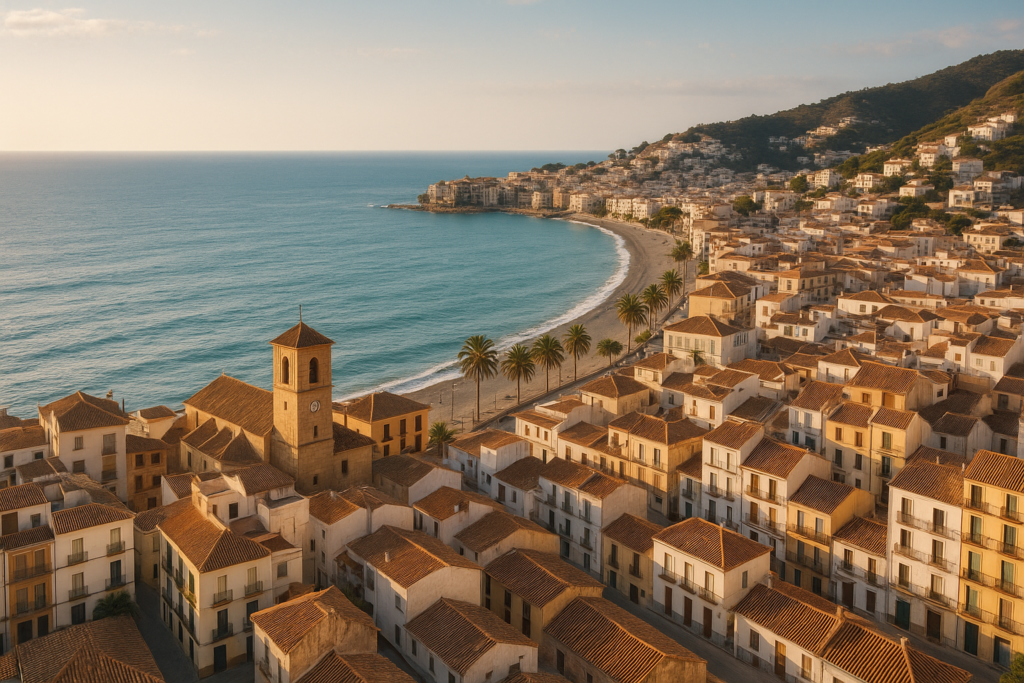
Atarfe at a glance
- Location: north‑central Vega of Granada, province of Granada, Andalusia — a short ride from the city of Granada.
- Known for: live music and large concerts at the Coliseo; a Pink Floyd memorial park created after Roger Waters’ 2008 concert.
- Local festivals: main celebrations clustered around July 26 for Santa Ana.
- Historical layers: Neolithic, Iberian and Roman remains; medieval importance as Elvira in the Caliphate period.
- Key monuments: Church of the Incarnation, Santa Ana hermitage, Sacred Heart of Jesus monument made from Sierra Elvira stone.
- Natural features: the Rivers Cubillas and Colomera run through the municipality; Sierra Elvira foothills nearby.
- Districts to know: Caparacena, Sierra Elvira, Hurpe and Cubillas — useful when choosing where to stay or park.
Things to do in the town
Atarfe rewards short visits more than long stays: a few central monuments, an unusual live-music profile for a town of its size, and nearby historical battlefields and Roman-era remains. Plan a couple of hours to see the central sights, add an evening if there’s a concert at the Coliseo, and include it as a convenient stop on a day trip from Granada or the nearby Sierra Elvira hills.
| Attraction | What it is | Price/entry | Best for |
|---|---|---|---|
| Coliseo de Atarfe | A multi-purpose arena hosting concerts and bullfights | – | Live music and cultural events |
| Park dedicated to Pink Floyd | Public park commemorating a 2008 Roger Waters concert | – | Music fans, informal strolls |
| Church of the Incarnation | Main church built on the site of the old mosque Xini; modelled after Granada’s Metropolitan Church | – | Architecture and religious history |
| Santa Ana hermitage | Chapel on the former Convent of the Order of St. Paul of the Cross | – | Local religious heritage, festival site |
| Monument to the Sacred Heart of Jesus | Stone monument carved from Sierra Elvira rock | – | Open-air monument, quick photo stop |
| Battle of Higueruela site (Sierra Elvira) | Historic battlefield near the town | – | History buffs, walkers |
The Coliseo de Atarfe: concerts and corridas
The Coliseo is the town’s cultural engine. It stages both music acts and bullfighting events, regularly drawing audiences from across the Granada area. Atarfe’s concert profile is uncommon for a place of this size: internationally known performers have played here, and the venue’s programming is one reason people come specifically to see an evening show rather than the town itself.
Religious and civic landmarks
Central Atarfe collects the sights you’ll want to see on foot. The Church of the Incarnation stands on the footprint of the old mosque Xini and was built as a copy of Granada’s Metropolitan Church — a useful shortcut to understand its proportions and style. Nearby, the Santa Ana hermitage occupies the former Convent of the Order of St. Paul of the Cross: a short visit puts the town’s religious continuity into perspective. Outside the centre, the Monument to the Sacred Heart of Jesus was sculpted with Sierra Elvira stone, lending the monument a direct geological link to the nearby foothills.
Music heritage and the Pink Floyd park
Music fans will be surprised: Roger Waters played in the town in 2008, and the concert prompted a small public park dedicated to Pink Floyd. The park is an odd and beloved local feature — not a pilgrimage site, but a quirky stop for fans combining a walk and a photo op with a look at Atarfe’s contemporary civic identity.
The battlefield and ancient origins
The Battle of Higueruela took place in the vicinity, specifically in the annex of Sierra Elvira near the town. The area’s deeper past is also visible in traces dating back to Neolithic, Iberian and Roman settlements. During the Caliphate period the settlement was known as Elvira and functioned as the capital of a significant Kūra of Al‑Andalus — a reminder that the town’s modest modern profile masks a strategically important medieval past.
Best beaches in the area
The town is inland on the Vega of Granada and has no beaches. If sea time is a priority, plan a separate leg of your trip to the coastal towns of Granada province.
Atarfe with kids
Families can piece together an enjoyable half‑day in the town. The Pink Floyd park is an accessible outdoor spot where kids can run, and the riverside paths along the Cubillas or Colomera provide short, child-friendly walks. Timing a visit for the Santa Ana festivities around July 26 delivers a fuller, livelier experience, though remember that festival days tend to be busier, noisier and more crowded than normal market or weekday conditions.
How to get to the town and get around
Atarfe sits on the Vega of Granada and borders the municipality of Granada, making it a short drive or local-bus ride from the city. The town’s compact centre is best explored on foot; districts such as Caparacena, Sierra Elvira, Hurpe and Cubillas are distinct and useful when navigating addresses or choosing accommodation. Roads link Atarfe with neighbouring municipalities including Moclín, Colomera, Albolote, Maracena, Santa Fe and Pinos Puente, so it is straightforward as a base for day trips in the province.
Where to stay in Atarfe
Accommodation options are limited compared with Granada city; most visitors choose to stay in Granada and visit for an afternoon or an event. If you do stay here, focus on these areas:
- Central Atarfe — best for first-time visitors who want easy access to the church, plazas and the Coliseo.
- Caparacena — residential; practical if you prefer quieter streets and proximity to main roads out of town.
- Sierra Elvira district — suited to people heading into the nearby hills or visiting the historic battlefield annex.
- Cubillas — useful for those who want to be closer to the rivers and green spaces; more suburban in character.
Best time to visit the area
There are two main practical considerations: the summer festival cycle and the events calendar at the Coliseo. If you want the peak local experience — processions, street activity and traditional celebrations — aim to be here around July 26 for Santa Ana’s festivities. Otherwise, visit any time you prefer a quieter local scene and day trips into Granada or the Sierra Elvira.
| Season | Months | What to expect |
|---|---|---|
| Summer (festival time) | July (notably July 26) | Santa Ana festivities — lively street events and local celebration |
| Other times | – | Quieter town life; good base for exploring Granada province |
History of the area
The site has deep roots. The first civilizations in the area date from the Neolithic, with later Iberian and Roman presence when the city known as Ilíberis was founded in the Sierra Elvira foothills during Roman domination. In the medieval period the settlement was called Elvira and became the capital of an important Kūra under the Caliphate of Córdoba — a centre of administration and regional influence. Military history left its trace too: the Battle of Higueruela was fought near the current town in Sierra Elvira, and that martial landscape shaped the area’s later identity. More recent centuries saw the reuse of Islamic-era sites for Christian worship: the Church of the Incarnation stands on the footprint of the old mosque Xini, and the Santa Ana hermitage occupies the former Convent of the Order of St. Paul of the Cross. The 20th century brought their own dramatic moment when, on 19 April 1956, the town suffered a magnitude‑5.0 earthquake that caused considerable destruction.
Practical info
- Rivers and green spaces: both the Cubillas and Colomera rivers cross the municipality; riverside routes make pleasant low-effort walks.
- Local food to try: Atarfe’s gastronomy includes quince jelly, pipirrana and the traditional maimones soup — local dishes that reflect Vega produce and Andalusian cooking traditions.
- Administrative borders: the town borders several municipalities — useful to know if you plan multi-town driving or are using local maps: Moclín, Colomera, Albolote, Maracena, Granada, Santa Fe and Pinos Puente.
- District names matter: Caparacena, Sierra Elvira, Hurpe and Cubillas are the principal districts. They’re commonly used in local directions and helpful when arranging transport.
- Events and crowding: expect the busiest periods when the Coliseo has a concert or when the Santa Ana festival is on; plan logistics and parking accordingly.
Worth it for: music fans chasing a regional concert, history buffs interested in Elvira and the Battle of Higueruela, and travellers looking for offbeat local colour near Granada. Less so if: your trip is mainly about beaches, UNESCO monuments or you want a town with extensive tourist infrastructure — those are better found elsewhere in Granada province.
How we assess this guide
This guide was compiled from verified local and historical sources, cross‑checked to avoid presenting closed or outdated venues as active. We highlight known events and permanent features (monuments, churches, districts and rivers) rather than tentative details like fluctuating ticket prices or schedules. We do not claim original, on-the-ground reporting; instead, we synthesize authoritative facts so you arrive with realistic expectations and can plan a visit without surprises.
Frequently asked questions
How do I get from Granada to Atarfe?
The town borders Granada, making it a short trip by road. Public transport options and exact schedules vary; if you’re in the city centre it is straightforward to reach the town by local connections or a short drive.
Is Atarfe expensive to visit?
There is no evidence that prices here are unusually high or unusually low for the Granada area. The town functions as a local centre rather than a tourist-driven economy, so expect everyday local prices rather than tourist premiums.
Which is the best beach for a day trip from Atarfe?
The town is inland on the Vega of Granada and has no beaches. For beach time, plan a separate visit to the coastal towns of Granada province on the Mediterranean coast.
How many days should I spend in Atarfe?
One short visit—two to four hours—is usually enough to see the main sights. Add an evening when there’s a Coliseo concert. Use the town as a half-day stop if you’re based in Granada or as a short overnight only if you have specific reasons to stay (events, visiting family, or exploring Sierra Elvira).
Is the town family-friendly?
Yes — there’s green space, the Pink Floyd park and quiet riverside walks. The Santa Ana festivities in late July are kid-friendly but much busier; judge festival suitability by your children’s tolerance for crowds and noise.
Can I get around Atarfe without a car?
The town’s centre is compact and easily walkable. If you plan to visit neighbouring municipalities such as Colomera or Moclín, or explore the Sierra Elvira foothills, a car or arranged transport will be more convenient.
Is parking difficult during events?
Expect higher demand for parking near the Coliseo during concerts and around central plazas during the Santa Ana festivities. Arrive early or use peripheral streets in the relevant district (Caparacena, Cubillas, Sierra Elvira) if you need street parking.
What are rainy-day options?
Indoor options are limited compared with larger cities: the Coliseo occasionally hosts indoor events and the main churches offer sheltered visiting. For an extended rainy-day itinerary, combine a short town visit with museums and sheltered sites in nearby Granada.
When are the main festivals and what are they like?
The town’s principal local celebrations revolve around July 26 for the feast of Santa Ana. These days involve processions and street festivities and are the liveliest time to experience local traditions.
What happened in Atarfe in April 1956?
On 19 April 1956 the town was struck by a magnitude‑5.0 earthquake that caused significant damage. It remains one of the more destructive seismic events recorded in Spain during the 20th century.
Why is there a Pink Floyd park here?
The park was created after Roger Waters played a concert in the town in 2008; it commemorates that event and reflects Atarfe’s unexpected live‑music profile.
What’s the origin of the town’s name?
The name likely comes from the Arabic at-Tárfeh, commonly translated as “strut” or “limit.”
Is there much Roman history here?
Yes. The city of Ilíberis was founded in the foothills of Sierra Elvira during Roman domination, and the area shows continuous human settlement from Neolithic through Iberian and Roman times.
Are there notable monuments to see?
Key monuments include the Church of the Incarnation (built on the former mosque Xini and modelled after Granada’s Metropolitan Church), the Santa Ana hermitage (on the old Convent of the Order of St. Paul of the Cross), and the Monument to the Sacred Heart of Jesus made from Sierra Elvira stone.
What nearby towns are convenient to combine with a visit?
Atarfe borders several municipalities: Moclín, Colomera, Albolote, Maracena, Granada, Santa Fe and Pinos Puente — all straightforward to combine into a multi-stop itinerary within the province.
Plan the wider trip
Nearby on the Costa Tropical
Atarfe on the map
Places worth knowing near Atarfe
This place is part of our Costa Tropical Guide: Almuñécar, Salobreña and Granada's Coast — see every town, beach and cove we have mapped on that coast.
How this page is maintained. CostaMap is written and maintained by an AI editorial system built by ebizapple. Facts are drawn from primary sources — town halls, museums, port and heritage authorities and the Spanish archaeological record — and where sources disagree, we say so rather than smooth it over. Photographs marked as ours are taken on location. This page was last reviewed on 14 August 2026. Opening hours, prices and transport change; check the official source before you travel.