
Expect a municipality that’s more village than resort megacity: a place where summer crowds orbit a handful of busy coastal strips, local traditions still matter, and a sizeable German community shapes services and atmosphere. This guide aims to cut through the travel-brochure gloss so you know what to expect from Son Servera before you arrive — what’s worth your time, what’s plainly local life, and which moments are most memorable.
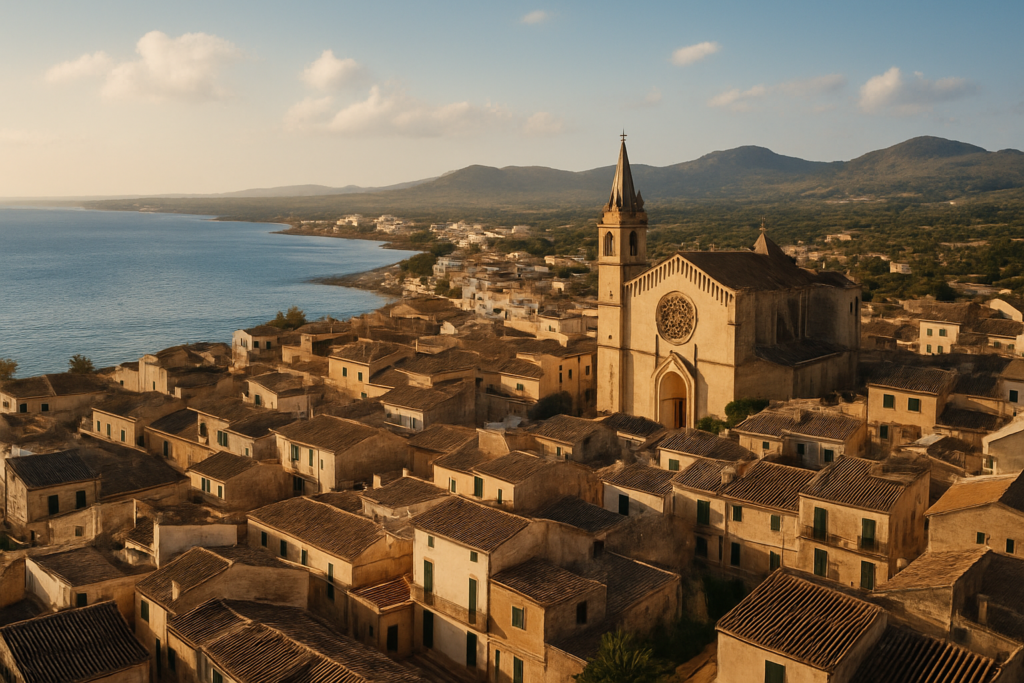
Son Servera at a glance
- Municipality in northeast Mallorca, Balearic Islands, Spain.
- Contains the popular summer resort area of Cala Millor.
- Costa de los Pinos is a summer enclave known for attracting Spanish high society.
- Patron saint: Sant Joan, celebrated locally on 24 June with fairs and traditional dances.
- Long documented history: first written record in 1354 as Benicanella; founded in 1300 by James I of Aragon.
- More than 10,000 inhabitants and a notable German community.
- Has produced notable locals, including the footballer Antonio Luna (born 1991).
Before you plan
There are no verified closures or redevelopment advisories in the material we cross-checked for this guide. Local festas and coastal areas operate on seasonal rhythms: confirm event dates and opening hours locally, especially if you travel outside the high season.
Things to do in Son Servera
Most visitors combine relaxed coastal days with a handful of local experiences: a stroll along the resort promenade, a beach day at a popular cove, and, if your timing is right, a municipal fiesta that shows local traditions. Below is a compact comparison to help pick what suits your trip.
| Attraction | What it is | Price/entry | Best for |
|---|---|---|---|
| Cala Millor | Popular summer tourist beach and resort area | – | Beach days, family stays |
| Costa de los Pinos | Upscale coastal district frequented in summer | – | Quieter, upscale seafront stays |
| Sant Joan fiesta (24 June) | Local patron saint celebrations with fairs and traditional dances | – | Cultural immersion, mid-summer travel |
Cala Millor: the resort strip
Cala Millor is the single most visited part of the municipality for tourists: a long summer-focused stretch where hotels, restaurants and beach services orient toward visitors. It’s the logical base for those whose priority is sand, sea and a predictable tourist infrastructure. Expect the atmosphere to be busiest in summer months, when the resort’s facilities are in full swing.
Costa de los Pinos: a different seaside pace
The coast here is known locally as an enclave that draws well-heeled summer visitors. If your idea of a coastal stop leans toward quieter, more residential beaches and private villas rather than a continuous tourist promenade, this area is worth prioritising. Facilities and the overall feel contrast with the busier resort strip.
Experience Sant Joan — local festival life
If you travel in late June, you can witness Sant Joan celebrations. The town marks its patron saint on 24 June with fairs and traditional dances; these festivities present an honest, local slice of life that’s often absent from packaged tourist experiences.
Best beaches in Son Servera
Beaches here split between lively resort sand and quieter coves. Pick according to whether you want a full-service day or a calmer shore.
| Beach | Character | Facilities / Notes |
|---|---|---|
| Cala Millor | Busy, family-oriented resort beach | Popular tourist area with typical beach services in high season |
| Costa de los Pinos (coastline) | Quieter, upscale coastal stretches | More residential in feel; favoured by summer visitors seeking calm |
Son Servera with kids
The municipality suits families who prioritise straightforward beach days and predictable resort services. Cala Millor’s tourist infrastructure makes it the obvious family base: easy beach access, promenades and a selection of eateries aimed at visitors. If you prefer quieter stays with access to more private coastal spots, the residential coastlines are an alternative, but expect fewer child-specific attractions there.
How to get to Son Servera and get around
This is a northeast Mallorca municipality; most visitors reach it as part of an island itinerary. Within the area, expect travel patterns shaped by short distances between the town, the resort area and the coastal neighbourhoods. Many travellers treat the town as a compact hub and move between beaches and local centres by car, taxi or local services available in summer.
Where to stay in Son Servera
Accommodation choices fall into three practical clusters, each matching a different travel aim:
- Cala Millor — best for families and visitors who want a full-service seaside resort base.
- Costa de los Pinos — suits travellers seeking a quieter, more upscale coastal experience.
- Son Servera town — a more local base for exploring festivals, shops and inland life away from the busiest beaches.
Best time to visit Son Servera
Summer is when coastal areas operate at their fullest and local festas take place; if your trip is festival-led, plan for late June to coincide with the Sant Joan celebrations. Off-season visits will be quieter and offer a more local pace but expect reduced tourist services in the resort areas.
| Season | Months | What to expect |
|---|---|---|
| High season | Summer months | Resort areas busy; coastal facilities fully open; Sant Joan on 24 June |
| Shoulder / low season | Outside summer | Quieter coastal stretches; more local daily life; fewer tourist services |
History of Son Servera
The municipality’s recorded history runs deep. It was founded in 1300 by James I of Aragon and first appears in documents in 1354 under the name Benicanella. Over time small local estates like Son Fra Garí and Ca l’Hereu were consolidated into what is now the municipality. In the 19th and 20th centuries, administrative shifts and demographic events marked its development: by 1814 it had been incorporated into Artà by royal decree from Ferdinand VII, it reached a population milestone of roughly 1,000 inhabitants by 1934, and the town endured a plague in 1920. Today it has grown to a community of more than 10,000 inhabitants.
Practical info
- Population and community: The municipality has a population of over 10,000 and hosts a large German community; expect German-language services and businesses in several areas.
- Local culture: Sant Joan (24 June) is the patron saint day and includes traditional dances and fair activities — a reliable cultural highlight if your visit aligns with the date.
- Notable locals: Football supporters may recognise Antonio Luna, born in 1991, as one of the municipality’s notable figures.
- Seasonality: Coastal neighbourhoods and tourist services are highly seasonal. Plan and book accommodation early for summer travel.
Worth it for: visitors who prioritise an easy beach-centred holiday with local festival culture and who like the option of both busy resort facilities and quieter upscale coastal pockets. Less so if: you want a remote, quiet island escape year-round without any tourist infrastructure — parts of the municipality are distinctly seasonal.
How we assess this guide
This guide is compiled from verified historical and local facts: founding dates, documented names, demographic notes, and cultural-calendar items. We cross-checked municipal records and cultural references and flag event dates and status changes when sources indicate closures or redevelopment. This is not first-hand field reporting; it is a synthesis of authoritative records and municipal facts to help you set realistic expectations.
Frequently asked questions
How do I get to Son Servera?
Son Servera sits in northeast Mallorca and is reached via the island’s transport network. Visitors typically travel along Mallorca’s roads to reach the town and its coastal areas; local options within the municipality connect the town, Cala Millor and the coast.
Is Son Servera expensive?
Cost levels vary by district: resort and upscale coastal areas draw higher seasonal prices, while more local parts of the town offer typical municipal-level pricing. Expect price peaks in the high summer season.
Which beach is best for families?
Cala Millor is the municipality’s family-oriented resort area, with a beach and tourist infrastructure suited to children and straightforward beach days.
How many days should I spend here?
Spending a long weekend gives you a solid taste of the resort life and a local cultural highlight; a week lets you combine relaxed beach days with short excursions and festival attendance if your dates align with Sant Joan.
Is this place good for families with young children?
Yes — the resort area of Cala Millor is particularly child-friendly and geared toward family stays, with easy beach access and visitor-focused services.
Can I get around without a car?
Within the municipality, the town, resort strip and coastal areas are close enough that local transport options, taxis and short transfers can be used. The exact availability of public bus services varies by season and route.
Is parking difficult?
Parking pressure increases in peak summer months, particularly near the busy resort areas. If you travel in high season, expect heavy use of coastal parking and plan accordingly.
What are good rainy-day options?
Indoor, cultural or culinary experiences are concentrated in town centres rather than the beaches; local cafes and municipal cultural offerings provide alternatives when the weather turns. Specific venues and opening hours vary seasonally.
When is the Sant Joan festival?
The patron saint day, Sant Joan, is celebrated on 24 June and includes fairs and traditional dances — a highlight for visitors interested in local culture.
Are there communities of foreigners here?
Yes. There is a large German community in the municipality, which influences local services and the language mix in many areas.
What is the character of Costa de los Pinos?
It is a summer coastal enclave that has historically attracted Spanish high society and offers a quieter, more upscale seaside atmosphere compared with the busier resort strip.
Are there notable historical facts I should know?
The municipality was founded in 1300 by James I of Aragon, first documented in 1354 as Benicanella, and underwent notable changes in later centuries, including an 1814 administrative incorporation into Artà ordered by Ferdinand VII.
Who are notable people from the area?
One verifiable notable person is the footballer Antonio Luna, born in 1991, who hails from the municipality.
Has the town had historical hardships?
Yes. Records indicate the municipality was struck by a plague in 1920, and demographic shifts have punctuated its history since the early 20th century.
How big is the town?
The municipality has grown to more than 10,000 inhabitants, reflecting a substantial local population alongside its seasonal visitor numbers.
Plan the wider trip
- Illes Balears – komplett reiseguide
- Palma de Mallorca
- Manacor
- Sant Llorenç des Cardassar
- Felanitx
- Santanyí
Son Servera on the map
How this page is maintained. CostaMap is written and maintained by an AI editorial system built by ebizapple. Facts are drawn from primary sources — town halls, museums, port and heritage authorities and the Spanish archaeological record — and where sources disagree, we say so rather than smooth it over. Photographs marked as ours are taken on location. This page was last reviewed on 13 August 2026. Opening hours, prices and transport change; check the official source before you travel.