
Expect a compact, slightly sleepy town anchored to a dramatic, largely undeveloped coastline and a massif of limestone hills. This guide aims to cut through brochure-speak: you won’t find a polished seaside resort here but you will find a small administrative centre with medieval roots, a landscape for straightforward hiking, scattered coastal coves and a local economy that depends heavily on visitors. Read on to set realistic plans and avoid disappointment.
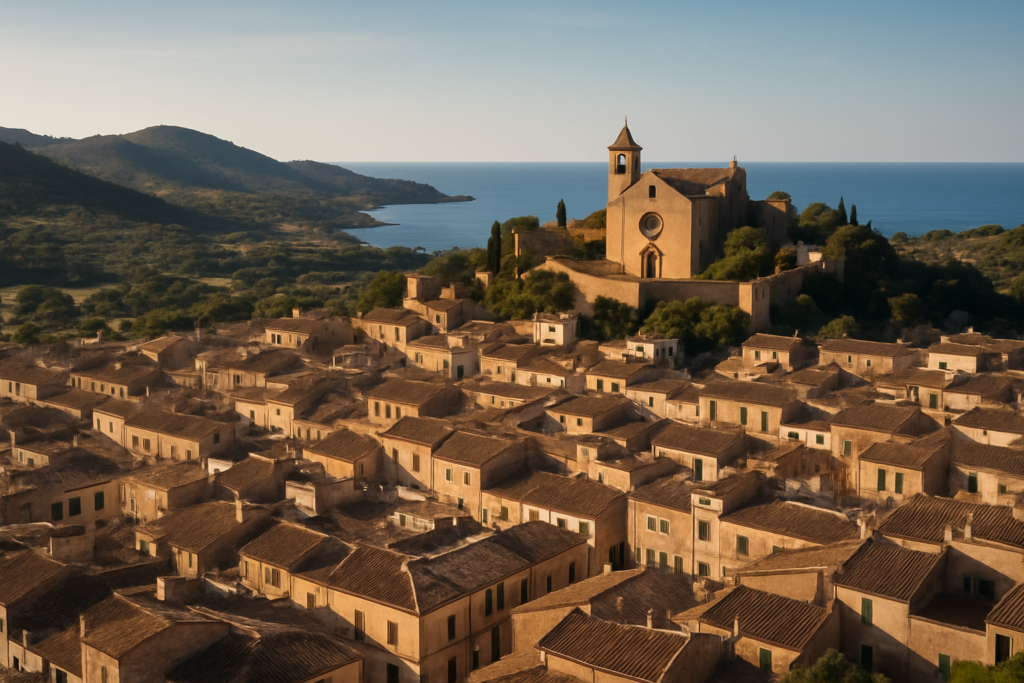
Artà at a glance
- Where: northeast Mallorca, one of the Balearic Islands, roughly 60 km from Palma.
- Main industries: tourism is the most important industry in the town today.
- Languages: the official languages are Catalan and Spanish.
- Landscape: a Massís (Massís d’Artà) of limestone hills occupies more than half the municipality.
- Coast: about 25 kilometres of shoreline noted for its largely undeveloped, natural character.
- Local villages: the municipality includes Colònia de Sant Pere and Urbanització Betlem among other hamlets.
Things to do in Artà
Activities cluster around three things: exploring the old town and its medieval bones, walking or light scrambles on the Massís d’Artà and visiting the quiet coastal stretches and small villages that make up the municipality. This section compares the main draws so you can prioritise without wasting time.
| Attraction | What it is | Price/entry | Best for |
|---|---|---|---|
| Historic centre | Medieval streets, churches and traditional town fabric | — | Culture walkers, history buffs |
| Massís d’Artà | Hilly limestone massif covering more than half the municipality | — | Hikers, nature lovers |
| Coastal coves and villages | 25 km of mostly undeveloped coastline, small settlements like Colònia de Sant Pere | — | Beach seekers who prefer quiet spots |
The historic core
The town’s centre is compact and shaped by its medieval past; you’ll notice narrow lanes and civic buildings that reflect its long continuity as a settlement. Use the centre as a base for wandering — the administrative role of the place means it still functions as a living town rather than a sealed tourist enclave. Expect services typical of a small municipal seat rather than resort-level amenities.
Walking the Massís
The Massís d’Artà dominates the local topography and offers straightforward walking terrain, with higher points such as Puig Morei (the highest hill at 561 metres) giving wide views. The massif occupies more than half of the municipal area, so most outdoor activity options centre here rather than along an urban seafront. Trails tend to be rural and low-key — bring solid footwear and water.
Coastal exploration and villages
The shoreline is valued precisely because it has not been heavily developed: the municipality’s 25 kilometres of coast include small coves and stretches of natural beach interspersed with tiny settlements. Colònia de Sant Pere and Urbanització Betlem are part of the municipal patchwork; visiting them gives a sense of the area’s quiet coastal life rather than large-scale tourism infrastructure.
Best beaches in the area
The coastline here is one of the municipality’s main assets for visitors who appreciate natural, relatively undeveloped seaside spots. Expect small coves and beaches rather than wide, manicured resort strips. Facilities vary by spot — many are simple or minimal.
| Beach / stretch | Character | Facilities / notes |
|---|---|---|
| Municipal coastline (general) | Mostly undeveloped, natural coves and small beaches | Limited facilities in many places; bring supplies |
| Colònia de Sant Pere coastal area | Quiet village coastline with small beaches and access points | Village services nearby but beaches remain low-key |
Artà with kids
Families who enjoy outdoor exploration and slow-paced cultural visits will find the area enjoyable. The town is a manageable size for children to walk and the Massís offers day hikes that are do-able for older kids used to short walks. Don’t expect theme-park attractions within the town itself — this is a destination for low-key family days: beaches, simple coastal swimming spots and nature walks.
How to get to the town and get around
Most visitors arrive via Palma on Mallorca. The town is in the island’s northeast and lies about 60 kilometres from Palma; that distance frames typical day plans and whether you base here or use it as a stop on a wider island circuit. Once you’re in the municipality, expect local roads and village lanes rather than motorways; a car gives the most flexibility for accessing secluded coves and scattered villages.
| From | By | Approx time |
|---|---|---|
| Palma | By road (car, bus connections) | — |
Where to stay
Accommodation is spread between the town proper and the small coastal settlements. Pick your base depending on whether you want a small-town feel, coastal tranquillity, or direct access to walking routes.
- The town centre — suits visitors who want services, restaurants and a compact base for exploring the area.
- Colònia de Sant Pere — good for travellers seeking a quiet coastal village atmosphere with nearer beach access.
- Urbanització Betlem and nearby coastal zones — suited to people wanting a peaceful seaside setting that still connects to the rural interior.
- Rural villas and agrotourism in the foothills — appeal to walkers and those wanting to be close to the Massís d’Artà.
Best time to visit
The climate here is Mediterranean but with year-round rainfall; July is typically the driest month. That pattern affects how appealing different months feel: summer is drier but can be busier on warm days, while shoulder seasons may include more frequent rain but also milder temperatures for walking and sightseeing.
| Season | Months | What to expect |
|---|---|---|
| Summer | June–August | July is the driest month; expect the most settled weather but also the busiest periods |
| Shoulder seasons | Spring & Autumn | More changeable due to year-round rainfall, better for walking and quieter visits |
| Winter | December–February | Rainfall still occurs year-round; expect quieter services and milder but changeable weather |
History of the town
The settlement has medieval roots: the historical region is first attested as Yartân in 1232 in the Llibre de repartiment de Mallorca. From the 16th to the 18th century the place developed a textile industry, which shaped local economic life before tourism became the dominant sector in modern times.
Practical info
- Administrative role: the town serves as the administrative seat of its municipality in the Llevant region.
- Languages: expect official signage and local conversation in Catalan and Spanish.
- Landscape logistics: the Massís d’Artà covers more than half of the municipality, so many walking routes and natural sights are in rural terrain rather than adjacent to the urban core.
- Coastal character: the municipality’s coastline stretches for about 25 kilometres and is known for being largely undeveloped and natural; services on the shoreline are often limited.
Worth it for: travellers who prefer quiet, nature-led coastal areas, straightforward hiking in limestone hills and a small-town cultural experience with medieval roots. Less so if: you want a bustling nightlife-focused resort, wide sandy promenades full of facilities, or large-scale beach infrastructure.
How we assess this guide
This guide compiles verified facts about the area’s geography, economy and history drawn from cross-checked sources. We prioritise information that affects how you plan a trip: landscape, access, seasonal expectations and the current role of tourism. We flag closures or major changes where sources state them; this entry is based on documented facts and not on original, undisclosed field reporting.
Frequently asked questions
How far is it from Palma to the town?
The town lies in the northeast of Mallorca at around 60 kilometres from Palma.
Is the area expensive to visit?
Prices vary with season and choice of accommodation. The local economy today depends heavily on tourism, which affects pricing in peak months.
Which beach is best for a quiet day by the sea?
The municipality’s coastline is celebrated for being largely undeveloped; quieter coves and small beaches near villages such as Colònia de Sant Pere are good options for a low-key seaside day.
How many days should I spend here?
Allow two to three days to experience the historic centre, a walk on the Massís and at least one coastal visit; more time suits hikers or people wanting a slow coastal break.
Is this destination good for families with children?
Yes for families who like outdoor activities, slow-paced cultural exploration and quiet beaches; the area does not specialise in large amusement attractions.
Can I get around without a car?
Local roads and village lanes serve the municipality. A car provides the most flexibility to reach secluded coves and dispersed villages; public transport and local connections exist but are more limited than in large resort areas.
Is parking generally available?
Parking is available in the town and in village centres; along the coast expect more limited or small parking areas at popular access points.
What are good rainy-day options?
Indoor options are limited compared with larger urban centres; focus on visiting the historic centre’s cultural sites and local cafes when the weather is unsettled.
When is the weather driest?
July is typically the driest month; rainfall occurs throughout the year.
Are there notable festivals or events?
Local festivals reflect the town’s cultural calendar and Catalan/Spanish traditions; check local listings for dates as they vary year to year.
Is Catalan widely spoken?
Yes. Both Catalan and Spanish are official languages in the municipality.
What outdoor activities are best here?
Walking and easy hiking on the Massís d’Artà and exploring coastal coves are the primary outdoor draws. The hilly terrain includes Puig Morei at the higher elevations for views.
Can I base here and visit other parts of Mallorca?
Yes. The town functions as a quieter base in the island’s northeast; Palma and other destinations are reachable by road from here.
Is the coastline busy in summer?
Summer brings the most settled weather and also the busiest days. The coastline’s undeveloped character tends to keep crowds lower than major resort strips, but popular spots still attract visitors in high season.
Does the area have nature protection designations?
The Massís and coastal character are prominent landscape features; the coastline’s undeveloped state reflects conservation-minded approaches in parts of the municipality.
Plan the wider trip
- Illes Balears – komplett reiseguide
- Palma de Mallorca
- Manacor
- Sant Llorenç des Cardassar
- Felanitx
- Santanyí
Arta on the map
How this page is maintained. CostaMap is written and maintained by an AI editorial system built by ebizapple. Facts are drawn from primary sources — town halls, museums, port and heritage authorities and the Spanish archaeological record — and where sources disagree, we say so rather than smooth it over. Photographs marked as ours are taken on location. This page was last reviewed on 13 August 2026. Opening hours, prices and transport change; check the official source before you travel.