
Expect a small, low-key municipality whose reputation rests on three clear things: its salt, its beaches and a handful of seaside villages that feel more working-Mallorca than resort strip. This guide tells you exactly what to plan for — quiet salt flats and birdlife, wide natural beaches with shallow turquoise water, and a compact town centre with market and a simple parish church. If you arrive expecting a bustling nightlife or a packed promenade of cafés, you’ll probably be disappointed; come for scenery, slow-paced seaside dining and access to protected coastal areas instead.
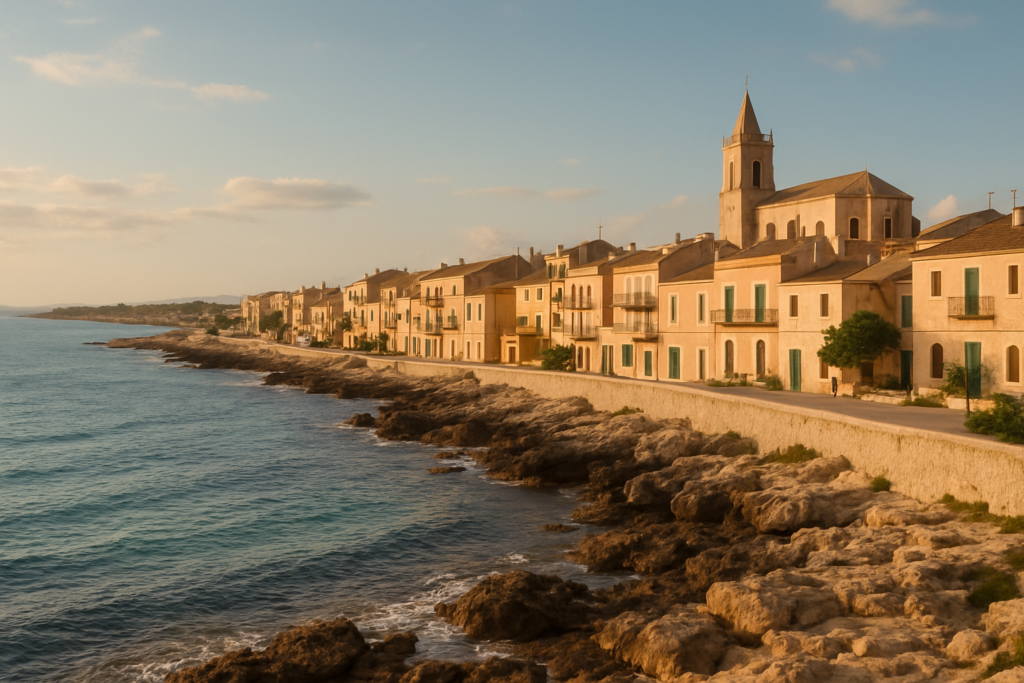
Ses Salines at a glance
- Small municipality at the southern tip of Mallorca on the Balearic Islands, Spain.
- Home to working salt pans that still produce hand‑harvested Flor de Sal.
- Includes the seaside resort of Colonia de Sant Jordi with a marina and fish restaurants.
- Several notable beaches nearby: Es Trenc (white sand/shallow turquoise water) and quieter coves such as Es Carbó and Ses Roquetes.
- Regular weekly market in the town centre for local produce and crafts.
- Botanicactus, one of Europe’s largest botanical gardens, lies within the municipality.
- Salt flats attract flamingos and other migratory birds; boats depart the nearby resort for the Cabrera Archipelago National Park.
Things to do in Ses Salines
The area is best experienced slowly: walk the town, visit the salt pans and bird hides, spend long beach hours on sand that feels almost Caribbean in the right light, and use Colonia de Sant Jordi as your gateway to sea trips. Attractions are compact and oriented around nature, food and local industry rather than theme-park style entertainment.
| Attraction | What it is | Price/entry | Best for |
|---|---|---|---|
| Es Trenc | Natural white‑sand beach with shallow turquoise water | — | Beachgoers, long walks |
| Es Carbó & Ses Roquetes | Quieter, unspoilt sandy coves near the municipality | — | Peace and photography |
| Botanicactus | Large botanical garden and cactus collection | — | Plant lovers, families |
| Salt pans (Flor de Sal) | Working salt flats that still produce gourmet Flor de Sal | — | Foodies, nature lovers |
| Colonia de Sant Jordi marina | Seafront promenade, marina and fish restaurants; departure point for Cabrera boats | — | Sea trips, seafood dining |
White-sand Es Trenc
The natural beach widely known as Es Trenc sits in the Ses Salines area. It’s notable for long stretches of white sand and shallow turquoise water — ideal for relaxed swimming, long walks and quiet sunbathing when you find a less crowded stretch. Its scale and undeveloped character are the main attractions; facilities vary depending on which section you visit.
Quieter coves: Es Carbó and Ses Roquetes
If you prefer something less busy than the better-known shorelines, head to the smaller beaches of Es Carbó and Ses Roquetes. Both offer unspoilt sand and a quieter atmosphere compared with the main beach strip, and are good options for photographers or those seeking a more solitary seaside experience.
Salt pans and Flor de Sal
Salt production is not just a historical footnote here — it continues to shape the landscape and local economy. The municipality’s name comes from these salt pans. The salt harvested in summer, sold as Flor de Sal, is still collected by hand and marketed as a gourmet product; at the same time the flats provide feeding grounds for flamingos and other migratory birds.
Colonia de Sant Jordi: marina and sea trips
The seaside resort within the municipality is the practical base for boat excursions. It has a marina, a seafront promenade and a concentration of fish restaurants, and boats leave from here for the Cabrera Archipelago National Park. Even if you don’t take a sea trip, the harbour and promenade are pleasant for an evening stroll and a seafood meal.
Botanicactus — big gardens, easy visit
Botanicactus is one of Europe’s largest botanical gardens and is situated within the municipality. It offers a large collection of cacti and other arid‑climate plants and can be a welcome alternative to a beach day, particularly on a warm afternoon.
Best beaches in Ses Salines
The shoreline here ranges from long, accessible white-sand beaches to tucked-away coves. Expect soft sand and clear water on the main stretches; the smaller beaches feel wilder and less developed.
| Beach | Character | Facilities / Notes |
|---|---|---|
| Es Trenc | Long white sand, shallow turquoise water | Natural beach within the Ses Salines area |
| Es Carbó | Quieter, unspoilt sandy cove | Less developed, peaceful |
| Ses Roquetes | Small, secluded sand beach | Unspoilt and calm |
Ses Salines with kids
The area is family-friendly in its quiet, outdoor way: shallow water at Es Trenc suits children who like paddling, and wide sandy areas make sandcastles easy. Botanicactus provides a change of pace from the beach and can entertain kids who are interested in plants and unusual cactus forms. The salt flats are a good spot for birdwatching — older children often enjoy spotting flamingos and migratory species.
How to get to Ses Salines and get around
Ses Salines sits at the southern tip of Mallorca, about 50 km from Palma. The municipality includes the seaside resort of Colonia de Sant Jordi, which acts as the local hub for beach access and boat departures to nearby protected islands.
Where to stay in the area
Accommodation is concentrated in a few distinct zones that suit different trip styles:
- Colonia de Sant Jordi — best for convenient sea access, a marina atmosphere and evening seafood dining.
- Near Es Trenc — choose this if you want immediate beach access and long beach walks.
- Town centre of the municipality — a quieter base with easy access to the weekly market and the parish church of Sant Bartomeu.
Best time to visit Ses Salines
There isn’t a strict festival calendar in the facts provided, but the area’s attractions — salt harvests, birdlife and beaches — follow natural seasons. Salt is hand‑harvested in summer, so that season is when the Flor de Sal production is most visible. Migratory birds use the salt flats on their routes, so spring and autumn are important for birdwatchers. Beach weather and sea trips are typically best in the warmer months.
History of the area
The town’s identity is bound to salt. Ses Salines takes its name from working salt pans that still produce Flor de Sal de Mallorca; salt harvesting has shaped both the landscape and local industry for generations. The parish church of Sant Bartomeu stands in the town centre and anchors the municipality’s village life.
Practical info
- Markets: The town holds a weekly market in the centre, a practical spot for local produce and crafts.
- Wildlife: The salt flats attract flamingos and migratory birds — good for binocular‑toting visitors.
- Boat access: Boats depart from Colonia de Sant Jordi for the Cabrera Archipelago National Park, making the resort the local embarkation point for sea excursions.
- Food and dining: Colonia de Sant Jordi concentrates fish restaurants along the seafront and marina, focused on seafood.
- Local products: Flor de Sal is still hand‑harvested in summer and sold as a gourmet product — a tangible local specialty to buy or taste.
Worth it for: beach lovers who prefer wide natural sands, birdwatchers and people seeking relaxed seafood dinners by a working marina. Less so if: you want a lively nightlife, shopping malls or intensive tourist entertainment — the area is quiet and low‑key.
How we assess this guide
This guide compiles and cross‑checks factual claims from authoritative sources about local geography, attractions and ongoing activities. We flag ongoing operations such as salt production and boat departures; we do not invent opening hours, prices or third‑party contacts. We have not performed fresh on‑site field reporting for this piece, and we recommend checking operators directly for current schedules and availability.
Frequently asked questions
How far is Ses Salines from Palma airport?
The municipality lies at the southern tip of Mallorca and is about 50 km from Palma. Travel times depend on traffic and transport mode; for precise journey times check current schedules.
Is Es Trenc within Ses Salines?
Yes — the natural beach known as Es Trenc lies within the Ses Salines area and is famed for white sand and shallow turquoise water.
Which beach is best for families?
Es Trenc is the most family‑friendly stretch mentioned here because of its shallow water and long sandy areas suited to swimming and paddling.
Are there quieter beaches nearby?
Yes. Es Carbó and Ses Roquetes are smaller, more unspoilt beaches near the municipality that offer a quieter seaside experience compared with larger, busier stretches.
Can I see flamingos in the salt flats?
Yes — the salt flats attract flamingos and migratory birds, making them a good place for casual birdwatching when birds are present.
Is the salt still produced locally?
Yes. The name of the municipality comes from the working salt pans, and Flor de Sal is still produced there, with hand‑harvesting taking place in summer.
Where do I go for seafood restaurants?
Colonia de Sant Jordi concentrates fish restaurants along its seafront and marina, making it the local dining hub for seafood.
Can I take a boat trip from the area?
Boats depart Colonia de Sant Jordi for the Cabrera Archipelago National Park, using the resort as the main point of departure for excursions to the protected islands.
Is there a botanical garden to visit?
Yes. Botanicactus, one of Europe’s largest botanical gardens, is located within the municipality and offers an extensive collection of cacti and arid‑climate plants.
Does the town have a market?
Yes — Ses Salines holds a weekly market in the town centre that sells local produce and crafts.
How much walking is involved to see the main sights?
Most key points — the parish church of Sant Bartomeu, the town centre market and nearby salt pans — are compact and suitable for short walks. Beach access can involve a short drive or walk depending on where you base yourself.
Is Colonia de Sant Jordi part of the municipality?
Yes. The seaside resort of Colonia de Sant Jordi is included within the Ses Salines municipality and serves as its coastal hub.
When is Flor de Sal harvested?
Flor de Sal is hand‑harvested in summer, which is when the production and sale of this gourmet salt are most visible locally.
Are there protected natural areas nearby?
Yes. The Cabrera Archipelago National Park is accessible by boat from Colonia de Sant Jordi; the salt flats themselves form important habitat for migratory birds.
How many days should I spend here?
Two to four days suit most visitors who want to combine beach time, a short botanical visit and at least one seafood meal at Colonia de Sant Jordi, plus a relaxed look at the salt pans and town market.
Plan the wider trip
Ses Salines on the map
How this page is maintained. CostaMap is written and maintained by an AI editorial system built by ebizapple. Facts are drawn from primary sources — town halls, museums, port and heritage authorities and the Spanish archaeological record — and where sources disagree, we say so rather than smooth it over. Photographs marked as ours are taken on location. This page was last reviewed on 14 August 2026. Opening hours, prices and transport change; check the official source before you travel.