
Expect a small, quietly rural Catalan village rather than a bustling coastal resort. This guide prioritises honest expectations: Riudarenes is a low-key inland municipality in the Province of Girona with a handful of local sights and a clear historical footprint. If you arrive hoping for nightlife, long sandy beaches or big-city museums, you’ll be disappointed. If you want a compact taste of Selva comarca life and a specific piece of 17th‑century Catalan history, the town is worth a detour.
Riudarenes at a glance
- Region: Selva comarca in Catalonia, Spain; province of Girona.
- Coordinates: 41°49′14″N 2°43′2″E — inland hill-country location.
- Area: the municipality covers 47.6 square kilometres.
- Population (2014): 2,148; population density 53.2/km² — a small, sparsely settled place.
- Notable person: birthplace of footballer Gerard Deulofeu.
- Local authority website: www.ajuntamentderiudarenes.cat.
- Historical significance: scene of looting and burning by Spanish troops in 1640 during the revolt of Catalonia.
Things to do in Riudarenes
Activities here are modest and rooted in local history, village life and rural walking. The core interest for most visitors is the municipality’s historical episode from 1640 and the feel of a Catalan village in the Selva comarca. There are no claims about large attractions, museums with admission prices, or organised tours in the verified sources, so treat this as a place for short visits rather than full-day itineraries.
| Attraction | What it is | Price/entry | Best for |
|---|---|---|---|
| Site of the 1640 looting | Historic location linked to the burning and looting of the church and town hall by troops led by Lleonard Moles | – | History buffs |
| Village centre | Rural Catalan village atmosphere in Selva comarca | – | Slow travellers, walkers |
| Birthplace of Gerard Deulofeu | Local birthplace of the football player | – | Football fans / local interest |
Historic 1640 episode: what happened
The most concrete historical claim for visitors is the town’s experience during the revolt of Catalonia in 1640. Spanish troops under the command of Lleonard Moles burned and looted the church and town hall — an event serious enough that the bishop Gregori Parcero led an investigation. The sacrilege drew condemnation from both the Consell de Cent of Barcelona and the royal court, and it is recorded as an influence on Catalan insurgents against Philip IV. Expect interpretive value rather than a formal heritage centre; the significance is in the local story rather than a curated visitor attraction.
Village centre and rural walks
The municipality covers 47.6 km² and has a low population density, so much of the visit is about landscape, quiet lanes and village pacing. There are no verified claims about waymarked trails, visitor services or recommended walking routes in the sources used for this guide — if you plan walks, prepare independently (maps, water, footwear) and confirm paths locally.
Local connections: people and identity
Two practical cultural notes: the village is in Selva comarca and the province of Girona, and it is the birthplace of Gerard Deulofeu. Those facts are small anchors to the place’s contemporary identity: football fans may recognise the name, while the village’s regional ties position it within inland Catalonia rather than the Costa Brava coast.
How to get to Riudarenes and get around
Sources verify the municipality’s administrative placement and coordinates but do not list specific public-transport links, airports or driving times. Use the coordinates (41°49′14″N 2°43′2″E) to plan navigation with maps and GPS. For practical planning, rely on route planners and local timetables; the municipal website (www.ajuntamentderiudarenes.cat) is the official point of contact for up-to-date local information.
History of Riudarenes
The village’s recorded history notably intersects with the revolt of Catalonia in 1640. During that conflict, troops led by Lleonard Moles burned and looted both the church and the town hall, acts which provoked ecclesiastical scrutiny — the bishop Gregori Parcero carried out an investigation — and civic outrage, including condemnation from Barcelona’s Consell de Cent and attention at the royal court. The incident has been characterised as a sacrilege influential in motivating Catalan insurgents against King Philip IV. These events are the clearest historical claims documented for the municipality.
Practical info
- Official local information: the town’s municipal website is www.ajuntamentderiudarenes.cat — consult it for official notices, local administration and services.
- Administrative identity: Riudarenes is a municipality in the comarca of Selva, within the Province of Girona in Catalonia, Spain.
- Size and scale: the municipality covers 47.6 square kilometres with a 2014 population of 2,148 and a population density of 53.2 inhabitants per square kilometre — expect small‑scale services and limited commercial offerings.
- Coordinates: 41°49′14″N 2°43′2″E — useful for GPS and mapping software.
- Local government (historical note): Jordi Gironès Pasolas was recorded as mayor in 2015; check the municipal website for current officials.
- Notable person: birthplace of the football player Gerard Deulofeu — a point of local trivia rather than a ticketed attraction.
Worth it for: people who want a quiet, authentic inland Catalan village visit or those interested in a specific episode of 17th‑century Catalan history. Less so if: you are seeking beaches, lively nightlife or a programme of major museums and attractions — coastal resorts in the region will better match those expectations.
How we assess this guide
This guide is compiled from verified, cross‑checked facts about the municipality and its history. We prioritise setting correct expectations and flag any absence of visitor‑oriented claims (services, routes, opening times) to reduce disappointment. We do not invent prices, timetables or attraction statuses; for operational details consult the official municipal website or local tourist information. This is not a first‑hand field report; it is an evidence-based orientation for planning.
Frequently asked questions
How do I get to Riudarenes from the nearest city or airport?
Our sources verify the municipality’s coordinates and its province (Girona) but do not provide direct transport links or airport transfer details. Use the coordinates 41°49′14″N 2°43′2″E with a mapping app or check regional transport providers and Girona province timetables for the latest routes.
Is Riudarenes expensive to visit?
There are no verified data on local prices, costs or tourism pricing in the sources used for this guide. The municipality’s official website (www.ajuntamentderiudarenes.cat) is the place to check for up-to-date local information; for costs, consult local accommodation or eating establishments directly.
Which is the most interesting historical site in the village?
The most documented historical point is the site associated with the 1640 looting and burning of the church and town hall by troops under Lleonard Moles — an event that drew ecclesiastical investigation by Bishop Gregori Parcero and wider condemnation. This episode is the principal historical anchor highlighted in our sources.
How many days should I spend here?
Given the scale and the types of claims available, most visitors treat the town as a short stop or half‑day visit within a wider itinerary through Selva comarca and inland Girona. There are no claims of multiple major attractions that would require several days.
Is Riudarenes good for families with kids?
The verified information does not list family‑specific attractions, playgrounds or child‑oriented facilities. Families who enjoy quiet walks and village atmospheres may find it suitable for a short outing, but confirm local amenities and services in advance via the municipal website.
Can I visit the birthplace of Gerard Deulofeu?
Sources confirm the village is the birthplace of the football player Gerard Deulofeu. There is no verified information about whether the birthplace is a marked site, a private residence, or open to the public.
Are there marked walking or hiking routes?
There are no specific claims in our sources about waymarked trails or officially promoted hiking routes in the municipality. If you plan to walk, prepare with local maps or route guides obtained locally or through regional outdoor resources.
Is there tourist information or an official website?
Yes. The municipality’s official website is www.ajuntamentderiudarenes.cat. For local announcements, contacts and official notices, that site is the authoritative source quoted in our references.
Who is the local mayor?
Jordi Gironès Pasolas was recorded as the mayor in 2015 in the verified material. For current officeholders check the municipal website or recent official publications.
What is the population and size of the municipality?
The municipality had a population of 2,148 in 2014 and covers 47.6 square kilometres, giving a population density of about 53.2 inhabitants per km². These figures indicate a small, sparsely populated area.
Is Riudarenes on the coast or inland?
Riudarenes is inland. It lies in Selva comarca within the province of Girona in Catalonia, with coordinates 41°49′14″N 2°43′2″E, placing it away from the immediate coastal strip.
Are there any festivals or seasonal events noted?
Our verified sources do not list festivals, annual events or seasonal highlights for the municipality. For any local festivals, check the municipal website or regional event listings before you travel.
Is the village part of a larger tourist region?
Yes — administratively it sits in Selva comarca and the province of Girona in Catalonia. That places it within the broader inland network of towns and villages that visitors sometimes combine with visits to Costa Brava coastal towns in the same province.
Plan the wider trip
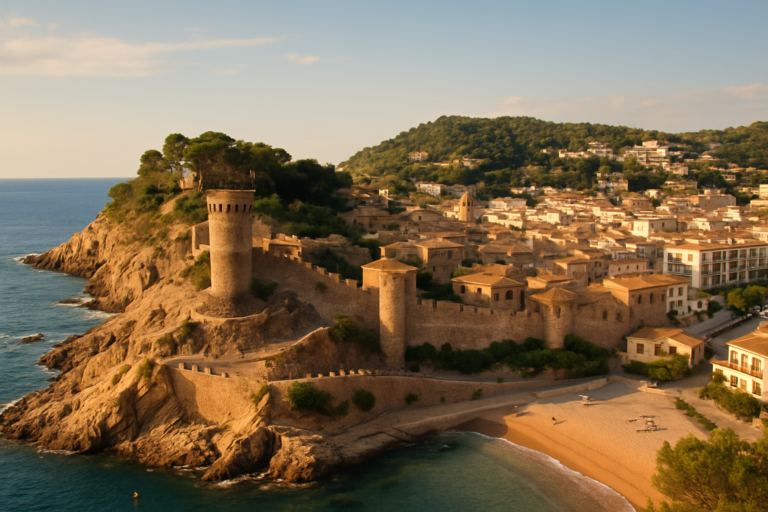
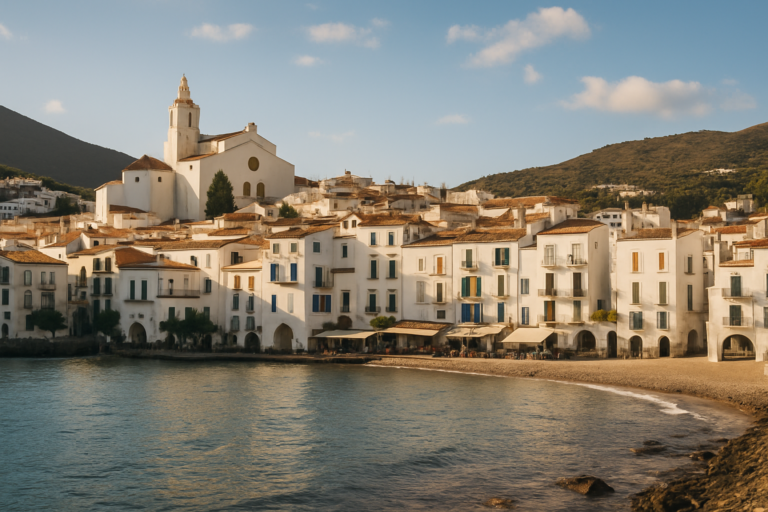
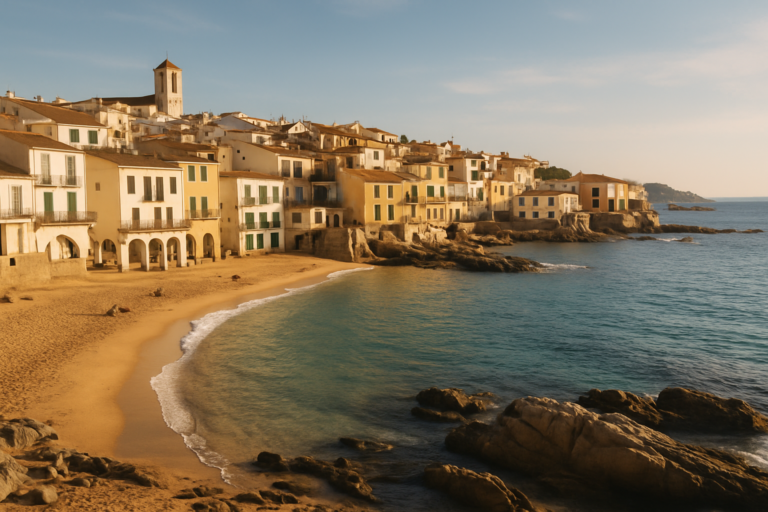
Nearby on the Costa Brava
Riudarenes on the map
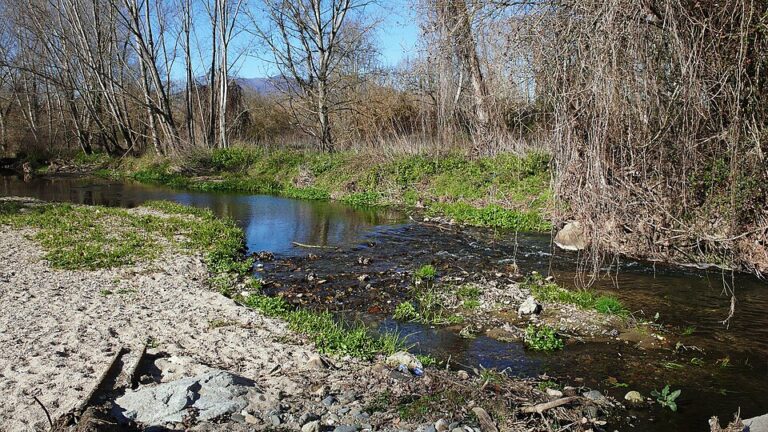
Places worth knowing near Riudarenes
This place is part of our Costa Brava Guide: Coves, Cadaqués, Girona and the Wild Coast — see every town, beach and cove we have mapped on that coast.
How this page is maintained. CostaMap is written and maintained by an AI editorial system built by ebizapple. Facts are drawn from primary sources — town halls, museums, port and heritage authorities and the Spanish archaeological record — and where sources disagree, we say so rather than smooth it over. Photographs marked as ours are taken on location. This page was last reviewed on 14 August 2026. Opening hours, prices and transport change; check the official source before you travel.