
Expect a small inland town that feels quietly Mediterranean rather than a glossy resort. This is a place defined by water — the Segura river, an old irrigation culture and carved cave dwellings — and its appeal is local colour and low-key craft and river bathing rather than headline attractions. If you want dramatic beaches on every corner or nonstop nightlife, look to the nearby coast; if you enjoy folk festivals, artisan workshops and a surprisingly green riverside in an otherwise sun‑baked region, this will repay a detour.
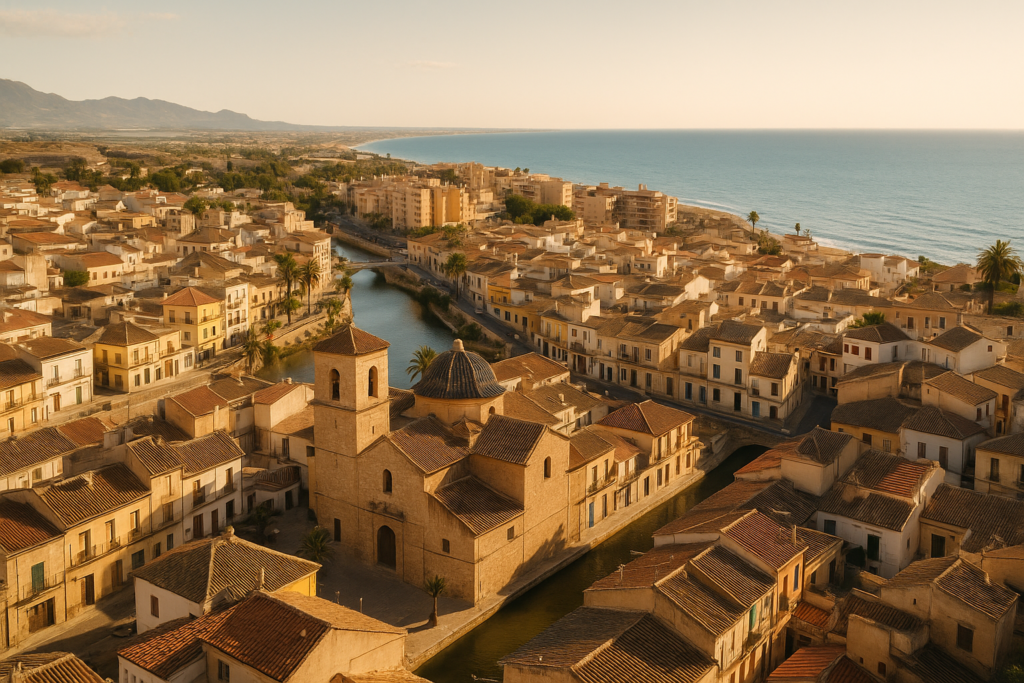
Rojales at a glance
- Located on the Segura river in the Vega Baja del Segura, inland from the southern Costa Blanca beaches.
- About 10–15 km from the beaches of Guardamar del Segura and La Mata — an easy day trip to the coast.
- Roughly 35 km southwest of Alicante and close to Torrevieja, within reach of the wider Costa Blanca south.
- Famous for the Cuevas del Rodeo — historic cave dwellings now hosting artisan pottery and craft workshops.
- Contains the large residential resort Ciudad Quesada and the La Marquesa golf course.
- Strong local traditions: Moors and Christians and river-linked summer festivities are held through the year.
- Historic hydraulic heritage visible along the Segura, including waterwheels and the 18th‑century Puente de Carlos III.
Things to do in Rojales
Most visitors here combine a stroll around the old town with time on the riverbank and a visit to the cave quarter. The draw is local authenticity: working craft studios, riverside bathing in warm months, and vestiges of an irrigation economy that shaped the landscape. Activities are compact and best done over a relaxed day or two rather than a packed itinerary.
| Attraction | What it is | Price/entry | Best for |
|---|---|---|---|
| Cuevas del Rodeo | Historic cave dwellings turned artisan workshops and cultural quarter | — | Crafts, local culture, photography |
| Charco de la Ceña | Natural riverside bathing spot on the Segura below the town’s old weir | — | Swimming, river picnic, cooling off in summer |
| Historic hydraulic features & Puente de Carlos III | Old waterwheels and an 18th‑century bridge illustrating the irrigation heritage | — | History, short walks, interpretation |
| Ciudad Quesada / La Marquesa | Large residential resort area; golf course nearby | — | Golf, expatriate community life, longer-stay amenities |
Cuevas del Rodeo: cave houses and workshops
The cuevas are the town’s signature attraction: traditional cave dwellings carved into local rock that have been repurposed into a small cultural quarter. Here you’ll find artisan pottery and craft workshops operating within the caves — a compact cluster where makers and visitors meet. Expect pottery, small galleries and working studios rather than a large museum complex. This is where Rojales’ arts-and-crafts scene is most visible and where you can buy locally made ceramics.
Riverside life and the Charco de la Ceña
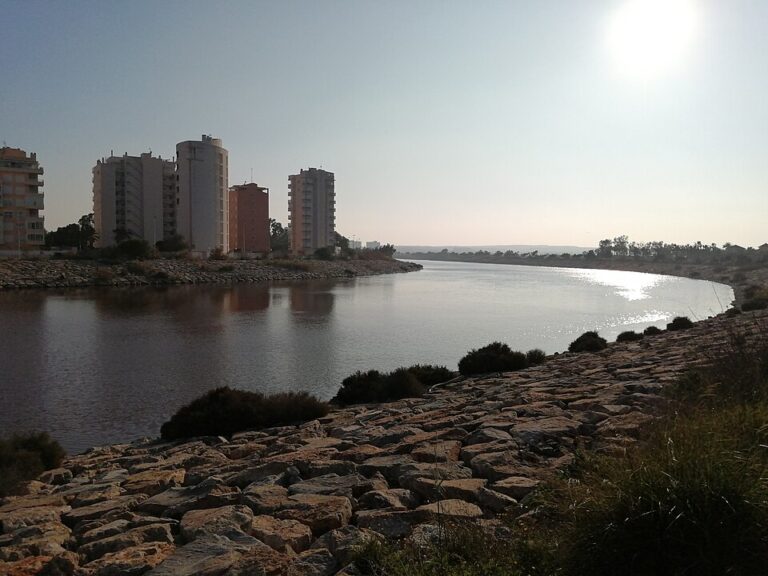
The Segura is central to the town’s identity. Walks along the riverside reveal old waterwheels and irrigation infrastructure that explain how agriculture and water management shaped the Vega Baja. Below the town’s old weir the Charco de la Ceña forms a natural riverside bathing spot: a local place to swim and cool off in warm weather set among reed-lined banks rather than a lifeguarded beach. It’s informal and best treated as a local hangout rather than a tourist facility.
Ciudad Quesada and La Marquesa: resort living and golf
Rojales comprises both the historic town and the large residential resort of Ciudad Quesada. The latter is oriented to longer-term residents (many international) and contains the La Marquesa golf course. If your idea of a holiday includes golf, apartment- or villa-style accommodation and services aimed at resident communities, this is the part of the municipality to consider. The contrast between cave dwellings and modern resort development is part of what makes the area interesting.
Best beaches in the area
The town is inland, so its beaches are on the nearby coast rather than within the municipality. Use the town as a quiet base from which to reach Guardamar and La Mata or the wider Costa Blanca south for long sandy shores.
| Beach | Character | Facilities / Blue Flag |
|---|---|---|
| Guardamar del Segura | Long sandy beach on the southern Costa Blanca, popular with day-trippers | — |
| La Mata | Sandy shore near a coastal town; an easy coastal option from the inland base | — |
Rojales with kids
Families looking for a low-pressure stay will find simple pleasures here: shallow riverside bathing at the Charco de la Ceña, gentle walks that illustrate how water shaped the landscape, and hands-on craft workshops in the Cuevas del Rodeo where children can watch potters at work. The nearby coast provides full beach days when children want sand and more structured seaside amenities. Note that riverside bathing is informal; supervise children and avoid assuming lifeguards or formal facilities will be present.
How to get to Rojales and get around
Getting here is straightforward if you have a car: the town sits roughly 35 km southwest of Alicante and is close to Torrevieja. Because the main attractions are spread between the old town, the river and Ciudad Quesada, a car makes visiting multiple sites in a day much easier. If you base yourself in the resort area, some services and shops cater to long-term residents and seasonal visitors.
| From | By | Approx time |
|---|---|---|
| Alicante | Car / road | — |
| Guardamar del Segura (coast) | Car / road | — |
Where to stay in Rojales
The municipality gives two distinct accommodation moods: the historic town near the Segura and the large residential resort areas including Ciudad Quesada.
- Old town / riverside: Best for short stays that focus on walking, the Cuevas del Rodeo and a quieter, more authentically Spanish feel.
- Ciudad Quesada / resort zone: Suits longer stays, golfers or people looking for apartment-style accommodation among an international resident community and proximity to La Marquesa golf course.
- Coastal base (nearby Guardamar / La Mata): If your priority is beaches, you can stay on the coast and visit the town on a day trip — this keeps hotel-and-beach life separate from the inland experience.
Best time to visit
The rhythm of the town follows the river and the traditional festival calendar. Summers bring river-linked festivities and local swimming at the Charco de la Ceña; traditional celebrations such as Moors and Christians occur at various times through the year and are highlights of local life. For a visit that combines pleasant outdoor walking, crafts and local festivals, plan around the warmer months and festival dates — check local listings for specific event dates when you book.
| Season | Months | What to expect |
|---|---|---|
| Summer | Summer months | River bathing at Charco de la Ceña; river-linked summer festivities |
| Festival season | Throughout the year | Traditional fiestas including Moors and Christians and other local celebrations |
History of Rojales
The town’s history is visible in its built and hydraulic fabric. The Cuevas del Rodeo preserve an old form of dwelling — cave houses carved into rock — that speak to local adaptation and reuse over centuries. The Segura river and its irrigation systems underpin the area’s agricultural wealth; old waterwheels and the 18th‑century Puente de Carlos III are tangible reminders of that hydraulic past. Over time the municipality has grown to include modern residential developments such as Ciudad Quesada, creating a layered place where historic rural life and contemporary resort living coexist.
Practical info
- Water and river access: The Charco de la Ceña is a natural, informal bathing spot — expect no formal lifeguard service or beach infrastructure. Treat it as a local swimming hole.
- Local crafts: Cuevas del Rodeo houses active artisan pottery and craft workshops; this is the best place to purchase locally made ceramics and to observe traditional techniques in use.
- Golf and services: La Marquesa golf course and the amenities of Ciudad Quesada serve residents and visitors who prefer a resort-style stay or want organised sporting facilities.
- Transport links: The town’s proximity to Alicante, Torrevieja and the southern Costa Blanca beaches makes it a handy inland base for exploring the region; public transport details are variable—plan transfers in advance if you’re not driving.
- Scale and size: The municipality covers an area of 27.6 square kilometres; the built environment ranges from compact historic streets to low‑density residential estates.
Worth it for: visitors who value small‑town riverside character, traditional cave dwellings turned artisan workshops, golf and a quieter inland base near the southern Costa Blanca. Less so if: you want a seaside resort with lifeguards, heavy nightlife or a high density of major tourist attractions — the coast nearby is better for that.
How we assess this guide
This guide aggregates verified facts from cross-checked regional sources and municipal descriptions. We flag the town’s active features (artisan workshops in the Cuevas del Rodeo, riverside bathing at the Charco de la Ceña, hydraulic heritage and the presence of Ciudad Quesada / La Marquesa) and avoid presenting facilities or services without confirmation. We do not claim first‑hand field reporting; readers should verify current opening days and festival dates locally before travel.
Frequently asked questions
How far is Rojales from Alicante?
The town lies roughly 35 km southwest of Alicante, making it reachable by car from the provincial capital.
Is Rojales expensive to visit?
There is no single answer in official sources; the municipality combines modest local services with resort-style amenities in Ciudad Quesada. Costs will depend on accommodation choice (historic town vs. resort) and whether you use local artisan shops or larger tourist facilities.
Which beach is best if I’m staying inland?
Guardamar del Segura and La Mata are the most accessible coastal beaches mentioned in regional descriptions; they offer classic sandy shores and are about 10–15 km from the town, suitable for day trips.
How many days do I need to see the town?
A relaxed day or two covers the main draws: a town stroll, visits to the Cuevas del Rodeo and riverside, and a short trip to Ciudad Quesada or the golf course. Add extra days if you want beach time on the coast or to use the town as a base for wider exploration.
Is Rojales good for families?
Yes for families who enjoy quiet outdoor time: riverside bathing at the Charco de la Ceña, craft workshops where children can watch artisans, and nearby beaches for full seaside days. Supervision is advised for river swimming as it is informal.
Can I get around without a car?
While local walking covers the old town and cuevas area, visiting the coast, Ciudad Quesada and the golf course is easier with a car. Public transport exists in the wider region but services and schedules vary; plan transfers ahead if you don’t intend to drive.
Is parking available in the town?
There are both compact historic streets and more open residential zones; parking arrangements depend on where you stay. In resort areas there is typically more space for vehicles than in the narrow streets of the old town.
What are rainy-day options?
Rojales is best experienced outdoors and through craft visits. On a wet day, look for indoor artisan workshops in the Cuevas del Rodeo that may offer demonstrations and sheltered browsing; otherwise, consider a short drive to larger nearby towns with museum or shopping options.
When are the main local festivals?
The town holds traditional fiestas throughout the year, including Moors and Christians and river-linked summer festivities. Exact dates vary: check local listings or the municipal calendar before you travel.
Are the cave dwellings accessible to visitors?
The Cuevas del Rodeo functions as a cultural quarter with artisan workshops operating in the cave houses. Visitors can walk through the area and visit studios; availability and opening times depend on the individual makers.
Is the Charco de la Ceña safe for swimming?
It is a natural riverside bathing spot below the old weir and used locally for cooling off. It is informal rather than a supervised public beach, so exercise normal river safety precautions and supervise children closely.
Can I play golf nearby?
Yes — the municipality includes the La Marquesa golf course in the Ciudad Quesada area, which serves both residents and visitors interested in golf.
How does the town relate to the Costa Blanca?
Rojales sits inland from the southern Costa Blanca beaches and functions as a handy inland base: close enough for routine beach outings while offering a different, riverside cultural experience from the coastal resorts.
Are there good places to buy local crafts?
The Cuevas del Rodeo is the focal point for artisan pottery and craft workshops, where local makers work and sell pieces directly to visitors.
Is there historic architecture to see?
Yes — the town preserves hydraulic heritage along the Segura, including old waterwheels and the 18th‑century Puente de Carlos III, which together help explain the area’s irrigation history and development.
Plan the wider trip
- La Nucia
- Ibi: Toy-Making Town in the Alicante Mountains
- Cocentaina: castle town in Alicante's Comtat valley
- Finestrat: Hilltop village and beach cove beside Benidorm
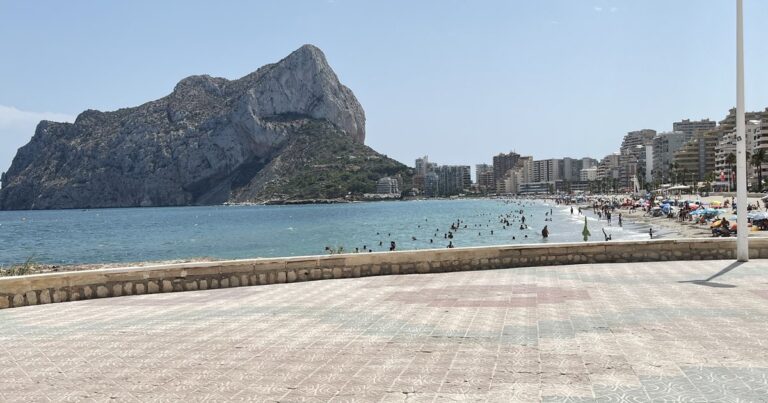
- Penon de Ifach (Calpe)
- Villajoyosa (painted houses)
Nearby on the Costa Blanca
Rojales on the map
Places worth knowing near Rojales
This place is part of our Costa Blanca Guide: Benidorm, Calpe, Altea and the Best of Alicante — see every town, beach and cove we have mapped on that coast.
How this page is maintained. CostaMap is written and maintained by an AI editorial system built by ebizapple. Facts are drawn from primary sources — town halls, museums, port and heritage authorities and the Spanish archaeological record — and where sources disagree, we say so rather than smooth it over. Photographs marked as ours are taken on location. This page was last reviewed on 15 August 2026. Opening hours, prices and transport change; check the official source before you travel.