
Expect a town layered with fortifications, churches and small settlements rather than a glossy tourist hub. Set in a mountainous corner of the Valencian province, this is a place where a medieval citadel, parish churches that remember the 13th century, and sulphurous springs outside the urban core form the main draw. If you go looking for big resorts or beaches, you will be disappointed; if you want compact, lived-in history and a sense of regional Spain away from the coast, it delivers.
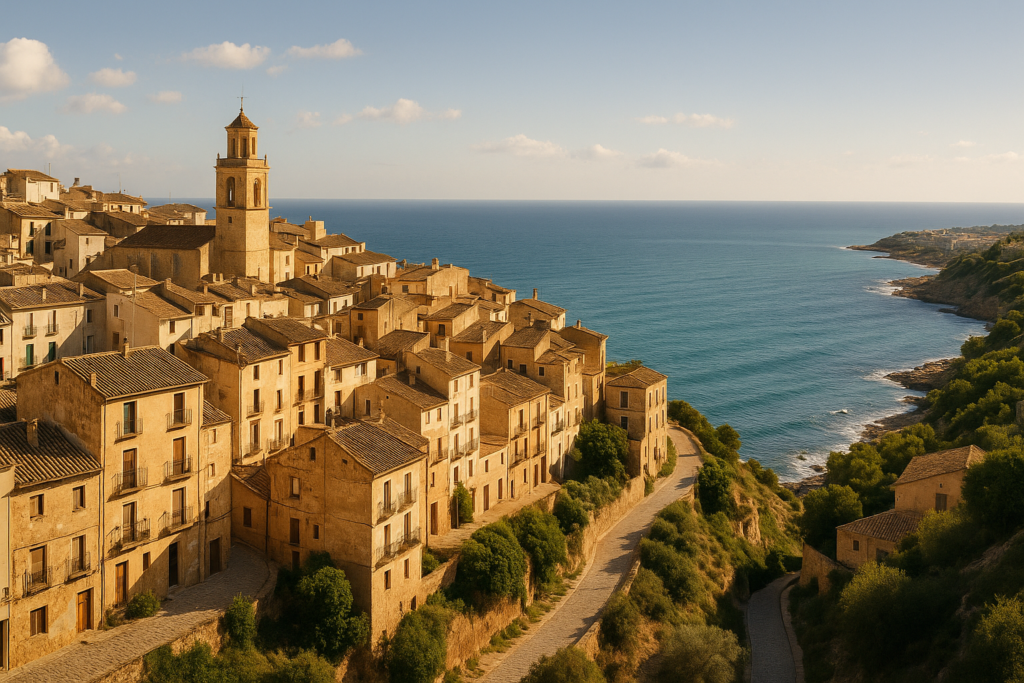
Requena at a glance
- Location: a municipality in eastern Spain, in the province of Valencia.
- Landscape: set in the mountainous region of Las Cabrillas, on the left bank of the river Magro.
- Historic highlights: an ancient Moorish citadel, traces of original town walls, and medieval parish churches.
- Notable churches: San Nicolás (13th century, partly restored in 1727) and Iglesia del Carmen.
- Nearby natural feature: the sulphurous springs of Fuentepodrida just outside town.
- Outlying settlements: includes villages and hamlets such as Casas de Cuadra, Casas de Eufemia, Casas de Sotos and Villar de Olmos.
Things to do in Requena
The attractions cluster tightly around the old town and its immediate environs. Expect walking, church interiors and archaeological or architectural interest rather than theme-park style attractions. Most time here is spent tracing town walls, visiting parish churches and taking short trips to neighbouring springs or small settlements that bear the municipality’s footprint.
| Attraction | What it is | Price/entry | Best for |
|---|---|---|---|
| Ancient Moorish citadel | Moorish-era fortress dominating the town | – | History and views |
| Traces of town walls | Remnants of the original defensive walls that once encircled the town | – | Short walks, medieval architecture fans |
| San Nicolás | Parish church dating to the 13th century, partly restored in 1727 | – | Religious architecture, history buffs |
| Iglesia del Carmen | Notable church in the town | – | Religious sites, cultural interest |
| Fuentepodrida springs | Sulphurous springs located near the town | – | Short natural outings, therapeutic springs |
The Moorish citadel and town walls
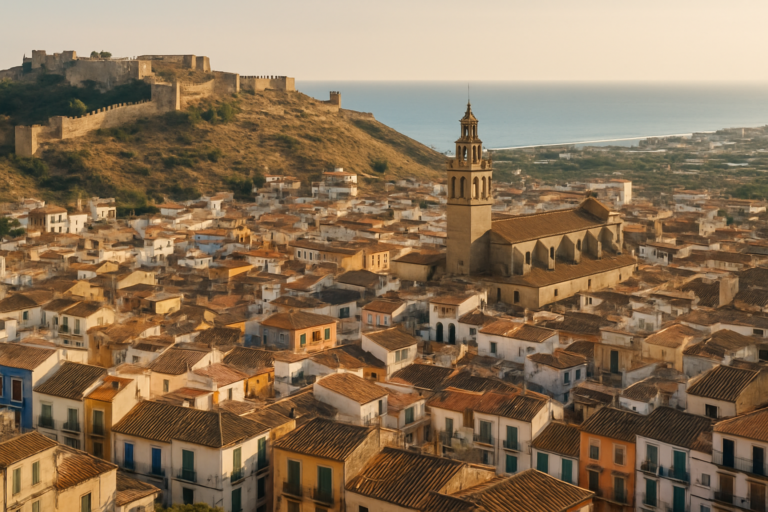
At the heart of the historic area sits the citadel that once made the settlement a Moorish fortress. The fortress dominates the townscape and is the clearest reminder of the area’s Islamic past. Around it you can still find traces of the original town walls; those surviving fragments are useful orientation points and make short perimeter walks worthwhile. The citadel and walls are the single best way to understand how the settlement was defended and organized before later reconstructions.
San Nicolás and the town’s parish churches
San Nicolás is one of the town’s key monuments. Its origins go back to the 13th century, and it shows later interventions: the church was partly restored in 1727. Together with Iglesia del Carmen, these churches represent the religious and communal heart of the old town and are the main architectural stops for anyone interested in ecclesiastical art and local history.
Fuentepodrida: the springs outside town
Just beyond the town’s limits are sulphurous springs known locally as Fuentepodrida. These natural features have been noted as a nearby point of interest and are relevant whether you enjoy a short walk into the countryside or are curious about regional hydrotherapy traditions. They are best visited as part of a half-day outing that combines a quick nature stop with exploration of surrounding rural settlements.
Best beaches in the area
This town is inland and mountainous; there are no beaches within the municipality. Visitors seeking coastal sand and sea should plan a separate trip to the Valencian coast rather than expect beaches here.
Requena with kids
This is a quiet, low-key destination for families who enjoy short historical walks and easy outdoor excursions. The compact old town and clear historic landmarks make it manageable with children old enough to appreciate museums or church interiors. The sulphurous springs provide a short nature outing, but there are no theme parks or large commercial family attractions listed among the town’s primary features.
How to get to Requena and get around
The municipality sits in the province of Valencia in eastern Spain, positioned in the mountainous Las Cabrillas region on the left bank of the river Magro. The town’s spread includes several satellite settlements and hamlets; expect to travel between them by car or local roads. Within the historic core, walking is the main way to explore ruined walls, churches and the citadel.
Where to stay in the town
Accommodation choices cluster between the old town and the collection of settlements belonging to the municipality. Use the following area guide to choose the feel you want.
- Old town (historic core): best for immediate access to the citadel, churches and surviving town walls.
- Peri-urban settlements (El Pontón, Villar de Olmos, San Antonio): suit visitors who prefer quieter residential surroundings while still within reach of the town proper.
- Smaller hamlets (Casas de Cuadra, Casas de Eufemia, Casas de Sotos, Barrio Arroyo, Calderón, Campo Arcís): these settlements are useful if you want a rural base and the sense of being in a scattered municipality rather than the urban centre.
Best time to visit
There are no seasonal events or climate specifics provided among the verified facts, so choose timing based on what matters to you: quiet exploration of the old town or combining the visit with regional itineraries in Valencia province. The town’s inland and mountainous position means it is not a seaside summer resort, so peak summer crowds common on the coast are less likely here.
History of the area
The settlement’s history is visibly layered. It was once a Moorish fortress, and traces of that past survive in the citadel that still dominates the town. The entire settlement was significant enough to be a target during the crusading era: the town was the object of an unsuccessful crusade in 1219–1220. Over time, Christian institutions took root; San Nicolás, a parish church dating back to the 13th century, stands as an example and underwent partial restoration in 1727. What remains of the original defensive walls continues to testify to its medieval strategic importance within the mountainous Las Cabrillas.
Practical info
- Geography: The town is set in the Las Cabrillas mountains and sits on the left bank of the river Magro — useful to know when planning walks or rural drives.
- Municipal footprint: The municipality includes a number of outlying settlements and hamlets, so don’t assume the “town” is a single contiguous urban block; sites of interest and accommodation may be spread across these places.
- Natural features: Sulphurous springs (Fuentepodrida) lie near the town and are a short excursion from the core; they are a different kind of attraction than beaches or coastal resorts.
- Mobility: Within the historic centre and around its churches and walls, walking is the most practical way to explore. Between the main town and dispersed settlements, expect to use local roads.
Worth it for: travellers who want compact medieval architecture, visible Moorish heritage and low-key rural excursions in Valencia province. Less so if: you expect seaside resorts, big tourist infrastructure or theme-park style family entertainment — this is an inland, historical municipality rather than a coastal getaway.
How we assess this guide
Content here has been compiled from verified place facts and cross-checked sources focusing on historic monuments, municipal structure and nearby natural features. We flag changes and closures where noted in source material; the guide summarises what is on record rather than offering first-hand field reporting.
Frequently asked questions
How do I reach the town from the wider Valencia area?
The municipality lies in the province of Valencia in eastern Spain and sits in the mountainous Las Cabrillas. Travel to the town therefore involves moving inland from coastal or provincial transport hubs; within the municipality, walking and local roads connect the historic core to outlying settlements.
Is the town expensive to visit?
No specific cost data is supplied in the referenced sources. The town is presented as a historic inland municipality rather than a high-cost resort; budgeting should follow patterns for small towns in the province of Valencia.
Which church should I not miss?
San Nicolás is the standout parish church: it dates back to the 13th century and was partly restored in 1727. Iglesia del Carmen is also listed among the town’s notable places of interest.
How many days should I spend here?
A short visit of a day or a long half-day will cover the main historic highlights — the citadel, town walls and principal churches — plus a quick trip to nearby Fuentepodrida if you want a nature stop. If you plan to explore several of the outlying settlements in the municipality, allow more time for rural driving and walking.
Is the town suitable for families with children?
Yes for families who appreciate history, short walks and calm days. The town’s compact historic core is walkable and the nearby springs provide a short natural excursion. There are no large-scale family attractions documented among the main features.
Can I get around without a car?
Inside the historic centre, walking is the principal mode of exploration. Because the municipality includes many small settlements (for example Casas de Cuadra, Casas de Eufemia, Casas de Sotos, Villar de Olmos, San Antonio and El Pontón), a car or local transport is helpful for linking them; plan accordingly if you want to visit hamlets beyond the core.
Is parking easy in the historic area?
There are surviving town walls and a compact old town; as with many historic centres, expect pedestrianised or narrow streets. The municipality’s structure suggests that parking is more straightforward outside the narrowest historic lanes and in the surrounding modern streets, but specific parking facilities are not itemised in the source material.
What are rainy-day options?
The town’s main cultural assets are architectural and indoor: parish churches such as San Nicolás and Iglesia del Carmen can occupy a rainy afternoon. Exploring the citadel’s exterior or the traces of town walls is better on dry days.
When is the best time of year to visit?
The information provided does not list climate details or festivals. Because the area is inland and mountainous, choose dates based on your tolerance for inland seasonal weather and whether you prefer quieter off-peak exploration or combining the visit with broader provincial activities.
Are there any nearby natural attractions?
Yes — the sulphurous springs of Fuentepodrida lie near the town and are noted as a local natural feature outside the urban area.
Which outlying settlements belong to the municipality?
The municipality includes a number of settlements and hamlets such as Casas de Cuadra, Casas de Eufemia, Casas de Sotos, Barrio Arroyo, Calderón, Campo Arcís, Villar de Olmos, San Antonio and El Pontón. These reflect the scattered nature of the local administrative area.
Was the town involved in medieval conflicts?
Historically, the settlement was targeted by an unsuccessful crusade in 1219–1220. Its surviving citadel and remains of the town walls reflect its defensive past as a Moorish fortress later integrated into Christian domains.
Is there visible Moorish heritage?
Yes. The ancient citadel is the most visible legacy of its Moorish-fortress origins, and fragments of the original defensive structures remain around the town.
What is the river near the town?
The town sits on the left bank of the river Magro; this river is a local geographic reference point for the settlement.
Can I visit the sulphurous springs of Fuentepodrida?
The springs are noted as lying near the town and are listed among nearby points of interest; they make for a short excursion outside the core. The source material does not provide visitor facilities or access details, so treat them as a natural stop and plan accordingly.
Plan the wider trip
Nearby on the Costa de Valencia
Requena Spain on the map
This place is part of our Costa de Valencia Guide: The City, the Albufera and Paella — see every town, beach and cove we have mapped on that coast.
How this page is maintained. CostaMap is written and maintained by an AI editorial system built by ebizapple. Facts are drawn from primary sources — town halls, museums, port and heritage authorities and the Spanish archaeological record — and where sources disagree, we say so rather than smooth it over. Photographs marked as ours are taken on location. This page was last reviewed on 9 September 2026. Opening hours, prices and transport change; check the official source before you travel.