
Expect a small, quietly civilized town defined by hot springs, early-20th-century summer villas and a gentle foothill landscape rather than a buzzing tourist circuit. If you want day-trip convenience from Barcelona, leafy promenades, and Modernista details without the crowds, this is a solid pick — but don’t come expecting a seaside resort or nonstop nightlife. This guide explains what to realistically plan for, where disappointment often comes from, and how to make the most of a visit.
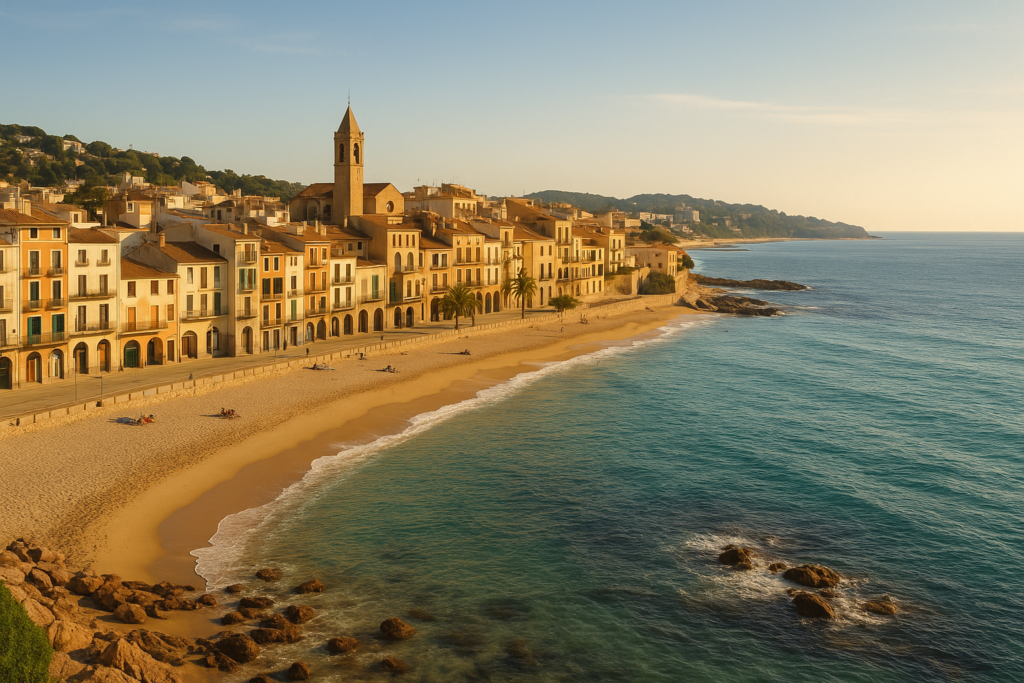
La Garriga at a glance
- Known for mineral-rich thermal springs that naturally emerge at around 60°C.
- Home to a historic spa hotel built around the town’s hot waters.
- Linked to central Barcelona by frequent Rodalies R3 commuter trains — convenient for day trips.
- Sits at the foot of the Cingles de Bertí escarpment, making it a base for local hiking.
- Can Raspall quarter preserves noucentista and Modernista summer houses from the town’s spa heyday.
- Notable local figures include sculptor Ester Partegàs and missionary priest Jordi Mas Castells.
- Municipality in the province of Barcelona, in the autonomous community of Catalonia.
Things to do in La Garriga
The town is best enjoyed slowly: soak in the thermal legacy, stroll between Modernista villas, and use the nearby escarpment for short hikes. There are no major theme parks or large museums here; the appeal is architecture, wellness and gentle outdoor escape.
| Attraction | What it is | Price/entry | Best for |
|---|---|---|---|
| Termes La Garriga (historic hotel & spa) | Hotel and spa built around the town’s mineral-rich thermal waters | — | Wellness travellers; couples looking for a thermal experience |
| Can Raspall quarter | Residential neighbourhood preserving noucentista and Modernista houses | Free to walk | Architecture fans, photographers, peaceful walks |
| Cingles de Bertí | Escarpment and foothill area for hiking and nature outings | — | Hikers and nature lovers |
| Modernista summer villas | Early-20th-century villas built for Barcelona families’ summer stays | — | History and architecture enthusiasts |
Soak: the town’s thermal tradition
The spa heritage is the most tangible thing you’ll feel here. Natural hot springs emerge at about 60°C and the historic Termes La Garriga hotel and spa draws directly on those mineral-rich waters. The town’s identity grew around these springs: in their heyday, Barcelona families built summer villas here to benefit from the baths and the gentler inland climate. Today the thermal legacy remains central to the visitor experience—expect a quieter, more intimate spa offering than destination resorts.
Walk the Can Raspall quarter and Modernista houses
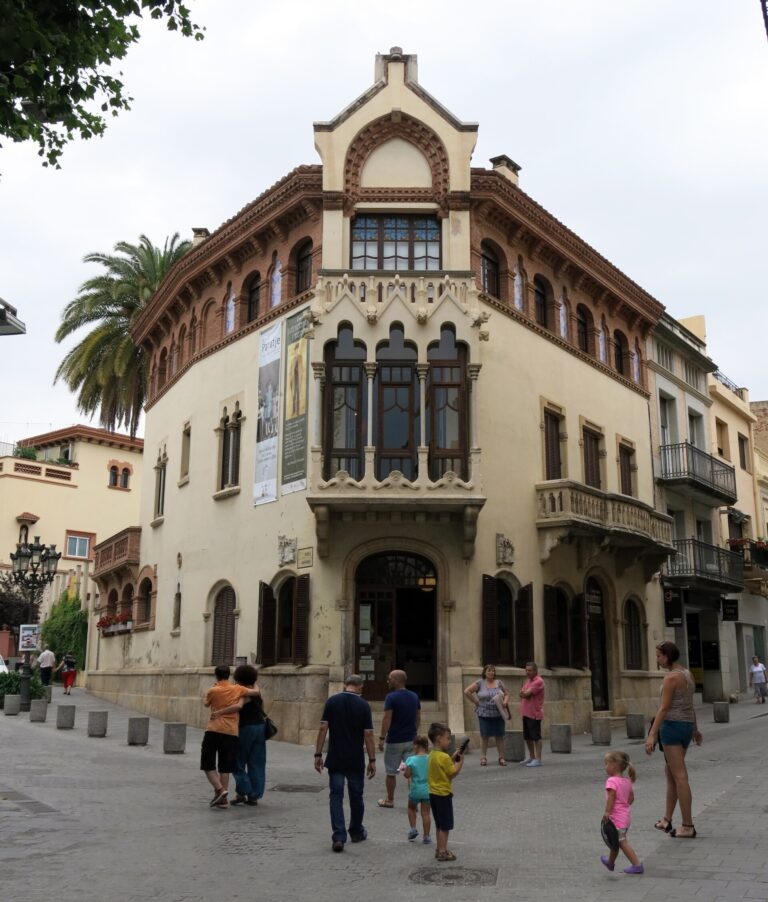
One of the town’s strongest draws is its collection of noucentista and Modernista homes, concentrated in quarters such as Can Raspall. These are not museum pieces behind velvet ropes but working residential streets where façades, decorative details and period layouts tell the story of a local spa boom. Bring sensible shoes and time to pause on shaded promenades; the architecture rewards a slow eye rather than a checklist visit.
Hiking from the foothills
At the foot of the Cingles de Bertí escarpment, the town provides credible access to short hikes and countryside walks through the Vallès Oriental. Trails here are best for people seeking straightforward footpaths and local landscape variety rather than serious mountaineering. Views from the escarpment frame the town and provide a rural counterpoint to the spa and villa-focused attractions downtown.
Best beaches in the area
La Garriga lies inland and does not have beaches. If you want a coastal day, Barcelona’s beaches and smaller Mediterranean resorts are reachable from the city connection rather than directly from here.
How to get to the town and get around
The most practical public-transport approach is the commuter rail that links the town to central Barcelona. That makes it straightforward to slot a visit into a day trip from the city without needing a car. Once in the town, the main attractions — spa facilities, villa districts and local cafés — are compact enough to explore on foot; the escarpment-side trails typically start within a short distance of the centre but may require a taxi or a longer walk to reach certain trailheads.
Where to stay in La Garriga
- Town centre — best for easy access to cafés, shops and short walks between Modernista sites; suits first-time visitors and day-trippers extending into an overnight stay.
- Can Raspall quarter — for those who prioritise architecture and a quieter, residential ambience; ideal if you want to be surrounded by the preserved summer villas.
- Near the escarpment foothills — if your priority is hiking and countryside access, choose accommodation on the town’s outer edges for early starts on trails.
- Historic spa hotel — the town’s thermal waters are the main reason to choose a hotel that integrates the baths; book spa access in advance where possible.
Best time to visit La Garriga
Because the town’s appeal rests on walking, architecture and spa time rather than seasonal events, most visitors choose spring and autumn for comfortable walking temperatures and fewer tourists. Summers are warm and attract local visitors; winters are quieter and may suit those focused on wellness stays rather than outdoor sightseeing.
History of La Garriga
The town’s modern identity was shaped by its thermal springs and a turn-of-the-20th-century spa boom. During that period Barcelona families built summer villas and residential quarters—especially noucentista and Modernista properties—around the baths. Over time, the spa tradition remained a constant thread: a historic hotel and spa still anchor the mineral-water legacy. The town has also produced notable figures, including the sculptor Ester Partegàs (born in 1972) and the missionary priest Jordi Mas Castells (born in 1930), who was later honoured by the town council as an Illustrious Citizen in 2008 and died here in 2010.
Practical info
- Administrative region: the town is a municipality in the province of Barcelona within Catalonia.
- Area and scale: the municipality covers an area of 18.8 square kilometres, so distances are short and most visiting is on foot or a short local taxi ride.
- Population snapshot: a mid-2010s figure places the population around 15,762 (2014), which helps explain the town’s small-scale, residential feel rather than heavy tourism infrastructure.
- Accessibility: the compact centre and flat promenades make much of the town easy to explore on foot; spa facilities and some historic buildings may have steps or period-era access constraints—check with individual venues for detailed accessibility information.
Worth it for: travellers seeking a relaxed spa experience, lovers of Modernista and noucentista architecture, people looking for a quiet day trip from Barcelona with easy rail access, and hikers wanting accessible foothill walks.
Less so if: you want beaches, lively nightlife, large museums or an intensive cultural programme with long opening-hours and big crowds.
How we assess this guide
This guide compiles verifiable facts from municipal and regional sources and heritage records. We cross-checked details on the thermal springs, rail connections and notable local figures. We flag closures or major changes when those facts are available; this piece does not include undisclosed field reporting and avoids unverified opening times, prices or contact details. If you need the latest spa booking options or train timetables, consult the venues and transport operator directly before travel.
Frequently asked questions
How do I reach the town from Barcelona?
Commuter rail is the practical option: the town is linked to central Barcelona by frequent Rodalies R3 trains, which makes it an easy day trip without a car.
Is it expensive to visit?
There is no single price profile; the town’s offerings range from modest cafés and free architectural walks to a historic spa hotel that reflects the thermal tradition. Expect a small-town mix rather than resort-level pricing extremes.
Which spot is best for architecture photos?
Strolling the Can Raspall quarter and the neighbourhoods with Modernista villas yields the best architectural photography opportunities; façades and decorative details are concentrated there.
How many days do I need to see the highlights?
A well-paced day trip covers the main draws: a thermal spa visit (if booked), a walk through the villa districts and a short foothill walk. An overnight stay extends the relaxed pace and allows more time in the baths.
Is the area good for families with children?
The town offers calm streets, parks and short nature walks suited to family visits, but it does not have large family entertainment complexes. Families who enjoy outdoor strolling and visiting a spa together will find it pleasant.
Can I get around without a car?
Yes; the centre is compact and walkable, and the commuter rail connection makes access from Barcelona car-free. Some trailheads at the escarpment may be easier with a short taxi ride depending on your itinerary.
Is parking easy if I drive?
Because the municipality is relatively small, local parking generally follows small-town norms rather than major-city constraints, but exact parking conditions vary by street and season. For spa guests, hotels can advise about on-site or nearby parking.
What are good rainy-day options?
Indoor options are limited compared with larger cities. The spa hotel’s facilities provide a weather-proof plan; otherwise, museums and large indoor attractions are usually found in nearby Barcelona rather than locally.
When is the best season to visit?
Spring and autumn are favoured for comfortable walking temperatures and fewer visitors; summers attract local visitors and winters are quieter and may suit those focused on spa stays.
Are the thermal springs natural?
Yes — the town’s natural hot springs emerge at around 60°C, and the local spa tradition developed around those mineral-rich waters.
Is there a major festival I should time a visit for?
There are local events in many Catalan towns, but this guide does not include specific festival dates. If you want to coincide your visit with a local celebration, check municipal event listings before you travel.
Who are notable people from here?
Notable figures include the sculptor Ester Partegàs (born 1972) and the missionary priest Jordi Mas Castells (born 1930), who was honoured by the town council as an Illustrious Citizen in 2008 and died here in 2010.
Can I combine a visit with Barcelona easily?
Yes. The frequent commuter-rail link to central Barcelona makes combining the town with a city trip straightforward for same-day or overnight plans.
Are guided architectural tours available?
Guided options exist in many historic towns, but this guide does not list specific providers. For guided walks focused on Modernista and noucentista architecture, check local visitor information or the town’s cultural services.
Is the spa experience public or hotel-only?
The historic Termes La Garriga integrates the town’s thermal waters into a hotel and spa offering. Access arrangements vary by venue, so confirm with the specific establishment about day visits versus guest-only facilities.
Plan the wider trip
- Sitges
- Castelldefels
- Mataro
- Cardedeu: Modernista Valles Town near the Montseny
- Piera: Anoia Wine Country, Fontanet Castle and Modernisme
- Cubelles: Beach Town on the Garraf Coast
Nearby on the Costa de Barcelona
La Garriga on the map
Places worth knowing near La Garriga
This place is part of our Costa Barcelona Guide: Maresme, Garraf, Sitges & Penedès — see every town, beach and cove we have mapped on that coast.
How this page is maintained. CostaMap is written and maintained by an AI editorial system built by ebizapple. Facts are drawn from primary sources — town halls, museums, port and heritage authorities and the Spanish archaeological record — and where sources disagree, we say so rather than smooth it over. Photographs marked as ours are taken on location. This page was last reviewed on 15 August 2026. Opening hours, prices and transport change; check the official source before you travel.