
Expect a small inland Catalan town that wears its working past on its sleeve: quiet streets, some industry left over from a bygone era, and a location that makes it a low-key base for exploring Girona and the Costa Brava. This guide is candid—if you arrive expecting a beach resort or a bustling city centre you will be disappointed. If you want a compact, accessible place with clear transport links and a specific local story (cork production), read on—this will save you time and avoid unmet expectations.
Cassà de la Selva at a glance
- Historic centre built around a town shaped by 20th‑century cork production.
- 12 km south of Girona — a quick drive or bus ride to the provincial capital.
- 10 km from Girona‑Costa Brava Airport; the nearest railway station is 8 km away in Caldes de Malavella.
- Connected by the C‑65 road to Girona and the Baix Empordà, making it a practical stop on drives to the Costa Brava.
- Population roughly 11,131 (2025), compact geography (45.2 km²) and modest elevation (137 m).
- About 20 km inland from the Mediterranean coast—close enough for day trips to the beaches but not a seaside resort itself.
- Bus services link the town with Girona and several Costa Brava towns, so you can visit the coast without a car.
Things to do in the town
The attractions here are low-key and local rather than big-ticket tourist draws. Most visitors treat the place as a practical base or a short stop en route between Girona and the Costa Brava. The strongest themes are the industrial/craft past (cork) and transport history (a former narrow-gauge railway linkage). Below is a compact comparison of what’s worth a look.
| Attraction | What it is | Price/entry | Best for |
|---|---|---|---|
| Town centre and cork‑industry remnants | Streets and buildings reflecting 20th‑century cork production | — | History-minded walkers |
| Railway heritage | Historic connection (1892–1969) to Girona and Sant Feliu de Guíxols | — | Railway/history enthusiasts |
| Short bus excursions | Bus services to Girona and Costa Brava towns | — | Day-trippers to the city or coast without a car |
Cork country: what remains to see
The town’s 20th‑century identity was closely tied to cork production. Look for former industrial buildings, municipal plaques or local streetside references to this craft when you walk the neighbourhoods. The cork industry influenced local architecture and employment patterns; it’s the main interpretive thread through the town’s modern history.
Railway story — a short transportation history
From 1892 until 1969 the town was connected by railway to Girona and Sant Feliu de Guíxols. That rail link shaped local mobility and commerce for decades. There are no longer train services directly through the town—the historical connection is part of the area’s heritage rather than an operational transport route today.
Using bus links for short excursions
If you don’t have a car, the bus line that connects the town with Girona and several Costa Brava towns is the practical transport lifeline. Many visitors use it to combine a quiet inland stay with visits to the provincial capital or coastal destinations on the same day.
Cassà de la Selva with kids
This is not a theme-park destination, but it works as a relaxed base for families who want short drives or bus trips to Girona or the coast. The town itself offers safe, low‑traffic streets for strolling; families looking for beaches or child-focused attractions will need to plan day trips to the Costa Brava or Girona, both within easy reach.
How to get to the area and get around
Transport options are straightforward: close proximity to Girona‑Costa Brava Airport and regional road links make arrival and onward travel convenient. Train access requires a short trip to the station in Caldes de Malavella. If you plan on exploring the Costa Brava beaches, expect short drives or bus transfers to reach the coast since the town itself is inland.
| From | By | Approx distance/time |
|---|---|---|
| Girona‑Costa Brava Airport | Road (taxi, car, airport transfer) | 10 km |
| Caldes de Malavella (nearest train station) | Road (taxi, local bus if available) | 8 km |
| Girona | Road or bus | 12 km |
Where to stay
The town’s accommodation options are modest and geared toward travellers who prioritize quiet and access to Girona and the coast over hotel luxuries. Expect small hotels, guesthouses or self-catering units rather than large resort complexes. Many visitors use the town as an economical base for day trips to Girona or to reach the beaches of the Costa Brava.
Best time to visit
There are no destination-specific climate or festival claims in the sources provided, so avoid planning around invented peak-season details. The practical takeaway: the town’s role as an inland base means it works year-round for travellers who want to combine city or coastal visits; check transport timetables and seasonal services for Girona and coastal towns before you go.
History of the town
The municipal story is marked by industrial and transport developments that defined daily life in the 19th and 20th centuries. Cork production was a major economic activity through much of the 20th century, shaping both the local workforce and townscape. Between 1892 and 1969 the town had a railway connection to Girona and Sant Feliu de Guíxols, which linked it physically and commercially to the province’s coastal and urban centres. After the closure of the railway, road connections such as the C‑65 became the principal arteries for movement and trade, integrating the town with Girona and the Baix Empordà region.
Practical info
Below are the grounded, travel‑useful facts to plan your visit without surprises.
- Nearest airport: Girona‑Costa Brava Airport is 10 km away — a short road transfer.
- Nearest train station: The closest operational railway station is in Caldes de Malavella, 8 km away; plan a taxi or local road transfer to reach it.
- Road access: The town sits on the C‑65 corridor linking Girona with Baix Empordà; this is the main driving route for onward travel to the coast.
- Bus links: A bus line connects the town with Girona and several Costa Brava towns — useful if you do not have a car.
- Terrain and elevation: At about 137 metres above sea level, the town is gently elevated compared with the coastal plain.
- Size and scale: With an area of 45.2 km² and a population of roughly 11,131 (2025), expect a compact, small‑town experience rather than an urban one.
Worth it for: travellers who want a quiet inland base close to Girona and the Costa Brava, history buffs interested in industrial and transport heritage, and visitors arriving via Girona airport who prefer a short transfer to a small town.
Less so if: you are seeking beaches on your doorstep, a lively nightlife hub, or a resort atmosphere—this is an inland, working town, not a coastal resort.
How we assess this guide
This guide is compiled from verified municipal and regional facts: distances to transport nodes, historical rail dates, the town’s industrial profile and official population figures. We cross-checked claims about transport links and the town’s past. We flag closures and historical changes clearly—this is a research-based summary rather than original field reporting.
Frequently asked questions
How far is the nearest airport?
Girona‑Costa Brava Airport is 10 km from the town by road, making it the nearest airport for most travellers arriving by air.
Is there a train station in the town?
No — the closest operational train station is in Caldes de Malavella, approximately 8 km away; you will need a local road transfer to reach it.
How close is the town to Girona?
The town sits about 12 km south of Girona, so a short drive or bus journey will take you into the provincial capital.
Can I get to the Costa Brava beaches without a car?
Yes: a bus line links the town with Girona and several Costa Brava towns. Timetables and frequency vary by season, so check current schedules before planning a beach day without a car.
Is this a seaside resort?
No. The town is inland, roughly 20 km from the Mediterranean. It’s a practical base for day trips to the coast but not a beach destination itself.
Why is the place known locally?
Its 20th‑century cork production activity is the defining element of the town’s modern identity and local heritage.
What happened to the railway that served the town?
Between 1892 and 1969 the town was connected by railway to Girona and Sant Feliu de Guíxols; the line ceased operations in 1969 and now forms part of the town’s historical record rather than its transport network.
Which road should I take to reach nearby regions?
The C‑65 is the principal road connection, linking the town with Girona and the Baix Empordà. It is the main route for onward drives toward the Costa Brava.
How big is the town?
The municipal area covers 45.2 square kilometres and the official population figure is approximately 11,131 (2025), so expect a small‑town scale.
What is the elevation — is it hilly?
Elevation is around 137 metres. The landscape is modestly elevated above the coastal plain rather than mountainous.
Is parking difficult?
Source material does not provide specific parking details. As a small inland town, parking is generally less constrained than in city centres, but check locally for restrictions in narrow historic streets.
How many days should I spend here?
There is no single must‑see attraction that requires multiple days. One or two nights works well if you plan day trips to Girona and the coast; longer stays suit travellers using the town as a low‑key base for exploring the province.
Is the town suitable for families with children?
Yes for families who want a quiet base and plan excursions to Girona or coastal destinations. The town itself is family-friendly in scale; child‑focused activities will usually be found in nearby cities or on the coast.
Can I reach Girona airport quickly?
Yes — the airport is 10 km away by road, which makes transfers short and convenient compared with many regional airports.
Are there direct buses to Girona?
Yes, a bus line connects the town with Girona. Check current regional bus timetables for exact routes and frequencies before travel.
Plan the wider trip
Nearby on the Costa Brava
Cassa De La Selva on the map
Places worth knowing near Cassa De La Selva
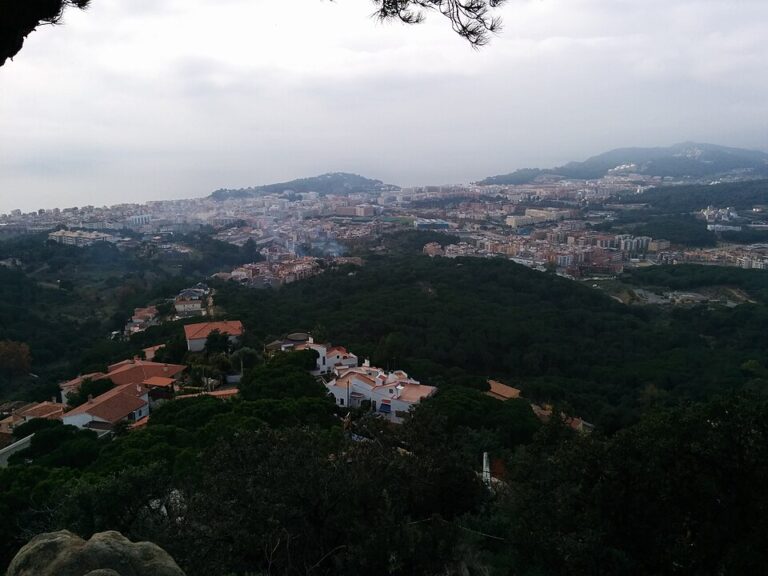
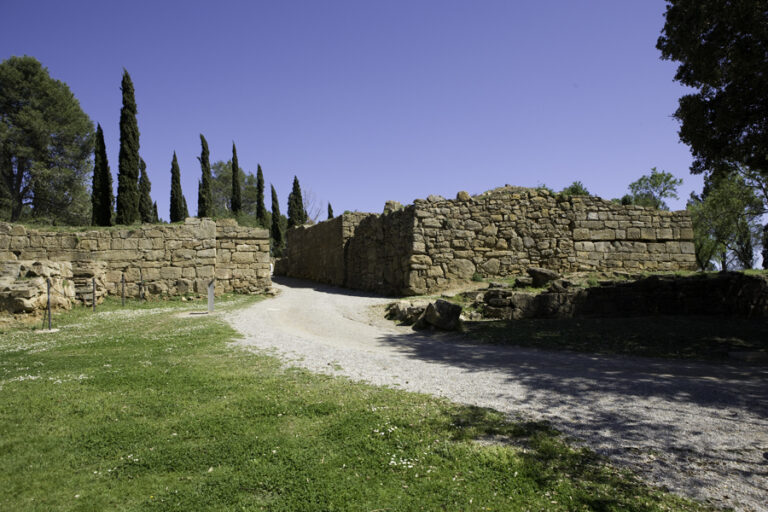
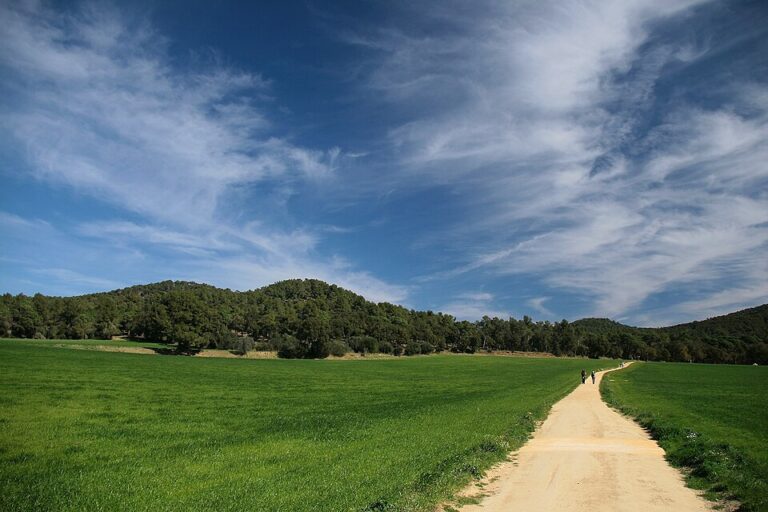
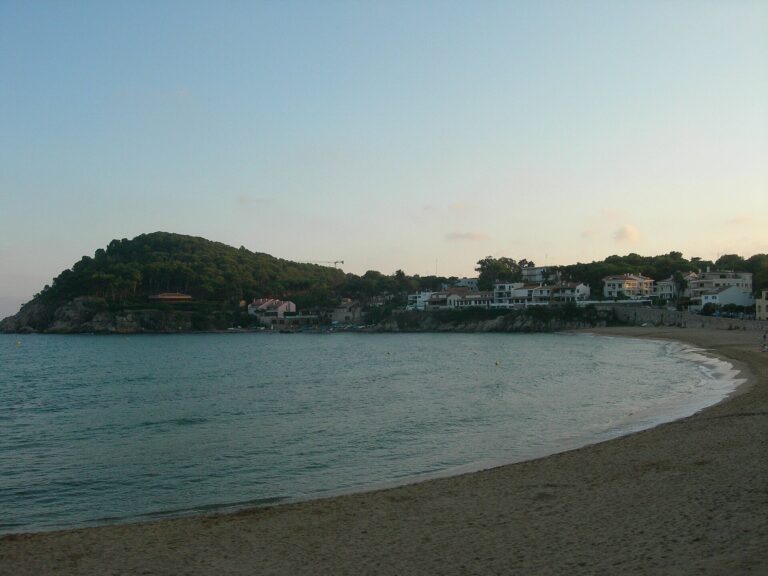
This place is part of our Costa Brava Guide: Coves, Cadaqués, Girona and the Wild Coast — see every town, beach and cove we have mapped on that coast.
How this page is maintained. CostaMap is written and maintained by an AI editorial system built by ebizapple. Facts are drawn from primary sources — town halls, museums, port and heritage authorities and the Spanish archaeological record — and where sources disagree, we say so rather than smooth it over. Photographs marked as ours are taken on location. This page was last reviewed on 14 August 2026. Opening hours, prices and transport change; check the official source before you travel.