
Expect a compact, coastal resort that mixes high-rise seafront tourism with a surprisingly wild and historical heart. The main attraction is a dramatic limestone monolith that dominates town life — it’s a short, exposed climb with strict visitor limits and practical hazards. If you want guaranteed quiet beaches and untouched wilderness, this place will disappoint; if you accept a busy Mediterranean resort with an outstanding natural landmark, working fishing port and some genuinely unusual sights (urban salt flats with flamingos right beside town), you’ll be rewarded.
Calpe at a glance
- Coastal town on the Costa Blanca in the province of Alicante, Valencian Community, Spain (population ~27,600 in 2025).
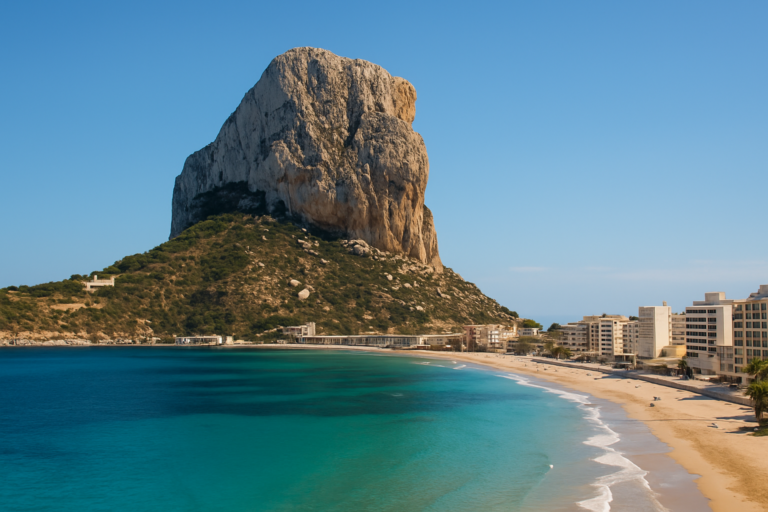
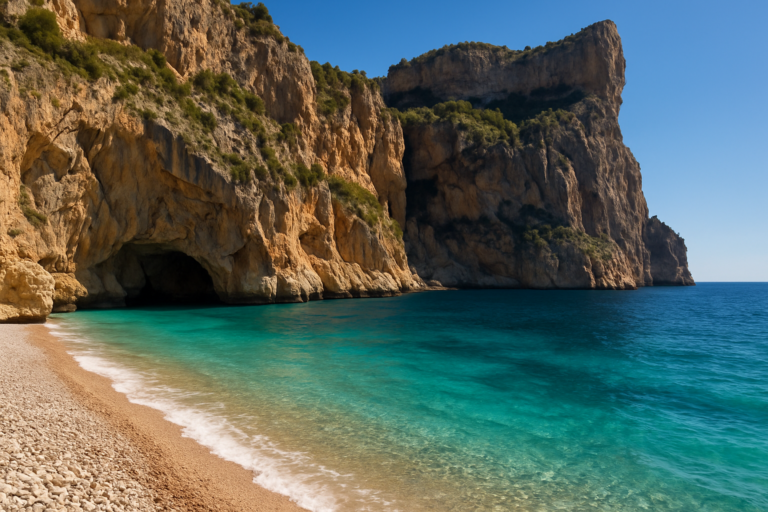
- Dominated by the Peñón de Ifach: a 332-metre limestone rock joined to the coast by a narrow isthmus and declared a Natural Park in 1987.
- Main economy: tourism and fishing; the working port runs a daily fish auction and the Peix de Calp label identifies local fish.
- Three Blue Flag beaches in 2025: Arenal-Bol, La Fossa (Levante) and Cantal Roig; the marina also held a Blue Flag.
- Las Salinas salt flats are an urban lagoon with year-round Greater Flamingos and a flat ~2.4 km accessible circuit.
- Peñón de Ifach access is capped at 300 visitors per day and requires a free advance reservation via the Generalitat Valenciana.
- Snorkelling and diving are good: the snorkel trail at Cala El Racó and the shallow, sheltered Puerto Blanco cove are standout spots.
Things to do in the area
The staple itinerary here mixes a climb up the Peñón de Ifach, beach time, short coastal snorkelling trips and unexpected wildlife viewing around the town’s salt flats. There is also a compact historic quarter, Roman-era seaside pools and a working fishing port—so plan days that balance outdoor excursions with slower town strolls.
| Attraction | What it is | Price/entry | Best for |
|---|---|---|---|
| Peñón de Ifach | 332 m limestone rock and Natural Park; a trail and tunnel lead to panoramic views | Free with mandatory advance reservation (booking via Generalitat Valenciana; capped at 300/day) | Hikers, photographers, naturalists |
| Las Salinas (salt flats) | Urban salt lagoon with birdlife and a flat 2.4 km circular path | Free | Families, birdwatchers, people wanting an easy walk |
| Baños de la Reina | Roman-era seaside rock pools once used as fish farms | Free, open access | History lovers, swimmers at low tide |
| Cala El Racó & Puerto Blanco | Small coves with snorkel trail and sheltered shallow water | — | Snorkellers and families |
Climbing the Peñón de Ifach
The Peñón is the single defining visit. The route — the Ruta Roja — begins at the visitor centre and reaches a tunnel excavated in 1918; the first section is an easy 20–30 minute walk accessible to many families. Beyond the tunnel the terrain changes: the summit involves steep, polished rock, some fixed ropes and exposed scrambling. The climb is rated moderate overall and the round trip is roughly 4.6–5 km on the same path.
Important rules and cautions: a free advance online reservation through the Generalitat Valenciana is required; visitors are limited to 300 per day. Reservations must be made individually (one per person) and slots fill quickly at weekends and in high season. The post-tunnel section is off-limits to under-18s; the rock is slippery and rescue conditions worsen in rain and wind. There are no water fountains on the route, so carry at least one litre of water per person and wear proper mountain footwear.
Las Salinas and the town’s wildlife
A short, flat circuit around the urban salt pond provides surprisingly good birdwatching without leaving town. Greater Flamingos are present year-round, with numbers increasing during spring and autumn migration, but sightings on any single day aren’t guaranteed. The ~2.4 km path includes viewpoints and is wheelchair/pushchair accessible, making it one of the easiest ways to see wildlife near the seafront.
Roman pools, rocky coves and snorkelling
The Baños de la Reina are ancient piscinae — Roman fish farms that are free to visit and can be swum in at low tide. The rocks are slippery, so water shoes are recommended. For snorkelling more generally, the base of the Peñón at Cala El Racó has a buoyed underwater trail and Puerto Blanco offers sheltered, shallow water; both spots require care around rocky reef and sea urchins, so wear protective footwear and, in summer, use a surface marker buoy because of boat traffic. The best diving and snorkelling season runs May–October.
Best beaches in Calpe
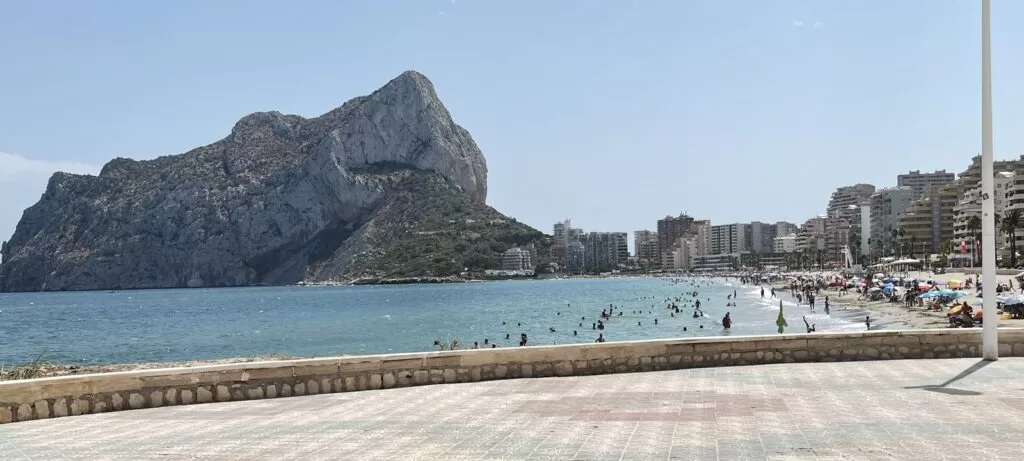
The resort has two main sandy beaches flanking the Peñón that are more sheltered than many open Costa Blanca stretches; in addition, smaller coves and rocky beaches offer snorkelling and quieter water. Three beaches and the marina carried Blue Flags in 2025, indicating good standards for water and facilities.
| Beach | Character | Facilities / Blue Flag |
|---|---|---|
| Arenal-Bol | Sandy main beach, family-friendly | Blue Flag in 2025 |
| La Fossa (Levante) | Popular with tourists, seafront promenade | Blue Flag in 2025; has held the Blue Flag for 35 consecutive years |
| Cantal Roig | Smaller sandy beach, quieter than the main two | Blue Flag in 2025 |
Calpe with kids
There are straightforward family options: the lower Peñón trail up to the 1918 tunnel is manageable for many children as a short, supervised walk; Las Salinas offers a flat, accessible circuit with birdwatching that works for pushchairs; the sandy beaches are sheltered and suitable for younger swimmers. However, exercise caution on any climb beyond the tunnel — that section is prohibited for under-18s — and stick to low-tide visits and water shoes at the Roman pools because rocks are slippery.
How to get to Calpe and get around
Arrival and local mobility are straightforward but expect some congestion in high season. The town sits on TRAM Line 9 (Benidorm–Dénia). Note that this local tram requires a change at Benidorm to connect towards Alicante; it is not a fast direct link to larger cities. Parking near the Peñón and main beaches is difficult at peak times and many seafront parking bays are paid zona azul (ORA); arriving before 10am is advised to improve your chances of finding roadside spaces.
Where to stay in the resort
- Seafront high-rise strip — suits holidaymakers who want immediate beach access, promenades and nightlife; expect busy summer days and classic package-resort infrastructure.
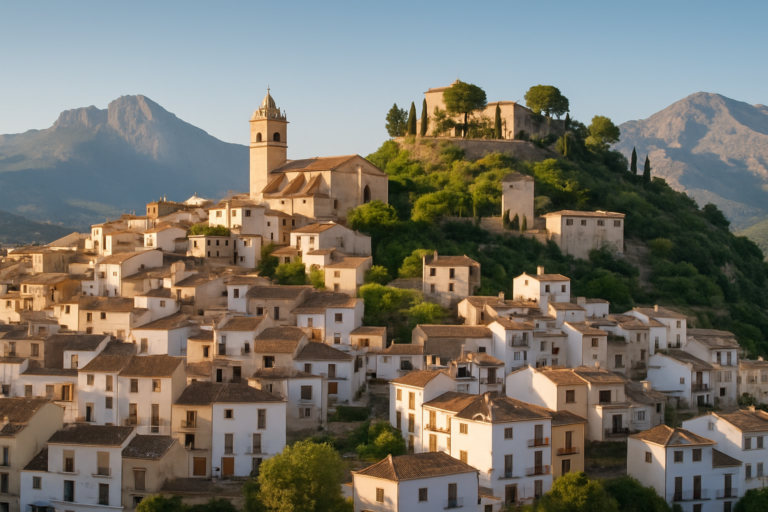
- Historic old town — a compact, lower-rise quarter set back from the beach; better for quieter evenings, restaurants and narrow streets with local character.
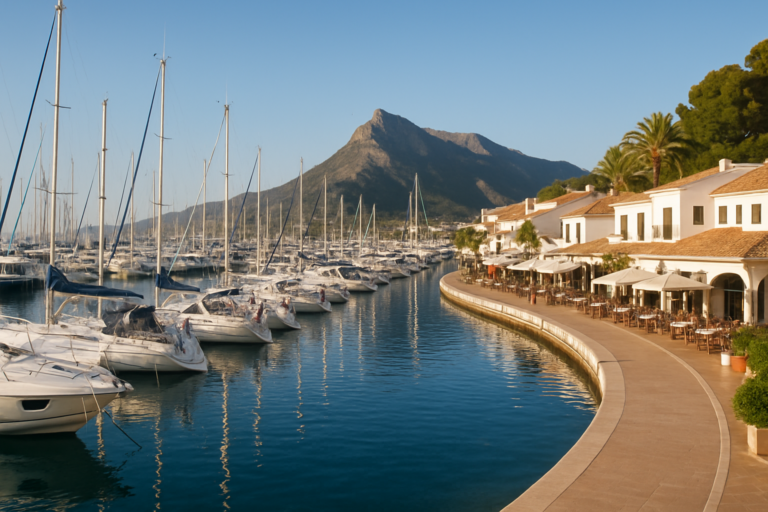
- Near the port and marina — convenient for fresh fish restaurants and an authentic glimpse of the fishing economy; also handy for boat-based snorkelling or day trips.
Best time to visit Calpe
Deciding when to come depends on your priorities. Peak summer brings the liveliest seafront atmosphere and full beach facilities but also crowds. If you want better chances of calm water, easier parking and more sky for photography on the Peñón, shoulder seasons offer a steadier experience. Flamingo numbers in the salt flats increase in spring and autumn migration, and snorkelling and diving are best from May through October.
| Season | Months | What to expect |
|---|---|---|
| Spring | March–May | Good for bird migration at the salt flats; increasingly warm water for snorkelling as you move into May. |
| Summer | June–August | Full resort services and crowded beaches; book Peñón ascent slots in advance and arrive early to park. |
| Autumn | September–November | Snorkelling season continues into October; flamingo numbers often rise again during migration. |
| Winter | December–February | Quieter town and comfortable walks; the Peñón is open year-round but avoid the summit in wind and rain. |
History of the town
The town’s past layers are visible if you look for them: there are Iberian, Roman and Arab archaeological sites around the coast, and the seaside rock pools were Roman fish farms. In 1290 Calpe came under the control of the Aragonese admiral Roger of Lauria. The community was targeted by Algerian Barbary pirates in a raid in 1637. Salt production around the El Saladar area was significant enough that the salt flats were cleaned for production in 1918; that same year a tunnel was excavated through the Peñón, which today still marks the route for visitors. In the 20th century the town became a film location for Jesús Franco during the late 1960s and early 1970s, adding a minor cinematic footnote to its layered history.
Practical info
- Peñón de Ifach bookings: mandatory, free and individual via the Generalitat Valenciana portal; capped at 300 visitors daily under local decree — do not pay third-party sites for what is a free reservation.
- On-route provisions: there are no water fountains along the Ruta Roja; carry at least one litre per person and start early in summer.
- Access and safety: post-tunnel summit sections are slippery and exposed; beyond the tunnel is prohibited for under-18s and proper mountain footwear is essential. Avoid the climb in rain or strong wind.
- Beaches and sea: wear water shoes where reefs and rocks are present to protect against sea urchins; use a surface marker buoy when snorkelling in summer due to boat traffic.
- Parking and local transit: parking near the main beaches and the Peñón is hard in peak season and many bays are paid zona azul (ORA). The town is on TRAM Line 9 (Benidorm–Dénia) but this line requires a change at Benidorm to reach Alicante.
Worth it for: visitors who want a compact Costa Blanca resort with a dramatic natural landmark, easy birdwatching at an urban salt lagoon and reliable beach infrastructure. Less so if: you expect deserted wild coastline or an untouched wilderness experience — the seafront is a developed holiday strip and the most spectacular views require an exposed climb and advance planning.
How we assess this guide
We compile this guide from multiple verified facts about the town, official park rules and local observations. We flag access restrictions (Peñón booking, visitor cap and under-18 rule) and update closures or material changes when verified. This is not based on single-source hearsay or a single trip report; it aggregates legal requirements, conservation designations and tested local advice. We do not invent hours, prices or reservation systems — if a concrete detail isn’t in our verified set, we omit it or point to the official channel.
Nearby on the Costa Blanca
Towns within reach
- Moraira — sheltered coves, the marina and castle, sandy beaches (9 km)
- Altea — whitewashed old town, the blue-domed church, pebble beaches (10 km)
- Alfàs del Pi — the Blue Flag beach of El Albir (15 km)
- La Nucia — a hilltop town in Alicante's Marina Baixa just 8 km inland (15 km)
- Jávea (Xàbia) — Jávea (Xàbia) on the northern Costa Blanca: coves (19 km)
Things to see close by
- Peñón de Ifach (Calpe) — a 332-metre limestone rock rising from the sea (3 km)
- Marina Greenwich (Altea) — A striking marina at Altea-Campomanes sitting almost exactly on the Greenwich meridian (4 km)
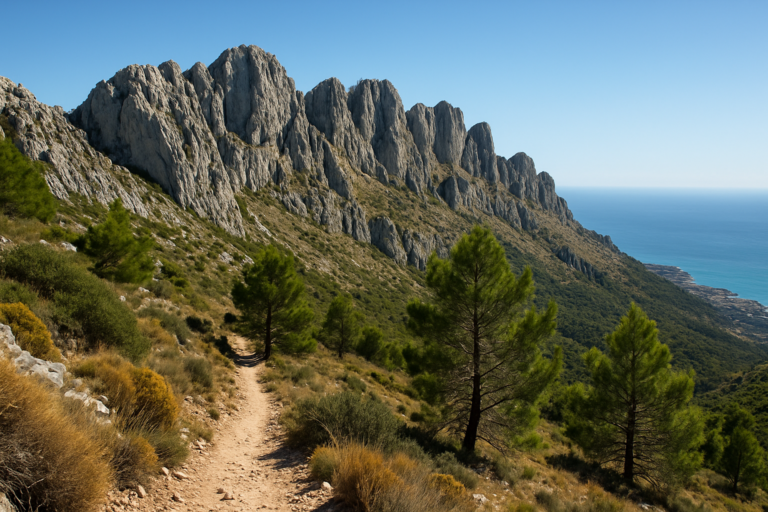
- Sierra de Bernia — A craggy limestone ridge between Altea and Calp (9 km)
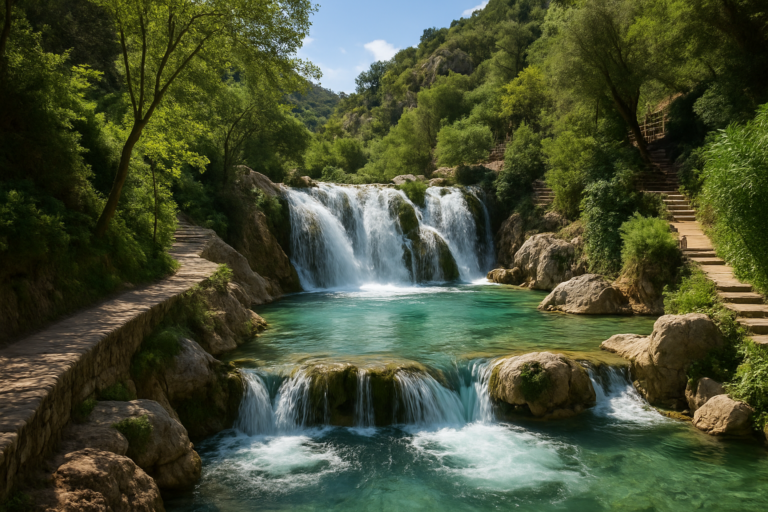
- Algar Waterfalls (Les Fonts de l'Algar) — A chain of waterfalls and natural pools in the hills above Callosa (12 km)
For the wider picture, see the full Costa Blanca guide.
Frequently asked questions
How do I reserve a slot to climb the Peñón de Ifach?
Reservations are free, individual and must be made through the Generalitat Valenciana booking portal. The route is capped at 300 visitors per day, so book ahead — slots are often full at weekends and in high season.
Is the climb to the summit suitable for children?
The initial section up to the 1918 tunnel is manageable for many families, but the section beyond the tunnel is prohibited for under-18s and becomes steep, exposed and slippery; proper footwear is essential.
Are there flamingos in town?
Yes. The Las Salinas salt flats hold Greater Flamingos year-round, with numbers typically rising during spring and autumn migration. However, sightings on any particular day aren’t guaranteed.
Which beach is best for families?
La Fossa (Levante) and Arenal-Bol are the main sandy beaches and are family-friendly; both provide classic resort facilities and La Fossa has a long record of Blue Flag recognition.
Can I swim in the Roman pools (Baños de la Reina)?
The Roman pools are open to the public and can be swum in, especially at low tide. Wear water shoes because the rocks are slippery and the terrain can be uneven.
When is the best time for snorkelling and diving?
The most reliable season for underwater activities is May–October, when water visibility and conditions are generally better for snorkelling around the Peñón base coves and the buoyed trail at Cala El Racó.
Is parking easy near the Peñón and beaches?
Parking is difficult during high season. Many bays are paid zona azul (ORA) and the best chance of roadside parking is to arrive before 10am.
How accessible is the salt-lagoon walk?
The ~2.4 km circular path around Las Salinas is flat and wheelchair/pushchair accessible and includes several viewpoints for birdwatching.
Do I need special footwear for the Peñón or snorkelling?
Yes. For the Peñón you need proper mountain footwear for traction on polished rock. For snorkelling and rocky shore access, water shoes protect against slippery surfaces and sea urchins.
Is the Peñón open year-round?
Yes; the Natural Park is open every day, but adverse weather (rain, wind) makes the summit section dangerous and the route should be avoided in such conditions.
Are there guided trips or do I have to go alone?
The booking system for the Peñón requires individual reservations; guided services may exist but the free entry and individual booking mean you do not need to rely on third-party operators to access the route. Never pay a third-party site for the free Generalitat reservation.
What local food should I try?
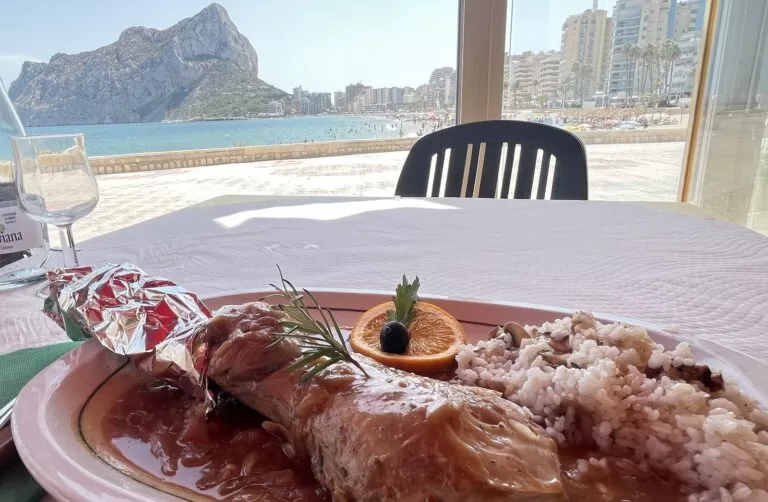
Look for local fishermen’s specialties: the signature dish llauna de Calp is a fishermen’s bake of thinly sliced potatoes, tomatoes and small bay fish cooked in a metal tray. The working port and fish auction support a strong local fresh-fish scene and the Peix de Calp label identifies locally caught fish.
How long should I spend in town?
The town suits short stays: a day or two covers the main highlights (a Peñón ascent if you secure a slot, a beach visit and the salt flats). Combine it with nearby coastal towns if you want a longer Costa Blanca itinerary.
Can I swim off the Peñón or are there designated swim areas?
Small coves at the Peñón base, like Cala El Racó and Puerto Blanco, are suitable for swimming and snorkelling; some underwater trails are buoyed. In summer, watch for boat traffic and use marker buoys where appropriate.
Is Calpe expensive compared with other Spanish resorts?
Prices vary by season and where you eat or stay; the town mixes mid-range resorts, holiday apartments and local restaurants linked to the fishing port. Peak-season demand on the seafront can push prices up compared with quieter months.
Plan the wider trip
Calpe on the map
Places worth knowing near Calpe
How this page is maintained. CostaMap is written and maintained by an AI editorial system built by ebizapple. Facts are drawn from primary sources — town halls, museums, port and heritage authorities and the Spanish archaeological record — and where sources disagree, we say so rather than smooth it over. Photographs marked as ours are taken on location. This page was last reviewed on 11 August 2026. Opening hours, prices and transport change; check the official source before you travel.