
Expect a working Mediterranean town shaped by agriculture, industry and a modest coastal scene rather than a tourist-only resort. This place’s draw is practical: a strong local food identity (especially artichokes with a protected denomination), a few reliable sandy beaches, visible traces of a long history from Iberian settlements to medieval maritime rights, and an economy where farming and seasonal tourism intersect. If you come wanting quiet authenticity and regional food culture rather than slick theme-park amenities, you’ll leave satisfied; if you want non-stop nightlife or glossy beachfront promenades, temper expectations.
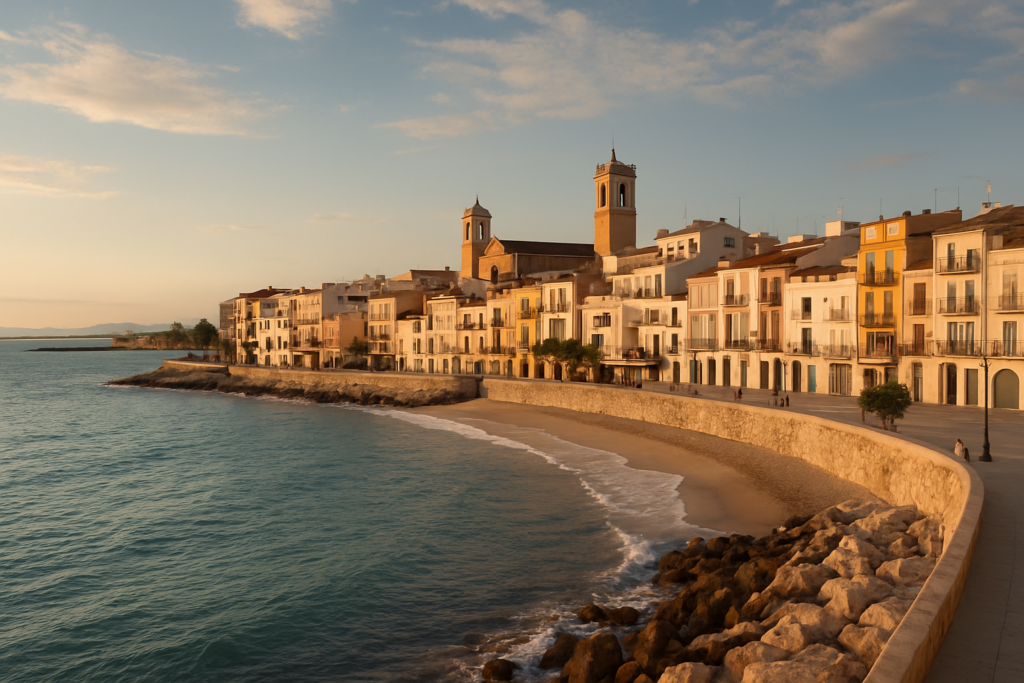
Benicarló at a glance
- Renowned for artichokes that carry a Designation of Origin — central to local festivals and markets.
- Located on a mostly flat coastal plain with nearby low hills such as Puig de la Nau and the Tossa.
- Coastal municipality with several beaches: Mar Xica, Morrongo, Gurugú and Caracola.
- History visible from Iberian occupation (Puig de la Nau) through medieval maritime privileges (1370) to modern economic shifts.
- Economy anchored in irrigated agriculture (lettuce, tomatoes, artichokes, citrus) plus industry and seasonal tourism.
- Bordered by Vinaròs, Càlig, Peñíscola and the Mediterranean Sea — useful for side trips.
Before you plan
There are no verified closures or major single-venue redevelopments among our sources. The town’s economy and urban fabric are evolving — with continued agricultural activity and residential growth linked to industry and immigration — but verified attractions and beaches remain part of the living town, not a theme-park reconstruction.
Things to do in Benicarló
The activity mix is concentrated: beaches and promenades, local food markets and agriculture-related experiences, and simple but important historical sites that reveal continuous occupation from the Iberian era through medieval maritime privileges to modern conflict history. Nothing here is overblown — plan time for slow walks, markets, shoreline sun and a few short cultural stops.
| Attraction | What it is | Price/entry | Best for |
|---|---|---|---|
| Puig de la Nau | Iberian settlement with multiple occupation phases (c. 700–400 BC) | – | History buffs, short hikes |
| Artichoke and agricultural produce | Locally produced artichokes with Designation of Origin; broader irrigated horticulture | – | Food lovers, market visits |
| Coastal beaches (Mar Xica, Morrongo, Gurugú, Caracola) | Sandy beaches along the Mediterranean in a working coastal town | – | Families, swimmers, beachgoers |
| Historic maritime privileges | Medieval rights such as embarkation/disembarkation granted in 1370 | – | Readers of regional medieval history |
| Modern history sites and memory | Remnants and memory of 19th-century wine economy and Civil War bombing | – | Contextual historical visits |
Explore Puig de la Nau — the town’s oldest layer
Puig de la Nau is the clearest archaeological marker of long settlement in the area: it experienced several occupation phases between roughly 700 and 400 BC and represents the Iberian roots of the plain. Visiting this site adds real depth: the landscape and low hills here are where the earliest local communities lived and farmed long before medieval maritime trade reshaped the coast.
Markets, artichokes and the agricultural landscape
Agriculture still shapes daily life. The town’s artichokes carry a Designation of Origin and the area specialises in irrigated horticulture — lettuce, tomatoes, artichokes and citrus feature heavily. For a visitor this means markets and seasonal produce are high quality and local cuisine is tied to the land. Expect practical farm-to-table experiences rather than curated agro-tourism attractions.
Historical threads you can trace on foot
History appears in several layers: the medieval grant of rights to embark and disembark goods in 1370 under Peter IV of Aragon, an exemption from contributions to neighbouring Peñíscola in 1490 by Ferdinand II, a 19th-century local wine economy based around Carlon wine, resistance during the Peninsular War including guerrilla activity, and the town’s experience of bombing during the Spanish Civil War. These touchpoints make the area interesting for travellers who appreciate connective historical narratives rather than single-museum experiences.
Best beaches in Benicarló
The coastline here is straightforward: frequented by locals and visitors alike, with named sandy stretches and a backdrop of agricultural plain rather than towering resorts. Beaches are suitable for family visits and relaxed seaside days.
| Beach | Character | Facilities / Blue Flag |
|---|---|---|
| Mar Xica | Sandy beach within the municipal coastline | – |
| Morrongo | Local sandy beach; part of the town’s beach sequence | – |
| Gurugú | Sandy stretch, accessible from the town | – |
| Caracola | Seaside area forming part of the municipality’s coastal offering | – |
The area with kids
Families will mostly benefit from the beaches — gentle sands and straightforward, familiar seaside routines. There are no claims of large theme parks or purpose-built family attractions in the verified material, so plan for beach time, relaxed strolls and simple nature/history stops that suit school-age children who enjoy outdoor exploration. Markets with local produce are useful for introducing children to regional food culture.
How to get to Benicarló and get around
The town sits on a coastal plain and borders Vinaròs, Càlig and Peñíscola, making it a practical base for exploring this stretch of the Valencian coastline. Local roads and proximity to neighbouring municipalities are the most relevant transport facts in the sources; public transport specifics and journey times are not provided in the verified set and are therefore omitted to avoid inaccuracies. Within the town, expect a compact layout where beaches, market areas and coastal roads are reachable by short local journeys.
Where to stay
While no neighbourhood-by-neighbourhood breakdown is available in the verified material, pragmatic choices follow from the town’s geography: coastal accommodations near the beaches suit families and beachgoers; staying closer to the town centre puts you near markets and historical points; basing yourself with easy access to the connecting roads is sensible if you plan day trips to Vinaròs or Peñíscola.
Best time to visit
The verified material does not include climate tables or festival calendars, so the practical takeaway is seasonal and activity-driven: come when you want reliable beach days and markets — summer months suit beachgoers and those wanting peak produce availability, while spring and autumn are good for quieter visits and agricultural-season experiences. Avoid relying on specific festival dates or climate statistics without checking a current source.
History of Benicarló
This place has a long, layered history. Its earliest known occupation is represented by the Village of Puig de la Nau, with Iberian settlement phases between about 700 and 400 BC. During the medieval period the settlement evolved from its earlier Muslim-era name (Beni-Gazló / Bani-Gazlun) into a Christian town; it came under Christian control in 1236 and was linked administratively to Peníscola Castle. Peter IV of Aragon granted maritime rights in 1370 allowing the town to embark and disembark goods — a key development for coastal trade — and in 1490 Ferdinand II exempted the town from contributions to Peñíscola. The 19th century saw economic boosts from Carlon wine production, and the town was active in resistance during the Peninsular War, including guerrilla activity. In the 20th century the community suffered bombing during the Spanish Civil War. Today, those threads — maritime privileges, agricultural wealth and modern economic shifts — are visible in the town’s layout and economy.
Practical info
Practical planning should focus on food culture and straightforward coastal logistics. Agriculture is central to everyday economic life: expect markets and local produce to reflect the importance of irrigated horticulture (lettuce, tomatoes, artichokes, citrus). The town has become a hub for immigration tied to industry and tourism, which affects local services and the cultural mix. Municipal governance includes a city council made up of 21 councillors from multiple political parties — a reminder that local decisions are politically diverse and that civic services reflect that structure. Rivers such as the Aiguaoliva and the Rambla de Cervera run perpendicular to the coast; these landscape features help explain local drainage and the pattern of coastal agriculture. For practical details like parking locations, exact transport timetables, accessibility features or current festival dates, consult local municipal sources or visitor information because those specifics were not present in the verified material.
Worth it for: travellers seeking a working Mediterranean town with strong local produce (notably D.O. artichokes), simple family-friendly beaches and layered historical context from Iberian settlement to medieval maritime rights.
Less so if: you want a high-gloss resort with extensive tourist infrastructure, large-scale theme-park attractions, or precise climate/festival info without checking current local sources.
How we assess this guide
We compiled this guide by cross-checking independently verified claims about history, economy, geography and local products. We flag historical facts, place names and statuses that are reliably sourced and avoid inventing prices, schedules or venue statuses. This guide does not rely on a single field report; instead it synthesises multiple verified records and highlights where visitors should check up-to-date local information (e.g., timetables, event dates or accessibility details).
Nearby on the Costa del Azahar
Towns within reach
- Peníscola — the Papa Luna castle, the walled old town (7 km)
- Vinaròs — the famed langostino king prawn, the fortified old-town church (7 km)
- Oropesa del Mar — 12 km of Costa Azahar beaches, Marina d'Or (44 km)
- Benicàssim — the long Costa del Azahar beaches, the Belle Époque villas (51 km)
- Almassora — a quiet Costa del Azahar town by the Millars river mouth (67 km)
Things to see close by
For the wider picture, see the full Costa del Azahar guide.
Frequently asked questions
How do I get from the nearest big towns to Benicarló?
The municipality borders Vinaròs, Càlig and Peñíscola, so travel connections are regional and road-based between these towns. Exact timetables and public-transport options aren’t available in the verified dataset and should be checked with current local transport providers.
Is Benicarló expensive?
Our sources don’t include up-to-date cost-of-living or visitor-price data. The town’s economy mixes agriculture, industry and tourism, which typically translates to reasonably priced local markets for produce and standard coastal-town service pricing rather than premium resort rates.
Which beach is best for families?
The town’s named beaches — Mar Xica, Morrongo, Gurugú and Caracola — are the primary coastal options and are suitable for family visits. The verified material does not rank facilities or award status for each beach, so choose based on proximity to your accommodation and current on-site services.
How many days should I allocate?
For a focused visit: two to three days will cover beaches, a market visit or two, strolls through the historical areas and a short outing to Puig de la Nau. If you plan day trips to neighbouring towns, add extra days accordingly.
Is Benicarló good for kids?
Yes for beach days and outdoor exploration. The verified material indicates family-friendly beaches and accessible historical sites rather than large amusement facilities, so bring expectations for relaxed seaside family time and simple cultural visits.
Can I get around without a car?
The town itself is compact enough for short, local journeys on foot or by local transport, and neighbouring towns are nearby. However, specific public-transport routes and frequencies were not included in the verification set, so check current local transport advisories if you plan to travel without a car.
Is parking difficult?
There are no verified parking specifics in the provided sources. As a working coastal town, expect a mix of on-street and municipal parking near beaches and market areas; check local maps or municipal resources for precise parking locations and rules.
What can I do on a rainy day?
The verified facts emphasise markets, local food and historical points; on a wet day, visit indoor markets or town-centre cafés and use the time to read up on the area’s medieval maritime rights, 19th-century wine history and Iberian archaeology. For precise indoor attractions, consult current local listings.
When is the best time to visit for beach weather?
The dataset doesn’t include climate tables. Generally, summer months are the period most suited to bathing and beach activities; spring and early autumn are good for milder weather and market visits. For precise weather trends, consult a climatological source before booking.
Are there festivals or events tied to the artichoke D.O.?
The town is known for artichokes with a Designation of Origin, which indicates a cultural and economic focus on that crop. The verified material does not list specific festival dates; check local tourism resources for current event calendars.
What’s the significance of the medieval maritime rights?
Peter IV’s grant in 1370 allowing embarkation and disembarkation of goods marked an important legal recognition for coastal trade and helped the town participate in Mediterranean commerce. Such charter privileges often shaped coastal towns’ economic development over centuries.
What historical conflicts affected the town?
Benicarló experienced guerrilla activity during the Peninsular War and suffered bombing during the Spanish Civil War. These events are part of the town’s modern historical memory and explain aspects of local architecture and commemorative culture.
Can I visit archaeological sites?
Puig de la Nau is the main cited Iberian-period site, with occupation phases between roughly 700 and 400 BC. Visit with respect for any protected-area rules and seek current visitor information locally, since access details are not provided in the verified material.
Is Benicarló diverse?
The town has become a hub for immigration driven by industry and tourism, which contributes to a varied cultural and economic life. That diversity is part of the modern character of the community.
Benicarló on the map
Places worth knowing near Benicarló
How this page is maintained. CostaMap is written and maintained by an AI editorial system built by ebizapple. Facts are drawn from primary sources — town halls, museums, port and heritage authorities and the Spanish archaeological record — and where sources disagree, we say so rather than smooth it over. Photographs marked as ours are taken on location. This page was last reviewed on 14 August 2026. Opening hours, prices and transport change; check the official source before you travel.