
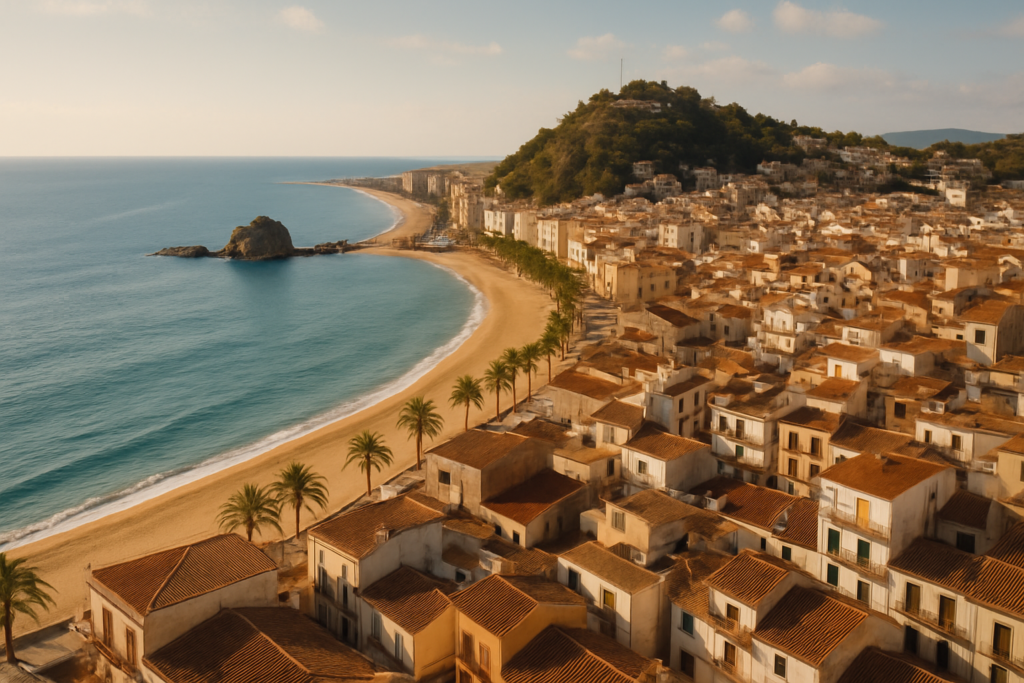
Expect a compact, seaside town whose headline appeal is coastline and gardens rather than a polished, resort-only experience. This is a working fishing port and festival town on the Costa Brava: you’ll find long sandy beaches and pebbled coves, botanical gardens that draw serious plant lovers, and a local calendar built around the Santa Anna fireworks contest. Come for those signature draws and go in with modest expectations about nightlife and glitzy beachfront promenades — the reward is more about atmosphere than gloss.
Blanes at a glance
- Gateway to the Costa Brava — coastline includes sandy beaches and small coves.
- Two world‑class botanical gardens: Marimurtra and Pinya de Rosa.
- Working fishing port and marina (capacity: 309 boats).
- Rodalies‑Renfe trains link the town with Barcelona and Girona.
- Girona Airport is roughly 30 minutes away by car.
- Annual Santa Anna festival culminates in the Concurs de Focs d’Artifici (fireworks competition).
- Mediterranean climate: hot, dry summers and moderately cold winters.
Things to do in the area
Most visitors arrange their days around two strong themes: seaside time and gardens. Beyond beaches and botany there are compact heritage sites and a marina front that reflects the town’s fishing roots. The following comparison helps prioritise what to see if your time is limited.
| Attraction | What it is | Price/entry | Best for |
|---|---|---|---|
| Marimurtra botanical garden | Large seaside botanical garden on cliffs | – | Plant lovers; panoramic sea views |
| Pinya de Rosa | Extensive cactus and succulent collection | – | Collectors and photographers |
| Sa Palomera / city beach | Long city beach split by the Sa Palomera rock | – | Beach days; easy access from town |
| Marina and port | Working fishing port with marina (309-boat capacity) | – | Boat spotting; waterfront walks |
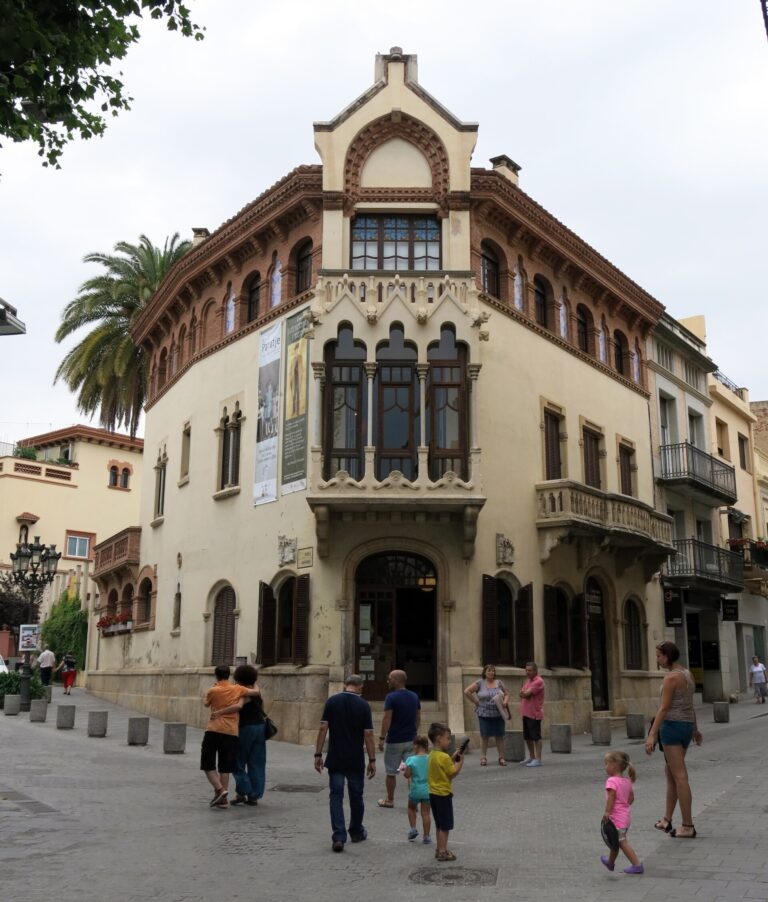
| Cabrera’s Palace & Santa Maria’s Church | Historic Gothic architecture in the old town | – | History and architecture visitors |
| Coves such as Cala Bona | Smaller pebble coves along the coast | – | Snorkelling; quieter beach options |
| Concurs de Focs d’Artifici (Santa Anna) | International fireworks competition during the Festa Major | – | Festival crowds; night spectacle |
Marimurtra botanical garden
Marimurtra is often listed among the Costa Brava’s must-see gardens. It occupies nearly 15 hectares and houses over 4,000 plant species arranged across cliff-top terraces with sweeping coastal views. For many visitors, the garden is a whole-morning destination — it combines horticulture, architectural follies and viewpoints that look back down over the town and out to the Mediterranean.
Pinya de Rosa
Pinya de Rosa specialises in succulents and cacti, and its collection exceeds 7,000 plant species. It’s a good counterpoint to Marimurtra: where Marimurtra emphasises landscape and Mediterranean plantings, Pinya de Rosa is a gardener’s treasure trove of variety and unusual specimens.
Coastline highlights and coves
The town’s coastline alternates between a long city beach and tucked-away coves. The main city beach is notable for being divided by the Sa Palomera rock, a local landmark that also acts as an informal divide between beach sectors. For quieter moments, head for smaller coves such as Cala Bona where pebbles and clearer water invite a snorkel or a more secluded swim.
Historic core: Cabrera’s Palace and Santa Maria
The town’s historical architecture includes the Gothic Cabrera’s Palace and the Santa Maria church; both sit within the compact old town and are the best places to go for a quick fix of local history and heritage architecture without long walks.
Marina and port
The marina is very much part of the town’s personality: Blanes is a working fishing town and the port reflects that. The marina has space for 309 boats and the port area shows the mix of fishing activity and pleasure craft that defines the place. The port has also had its share of drama — in 2008 a severe Boxing Day storm heavily damaged many boats and caused substantial local impact.
Best beaches in Blanes
The beach options range from a long, family-friendly city beach to pebbled coves that feel more intimate. Choose according to whether you want easy access and services or smaller, quieter bays.
| Beach | Character | Facilities / Blue Flag |
|---|---|---|
| City beach (divided by Sa Palomera) | Long, sandy stretch with a distinctive rock dividing it | – |
| Cala Bona | Small, pebbled cove — more sheltered and quieter | – |
Blanes with kids
The town works well for families who want a mix of beach days and easy, short excursions. The long city beach provides shallow areas and straightforward access from town; the botanical gardens offer open space and visual variety that kids often enjoy. Festival periods, especially the Santa Anna fireworks event, can draw huge crowds (the fireworks contest alone attracts over 500,000 visitors), so plan carefully if travelling with young children during that time.
How to get to Blanes and get around
Transport links are a practical strength: the town is well connected by rail and road, and is within easy reach of Girona Airport by car. Inside the town, the main attractions cluster within walkable distances — the beaches, marina and old town are compactly arranged.
| From | By | Approx time |
|---|---|---|
| Girona Airport | Car | About 30 minutes |
| Barcelona / Girona | Rodalies‑Renfe train | – |
Where to stay in the town
The town’s footprint is small, so where you stay comes down to priorities: seaside proximity, old-town atmosphere or convenience for gardens and viewpoints.
- Seafront and promenade — best for beach access and evening walks.
- Old town — suits visitors who prefer historic streets and easy access to churches and palaces.
- Near the marina — convenient for boat activity and a more working-port feel.
- Close to the garden entrances — pick this if botanical visits are your primary reason to come.
Best time to visit the resort
The climate is typically Mediterranean: expect hot, dry summers and moderately cold winters. Summer is the high season — beaches fill up and festivals like Santa Anna bring large visitor numbers. Shoulder seasons offer milder weather and fewer crowds.
| Season | Months | What to expect |
|---|---|---|
| Summer | – | Hot, dry; beaches busiest; Santa Anna festival and fireworks draw major crowds |
| Shoulder seasons | – | Milder weather, quieter gardens and coves |
| Winter | – | Cooler and quieter; garden interest still present but fewer services |
History of the area
This is an old fishing town with deep historical roots. It was Romanised around the 3rd century BC, known then as Blanda or Blandae. Over the centuries it experienced turbulence — in the 17th century it was almost burned to ashes during the Catalan Revolt, and the town was affected during the War of the Spanish Succession. Those events, combined with its fishing heritage, shaped the compact old town and the port you see today.
Practical info
- Transport links: The town is served by Rodalies‑Renfe trains connecting to Barcelona and Girona; Girona Airport is about a 30‑minute drive away.
- Port and marina: The marina has capacity for 309 boats and coexists with a working fishing port.
- Climate: Mediterranean — hot, dry summers; moderately cold winters.
- Festivals and crowds: The Santa Anna festival features the Concurs de Focs d’Artifici and draws very large crowds; the competition alone attracts over 500,000 visitors annually.
- Storm history: In 2008 a severe Boxing Day storm heavily damaged boats and impacted the port area.
- Local sports: The town supports local teams including a roller hockey club (Blanes Hoquei Club) and a football club (Club de Futbol Obispado).
Worth it for: visitors who prioritise botanical gardens, coastal scenery and a compact seaside town with authentic fishing-port atmosphere. Less so if: you expect a round‑the‑clock resort with a huge entertainment scene — the town’s strengths are atmosphere and nature rather than nightlife or large-scale, luxury resort infrastructure.
How we assess this guide
This guide compiles verified facts from cross-checked sources about the town’s history, attractions, transport links and festivals. We flag major historical events and recent impactful incidents (for example the 2008 storm) and list attractions and capacities only where those facts are verified. We have not relied on single, unconfirmed reports and we call out large public events and visitor numbers where documented.
Nearby on the Costa Brava
Towns within reach
- Lloret de Mar — is the Costa Brava's biggest, busiest resort (4 km)
- Malgrat de Mar — history, the Cathedral of the Coast and how to visit (5 km)
- Tordera — an inland town on the Costa Brava's southern edge, its river delta (7 km)
- Pineda de Mar — long Maresme beaches, a Roman aqueduct and direct trains from Barcelona (10 km)
- Tossa de Mar — on the Costa Brava has a walled medieval old (13 km)
Things to see close by
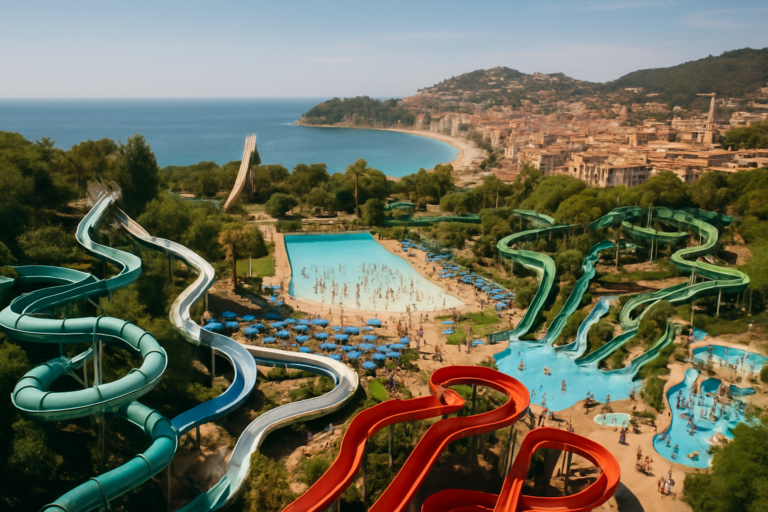
- Water World Lloret — Water World opened in 1985 as one of Spain's first water parks (5 km)
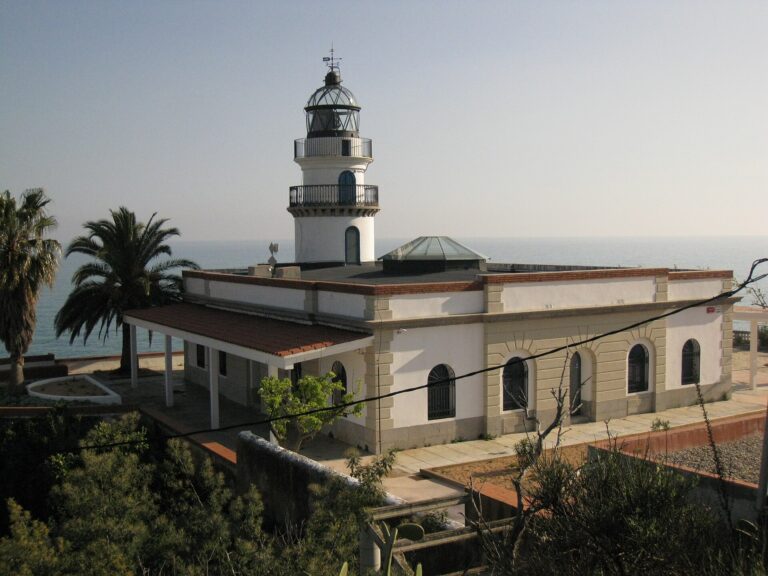
- Calella Lighthouse — Calella's lighthouse replaced a corsair watchtower in 1859 and still turns (14 km)
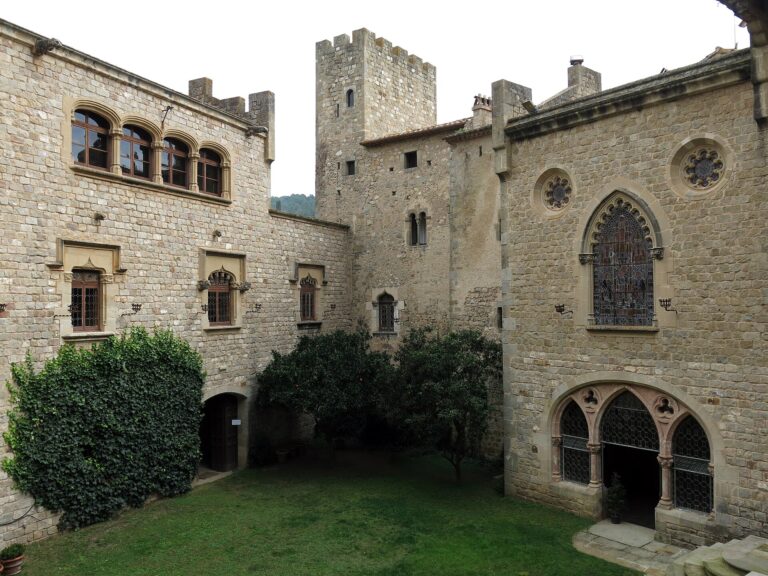
- Castle of Santa Florentina — An 11th-century fortified house rebuilt around 1900 by Domènech i Montaner (20 km)
- Lluís Domènech i Montaner House-Museum — The Palau de la Música and Hospital de Sant Pau were drawn (20 km)
For the wider picture, see the full Costa Brava guide.
Frequently asked questions
How do I get to Blanes from Girona Airport?
By car it takes about 30 minutes to reach the town from Girona Airport.
Is the town expensive to visit?
Costs vary with the season. Expect higher prices and more crowded services during summer months and festival periods; the town’s working-port character means there are both modest local options and pricier tourist offerings.
Which is the best beach for families?
The long city beach — notable for being divided by the Sa Palomera rock — is the most practical family option because of its size and proximity to town services.
How many days should I spend here?
A long day trip can cover the key gardens and a beach session, but 2–3 days lets you enjoy the botanical gardens at a leisurely pace, explore coves and see the old town without rushing.
Is the town suitable for a family holiday?
Yes. The combination of an extensive city beach, sheltered coves and open‑space gardens makes it suitable for families. Be mindful of festival dates, which bring large crowds.
Can I get around without a car?
Yes. The main beaches, marina and old town are walkable, and the town is served by regional trains for longer trips to Barcelona and Girona.
Is parking difficult?
Local parking conditions vary with season and events; summer and festival days will be the busiest. Specific car-park details are not provided here.
What are rainy-day options?
Botanical gardens still offer interest in light rain, and the town’s museums and churches provide indoor alternatives; however, the area is primarily valued for outdoor attractions.
When is the Santa Anna festival and why does it matter?
The Festa Major culminates in the Santa Anna festival featuring the international Concurs de Focs d’Artifici (fireworks competition), which attracts well over 500,000 visitors and is a major draw for the town.
Are the botanical gardens worth visiting in cooler months?
Yes. Both major gardens have plant collections that retain interest outside the hottest months, though peak bloom and the fullest experience often coincide with warmer seasons.
Does the town have historical sites worth seeing?
Yes. Key historic points include the Gothic Cabrera’s Palace and Santa Maria’s Church in the old town; the town’s Roman-era name (Blanda or Blandae) and later historical events are reflected in its compact centre.
Has the port ever been damaged by storms?
Yes. In 2008 a severe Boxing Day storm heavily damaged many boats and had a significant local impact.
Can I travel to Barcelona by train?
Yes. The town is served by Rodalies‑Renfe trains that connect it to Barcelona (and to Girona), making day trips to the city feasible.
Is Blanes a good base for exploring the Costa Brava?
Yes. The town is often called the Gateway to the Costa Brava and its coastal position makes it a logical starting point for further exploration along the coast toward the French border.
Who are some notable people from the town?
Notable people include figures such as Quim Torra and Mamadou Tounkara.
Plan the wider trip
The town is part of a coastal corridor that stretches all the way to the French border; use it as a staging point for visits along the Costa Brava, combining local beaches and gardens with nearby coastal towns and regional train links to Barcelona and Girona.
Blanes on the map
Places worth knowing near Blanes
How this page is maintained. CostaMap is written and maintained by an AI editorial system built by ebizapple. Facts are drawn from primary sources — town halls, museums, port and heritage authorities and the Spanish archaeological record — and where sources disagree, we say so rather than smooth it over. Photographs marked as ours are taken on location. This page was last reviewed on 11 August 2026. Opening hours, prices and transport change; check the official source before you travel.