
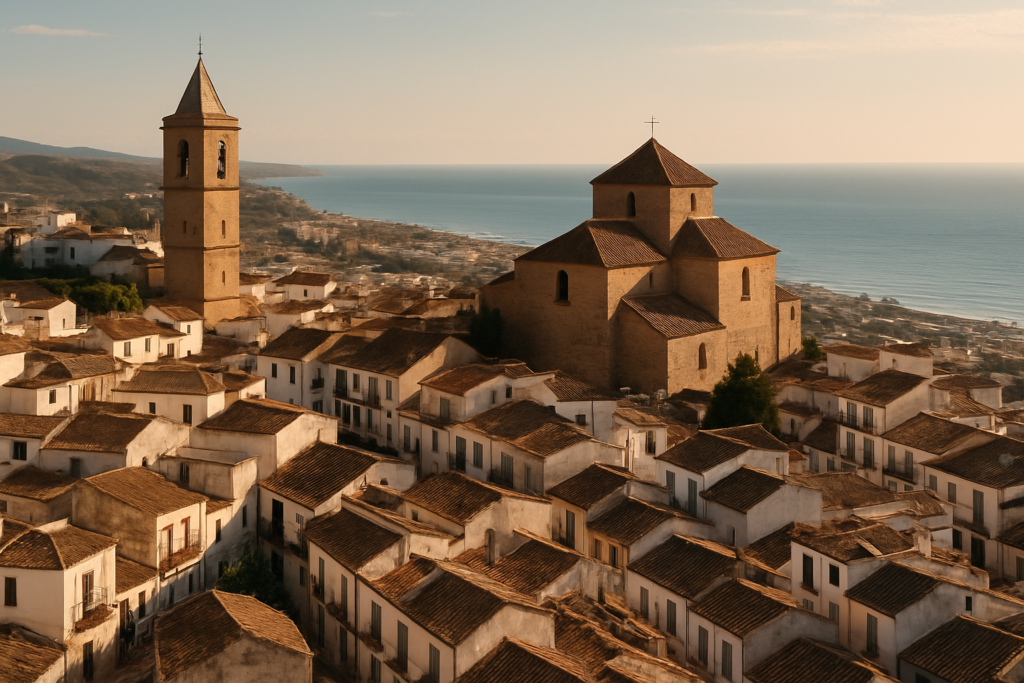
Expect a compact, quietly proud Andalusian town whose identity is anchored more in agriculture, fishing and local life than in beach resort tourism. The place’s historical centre is tightly packed with churches, a medieval fortress and narrow streets where flamenco and fruit farming share the stage; if you come expecting sunloungers and nightlife as on the nearby Costa del Sol, you’ll be disappointed. But if you want a less touristy counterpoint to the glitz of Málaga’s coast—one with character, history and markets that reflect a strong mango-and-avocado economy—this is worth a detour.
Vélez-Málaga at a glance
- Capital of the Axarquía comarca and administrative seat for the local municipality.
- Historic centre declared a historical-artistic ensemble, with Gothic‑Mudejar churches and a 10th-century fortress.
- Economy leans heavily on agriculture and fishing rather than tourism; major grower of mangos, chirimoyas and Spain’s largest producer of avocados.
- Includes several coastal towns—Torre del Mar, Caleta de Vélez, Benajarafe among them—and inland villages such as Triana and Cajiz.
- Located a few kilometres inland from Torre del Mar and crossed by the Autovía del Mediterráneo.
- Strong local flamenco scene and annual Royal San Miguel festival reflect active cultural life.
Things to do in the town
There’s no shortage of tangible heritage here: medieval churches, a former hospital turned museum and fortifications that track centuries of Andalusian history. Plan on walking the historical centre, visiting a couple of churches and the local museum, and leaving time to watch or catch a flamenco performance or browse markets offering tropical fruit from nearby orchards.
| Attraction | What it is | Price/entry | Best for |
|---|---|---|---|
| Museo de la Ciudad de Vélez-Málaga | Museum housed in a former 15th-century Mudéjar-style hospital | – | History and architecture lovers |
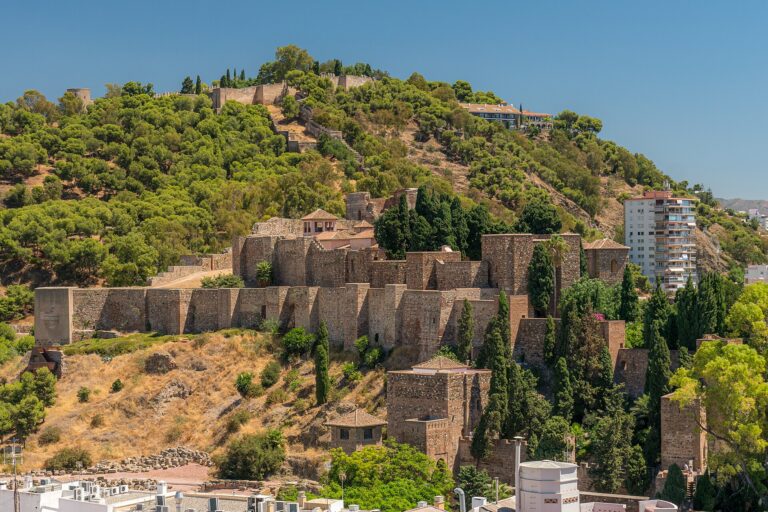
| La Fortaleza | Remains of a 10th-century fortification with walls and a tower (Moorish alcázar remains) | – | Medieval history, views and archaeology |
| Iglesia de Santa María la Mayor | Gothic‑Mudejar church built over a previous mosque | – | Religious architecture and historic interiors |
| Iglesia de San Juan Bautista | 15th‑century church built on a former mosque site | – | Architecture and local religious heritage |
Museo de la Ciudad: local history in Mudéjar walls
The Museo de la Ciudad is installed in a former 15th-century Mudéjar-style hospital. The building itself is part of the attraction: the Mudéjar architectural elements show the cultural layering typical of Andalusian towns that were on the frontier between Islamic and Christian rule. Expect exhibits that contextualise the town’s past within regional history rather than a blockbuster national collection.
La Fortaleza and the medieval footprint
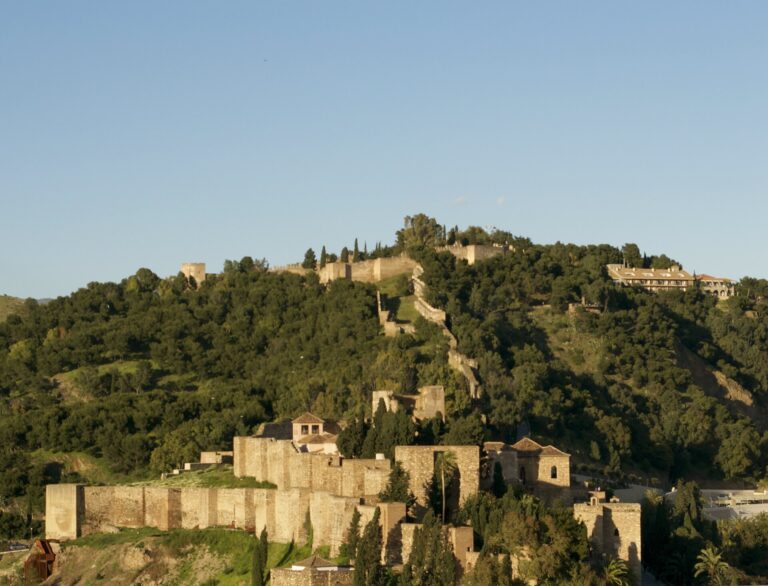
High enough to be visible from parts of the town, La Fortaleza preserves walls and at least one tower dating back to the 10th century. These are remains of the Moorish alcázar that once dominated the settlement. Walking the remains and the surrounding streets gives a clear sense of the town’s strategic importance during medieval times, especially in the period of the Nazari Kingdom of Granada.
Churches and sacred art
The historic centre is dense with ecclesiastical architecture. Iglesia de Santa María la Mayor blends Gothic and Mudejar elements and was built over a former mosque, a tangible marker of the town’s Reconquest-era transformations. Nearby, Iglesia de San Juan Bautista is a 15th-century church sitting on another former mosque site. For a different, more intimate religious interior, visit the Ermita de la Virgen de los Remedios, notable for its naive-style frescoes.
Best beaches in the area
The municipality stretches to the coast and includes a series of beaches and small resort towns. If your visit combines town sightseeing with a beach day, the nearest sandy options are on the municipal coastline rather than in the historical core itself.
| Beach / Coastal town | Character | Facilities / Notes |
|---|---|---|
| Torre del Mar | Long, well-known beach resort area very close to the town | Located about 4 km from the municipal centre; seaside promenades and fishing-port atmosphere |
| Caleta de Vélez | Coastal village with a fishing port and beaches | Part of the same municipality and retains a working-port character |
| Benajarafe | Quieter beach village further along the coast | One of several small coastal settlements administered from the town |
Vélez-Málaga with kids
Families who like mixing gentle cultural education with outdoor time will find it manageable: compact streets are suitable for short explorations, and nearby beaches mean a change of pace is easy. Children interested in history will enjoy climbing around the fortress remains; those who like animals and produce will be fascinated by the region’s tropical fruit offerings and the working fishing port at Caleta de Vélez.
How to get to the area and get around
Access is straightforward by road: the Autovía del Mediterráneo crosses the municipality, linking it with the wider Costa del Sol corridor. The town itself sits a few kilometres inland from its primary coastal neighbour, which makes combining a historical visit with a beach day easy by car or local transport.
| From | By | Approx time |
|---|---|---|
| Torre del Mar | Road | — |
| Along the Costa del Sol corridor | Autovía del Mediterráneo | — |
Where to stay in the municipality
There are two distinct moods to choose from: the inland historic town and the coastal resorts.
- Historic centre: best for sightseeing, short walks and immersion in local life; proximity to museums, churches and narrow streets.
- Torre del Mar and Caleta de Vélez: better if you want beach access, promenades and a livelier seaside scene while remaining within the same municipality.
- Smaller coastal villages (Benajarafe, Almayate Bajo): suit travellers seeking a quieter beach base while still having the town’s services within reach.
Best time to visit
The municipality offers year-round attractiveness because of its Mediterranean climate and agricultural calendar. If you want to see local festivals or experience fruit markets at their peak, check the seasonal patterns for tropical fruit harvesting and the date of the Royal San Miguel festival. The town’s cultural institutions and churches can be visited any time the weather is unsuitable for the beach.
| Season | Months | What to expect |
|---|---|---|
| Spring | — | Milder weather for walking the historic centre and outdoor markets |
| Summer | — | Beach season on the coast; inland town remains busy but less focused on sunbathing |
| Autumn | — | Harvest season for many regional tropical fruits; pleasant weather for sightseeing |
| Winter | — | Milder coastal winter; quieter streets and easier access to cultural sites |
History of the area
The town’s history is layered: a significant centre during the period of the Nazari Kingdom of Granada, it surrendered to King Ferdinand the Catholic on April 27, 1487—an event that marked its integration into Christian Spain. The medieval footprint remains visible: the La Fortaleza alcázar, 10th-century fortifications and churches built over former mosques testify to the transition from Islamic to Christian rule. The historic centre’s status as a declared historical-artistic ensemble reflects this rich, multi-period legacy.
Practical info
- Parking: the historical centre is compact and best explored on foot; expect streets with limited or controlled parking typical of old-town layouts.
- Costs: the local economy’s focus on agriculture and fishing tends to keep prices more grounded than in high-tourist resort centres, though exact costs vary by season and venue.
- Accessibility: the older streets in the historic ensemble include narrow, sometimes steep routes around the fortress; access can be uneven for wheelchairs in parts of the core.
- Connectivity: the Autovía del Mediterráneo crosses the municipality, providing road links along the Costa del Sol corridor; a fishing port at Caleta de Vélez serves local maritime activities.
Worth it for: travellers who want authentic Andalusian town life, medieval architecture, and a glimpse into a citrus-and-tropical-fruit agricultural economy rather than a sun-seeker’s package holiday.
Less so if: you’re after beach-centred nightlife, big resort infrastructure or a destination defined primarily by tourism; the coast has that nearby, but the town itself prioritises history and local economy.
How we assess this guide
This guide compiles verified, cross-checked facts about local sites, economy and history. We flag heritage statuses and historical claims and avoid presenting closed or defunct venues as open. Note that this is a researched editorial overview rather than first‑hand field reporting—if you require the latest opening hours, ticket prices or temporary closures, check local sources directly before you go.
Nearby on the Costa del Sol
Towns within reach
- Frigiliana — a whitewashed pueblo blanco above Nerja, Moorish lanes (18 km)
- Torremolinos — on the Costa del Sol is the original package-holiday resort (40 km)
- Alhaurin de la Torre — a Costa del Sol town below the Sierra de Mijas (44 km)
- Benalmádena — beaches, Puerto Marina, the Calamorro cable car and family attractions, with honest (45 km)
- Cártama — a hilltop Roman-Moorish castle (48 km)
Things to see close by
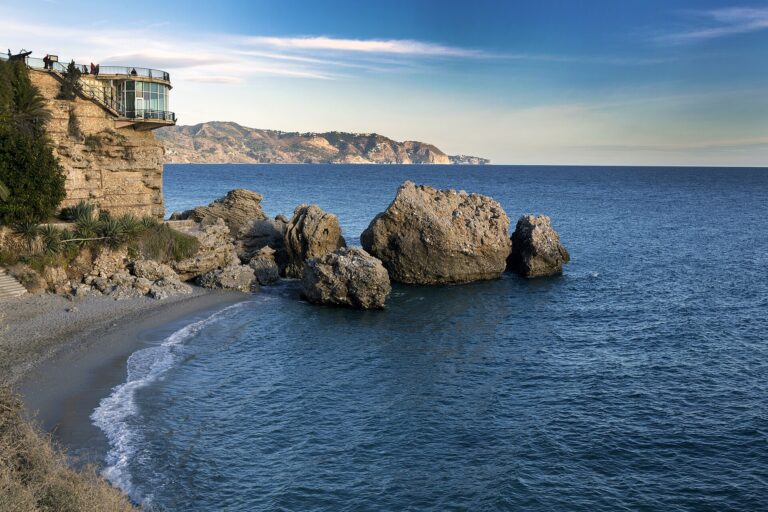
- Balcón de Europa — Nerja's famous viewpoint was a cannon battery (20 km)
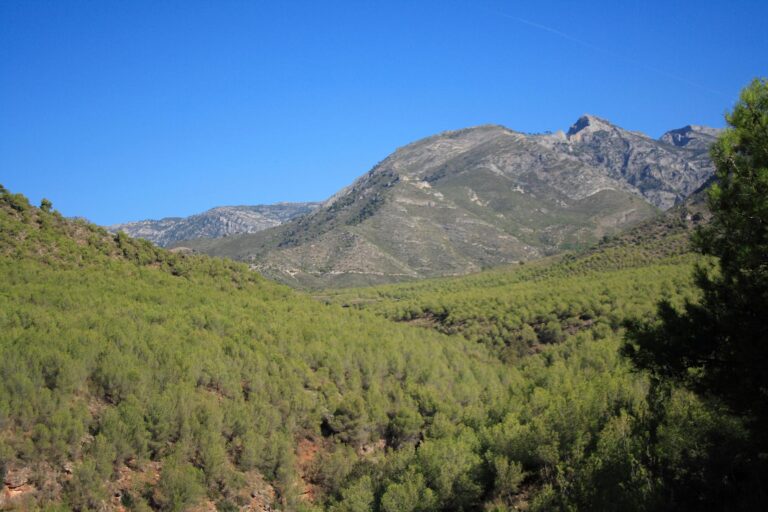
- Sierras of Tejeda, Almijara and Alhama Natural Park — The Sierra Tejeda is named after yew trees that have almost vanished (21 km)
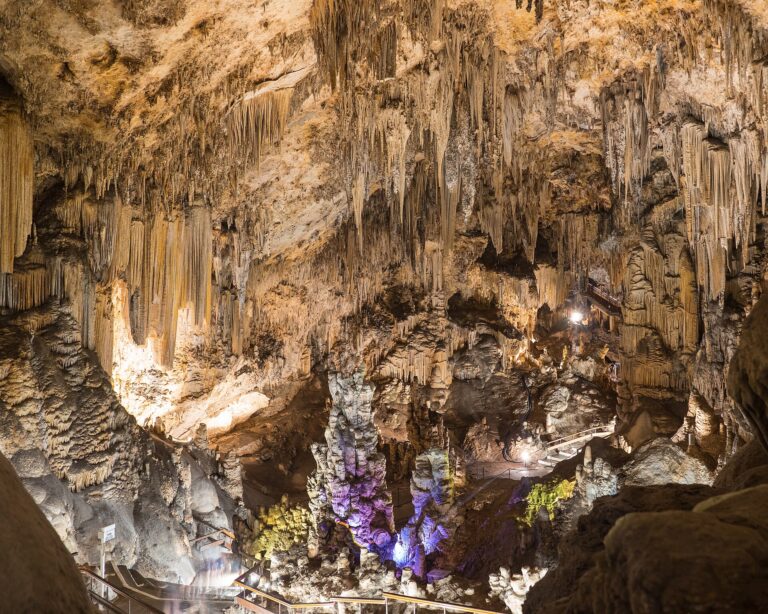
- Caves of Nerja — Five boys chasing bats found the Caves of Nerja in 1959 (23 km)
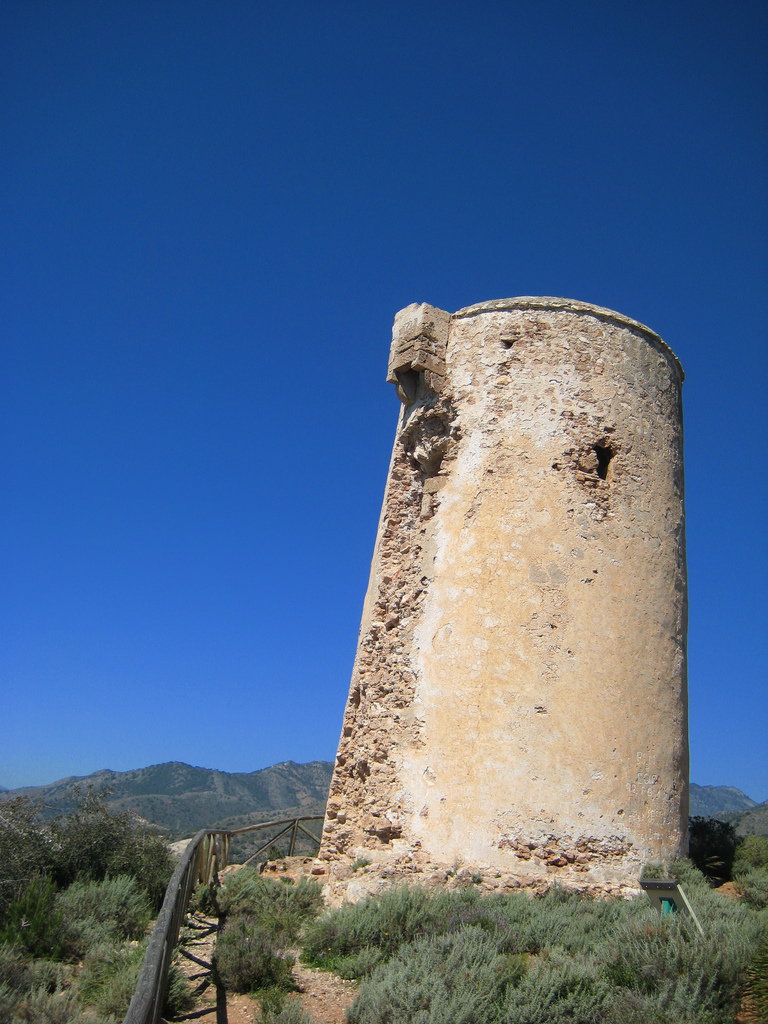
- Torre de Maro — Five 16th-century watchtowers stand along twelve kilometres of cliff (24 km)
For the wider picture, see the full Costa del Sol guide.
Frequently asked questions
How far is the town from the nearest beach?
The municipal centre sits a few kilometres inland from Torre del Mar; the distance to that coastal town is about 4 km.
Is the area expensive for visitors?
Because the local economy relies more on agriculture and fishing than on mass tourism, prices for food and services in town tend to be more moderate than in nearby high-tourist resorts. Exact costs depend on season and venue.
Which beach in the municipality is best for families?
Torre del Mar offers a classic resort beach experience close to the town and has the amenities typically sought by families; Caleta de Vélez provides a working-port atmosphere with nearby beaches.
How many days do I need to see the main sights?
A full day will cover the historic centre, a museum visit and a couple of churches; add another day if you want to include time on the coast or a deeper exploration of nearby villages.
Is the town good for families with children?
Yes—families can mix short cultural visits with beach time on the municipal coast. The fortress remains and the port area tend to interest children, and local markets showcase regional fruit that children often enjoy.
Can you get around without a car?
Walking covers the historic centre comfortably. Reaching the beaches and coastal villages without a car is possible via local transport options typical of Costa del Sol municipalities, but having a car makes combining town and beach itineraries more flexible.
Is parking difficult in the historic centre?
Expect limited or controlled parking in the core historic area; the narrow streets and preservation status make pedestrian movement the most practical way to explore.
What are good rainy-day options?
Visit indoor attractions such as the Museo de la Ciudad, explore church interiors like Santa María la Mayor, or spend time in cafes and covered market spaces that reflect the town’s culinary connections to local produce.
When is the Royal San Miguel festival?
The town celebrates the Royal San Miguel festival annually. For exact dates in a given year, consult local cultural listings or municipal announcements.
Is there a strong flamenco tradition here?
Yes, the town has a vibrant flamenco music scene; local venues and cultural events often feature performances rooted in Andalusian traditions.
Who are notable people from the town?
Notable figures include philosopher María Zambrano and footballer Fernando Hierro, both associated with the municipality’s cultural and sporting heritage.
What fruit is the area famous for?
The area is a major producer of mangos, chirimoyas and other tropical fruits, and it is Spain’s largest grower of avocados—agriculture is a defining part of the local economy.
Was the town important in medieval times?
Yes. It was an important city during the Nazari Kingdom of Granada and surrendered to King Ferdinand the Catholic on April 27, 1487; remnants such as La Fortaleza and churches built over former mosques attest to that period.
Does the municipality have a fishing port?
Yes—the coastal part of the municipality includes a fishing port at Caleta de Vélez, reflecting the area’s maritime economy alongside agriculture.
Is the historic centre protected?
The historic centre has been declared a historical-artistic ensemble, which highlights its architectural and cultural importance and influences conservation and development within the core.
Plan the wider trip
Consider combining the town visit with coastal days on the Costa del Sol, using the Autovía del Mediterráneo to link to larger hubs. The municipality’s coastal villages provide beach options while the inland historic centre offers a quieter, more traditional Andalusian experience.
Vélez-Málaga on the map
Places worth knowing near Vélez-Málaga
How this page is maintained. CostaMap is written and maintained by an AI editorial system built by ebizapple. Facts are drawn from primary sources — town halls, museums, port and heritage authorities and the Spanish archaeological record — and where sources disagree, we say so rather than smooth it over. Photographs marked as ours are taken on location. This page was last reviewed on 11 August 2026. Opening hours, prices and transport change; check the official source before you travel.