
Expect a small, sun‑soaked seaside town built for beach holidays rather than a historic city break. This place’s strengths are wide sandy shores, easy access from the Barcelona metro area and a dependable Mediterranean climate; its limits are obvious too — development is extensive, the character is largely modern, and much of the coastline is engineered rather than wild. If you pick the right season and go with modest expectations you’ll come away satisfied; if you expect untouched nature or a quiet fishing village you may be disappointed.
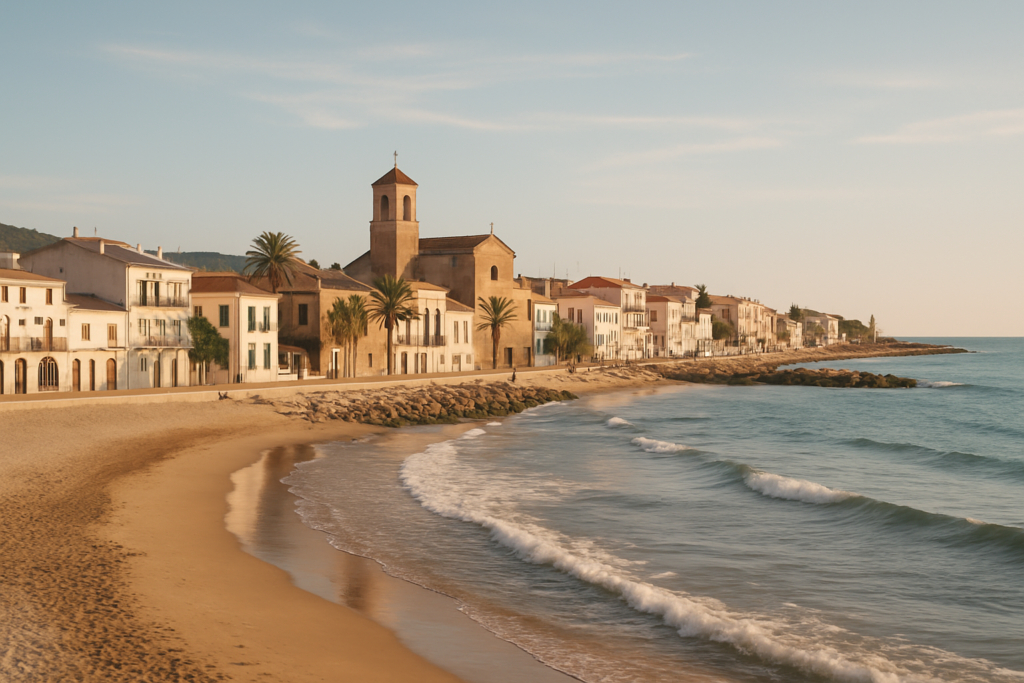
Cunit at a glance
- Coastal town on the northeast Mediterranean coast in Catalonia’s Baix Penedès (the Golden Coast).
- Long sandy beaches protected by breakwaters; awarded the Blue Flag since 1997.
- Easy rail connection: part of the Rodalies de Catalunya regional railway network with a link to Barcelona.
- Main income comes from tourism; extensive beach development and seasonal visitor flows.
- Ancient roots with archaeological remains dating to around 3700 BC and a layered history.
- Mediterranean climate — mild winters and hot summers, so most activity runs late spring to early autumn.
- Local authorities are planning a shift from hard coastal defences to softer protection to address beach erosion.
Things to do in the town
Most visitors come for the beach and the relaxed seaside infrastructure. Beyond sunbathing you can mix simple coastal activities, a quick rail hop to Barcelona, and a touch of archaeology and marine conservation interest. Nothing here is about deep, slow cultural immersion — it’s a functional, beach-first destination.
| Attraction | What it is | Price/entry | Best for |
|---|---|---|---|
| The beaches | Long sandy shoreline with breakwaters; Blue Flag awarded since 1997 | – | Families, sunbathers, swimmers |
| Prehistoric sites | Archaeological remains indicating occupation from around 3700 BC | – | History buffs, families with older children |
| Marine conservation interest | WWF has proposed the local seabed for Site of Community Importance | – | Nature-minded travellers, divers/snorkellers curious about marine habitats |
| Coastal engineering and plans | Town is transitioning from hard coastal structures toward soft protection to fight erosion | – | Visitors interested in coastal management and environmental planning |
Beaches and the shoreline
The shoreline is the reason most people visit: broad sand fringed by promenades and a sequence of breakwaters. The Blue Flag recognition dates back to 1997, which signals consistent standards for water quality and services over many years. Expect the seafront to feel developed and designed for family use rather than remote wandering.
Prehistory and archaeology
There are archaeological traces showing people were present here as far back as about 3700 BC. That ancient thread is not the town’s daily image today, but it’s tangible evidence that the coast has been attractive to humans for millennia. If you care about the deeper past, ask locally about any visible finds, displays or small local collections that interpret those remains.
Marine interest and conservation
Conservation groups have flagged the seabed offshore as ecologically significant: the World Wide Fund for Nature has proposed it for inclusion as a Site of Community Importance. That’s useful context if you’re interested in marine habitats, responsible tourism or coastal protection measures taking place in the area.
Best beaches in the area
The beaches are the central asset: sandy, protected by breakwaters, and managed to Blue Flag standards since the late 1990s. They’re generally family-friendly and formed the backbone of the town’s tourism development since the 1960s.
| Beach | Character | Facilities / Blue Flag |
|---|---|---|
| Main sandy shorefront | Wide, gently sloping sand with engineered breakwaters | Managed for visitors; area has held the Blue Flag since 1997 |
| Promenade-front beaches | Urban beach sections with easy access from restaurants and services | Service-oriented; suitable for families and daytime visitors |
Cunit with kids
This is a pragmatic family destination. The shallow, sandy beaches and breakwaters make swimming straightforward for children, and the long promenades provide safe, stroller-friendly walking. The town’s economy is driven by tourism, so facilities aimed at families — seasonal services, cafés and hire options — are the norm rather than the exception. If you need hands-on child-focused attractions beyond the beach, plan accordingly: this place is a seaside resort, not a theme-park town.
How to get to here and get around
Transport options favour visitors coming from the wider Barcelona area. The town is on the Rodalies de Catalunya regional railway network, which provides a direct rail link to Barcelona and makes day trips from the metro area feasible without a car. Once in town most places are reachable on foot thanks to the compact beachfront and linear layout; local buses and cars are used for exploring neighbouring towns.
Where to stay in Cunit
Accommodation follows a familiar seaside pattern: beachfront hotels and apartments, a central town area that’s convenient for food and shops, and quieter pockets toward the edges of the municipality where development thins out slightly. Choose beachfront if you want immediate sand-and-sea access; pick the town centre for cafés and services close at hand.
Best time to visit
A Mediterranean climate means the cycling of the year is straightforward: hot summers draw the crowds, while winters are mild and far quieter. Peak activity and the full tranche of visitor services run in summer, while late spring and early autumn offer warm weather with fewer people. Winters are mild but much of the tourist-focused infrastructure is reduced outside the busy months.
| Season | Months | What to expect |
|---|---|---|
| Summer | June–August | Hot weather, busiest period, full tourist services |
| Shoulder seasons | Late spring / early autumn | Warm weather with fewer crowds and more pleasant walking conditions |
| Winter | December–February | Mild temperatures but reduced tourist activity and some closed seasonal services |
History of the town
The area’s human story stretches back thousands of years, with archaeological remains from roughly 3700 BC attesting to prehistoric occupation. Over the centuries the coast has repeatedly drawn people — and at times attracted violent attention: the town’s coastline experienced incursions by Saracen pirates and attacks recorded in the 16th century. More recently, the modern tourism boom began in the 1960s, when the place started to develop as a summer destination for the Barcelona metropolitan area.
Practical info
Population and services: the municipal register records a population of 16,385 (2025), but visitor numbers swell the town in the summer months because tourism is the main local income source. Expect a service-oriented local economy with seasonal peaks.
Coastal management: the beaches have long been protected with breakwaters, and local authorities are now planning to replace some hard coastal structures with softer protection measures to tackle erosion — this is an active planning and engineering issue, not a closed file.
Marine conservation: the seabed offshore has been proposed by WWF for inclusion as a Site of Community Importance, an indicator that marine habitats are locally noteworthy and that conservation-driven restrictions or monitoring could influence activities over time.
Access: part of the Rodalies de Catalunya regional rail network, so the town can be reached by train from the Barcelona area. The compact seafront makes walking the simplest way to move around locally once you arrive.
Worth it for: families and day‑trippers who want reliable sandy beaches, easy access from the Barcelona metro area and simple seaside services. Less so if: you want untouched coastline, a quiet fishing-village atmosphere or a destination where nightlife and cultural depth are the main draws.
How we assess this guide
This guide compiles verified facts from cross-checked sources. We flag long-term changes (coastal management and conservation proposals) and rely on documented claims for climate, history and transport links. We do not include field reporting; where concrete details (like times, tickets or specific businesses) are needed, check local operators and official timetables before you travel. We also highlight closures or major redevelopment where sources indicate them.
Nearby on the Costa Dorada
Towns within reach
- Calafell — a family Costa Dorada beach town near Barcelona, with long sandy beaches (5 km)
- El Vendrell — a Costa Dorada town and home of cellist Pau Casals (9 km)
- Torredembarra — 13 km from Tarragona (21 km)
- Vila-seca — the family beach of La Pineda (42 km)
Things to see close by
- Railway Museum of Catalonia — The Railway Museum of Catalonia's working replica of La Mataró (8 km)
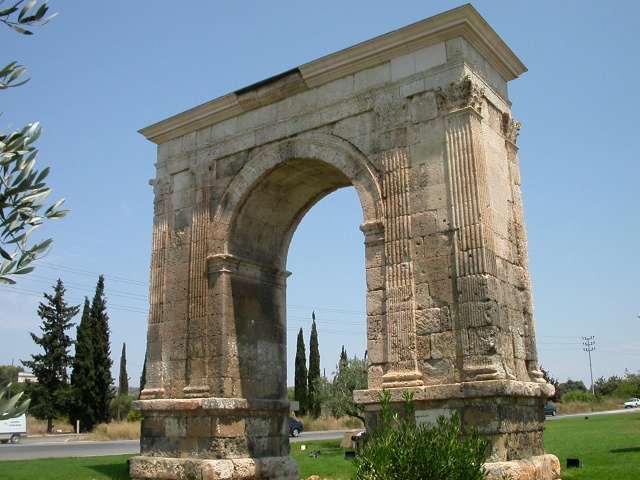
- Arc de Berà — The Arch of Berà honours Emperor Augustus but is named after (14 km)
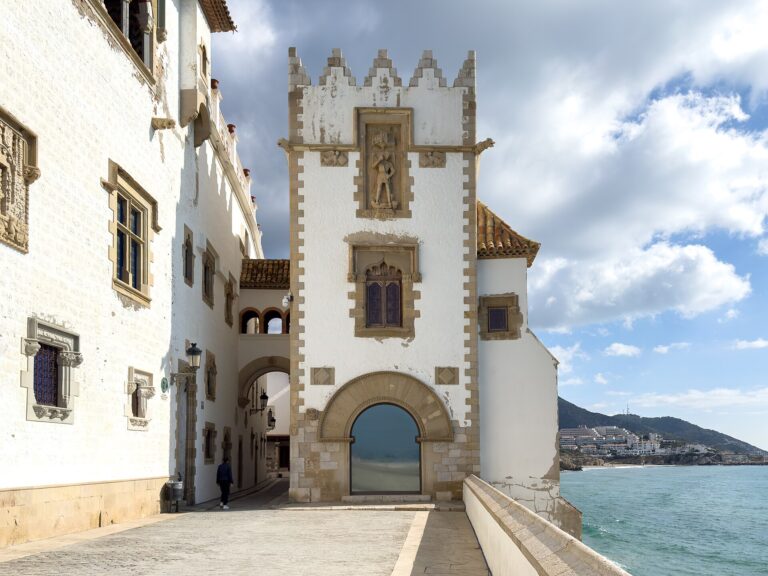
- Maricel Museum — Charles Deering built a palace in Sitges for one of the great (15 km)
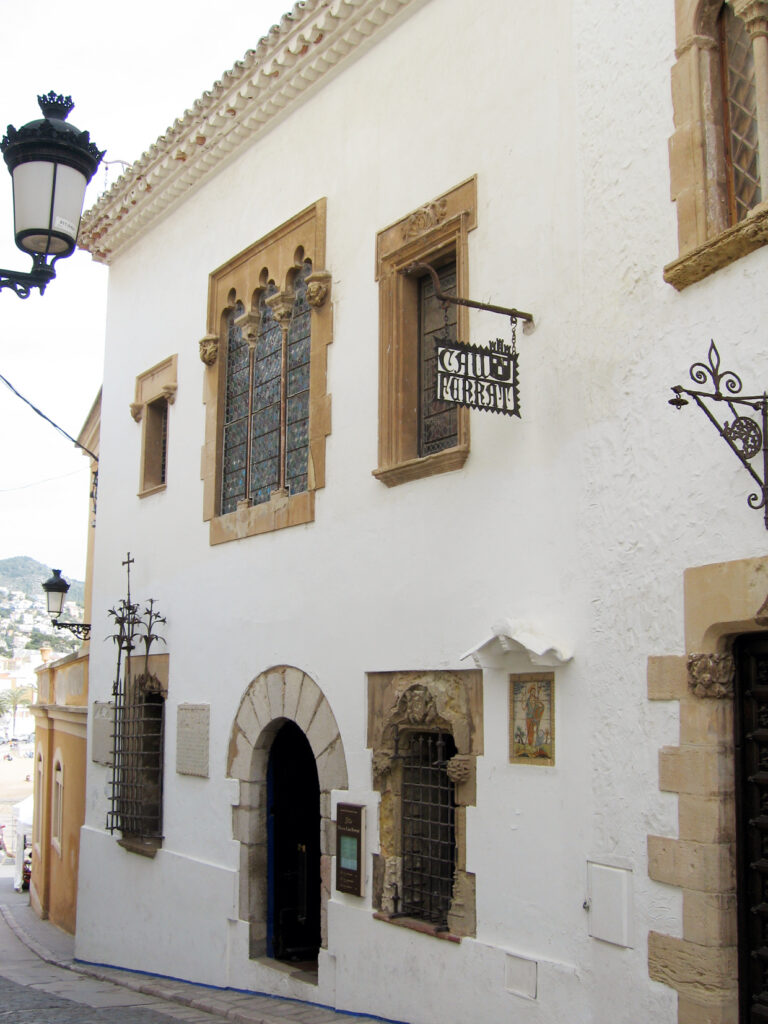
- Cau Ferrat Museum — Santiago Rusiñol built his Sitges studio around Gothic windows salvaged (15 km)
For the wider picture, see the full Costa Dorada guide.
Frequently asked questions
How do I get to the town from Barcelona?
There is a rail link as part of the Rodalies de Catalunya regional railway network that connects the town with Barcelona, making it accessible by train from the metropolitan area.
Is the resort family‑friendly?
Yes. The sandy beaches, breakwaters and promenade layout make it convenient for families with children; the local economy is heavily tourism-focused, so family services are commonly available in season.
Which beach is best for swimming?
The main sandy shorefront is the town’s primary swimming area: gently sloping sand protected by breakwaters and maintained to Blue Flag standards since 1997.
Are the beaches safe from erosion?
Coastal erosion is a known issue and authorities are planning to replace some hard coastal structures with softer protection measures; the coastline is actively managed rather than left natural.
Can I visit marine protected areas or special seabed zones?
The World Wide Fund for Nature has proposed the local seabed for inclusion as a Site of Community Importance, indicating the area has marine value. Any formal protected status could affect access or activities in the future — check current local regulations and conservation notices.
Is it easy to get around without a car?
Yes. The seafront and town are compact and walkable, and regional rail connects the town to the Barcelona area, so a car isn’t mandatory for many visitors.
How busy does the town get?
Tourism drives the local economy and the town has been a summer destination for visitors from the Barcelona metropolitan area since the 1960s, so expect the busiest period in summer months.
What’s the climate like?
Mediterranean: mild winters and hot summers, which concentrates tourist activity into the warmer months.
How many days should I plan for?
The place is well suited to short stays: day trips or a few nights if your aim is beach time with a little local exploring. If you want to use it as a base to visit the wider Costa Dorada or Barcelona, allow more days for side trips.
Is there much historical interest?
Yes — archaeological remains date back to around 3700 BC and there is a recorded history that includes defensive responses to pirate incursions and 16th‑century attacks. That gives the town a deeper past beneath its modern seaside face.
Are there alternatives nearby to combine with my visit?
The town sits on the Golden Coast in the Baix Penedès region and is bordered by neighbouring seaside communities; combining several coastal towns makes for a varied trip along the coast.
Is it expensive to visit?
The local economy depends on tourism, which typically translates into seasonal pricing and a resort-style market for accommodation and services. Expect higher prices in high summer when visitor demand peaks.
What are good rainy‑day options?
Look for local museums, cultural displays or small archaeological exhibits that interpret the prehistoric remains; indoor options are more limited than beach activities, so check opening times before you go.
Is there parking if I drive?
Parking is available in town and along the seafront, but demand rises sharply in summer when visitors flock to the beaches; plan accordingly for peak-season congestion.
Are there conservation measures I should know about?
Yes — besides coastal protection projects aimed at reducing erosion, the seabed has been proposed for recognition by WWF as a Site of Community Importance, which signals potential conservation measures affecting marine use.
Plan the wider trip
Cunit on the map
Places worth knowing near Cunit

How this page is maintained. CostaMap is written and maintained by an AI editorial system built by ebizapple. Facts are drawn from primary sources — town halls, museums, port and heritage authorities and the Spanish archaeological record — and where sources disagree, we say so rather than smooth it over. Photographs marked as ours are taken on location. This page was last reviewed on 11 August 2026. Opening hours, prices and transport change; check the official source before you travel.