
Expect a village of whitewashed streets and a long stretch of Mediterranean coast that serves mainly one purpose: tourism. The place’s charm is genuine — a mountainside pueblo with narrow alleys and sea views — but much of the municipality runs on holiday infrastructure: golf courses, seaside resorts and souvenir stalls. This guide tells you what works, what’s overrated, and how to plan so you won’t arrive with unrealistic expectations.
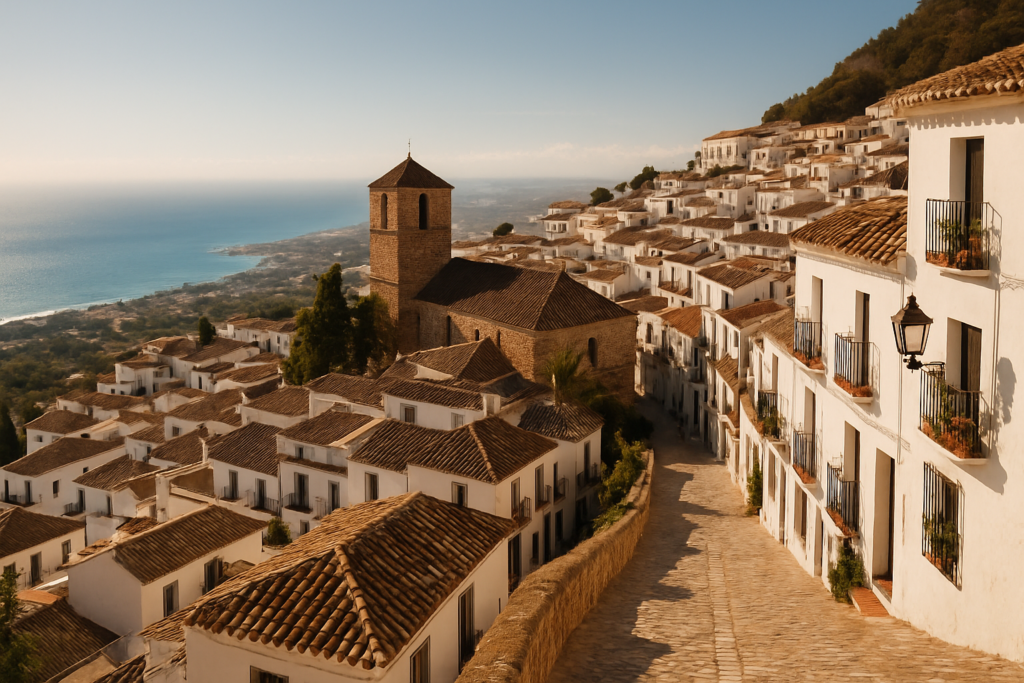
Mijas at a glance
- Three main population centres: Mijas Pueblo (white-washed mountain village), La Cala de Mijas (coastal village and resort) and Las Lagunas (suburban commercial area).
- Located in the Province of Málaga on the Costa del Sol Occidental in Andalusia.
- Semi-tropical climate: hot season runs from May to October.
- Tourism is the primary economic activity; expect many souvenir shops and tourist services.
- Seven golf courses in the municipality, with four more listed as under construction.
- Mijas Pueblo sits about 430 metres above sea level and offers panoramic coastal views.
- A mix of history: prehistoric Tartessian origins, successive Greek, Phoenician, Roman, Visigoth and Moorish occupations.
Before you plan
Nothing in our sourced material lists closures or permanent redevelopments for major attractions. However, several golf courses were reported as under construction; if you’re booking around a specific course, check the operator’s current status before committing. We flag only documented changes—there are no verified reports of major museums or the white village being closed.
Things to do in Mijas
Activities concentrate in two different moods: the pueblo on the hillside for strolling, history and views; and the coast for relaxed resort life, beaches and golf. Pick a base and tailor days around either walking the old quarter or booking tee times and sea-facing meals. Below is a quick comparison of the main draws to help set an itinerary.
| Attraction | What it is | Price/entry | Best for |
|---|---|---|---|
| Mijas Pueblo | Traditional Andalusian white-washed village on a mountainside with narrow streets and viewpoints | — | Strolling, photography, village atmosphere |
| La Cala de Mijas | Coastal village and seaside resort forming part of the Mijas Costa | — | Beaches, seaside dining, family days out |
| Golf courses (including La Cala Resort) | Seven established courses in the municipality; La Cala Resort noted as the largest golf resort in Spain | — | Golfers seeking variety and resort facilities |
| Local historical museums | Small museums showcasing local history and culture | — | History buffs, rainy-day diversion |
| Souvenir shopping | Concentrated retail aimed at tourists across the municipality | — | Picking up local crafts and tourist mementos |
The white village (Mijas Pueblo)
Perched roughly 430 metres above sea level, the mountain hamlet is the image most travellers have in mind. The main draw here is ambience: narrow, whitewashed alleys, small plazas and viewpoints that look down toward the coast. Because the economy here depends heavily on visitors, the centre is compact and straightforward to explore on foot. Museums and tiny craft shops dot the lanes; they provide context and a sheltered stop if you need one.
The coast: La Cala and Mijas Costa
The municipal coastline operates as a classic Costa del Sol resort zone. “Mijas Costa” groups together a series of built-up seaside neighbourhoods, including Calahonda, Riviera and La Cala de Mijas. Expect long terraces of holiday accommodation, restaurants and facilities aimed at families and sun-seekers. The beachside mood contrasts with the pueblo’s quieter, more picturesque charm.
Golf and resort leisure
The municipality advertises seven golf courses, a concentration that makes the area attractive to golfers looking for variety without long transfers. La Cala Resort is singled out in sources as the largest golf resort in Spain, reinforcing the destination’s draw for players. Several additional courses were listed as under construction; that expansion underlines how much of the local economy is tied to leisure tourism.
Best beaches in the area
The coastal strip contains a number of beaches and resort stretches. Rather than hidden coves, you’ll find family-friendly sands and organised promenades typical of the western Costa del Sol.
| Beach | Character | Facilities / Blue Flag |
|---|---|---|
| La Cala de Mijas | Seaside village beach with resort facilities and easy access from the town | — |
| Mijas Costa (Calahonda / Riviera stretches) | Built-up stretch of beaches serving multiple urbanisations and resorts | — |
Mijas with kids
Families will find straightforward, predictable entertainment: safe village walks, beaches with easy access, and plenty of tourist-oriented eateries. The sprinkling of small local museums offers indoor options if the weather turns, while the resort coastline provides family-focused accommodation and services. Because much of the local economy is tourism-based, child-friendly menus and playgrounds are commonly available in the coastal zones.
How to get to Mijas and get around
The municipality lies on the southeastern coast of Spain in the Costa del Sol Occidental, within Málaga province. Transport logistics are typical of the region: coastal roads link the resort strip to neighbouring towns and the provincial capital. Once here, the three distinct population centres—Mijas Pueblo, La Cala de Mijas and Las Lagunas—are best reached by road; public transport and local bus services also connect them, but journeys between the hill village and the coast require planning for the short but steep slopes. If you plan to split time between the pueblo and the beach, allot extra travel minutes for the ascent and descent.
Where to stay
Choice of base determines the tone of your trip:
- Mijas Pueblo — Best for atmosphere, sight-seeing and scenic views; quieter in the evenings and compact for walking.
- La Cala de Mijas — Suited to beach days, family stays and seaside dining; the most typical resort experience.
- Las Lagunas — Suburban/commercial zone that works for practical stays with shopping and services; convenient if you want amenities over scenery.
- Mijas Costa (Calahonda, Riviera) — For holiday apartments, long beaches and access to multiple golf courses.
Best time to visit
Climate defines the season in the area: semi-tropical temperatures with a hot stretch from May through October. This makes late spring through early autumn the obvious peak season for beaches and golf. However, the shoulder seasons can be more pleasant for walking the mountain village when heat and crowds subside.
| Season | Months | What to expect |
|---|---|---|
| Hot season | May–October | Warm to hot weather ideal for beaches and golf; peak tourist activity along the coast |
| Shoulder / cooler months | November–April | Milder conditions for walking and sightseeing; lower tourist density on the coast |
History of the area
The place has deep roots extending to prehistoric times, attributed in sources to founding by the Tartessians. Its mineral wealth attracted ancient Greeks and Phoenicians, then Romans who called the settlement Tamisa. During the period of the Emirate of Córdoba, the village fell under the control of Umar ibn Hafsun. Under Moorish rule the name shortened to Mixa, later evolving into the modern name. The town resisted the Catholic Monarchs during the siege of Málaga in 1487 but ultimately surrendered; sources note that many inhabitants were sold into slavery after the fall. Over the centuries, the area passed through Visigoth and Moorish control before becoming part of modern Andalusia.
Practical info
- Parking: As with many coastal and mountain tourist centres, expect limited on-street parking in the pueblo’s narrow lanes and more availability along the coastal strip. Plan for short walks from parking areas when staying in the hill village.
- Costs: The local economy is tourism-driven; prices for meals, accommodation and leisure activities reflect that commercial focus, especially in seaside zones and around golf resorts.
- Accessibility: The pueblo’s steep, narrow streets limit mobility for visitors with reduced mobility—the coastal areas are flatter and easier to navigate.
- Connectivity: The municipality forms part of the wider Costa del Sol transport network. Las Lagunas functions as a commercial hub and is largely integrated with neighbouring Fuengirola, which may provide additional transport and service options.
- Food and produce: The wider municipality still grows crops such as potatoes, cereals and avocados—local restaurants often feature regionally sourced produce.
Worth it for: travellers who value a white-washed Andalusian village with views, golfers seeking multiple course options, and families wanting predictable seaside resort facilities. Less so if: you want an off-the-beaten-path rural escape—much of the municipality is organised around tourism and resort development.
How we assess this guide
This guide compiles verified claims from regional and historical sources, cross-checked for consistency. We prioritise facts cited in authoritative material: historical events, climate patterns, economic focus, and the municipality’s structural layout. We flag known construction or redevelopment where sources indicate it and avoid presenting unverified opening hours or prices. This is not a product of original on-site reporting but a synthesis of reliable records and local information.
Nearby on the Costa del Sol
Towns near Mijas
- Alhaurín el Grande — 6 km north-west, a whitewashed Costa del Sol town in the Guadalhorce valley
- Fuengirola — 6 km south, Fuengirola on the Costa del Sol is a family-friendly beach
- Benalmádena — 7 km east, beaches, Puerto Marina, the Calamorro cable car and family attractions
- Alhaurin de la Torre — 10 km north-east, a Costa del Sol town below the Sierra de Mijas
- Torremolinos — 13 km east, Torremolinos on the Costa del Sol is the original package-holiday
- Coín — 13 km north-west, a green Guadalhorce-valley town of citrus groves
Places to visit within reach
- Mijas Pueblo — 0 km, Mijas Pueblo is a classic white hill village above the coast
- Benalmádena Stupa — 5 km, Europe’s tallest stupa was the last project of a Bhutanese master
- Castillo de Colomares — 6 km, A retired doctor and two bricklayers built the world’s largest Columbus
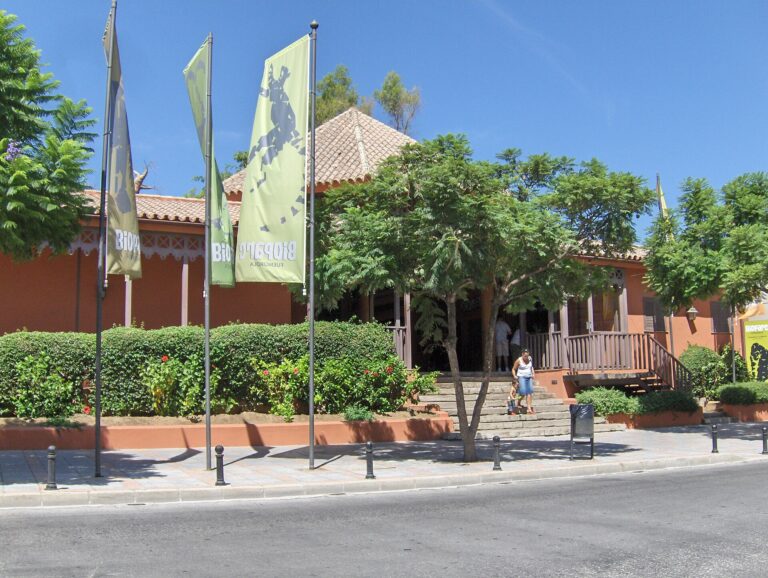
- Bioparc Fuengirola — 7 km, Fuengirola’s old zoo was demolished in 1999 and rebuilt without cages
For the wider picture, see the Costa del Sol guide, which lists every town on this coast.
Frequently asked questions
How far is the village above sea level?
The mountain village sits about 430 metres above sea level, which is why it offers coastal panoramas not found in the low-lying resort areas.
Is it mainly a beach destination or a mountain village?
Both. The municipality contains a classic white-washed hill village and an extensive coastal stretch (Mijas Costa). The character shifts strongly depending on whether you base yourself in the pueblo or on the shore.
Which beach should I pick for a family day?
La Cala de Mijas is the coastal village beach referenced in sources and is the logical family choice for easy access and typical resort facilities.
How much of the local economy depends on tourism?
Tourism is the municipality’s primary economic activity, which means services, shops and leisure facilities are oriented toward visitors.
Are there museums worth visiting?
Yes—there are local historical museums in the town. They are small and suitable as a cultural complement to walking the village and provide a sheltered option if the weather is poor.
How many golf courses are there?
Sources list seven established golf courses within the municipality, and mention four more as being under construction in published material.
Is La Cala de Mijas part of the municipal area?
Yes. La Cala forms one of the municipality’s main population centres and is included in the coastal zone commonly referred to as Mijas Costa.
What is Las Lagunas like?
Las Lagunas is a suburban and commercial area that is largely integrated with neighbouring Fuengirola. It is more service- and commerce-oriented than scenic.
Can you walk between the pueblo and the coast?
A direct walk involves a steep descent or ascent because the white village is on a mountainside while the coastal zone is at sea level. It is possible but expect a sharp climb; many visitors prefer to transfer by car or public transport.
What season has the hottest weather?
The hot season runs from May through October, reflecting the semi-tropical climate of the area and making these months the busiest for beach and golf activity.
Was the village historically significant during the Reconquista?
Yes. The town resisted the attacks of the Catholic Monarchs during the siege of Málaga in 1487 but the settlement eventually surrendered and suffered the forced sale of inhabitants into slavery afterward, according to sources.
Who occupied the settlement in ancient times?
The area was founded in prehistoric times by the Tartessians and later attracted Greeks and Phoenicians due to mineral resources. It was known as Tamisa in Roman times and was later occupied by the Visigoths and Moors.
Is the area good for food based on local agriculture?
Local agriculture includes potatoes, cereals and avocados, and these regional products often show up in local cuisine; the coastal resort economy also supplies many restaurants catering to tourists.
Are there large-scale resorts?
The coast contains built-up resort zones such as Calahonda and Riviera, and La Cala de Mijas functions as the principal seaside village. La Cala Resort is notable among the golf and leisure properties.
How many days should I plan?
Plan at least one full day to explore the pueblo and one to two days for the coast if you want a balanced visit—more if you intend to play golf or take day trips along the Costa del Sol.
Plan the wider trip
Mijas on the map
Places worth knowing near Mijas
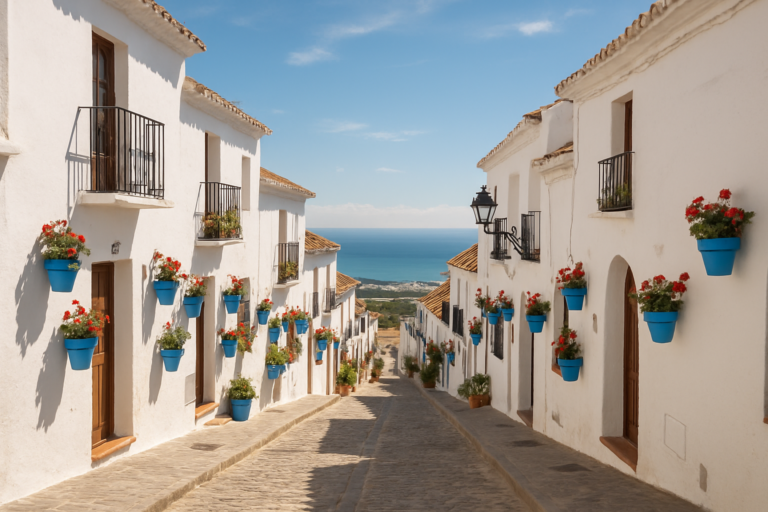
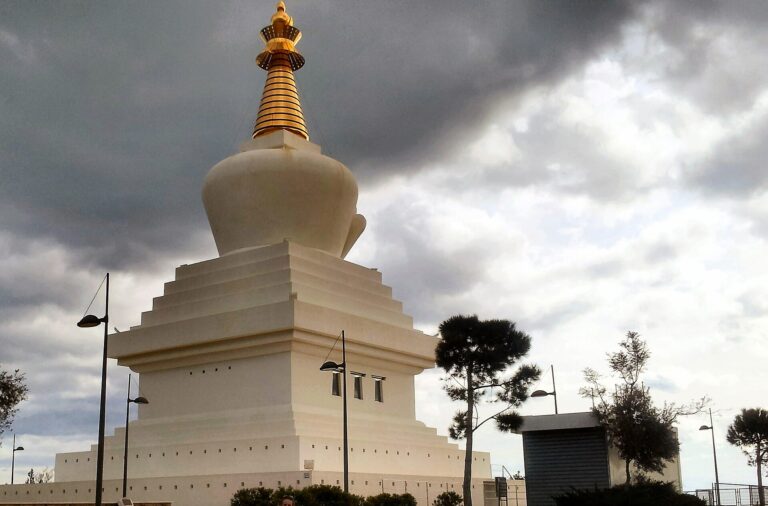
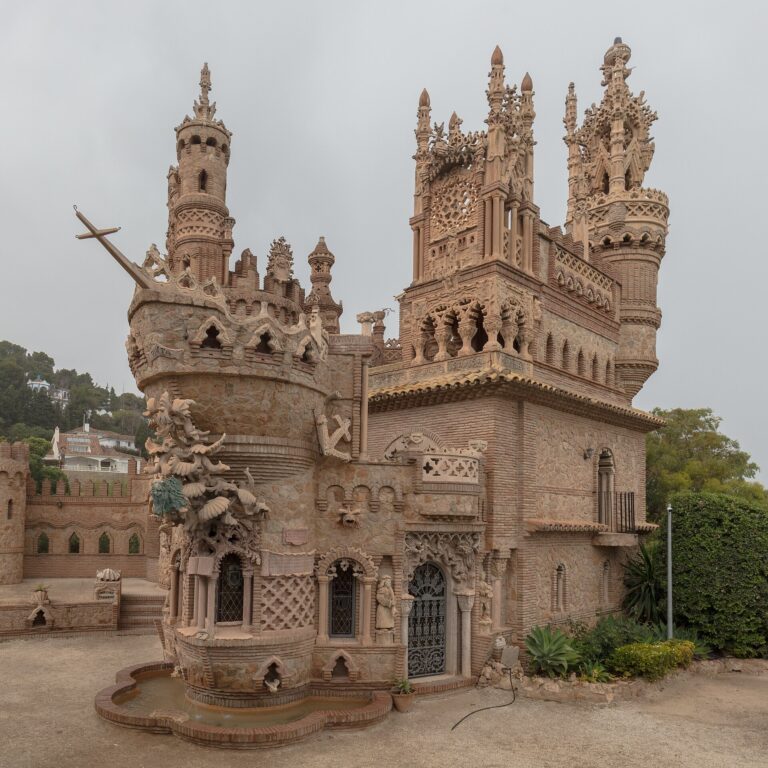
How this page is maintained. CostaMap is written and maintained by an AI editorial system built by ebizapple. Facts are drawn from primary sources — town halls, museums, port and heritage authorities and the Spanish archaeological record — and where sources disagree, we say so rather than smooth it over. Photographs marked as ours are taken on location. This page was last reviewed on 11 August 2026. Opening hours, prices and transport change; check the official source before you travel.