
Expect a village shaped as much by rocky coastline, sea-borne commerce and artists’ imaginations as by any travel-brochure glamour. This white-washed settlement on the Cap de Creus peninsula rewards visitors who like history, geology and art — but it isn’t a broad-sand resort: narrow streets, limited space and a strong local character mean practical planning matters more than postcard expectations.
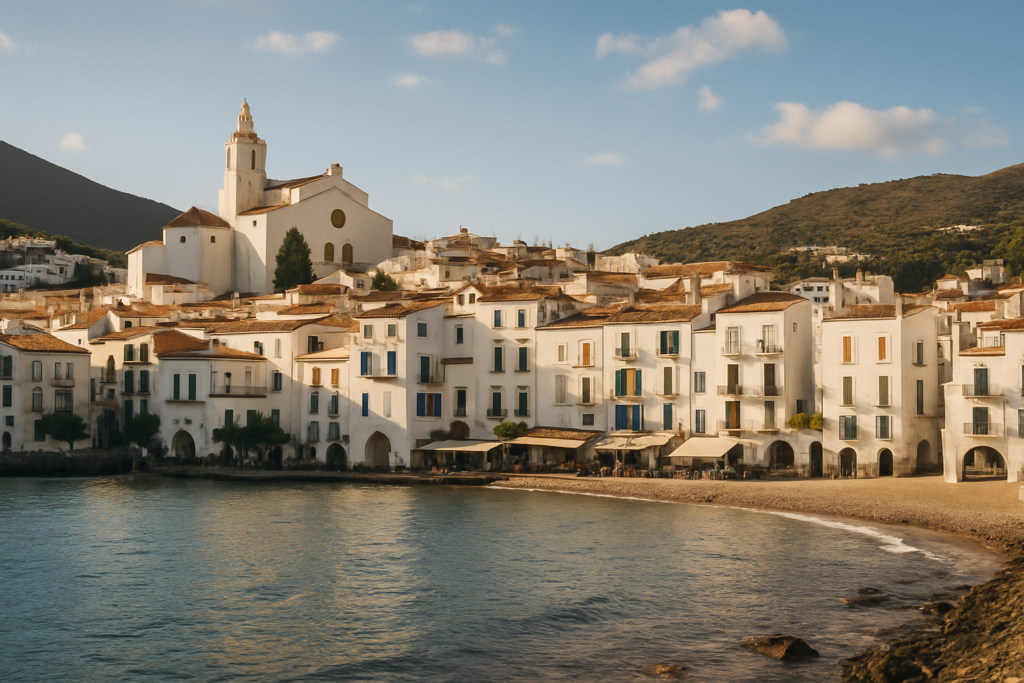
Cadaqués at a glance
- Where: a bay in the middle of the Cap de Creus peninsula, on the Costa Brava, in Alt Empordà, Girona, Catalonia, Spain.
- How far from Barcelona: roughly a two-and-a-quarter-hour drive.
- Population (official, 2018): 2,752 — a small town with a concentrated centre.
- Art and culture: long ties to modern artists (Salvador Dalí, Picasso, Miró, Duchamp) and a museum with works by Eliseu Meifrèn.
- Walking: the GR 92 long-distance footpath stages through the town, making it a footpath waypoint.
- Local colour: a distinct Catalan dialect (cadaquesenc) and a surviving medieval Jewish quarter to explore.
- Market day: a travelling market is held on Mondays near the parking lot.
Before you plan
Nothing in our verified sources indicates closures that would materially alter visits; attractions such as the Church of St. Mary, the old Jewish quarter, the Monday market and the town’s museums are described as existing. Always check individual opening times and seasonal access before you travel, especially if you plan to visit artist houses or small museums.
Things to do in the town
The village packs a surprising range of experiences into a compact area: modern-art connections, maritime history, curious geology and living local culture. Below is a quick comparison of the most commonly recommended sights and activities so you can prioritise.
| Attraction | What it is | Price/entry | Best for |
|---|---|---|---|
| Port Lligat (Dalí connection) | Dalí’s childhood and later-life connections; his family home and the cove where he spent time | – | Surrealism and Dalí enthusiasts |
| Church of St. Mary | Late 17th-century parish church, notable landmark above the town | – | Architecture and viewpoints |
| Cadaqués museum (Eliseu Meifrèn) | Museum featuring works by local artist Eliseu Meifrèn | – | Art lovers and local-cultural context |
| Medieval Jewish quarter | Historic neighbourhood that can still be visited | – | History and quiet exploration |
| GR 92 staging point | Long-distance coastal footpath passing the town | – | Hikers and walkers |
| Monday travelling market | Weekly market held near the parking lot | – | Local food, crafts and daily rhythms |
Dalí, Port Lligat and modern art
Salvador Dalí has one of the most visible cultural footprints here: he visited in childhood and maintained a home in the nearby coves of Port Lligat. The area’s artistic appeal goes broader than a single artist — the town has long attracted major figures such as Pablo Picasso, Joan Miró and Marcel Duchamp. That continuity of creative presence is one reason galleries, small museums and art-minded guided walks are common local offerings.
The Church of St. Mary and panoramic stops
The Church of St. Mary, built in the late 17th century, sits above the old town and forms a visual anchor on the headland. It’s a natural stop for anyone wanting a clear view across the bay and the cluster of white houses descending to the sea. Combine the church with short walks around the headland for the best sightlines.
Museums, markets and local culture
The town museum includes significant works by Eliseu Meifrèn, anchoring a local art story that complements the better-known Dalí narrative. For a slice of everyday life, visit the travelling market on Monday near the parking lot: it’s where residents and visitors mix, and it’s useful for fresh product, small purchases and people-watching. The medieval Jewish quarter remains visitable and offers an intimate counterpoint to the artist-focused attractions.
Best beaches in the area
The settlement sits on a bay in the middle of the Cap de Creus peninsula; the shoreline is rocky in places and framed by coves rather than sweeping resort sands. Expect small, characterful beaches and coves rather than large, heavily serviced resort strips.
| Beach / cove | Character | Facilities / notes |
|---|---|---|
| Town bay beaches and coves | Compact, rocky/pebbly coves and small sandy spots within the bay | – |
| Cap de Creus coastline nearby | Wild, rocky headlands with small isolated coves | – |
Eachques with kids
The town’s compact layout and mix of short walks, sheltered coves and cultural stops make it manageable with children who can handle cobbled streets and short hikes. The coastline’s many small coves mean supervised swimming is possible in calmer weather, while the local market and small museums provide family-friendly, short-duration activities. Long beach days on wide sandy shores are not the primary offer here — plan multiple short activities rather than one long stretch-of-sand afternoon.
How to get to the village and get around
Car is the most direct way to reach the town from distant hubs; coastal and regional roads wind toward the headland. The village is also a staging point on the GR 92 long-distance footpath for walkers approaching by trail. Once in the centre, narrow streets and limited parking make walking the easiest way to get around.
| From | By | Approx time |
|---|---|---|
| Barcelona | Car | About two-and-a-quarter hours |
Where to stay
The town’s small footprint concentrates most accommodation within walking distance of the harbour; staying near the bay or close to the higher streets around the Church of St. Mary gives quick access to viewpoints and the central lanes. If you’re hiking the GR 92, pick lodging that advertises walker-friendly services or easy access to trailheads.
Best time to visit
Visitor numbers rise in warmer months when coastal access and walking conditions are at their best; the area’s artistic and historic attractions, along with market rhythms, are available year-round though hours and services may be reduced outside high season. Check opening times or tour availability for artist houses and small museums before you travel.
History of the area
This bay settlement has long been shaped by sea connections. In the early 20th century many inhabitants emigrated to Cuba and later returned, building ornate houses that testify to those transatlantic ties. The town also preserves a medieval Jewish quarter, a reminder of older, layered communities. Over the 20th century the village attracted important modern artists — Salvador Dalí, who spent childhood time here and later kept a home at nearby Port Lligat, is the best-known — and the artistic thread continues to define its international reputation.
Practical info
- Parking and vehicle access: a travelling market is held on Mondays near the town’s parking lot; parking in the central area can be limited, so expect to walk from outer lots in busy periods.
- Walking and hiking: the town is a GR 92 staging point, so it’s a natural stop for long-distance walkers or day-hikers exploring Cap de Creus.
- Language and local character: besides standard Catalan and Spanish, a local dialect called cadaquesenc is spoken and preserves unique linguistic features such as altered definite articles.
- Geology: the immediate landscape is geologically complex, with metamorphic schists and migmatites formed under extreme conditions — an obvious feature on coastal walks and rock outcrops.
- Costs and services: small museums and galleries anchor the cultural offer; opening times and entry arrangements vary, so check directly with individual venues before you go.
Worth it for: people who prioritise art history, unusual coastal geology, intimate village atmosphere and Dalí-related heritage. Less so if: you’re seeking wide sandy beaches, large-scale resort infrastructure or a destination for high-capacity seaside amenities.
How we assess this guide
This guide compiles verified facts from multiple sources and flags notable cultural, geological and practical points. We cross-check museum holdings, historical notes and transport distances; we also highlight fixed items such as the GR 92 staging point and the town’s linguistic distinctiveness. We do not substitute live opening-time checks for individual venues; please confirm times with the operators before you travel.
Nearby on the Costa Brava
Towns near Cadaqués
- Roses — 9 km west
- Escala — 23 km south-west, the Greek and Roman ruins of Empuries, salted anchovies
- Figueres — 27 km west, the Dalí Theatre-Museum, the vast Sant Ferran castle
- Torroella de Montgrí — 30 km south-west
- Begur — 38 km south
- Palafrugell — 42 km south
Places to visit within reach
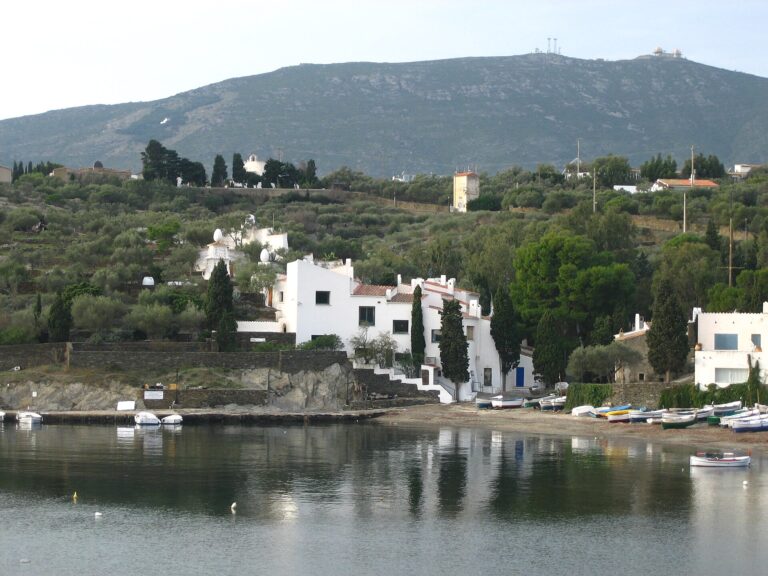
- Salvador Dalí House Museum — 1 km, Dalí’s house in Portlligat grew from a single fisherman’s hut
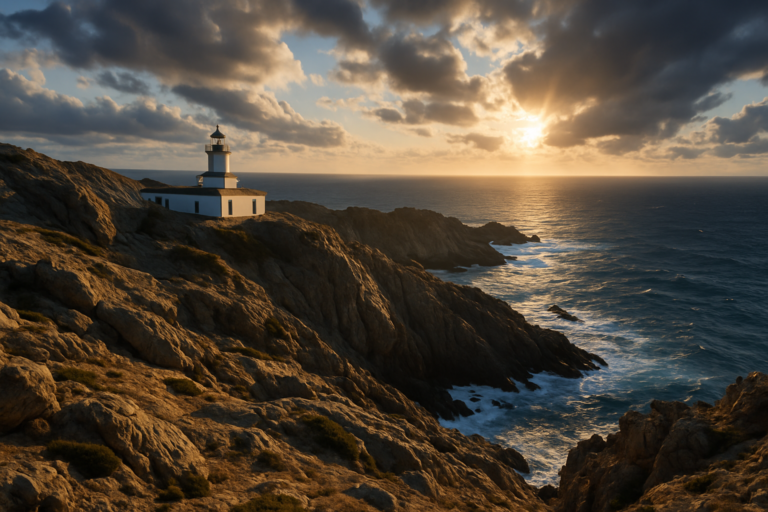
- Cap de Creus — 5 km, Cap de Creus is a wild natural park at the easternmost
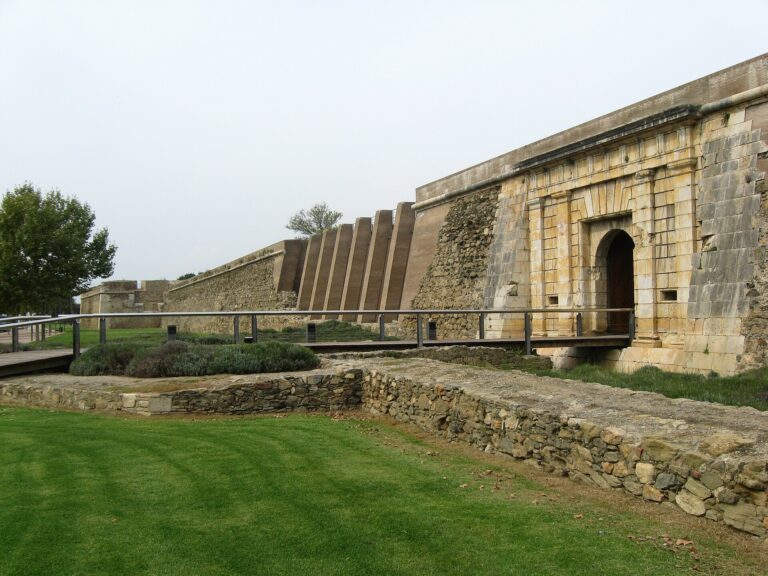
- Ciutadella de Roses — 9 km, The Ciutadella de Roses encloses 2,300 years of layered history
- Aiguamolls de l'Empordà Natural Park — 16 km, Aiguamolls de l’Empordà was drained as malarial swampland, then deliberately rebuilt
For the wider picture, see the Costa Brava guide, which lists every town on this coast.
Frequently asked questions
How do I get from Barcelona to the town?
By car it’s about a two-and-a-quarter-hour drive. Roads approach the headland and the town sits on a bay in the middle of the Cap de Creus peninsula.
Is the town expensive to visit?
Our sources document cultural attractions, markets and a small-town economy; costs vary by season and by the specific services you use. The town’s artistic reputation can attract premium pricing in peak periods, but local markets and the public streets remain accessible.
Which beach or cove is best for swimming?
The shoreline around the bay offers compact beaches and small coves rather than large, sandy expanses. Expect sheltered coves close to the harbour and more rugged, isolated coves along the Cap de Creus coastline.
How many days should I plan for?
Many visitors combine short cultural visits (museums, church, markets) with a walk along the headland and time at a cove, which can fit into a day trip. If you want to explore trails on the GR 92 or spend relaxed time at multiple coves, allow extra days.
Is it good for families with children?
Yes — the compact centre, short walks, small museums and sheltered coves make it family-manageable, provided you’re prepared for cobbles and short uphill stretches. Long, flat sandy beaches are not the main offer.
Can I get around without a car?
Within the town walking is the natural mode; the village is also a staging point on the GR 92 for walkers. For regional travel, car access is the most direct option from major hubs.
Where is parking and are there restrictions?
There is a parking lot near which a travelling market operates on Mondays. Central parking is limited; in busy periods expect to use outer lots and walk into the centre.
What are rainy-day options?
Indoor options include the town museum (which features works by Eliseu Meifrèn) and small galleries. Cultural visits, local shops and covered cafés can occupy shorter wet periods.
When is the busiest time to visit?
Visitor numbers peak in warmer months when coastal access and outdoor activities are most attractive; plan ahead for accommodation and services if travelling in high season.
Are there walking routes from the town?
Yes — the GR 92 long-distance footpath stages at the town, making it a recognised waypoint for coastal hikers and day walkers exploring Cap de Creus.
Does the town have any unique local language features?
Yes. A distinct variant of Catalan, known as cadaquesenc, is spoken locally and includes features such as altered definite articles.
Is there a connection to Cuba?
Historically many inhabitants emigrated to Cuba in the early 20th century and later returned, building ornate houses in the town that reflect those transatlantic links.
Did any major artists live or visit here?
Prominent modern artists have long been connected with the town, including Salvador Dalí (who spent childhood time here and later kept a home in nearby Port Lligat), Pablo Picasso, Joan Miró and Marcel Duchamp.
Can I still visit the medieval Jewish quarter?
Yes — the medieval Jewish quarter survives and can still be visited, offering a quieter, historic contrast to artist-related sites.
Is there a modern replica of the town elsewhere?
A near-exact replica project of the town was announced by a Chinese developer; sources indicate a replica is being constructed in Xiamen Bay, China.
Plan the wider trip
The village is on the Costa Brava and sits within the Cap de Creus peninsula, so it pairs naturally with coastal exploration of the eastern Girona coast and with hikes across the Cap de Creus natural area. If you’re following modern-art trails in northeastern Catalonia, the town’s Dalí associations and museum offerings fit well into a multi-day cultural itinerary.
Cadaqués on the map
Places worth knowing near Cadaqués
How this page is maintained. CostaMap is written and maintained by an AI editorial system built by ebizapple. Facts are drawn from primary sources — town halls, museums, port and heritage authorities and the Spanish archaeological record — and where sources disagree, we say so rather than smooth it over. Photographs marked as ours are taken on location. This page was last reviewed on 11 August 2026. Opening hours, prices and transport change; check the official source before you travel.