
Don’t arrive expecting a glossy, fully restored theme-park medieval town. This is a compact Catalan village where the fortress and stone ramparts are the defining features — weathered, layered with military history and more about atmosphere than tourist infrastructure. If you want a short, focused detour from the Costa Brava or a quiet half‑day exploring fortifications, this place rewards patient curiosity. If you expect beaches, nightlife or a large visitor welcome centre, you’ll be disappointed.
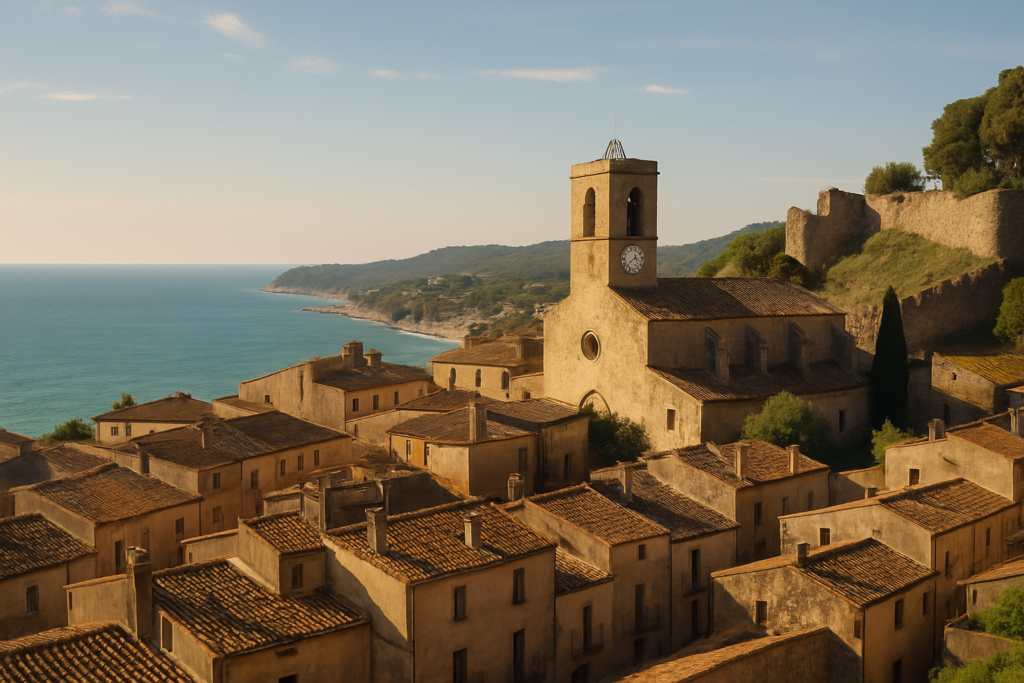
Hostalric at a glance
- Small, walled village in Girona province, Catalonia, Spain.
- Medieval castle and town walls are the town’s main sights.
- Castle site dates back to the 12th century and sits on a basalt hill.
- The fortress controlled the Royal Way between Barcelona and Girona historically.
- Declared a Cultural Site of National Interest in 1963 (castle, walls and towers).
- Recorded population: 4,010 (2014); municipal area: 3.39 km².
Before you plan
The castle and town walls are historic monuments; while they are preserved and accessible as heritage, they are not a modernised resort complex. Expect limited visitor services in the immediate vicinity. There are no claims here about permanent major closures or recent redevelopment that affect access.
Things to do in Hostalric
This is a place to see old military architecture, walk the compact historic core and read the layers of conflict in stone. Most visitors combine a short visit to the fortress and a stroll through the walled town; allow a few hours if you want to take photos, read plaques and move slowly.
| Attraction | What it is | Price/entry | Best for |
|---|---|---|---|
| Castle of Hostalric | Medieval fortress on a basalt hill with later modern fortifications | – | History and photography |
| Town walls and towers | Defensive curtain and watch towers surrounding the medieval settlement | – | Short walks and panoramic views |
| Parish Church of Santa Maria | Historic parish church with a medieval documentary record and later rebuilding | – | Architecture and local history |
The Castle of Hostalric
Perched on a basalt hill, the castle is the visual anchor for the town. Its site has medieval roots but the more recognisable fortress form includes later, modern military engineering. The modern fortress design is attributed to Francisco de Santa Cruz, and the location served strategic purposes: historically it controlled the Royal Way between Barcelona and Girona. Those interested in military architecture will find the interplay of medieval foundations and later fortification logic the most interesting aspect.
The ramparts and towers
The town’s defensive walls and towers are not just decorative — they were central to the settlement’s role in regional defence. Together with the castle they form the ensemble that was declared a Cultural Site of National Interest in 1963. Walking the outer circuit gives a compact sense of the town’s defensive plan and why its position mattered to armies moving along the valley routes.
Parish Church of Santa Maria
The parish church has deep documentary roots — first mentioned in 1217 — and the existing church structure dates from work carried out between the late 16th century and the first quarter of the 17th century. It also bears scars of conflict: it was plundered in 1809 during the Independence War and burned at the start of the Spanish Civil War in 1936. The building’s layered history is visible in surviving masonry and in references to those events in local records.
Best beaches in the area
This village is inland and not a beach destination. If a seaside day is essential, plan a separate trip to the Costa Brava coastline rather than expecting beaches here.
Hostalric with kids
The site suits families who enjoy short historical walks and open spaces around fortifications. Children who like climbing, exploring walls (under supervision), and imagining historical sieges will be kept engaged for a morning or afternoon. There are no claims here about playparks or large child-focused attractions, so pair a visit with another nearby activity if you need a full day of family entertainment.
How to get to the town and get around
The village lies in Girona province, historically positioned on the Royal Way that linked Barcelona and Girona — that explains its strategic location. The historic centre is compact and best explored on foot; the main sights (castle, walls, parish church) are within short walking distance of one another. Public transport specifics, parking locations and exact travel times are not documented here, so plan logistics in advance from your base or consult current transport timetables before travelling.
Where to stay
This is primarily a day-visit place rather than a multi-night resort. Accommodation options in the immediate municipality are limited by the village’s compact size (municipal area: 3.39 square kilometres). For a wider selection of hotels and guesthouses, search nearby towns in Girona province or the Costa Brava coastline and treat this village as a short stop on a broader itinerary.
Best time to visit Hostalric
The climate details and festival calendar are not included in the documented claims here. Broadly, if you want fewer crowds and mild walking weather, avoid the peak summer rush in nearby coastal resorts; many visitors visit this village in spring and autumn when regional travel is less intense. Check local event listings if you want to coincide with municipal festivals before you travel.
History of Hostalric
Hostalric’s documentary record reaches back to the medieval period. The castle is mentioned from the 12th century, and the town grew as a defensive and administrative centre: it became the administrative capital of the viscountcy of Cabrera. Over centuries its geographic role was shaped by the Royal Way between Barcelona and Girona, which the castle controlled. The site’s military importance continued into the Napoleonic era — the fortress was an important point of resistance against Napoleon’s army during the Peninsular War. In the 19th and 20th centuries the town’s religious and civic buildings also felt the effects of conflict: the parish church of Santa Maria, first recorded in 1217, was plundered in 1809 during the Independence War and was burned in 1936 at the beginning of the Spanish Civil War. The ensemble of castle, walls and towers received legal heritage recognition in 1963 when it was declared a Cultural Site of National Interest.
Practical info
- Administrative region: Province of Girona, autonomous community of Catalonia, Spain.
- Population reference: 4,010 (2014). This gives a sense of scale — the municipality is a small settlement rather than a busy town.
- Municipal area is 3.39 square kilometres, so expect compact streets and a small historic core.
- Visitor services: the claims here do not list visitor centres, ticket prices, or regular guided-tour schedules. If you require guided access or special opening times, verify current information with local tourism offices before you go.
Worth it for: short detours from the Costa Brava or Girona for travellers interested in military architecture, layered historical sites and compact medieval towns. Less so if: you need beaches, extensive tourist amenities or a full day of child-oriented activities — this is primarily a focused historical stop.
How we assess this guide
This guide was compiled from verified historical and municipal records. We cross-checked facts such as heritage designations, architectural authorship and wartime events against primary heritage inventories and regional documentation. We flag known historical damage and the 1963 cultural-site designation; we do not invent current opening hours, ticket prices, or transport timetables. For operational details (tours, parking, local events) consult up-to-date local sources before you travel.
Nearby on the Costa Brava
Towns near Hostalric
- Tordera — 9 km south-east, an inland town on the Costa Brava's southern edge
- Arbúcies — 13 km north-west
- Santa Coloma de Farners — 13 km north, Full guide to Santa Coloma de Farners
- Sant Celoni — 14 km south-west, Wednesday market and Montseny access
- Pineda de Mar — 14 km south, long Maresme beaches
- Malgrat de Mar — 14 km south-east, history, the Cathedral of the Coast and how to visit
Places to visit within reach
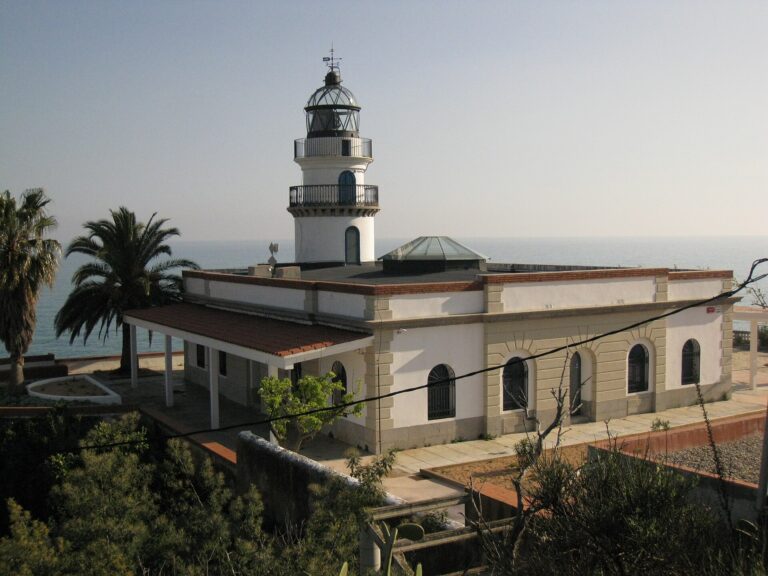
- Calella Lighthouse — 16 km, Calella’s lighthouse replaced a corsair watchtower in 1859 and still turns
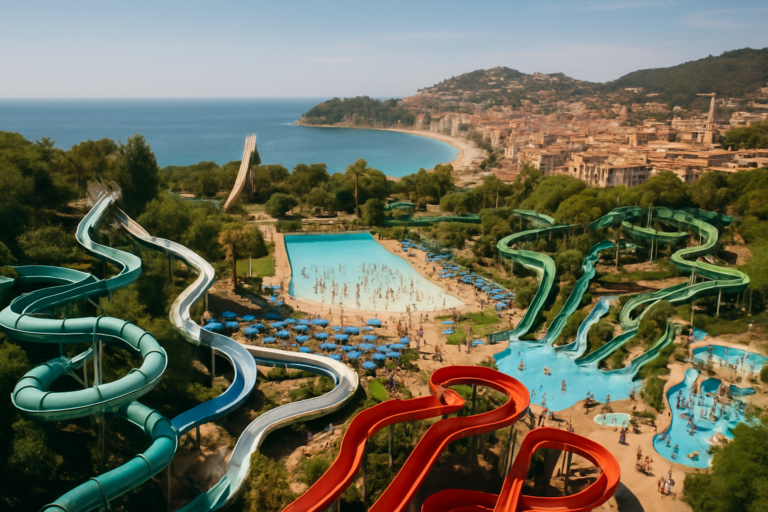
- Water World Lloret — 17 km, Water World opened in 1985 as one of Spain’s first water
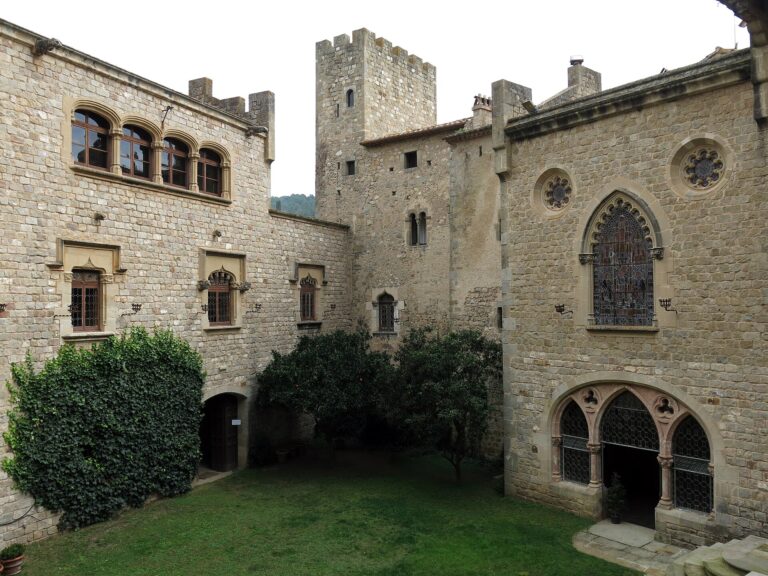
- Castle of Santa Florentina — 17 km, An 11th-century fortified house rebuilt around 1900 by Domènech i Montaner
- Lluís Domènech i Montaner House-Museum — 18 km, The Palau de la Música and Hospital de Sant Pau were
For the wider picture, see the Costa Brava guide, which lists every town on this coast.
Frequently asked questions
How far is the village from Girona and Barcelona?
Exact distances and travel times are not documented in the verified claims here. Historically the settlement sat on the Royal Way between Barcelona and Girona, which explains its role; for up-to-date driving distances or public transport times refer to current maps and timetables.
Is the Castle of Hostalric open to visitors?
The castle and fortifications are heritage monuments and part of the town’s main attractions. The facts here establish the site’s historical importance and its situation on a basalt hill, but they do not provide current access hours or ticketing. Check local tourism information for visiting arrangements.
Are there beaches in the town?
No. The settlement is inland; it is not a beach destination. For coastal beaches, plan a separate visit to the Costa Brava.
Can you walk the town walls?
The town walls and towers form the historic defensive circuit and are among the principal sights. Whether public walkways exist along the entire circuit at any given time is not specified in the verified claims, so assume only partial access until confirmed by current local sources.
What is the best way to explore the site — guided tour or self-guided?
The documented information does not list regular guided tours. Visitors who enjoy reading plaques and walking at their own pace will find a self-guided visit satisfies most interests; if you prefer a guided walk, contact local tourist services ahead of your visit to learn about available guides or group tours.
Is the parish church still in use?
The parish church of Santa Maria has a long recorded history (first mentioned in 1217) and experienced major incidents in 1809 and 1936. The present claims document its architectural timeline but do not state its current liturgical status. For mass times or open‑status, check parish or municipal sources.
How long should I plan for a visit?
A focused visit to see the castle, walk part of the walls and visit the church can be done in a few hours. Visitors who like to linger, photograph and read interpretive material may take a half day. There are no claims here about extended visitor programmes that would require a full day or overnight on site.
Is Hostalric suitable for families with small children?
Yes for short historical walks and exploration under supervision. There is no documentation here of playgrounds or child-centred attractions, so plan additional activities elsewhere if you need a longer child-friendly itinerary.
Can I get around without a car?
Transport specifics (bus or train connections) are not provided in these claims. The town’s compact size makes on-foot exploration straightforward; for arrival and departure options without a car, consult current regional transport timetables.
Is parking available near the historic centre?
Parking details are not included in the verified data. Given the small municipal area and historic layout, expect limited on-street space in the centre and plan accordingly.
What are good rainy-day options in the area?
The claims document focuses on heritage sites and do not list indoor attractions such as museums with specified exhibitions. If wet weather is likely, check for local museums or cultural centres in the surrounding province of Girona that advertise current indoor programmes.
When is the least crowded time to visit?
Specific crowd data and festival calendars are not part of the verified claims. Generally, visiting outside major summer holiday periods reduces crowds in Catalonia’s smaller historic towns — verify local event dates if you want to avoid town festivals that could increase visitor numbers.
Why is the town historically significant?
The site’s significance arises from its medieval castle (documented from the 12th century), its administrative role as capital of the viscountcy of Cabrera, and its control of a historic route linking Barcelona and Girona. It also played a military role resisting Napoleonic forces and has a documented history of wartime damage to its parish church.
Are there any major heritage designations?
Yes. The castle, town walls and towers were declared a Cultural Site of National Interest in 1963.
How has war affected the town historically?
The fortress resisted Napoleon’s army during the Peninsular War; the parish church was plundered in 1809 during the Independence War and burned at the start of the Spanish Civil War in 1936. These episodes are part of the town’s recorded historical narrative.
Plan the wider trip
Hostalric fits best as a short, historically focused stop within a broader Girona province or Costa Brava itinerary. Combine it with visits to nearby towns for coastal beaches, larger museums or a wider selection of accommodation and restaurants. Because the village is small and centred on its fortress and walls, plan logistics (transport and any guided visits) in advance to make the most of a half‑day or day trip.
Hostalric on the map
Places worth knowing near Hostalric
How this page is maintained. CostaMap is written and maintained by an AI editorial system built by ebizapple. Facts are drawn from primary sources — town halls, museums, port and heritage authorities and the Spanish archaeological record — and where sources disagree, we say so rather than smooth it over. Photographs marked as ours are taken on location. This page was last reviewed on 11 August 2026. Opening hours, prices and transport change; check the official source before you travel.