
Expect a compact, old stone village perched above the Costa Brava with quick access to several celebrated coves. The hilltop core is small and atmospheric rather than a sprawling resort, and the real draw is the combination of beach access nearby and the village’s historical remnants. If you imagine a flat beachfront town with endless promenade life, you’ll be disappointed; if you want dramatic views, winding streets and easy access to some of the Costa Brava’s top beaches, this delivers.
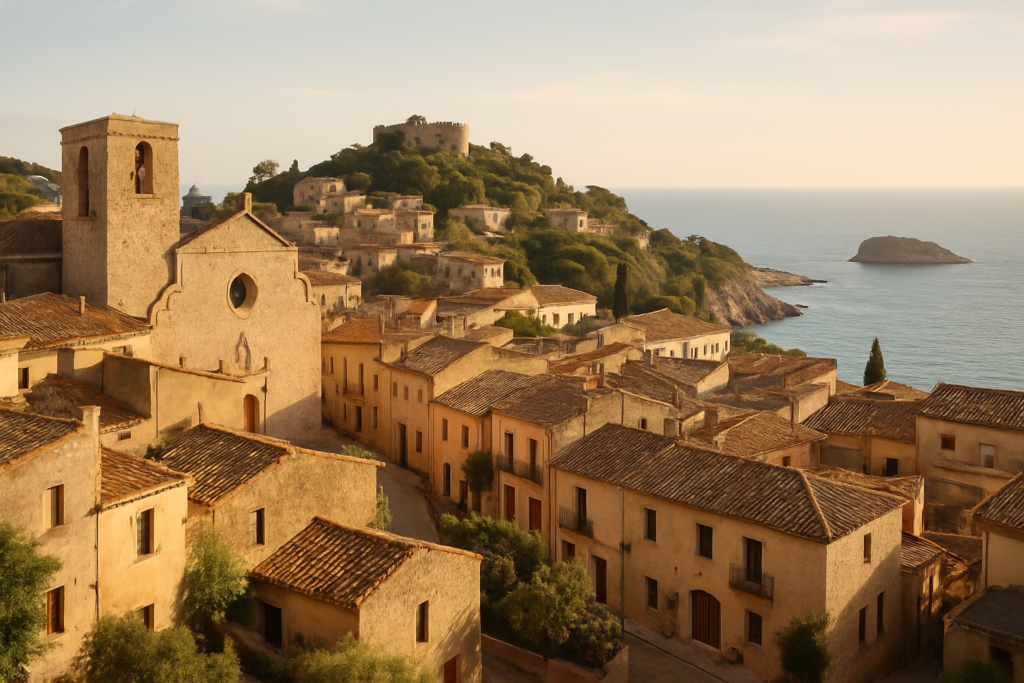
Begur at a glance
- Hilltop village and municipality in the Baix Empordà comarca, province of Girona.
- Village elevation about 200 metres above sea level; the coastline is roughly 2 km away.
- Municipality encompasses Esclanyà, Aiguafreda, Sa Riera, Sa Tuna, Aiguablava and Fornells.
- Begur has notable historical remnants, including a castle built across the 16th and 17th centuries.
- Home to some of Costa Brava’s most prestigious beaches: Sa Riera, Aiguablava and Platja Fonda.
- Serves as a staging point on the GR 92 long-distance footpath along the Mediterranean coast.
- Seasonal swell: the population can rise dramatically in summer and can exceed 40,000 people.
Things to do in the town
Begur’s appeal is a mix of short coastal walks, beach days at acclaimed coves and time spent wandering the compact historical centre. The GR 92 passes through, so hiking options are ready-made; meanwhile the surrounding hamlets and coves reward short drives or local transfers.
| Attraction | What it is | Price/entry | Best for |
|---|---|---|---|
| Sa Riera | One of the municipality’s prestigious beaches, a favored cove | – | Beachgoers seeking a classic Costa Brava cove |
| Aiguablava | Noted beach and location of a Parador hotel | – | Scenic swimming and higher-end accommodation options |
| Platja Fonda | Prestigious, more sheltered beach in the area | – | Swimmers and people seeking quieter coves |
| Begur castle remnants | Hilltop historical remains dating from 16th–17th centuries | – | History buffs and panoramic views |
| GR 92 stages (Begur) | Long-distance coastal footpath with stages running south and north from the village | – | Day-hikers and multi-day walkers |
Beaches and coastal coves
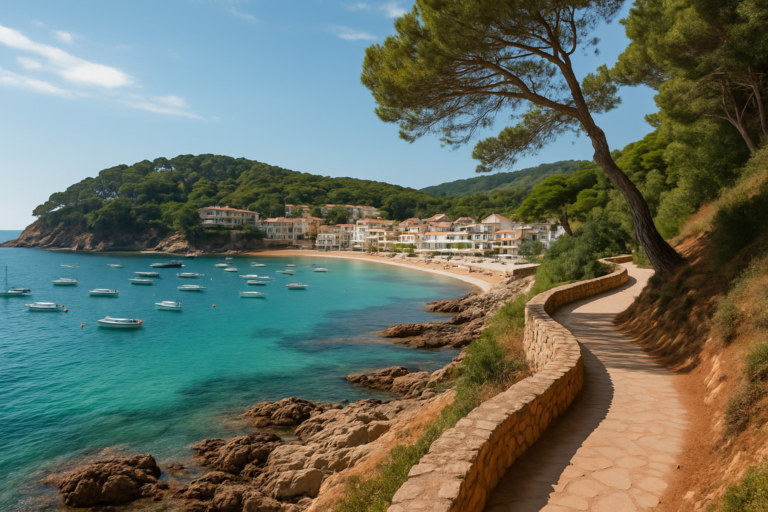
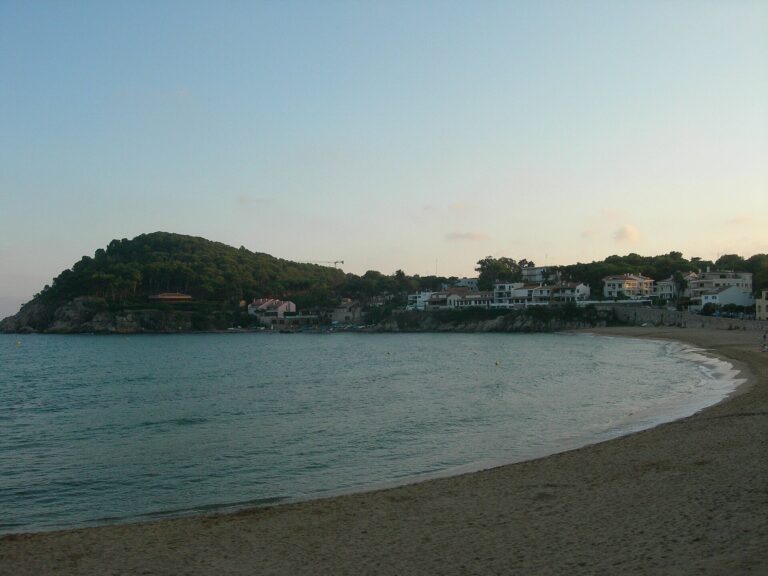
The municipality’s coastline is where most visitors spend time: several of the Costa Brava’s best-known coves lie within easy reach of the village. The beaches combine fine pebbles or sand with the clear Mediterranean water the region is known for.
Hilltop castle and village centre
The stone remnants of the castle date from the 16th and 17th centuries and occupy a dominant position above the settlement. Walking the narrow streets below provides the complementary experience: old buildings, viewpoints and a compact pedestrian core rather than wide boulevards.
Walking the GR 92
Begur is an established staging point on the GR 92: Stage 7 heads from here toward Torroella de Montgrí, and Stage 8 runs south from the village to Palamós. The two stages range around the low- to mid-twenties in kilometres, so the village works well as a start, finish or rest stop for multi-day coastal walks.
Best beaches in Begur
The coastline within the municipal boundary contains several of the Costa Brava’s most prestigious beaches. Expect attractive coves rather than endless flat sand expanses.
| Beach | Character | Facilities / Blue Flag |
|---|---|---|
| Sa Riera | Prestigious cove popular with families and visitors | – |
| Aiguablava | Scenic bay, also home to a Parador hotel | – |
| Platja Fonda | Sheltered, one of the area’s standout coves | – |
Begur with kids
The best family days are around the beaches: sheltered coves and clear water make for straightforward, child-friendly swimming and paddling. The village itself is compact and walkable, though narrow streets and steps around the hilltop mean you should expect some carrying of prams or careful routes with small children. The accessible coastline hamlets provide options for shorter transfers instead of longer drives.
How to get to Begur and get around
Begur sits in the province of Girona and the hilltop village is roughly 2 kilometres inland from the Costa Brava shoreline. The compact nature of the village means much of the historic centre is best explored on foot; getting between the village and its beaches typically requires a short drive, local transfer or walk downhill along established paths.
Where to stay in the area
- The village hilltop — suits people who want proximity to the castle, restaurants and a more traditional ambience.
- Aiguablava — suits visitors seeking immediate seafront access and higher-end hotel options (a Parador is located here).
- Sa Riera / Sa Tuna — suits beach-focused travellers who want to be close to coves and the water.
- Fornells and the smaller hamlets (Esclanyà, Aiguafreda) — suit those preferring quieter rural or residential stays while remaining close to the coast.
Best time to visit Begur
Most visitors come for the beach season when the coast is busy; the municipality shows a major summer swell in population. If you prefer fewer crowds, shoulder seasons are calmer and allow hiking and sightseeing with cooler temperatures. The village also hosts a local festival to celebrate St. Tania in November.
| Season | Months | What to expect |
|---|---|---|
| Summer | June–August | Peak visitation; dramatic seasonal population increase |
| Autumn | September–November | Quieter beaches; local festival for St. Tania takes place in November |
| Winter / Spring | December–May | Lower visitor numbers; village atmosphere prevailing |
History of the resort
The village’s visible historical anchor is the castle, whose construction spans the 16th and 17th centuries. These remnants and the surrounding older buildings define the village’s hilltop character and testify to its long-standing role as a local centre above the coast.
Practical info
- Topography: the core sits at about 200 metres elevation, so expect steps and inclined streets in the village.
- Municipal makeup: Begur’s administration includes several coastal hamlets—Esclanyà, Aiguafreda, Sa Riera, Sa Tuna, Aiguablava and Fornells—so your physical base may be in any of these distinct places.
- Seasonal crowds: the summer population surge can significantly affect availability and local services; plan and book accommodation accordingly.
- Province: the town is in the province of Girona, Catalonia.
Worth it for: short coastal hikes, classic Costa Brava coves and a compact historic hilltop atmosphere. Less so if: you want a flat, wide seaside promenade, an urban nightlife hub or year-round quiet on the beaches.
How we assess this guide
This guide compiles verified facts from regional sources and cross-checks key claims such as stage distances on the GR 92, the presence of listed beaches and the municipality makeup. We flag seasonal and status details where they are documented and avoid presenting venues as open if their status is uncertain. This is a research-based overview rather than exclusive first-hand reporting.
Nearby on the Costa Brava
Towns near Begur
- Palafrugell — 6 km south-west
- Torroella de Montgrí — 12 km north-west
- Palamós — 14 km south-west, a working Costa Brava fishing town famous for its prawns
- Sant Antoni de Calonge — 15 km south-west, a long Costa Brava beach, quiet coves
- Escala — 19 km north, the Greek and Roman ruins of Empuries, salted anchovies
- Sant Feliu de Guíxols — 24 km south-west
Places to visit within reach
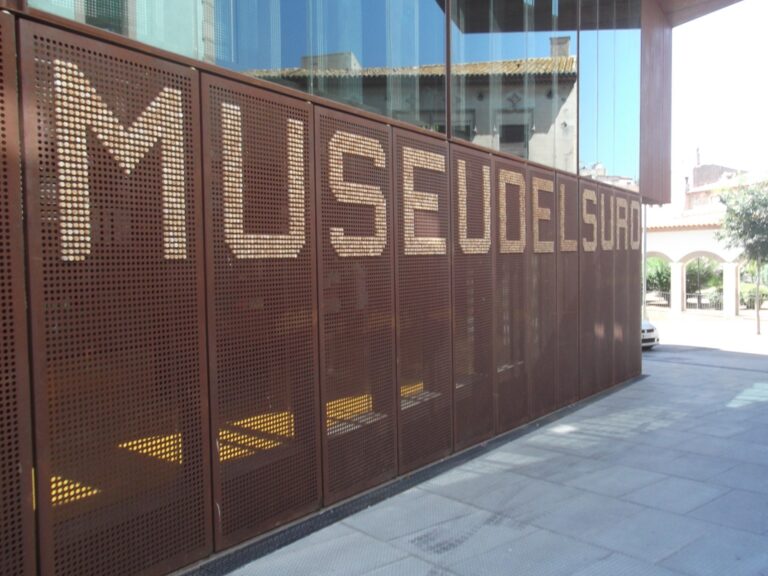
- Cork Museum of Palafrugell — 5 km, Palafrugell’s Cork Museum occupies Spain’s largest former cork factory
- Llafranc — 6 km, Llafranc is a small
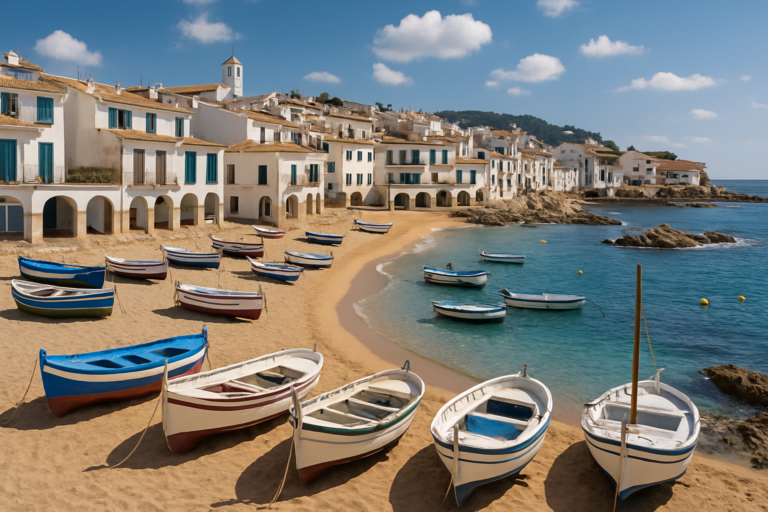
- Calella de Palafrugell — 8 km, Calella de Palafrugell is a whitewashed former fishing village turned low-key
- La Fosca — 12 km, A 1272 deed recorded the right to tax fish landed
For the wider picture, see the Costa Brava guide, which lists every town on this coast.
Frequently asked questions
How do I reach Begur from the surrounding region?
The village sits in the province of Girona. Reaching the area typically involves transfers from regional transport hubs to the Baix Empordà area and local onward travel to the hilltop or coastal hamlets; once near the municipality, short drives or local transfers connect the village with its beaches.
Is Begur expensive?
Begur is associated with some prestigious beaches and higher-end accommodation options (for example, a Parador in Aiguablava), and summer demand is strong; those factors combine to make peak-season costs higher than off-season periods.
Which beach is best for swimming?
The municipality’s well-known coves—Sa Riera, Aiguablava and Platja Fonda—are the area’s principal swimming spots. Choose a bay that matches your preference for busier family beaches or more sheltered coves.
How many days should I spend here?
Begur works for short stays where you combine a day or two of beaches with time to explore the hilltop village and a coastal walk. It also functions well as a base for longer stays if you plan to explore several coves and hiking stages.
Is Begur good for families?
Yes—there are family-friendly coves and a compact village to explore. Keep in mind the hilltop topography when travelling with prams or very young children.
Can I get around without a car?
The village centre is easily walkable, but reaching the various beaches and the dispersed hamlets most commonly requires a short vehicle transfer or local transport. Walking is feasible to some coves, though distances and slopes can be a factor.
Is parking difficult?
Parking demand rises with the summer population surge; if you plan to drive during peak season, expect higher occupancy at coastal parking and near popular coves.
What are good rainy-day options?
Explore the village’s historical fabric—walk the streets beneath the castle remnants and visit indoor cafés and restaurants in the compact core. The castle’s history provides cultural context even when weather limits beach time.
When is the local festival season?
The village holds an annual festival celebrating St. Tania in November, a local cultural highlight documented in municipal listings.
How does Begur relate to the GR 92?
Begur is an official staging point on the GR 92 coastal long-distance path. Two relevant stages are Stage 7 toward Torroella de Montgrí and Stage 8 toward Palamós; these stages cover distances in the low-to-mid twenties of kilometres.
Are there high-end hotels in the area?
Yes—Aiguablava is home to a Parador hotel, which reflects the area’s appeal to visitors seeking higher-tier accommodation options by the sea.
Will I find quiet outside of summer?
Yes—outside the peak summer season the beaches and village are considerably quieter, and local life is more evident than tourist activity.
What hamlets are part of the municipality?
The municipality includes Esclanyà, Aiguafreda, Sa Riera, Sa Tuna, Aiguablava and Fornells, each offering a slightly different character and proximity to the sea.
Can I hike directly from the village to the beaches?
Some beaches are within walking distance from the village via coastal or village paths, but terrain includes slopes and steps; many visitors opt for short transfers to beaches for convenience.
Does the village have a dramatic viewpoint?
The castle ruins occupy a hilltop position and provide panoramic views over the village and surrounding coastal landscape.
Begur on the map
Places worth knowing near Begur
How this page is maintained. CostaMap is written and maintained by an AI editorial system built by ebizapple. Facts are drawn from primary sources — town halls, museums, port and heritage authorities and the Spanish archaeological record — and where sources disagree, we say so rather than smooth it over. Photographs marked as ours are taken on location. This page was last reviewed on 11 August 2026. Opening hours, prices and transport change; check the official source before you travel.