
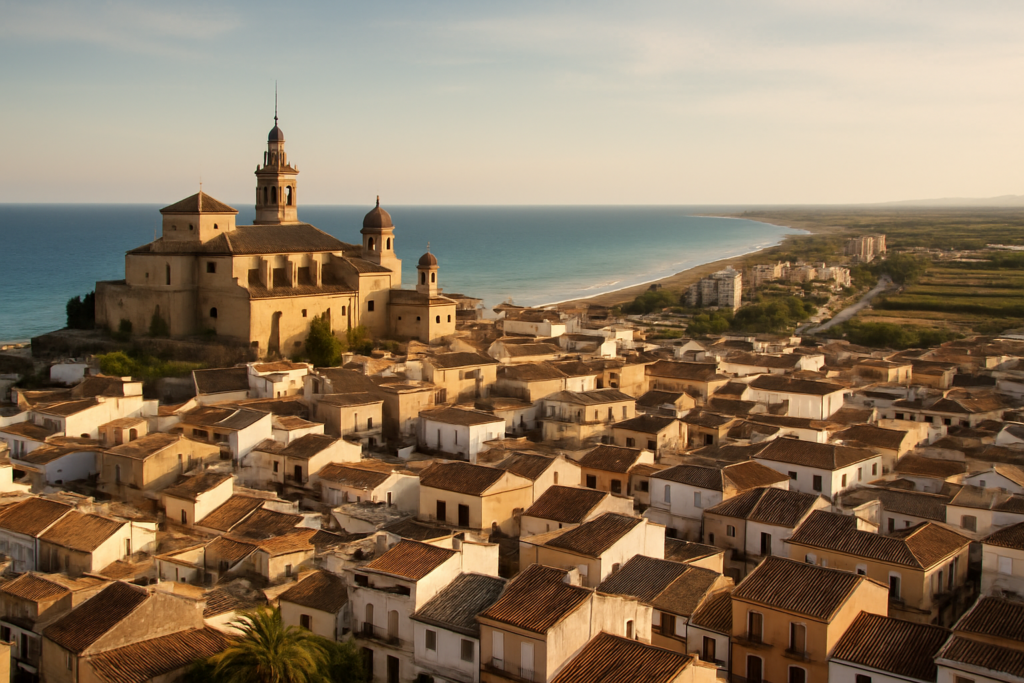
El Puig de Santa Maria: Monastery, Beach and Battle History
What El Puig de Santa Maria is really like — a landmark monastery, a quiet beach and a decisive place in Valencia’s reconquest, just north of the city.
Guides to the Costa de Valencia — the coast either side of Valencia city, taking in the Albufera lagoon, Gandia and the long beaches of the Horta.
What El Puig de Santa Maria is really like — a landmark monastery, a quiet beach and a decisive place in Valencia’s reconquest, just north of the city.
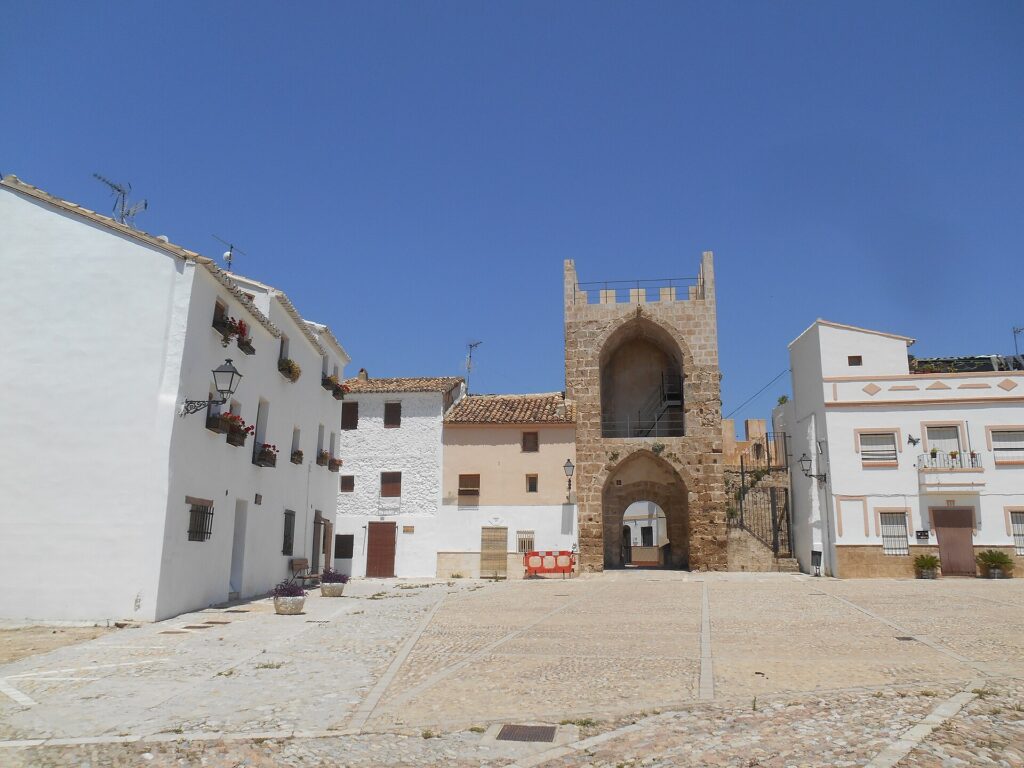
Inland town 40 km from Valencia: a castle with homes inside, the ticketed La Tomatina on the last Wednesday of August, and a river walk whose parts were flood-damaged.
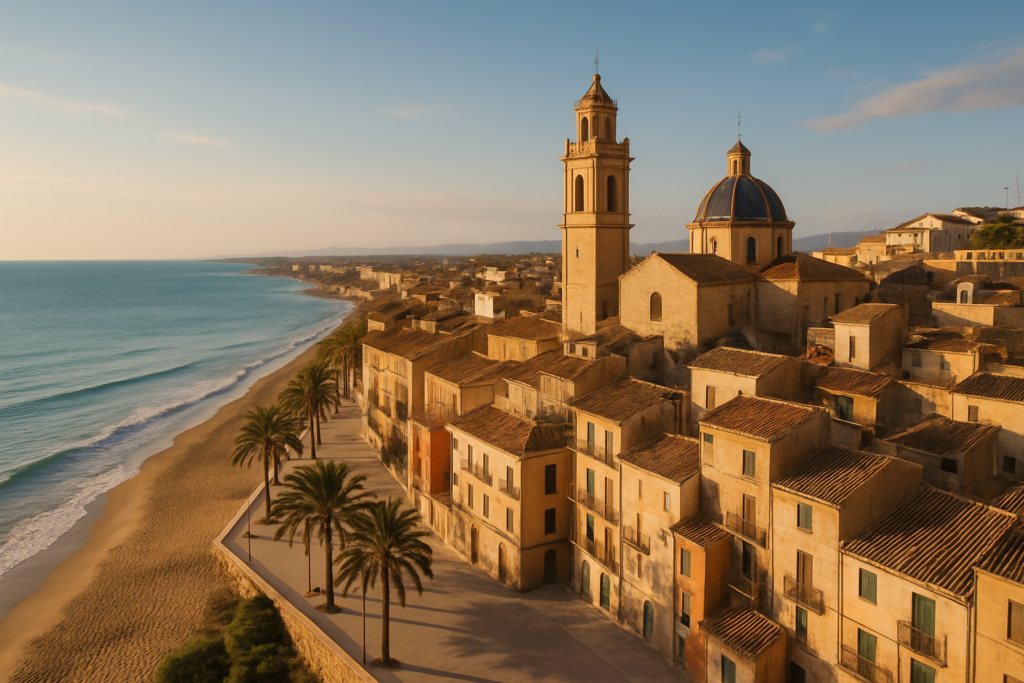
What Quart de Poblet is really like — a historic core, the Turia greenway and fast metro access just west of Valencia.
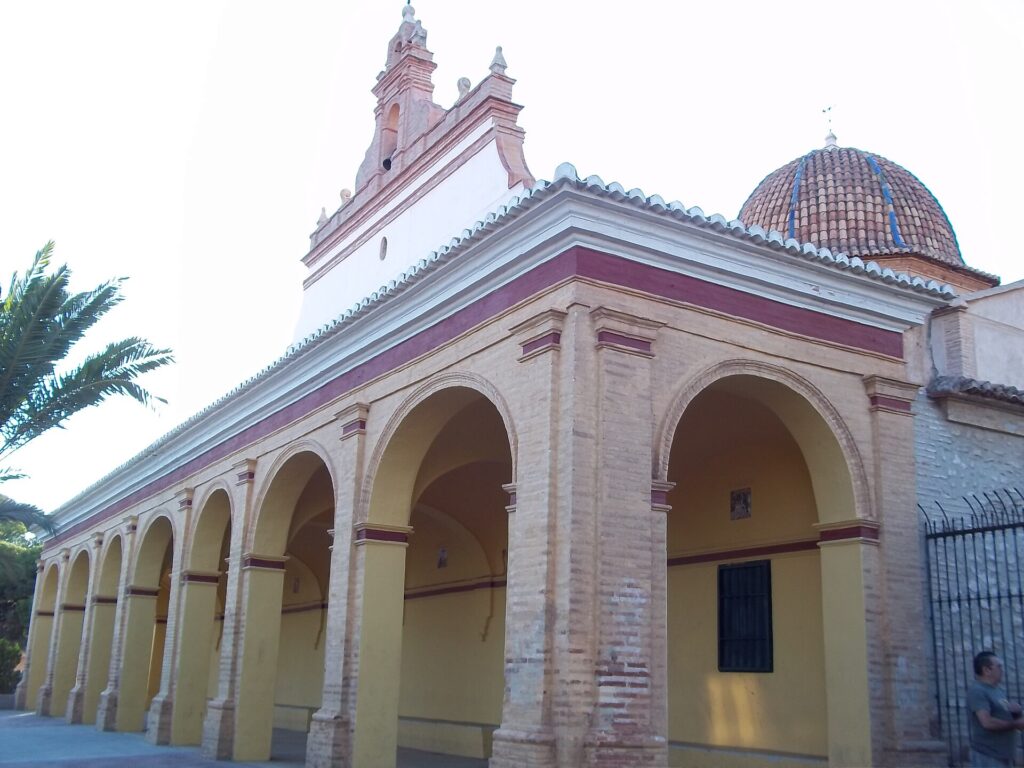
Horta Nord town on Valencia’s northern edge: guided visits to the Iberian settlement of Tos Pelat, huerta paths and a metro line into the city. No beach.
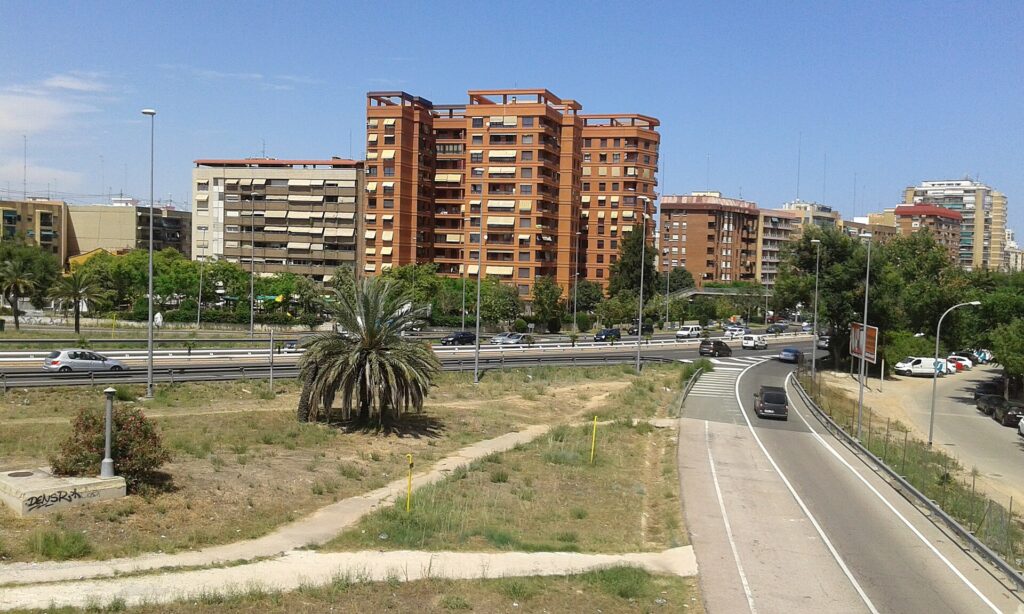
Dense town of 47,079 people right beside Valencia, with no beach: a cheaper base with metro links to the city, the airport and the March Falles.
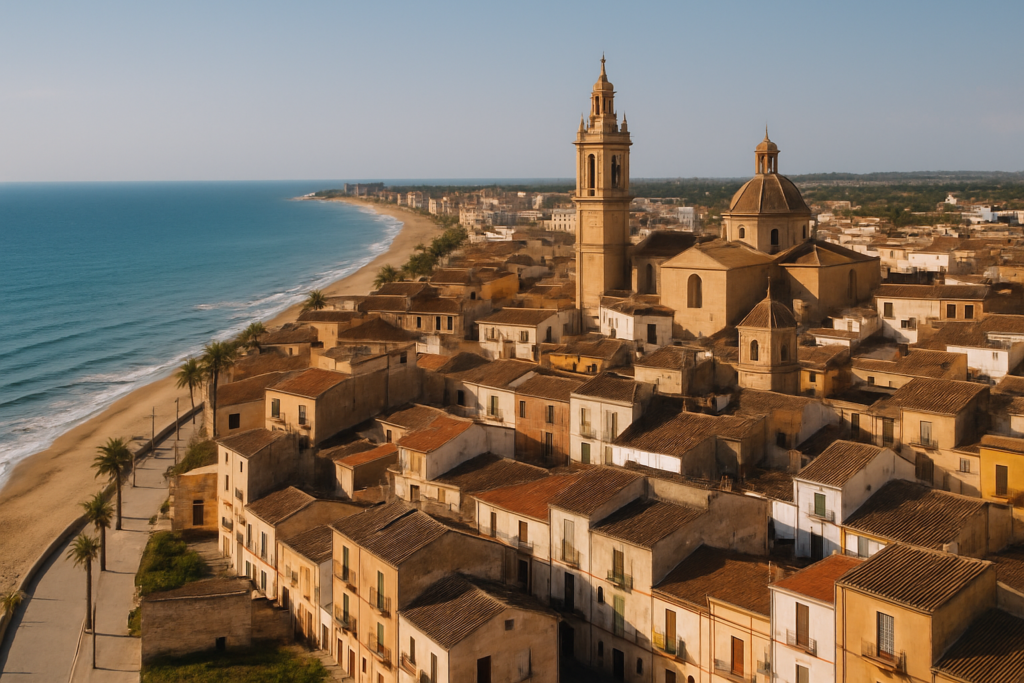
What Paterna is really like — hillside cave houses, a medieval tower and a lively Fallas tradition on the edge of Valencia.
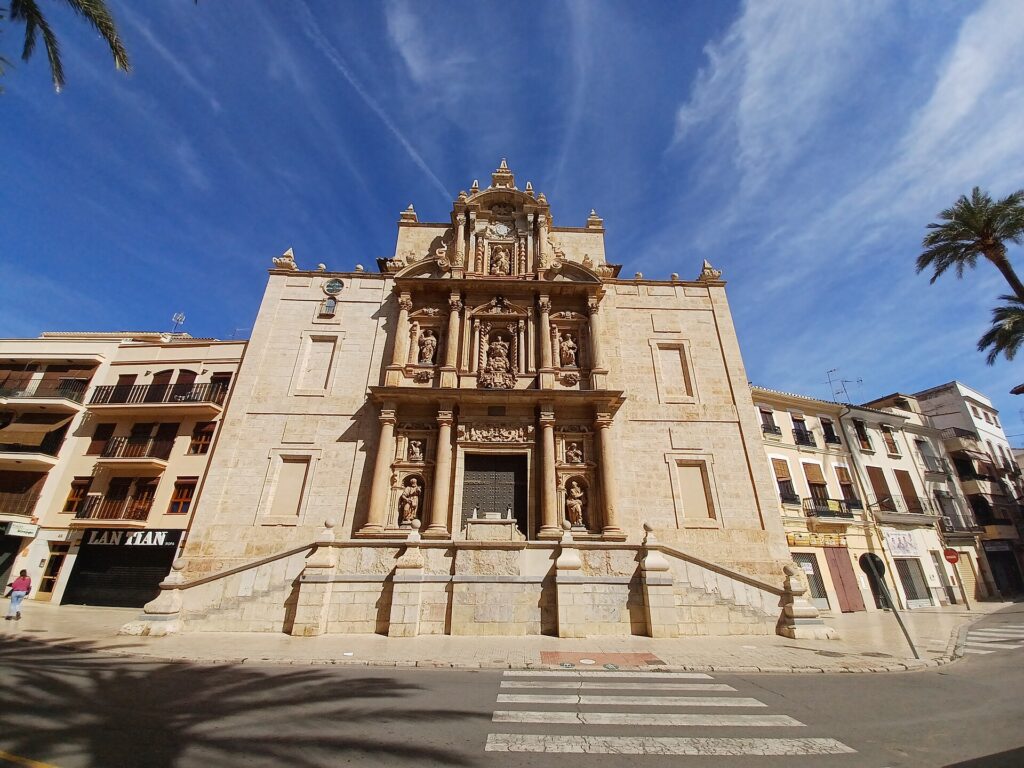
Inland town 25 km north-west of Valencia: Iberian and Roman sites, Arab baths, UNESCO Creative City of Music since 2019, metro line 2. No beach.
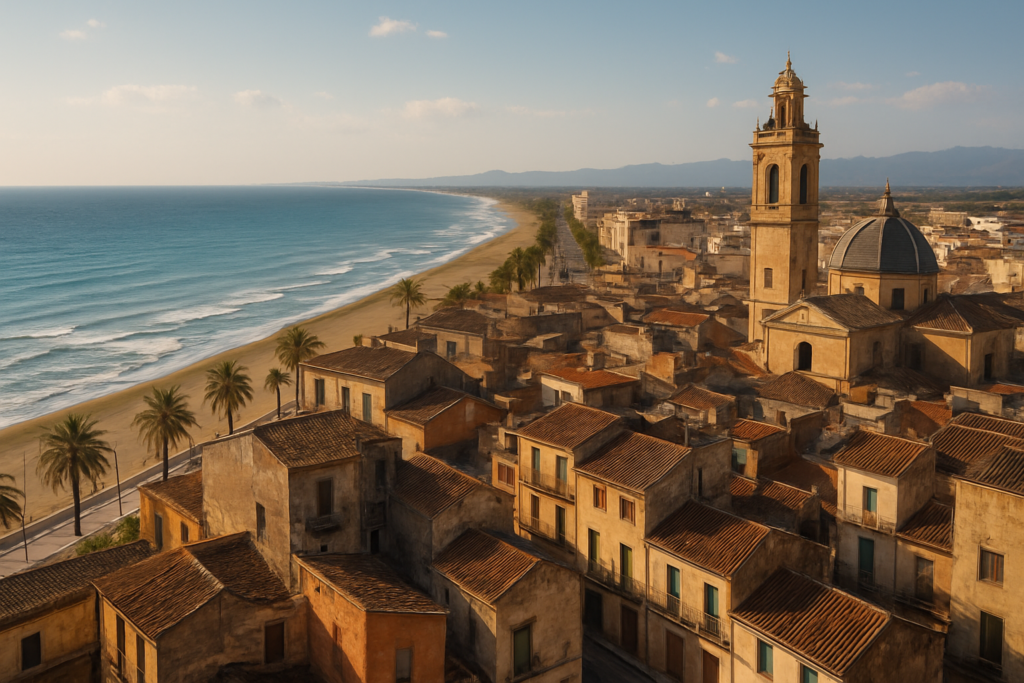
What Sueca is really like — Albufera rice country, the paella heartland, and quiet beaches like El Perelló south of Valencia.
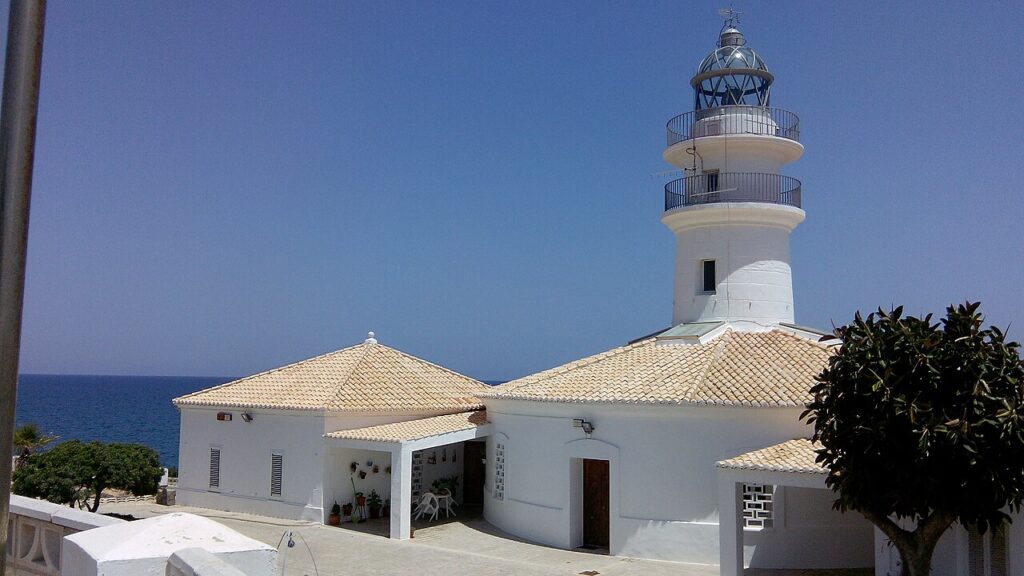
Coastal town 38 km south of Valencia: hilltop castle, pirate museum in a cave, 11 beaches at the Júcar mouth and rice-country paella.
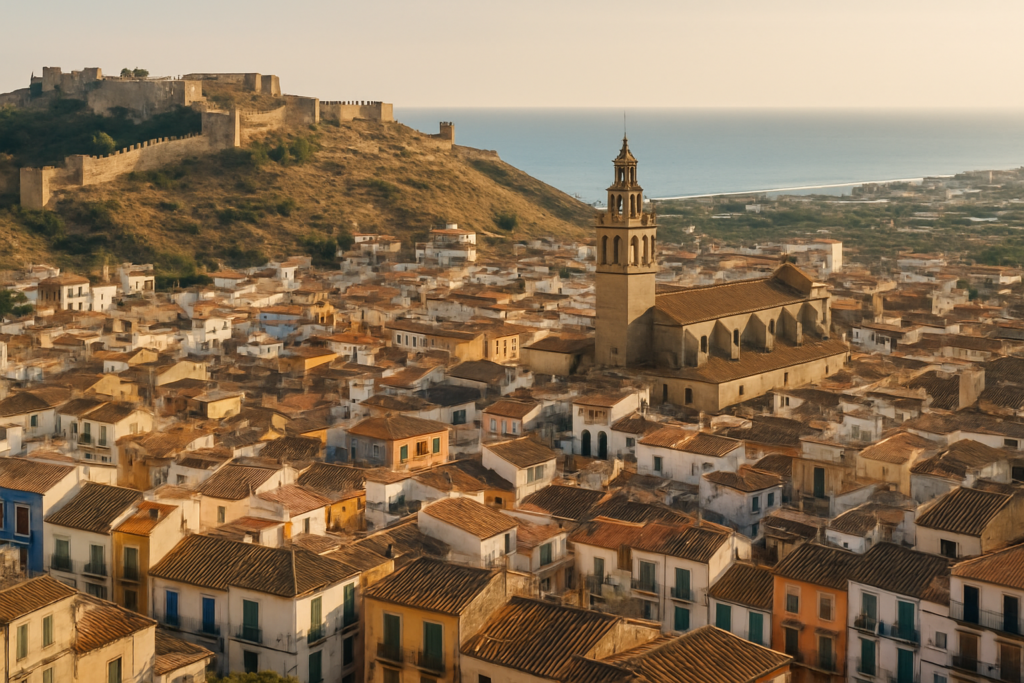
What Sagunto is really like — a hilltop castle, a restored Roman theatre and a separate beach town on the Costa de Valencia.