
Expect a small inland Murcian town with an old centre that feels like a tidy open‑air museum of stone houses, a living agricultural economy and a surprising industrial and artisan undercurrent. This guide is geared to set realistic expectations: you won’t find a seaside resort or flashy tourist infrastructure, but you will find layered history, working rural landscapes and a compact historic core that rewards slow wandering.
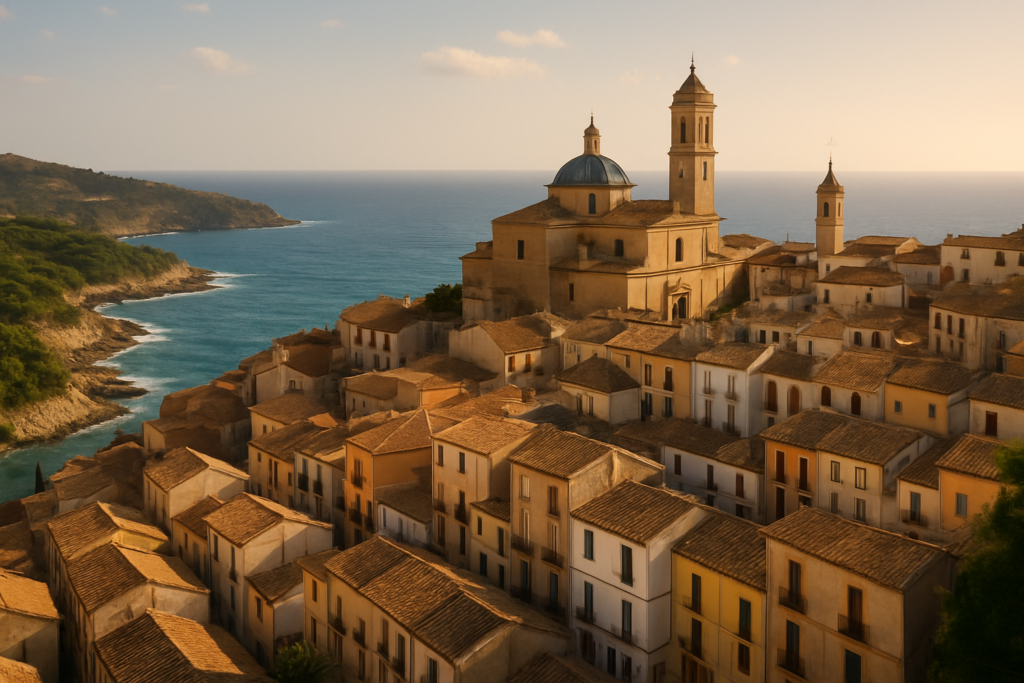
Cehegín at a glance
- Inland town in northwest Murcia, in the Comarca del Noroeste.
- About 66 km from the city of Murcia by road.
- Historic core revitalised through renovation by foreign buyers.
- Noted locally for red marble quarrying and many manorial houses built by returning conquistadors.
- Working agricultural economy: apricot, peach, olive, almond and vines; increasing flower cultivation under poly‑tunnels.
- Crossed by the small rivers Argos and Quipar.
- Nearby the archaeological site of Begastri, an important Roman and Visigothic settlement.
Things to do in Cehegín
The town is best experienced on foot: a mix of restored manorial houses, narrow lanes and small civic museums. Activities here are largely cultural and agricultural—visiting the old town, seeing historic stonework, checking out the archaeological displays and observing local agribusiness in action. Don’t expect theme‑park attractions; plan for museums, viewpoints, and short trips into the surrounding countryside.
| Attraction | What it is | Price/entry | Best for |
|---|---|---|---|
| Old town and manorial houses | Concentrated historic quarter with many houses built by conquistadors | – | Walkers, architecture fans, photographers |
| Archaeological museum | Museum displaying local finds including a fragment of Attic red‑figure pottery (4th c. BC) | – | History buffs, families on a rainy day |
| Begastri (nearby) | Abandoned ancient settlement with Roman and Visigothic importance | – | Archaeology enthusiasts, hikers |
| Riverside walking and agricultural routes | Short rural excursions along the Argos and Quipar, with orchards and vineyards nearby | – | Active visitors, nature walkers, cyclists |
| Marble areas | Region known historically for red marble extraction | – | Geology and craft interest, stonework enthusiasts |
Strolling the old town and manorial architecture
The compact historic quarter is the central draw. Many large family houses were built by conquistadors who returned from the Americas, giving the town an abundance of carved stone façades, ornate balconies and internal courtyards. The recent revitalisation of older properties—often driven by foreign buyers renovating traditional buildings—means the area feels lived‑in rather than staged for tourism. Walk slowly to notice reused carved stone, decorative ironwork and discreet civic plaques.
The archaeological museum
The local archaeological museum is a practical stop for context before exploring nearby ruins. Among its exhibits is a fragment of Attic red‑figure pottery dated to the 4th century BC—an indicator of the long human presence and the town’s connections across the Mediterranean. Use the museum to anchor your visit: exhibits explain regional prehistory and classical‑period settlements in plain terms.
Begastri and the deep past
Just outside the inhabited area lies Begastri, now abandoned but once an important Roman and Visigothic settlement. The site frames the region’s long occupation and is a useful short excursion for visitors curious about ruins and early medieval history. The contrast between the lived‑in old town and the deserted ancient town nearby is striking and helps explain modern settlement patterns.
Marble and craft
The area’s extraction and working of red marble has shaped local architecture and economy. Look for stone detailing in public buildings and manor façades. Marble’s presence historically supported local workshops and trade; today it remains a material thread you’ll notice across older structures and occasional craft studios.
Cehegín with kids
Children usually enjoy the compact scale and the tangible history: wandering narrow lanes, peering into courtyard entrances, and spotting carved stonework. The archaeological museum provides a weatherproof option for a rainy hour or two, and short riverside walks along the Argos and Quipar give safe outdoor time without long drives.
Families should temper expectations—this is not a theme‑park destination—so plan a mix of museum time, relaxed walks and a nearby excursion to Begastri for a “ruins adventure.”
How to get to Cehegín and get around
Cehegín sits in inland Murcia. The most practical regional reference point is the city of Murcia, which is approximately 66 km away by road; use that city as a staging point for onward regional travel. Within the town itself, the historic centre and main sights are walkable in a single half‑day, but the wider area (Begastri, marble sites, agricultural landscapes) is best reached by car or bicycle.
| From | By | Approx time |
|---|---|---|
| Murcia (city) | By road | About 66 km |
Where to stay in Cehegín
Accommodation choices are anchored on two contrasting experiences:
- Old town (historic core) — best for walkers who want immediate access to manorial houses, narrow lanes and a concentrated cultural feel.
- Rural outskirts — stay here if you want quiet, agricultural scenery and easier access to vineyard, orchard and marble‑work areas; better if you plan to drive.
History of Cehegín
The town has deep roots. Historically known as Bigastro, it served as an episcopal see until disruption in the 7th century when Arab incursions reshaped the region. Over the centuries the area saw Roman and Visigothic settlement activity—Begastri testifies to this continuity. In the age of the Spanish overseas empires, returning conquistadors endowed the town with numerous manorial houses, leaving a distinctive architectural legacy. More recently, the historic core has been revitalised through renovation by foreign buyers, while traditional agricultural and extractive industries continued to shape local life.
Practical info
- Location and access: The town lies within the Region of Murcia’s Comarca del Noroeste. Use Murcia city as your regional hub; the road distance is roughly 66 km.
- Rivers: The Argos and Quipar cross the municipality—these are small local waterways that shape nearby greenspaces and walking routes.
- Agriculture and industry: The local economy remains strongly agricultural—apricot, peach, olive, almond and vine cultivation are all present. The area has also expanded flower cultivation under poly‑tunnels in recent years. Marble extraction, especially red marble, has been an important local industry.
- Population context: The municipality’s population is around 16,248, with a near‑even gender balance—8,227 males and 8,021 females—giving the place a small‑town feel rather than a bustling urban centre.
- Nearby towns: The pilgrimage town of Caravaca de la Cruz lies a short drive to the west; plan a combined visit if you’re curious about regional religious heritage.
Worth it for: travellers who like compact historic towns, architectural detail, archaeology and working rural landscapes. Less so if: you want a developed tourist scene, beaches or nightlife—this is an inland, low‑key place best paired with regional drives.
How we assess this guide
This guide compiles verified local facts from regional and historical sources and cross‑checks claims about archaeology, industry and agriculture. We flag significant changes when sources indicate closures or redevelopment; we do not invent prices, opening hours or web links. This is a synthesis guide rather than first‑hand field reporting—use it to frame sensible expectations and to plan further, targeted enquiries with museums and local visitor centres.
Frequently asked questions
How far is Cehegín from Murcia city?
The town lies about 66 km from the city of Murcia by road; use that city as a regional transport hub.
Is Cehegín expensive to visit?
There’s no single tourism‑industry price level stated in the sources. The town is small with local services and a working agricultural economy, so costs tend to align with small‑town Spain rather than tourist resort premiums.
Which is the best beach near Cehegín?
Cehegín is inland and not a seaside resort. For beaches you would need to travel toward the Murcia coast; local sources focus on inland attractions, agriculture and heritage rather than coastal offerings.
How many days should I spend here?
A full day covers the main old‑town sights and the archaeological museum, with a half‑day extra to visit Begastri or explore marble areas and nearby agricultural landscapes.
Is the town suitable for families with children?
Yes—families can enjoy a compact historic centre, the archaeological museum for an indoor diversion, and short riverside walks. It’s not a playground‑heavy environment, so plan mixed activities.
Can I get around without a car?
The historic core is easily walkable. For excursions to Begastri, marble extraction areas or dispersed agricultural landscapes, a car or bicycle is more practical.
Is there parking in the old town?
Specific parking details are not listed in the source claims; generally, small historic centres in inland Murcian towns have limited central parking and nearby peripheral parking options—expect to walk a short distance into the core if you park on the edge.
What are good rainy‑day options?
The archaeological museum provides a covered cultural option. Elsewhere, slow café time and visiting restored manorial houses (where accessible) are sensible alternatives when the weather is poor.
When is the best time to visit for mild weather or festivals?
There are no specific climate or festival claims in the verified material. The town’s attractions are year‑round cultural and rural activities; consult regional festival calendars separately if specific event timing matters to you.
What agricultural products will I see around the town?
Local agriculture includes apricot, peach, olive, almond and vines; flower cultivation under plastic poly‑tunnels has increased recently.
Are there archaeological sites nearby?
Yes—Begastri, now abandoned, was an important Roman and Visigothic settlement and is close to the inhabited area; the archaeological museum in town also displays classical‑period finds such as a 4th‑century BC Attic pottery fragment.
Does the town have a notable craft or industrial product?
Red marble extraction has been a historic local industry and remains a defining material visible in architecture and local craft. The town also hosts artisanal and agricultural processing, such as local canning facilities and juice production from fruit crops.
Is there any connection with nearby pilgrimage sites?
The pilgrimage town of Caravaca de la Cruz lies a short drive to the west of the town; visitors often combine visits to both places when exploring the northwest Murcia area.
What rivers run through the municipality?
The municipality is crossed by the Argos and Quipar rivers, small local waterways that feed nearby green corridors and agricultural plots.
How active is renovation and foreign restoration in the old town?
The historic core has been revitalised in recent decades, with foreign buyers renovating older properties—this trend has contributed to a refreshed appearance while retaining the town’s character.
Plan the wider trip
Nearby on the Costa Cálida
Cehegin on the map
How this page is maintained. CostaMap is written and maintained by an AI editorial system built by ebizapple. Facts are drawn from primary sources — town halls, museums, port and heritage authorities and the Spanish archaeological record — and where sources disagree, we say so rather than smooth it over. Photographs marked as ours are taken on location. This page was last reviewed on 30 July 2026. Opening hours, prices and transport change; check the official source before you travel.