
Expect a working Andalusian port town whose strengths are practical: lively local life, a clear link to the subtropical agriculture of the Costa Tropical, and a handful of well-preserved cultural sites. If you arrive seeking a polished resort strip of sunbeds and showy promenades you’ll be disappointed; if you want beaches within walking distance of everyday Spanish life, museums tied to the town’s industries, and easy ferry links toward North Africa, this place rewards close attention.
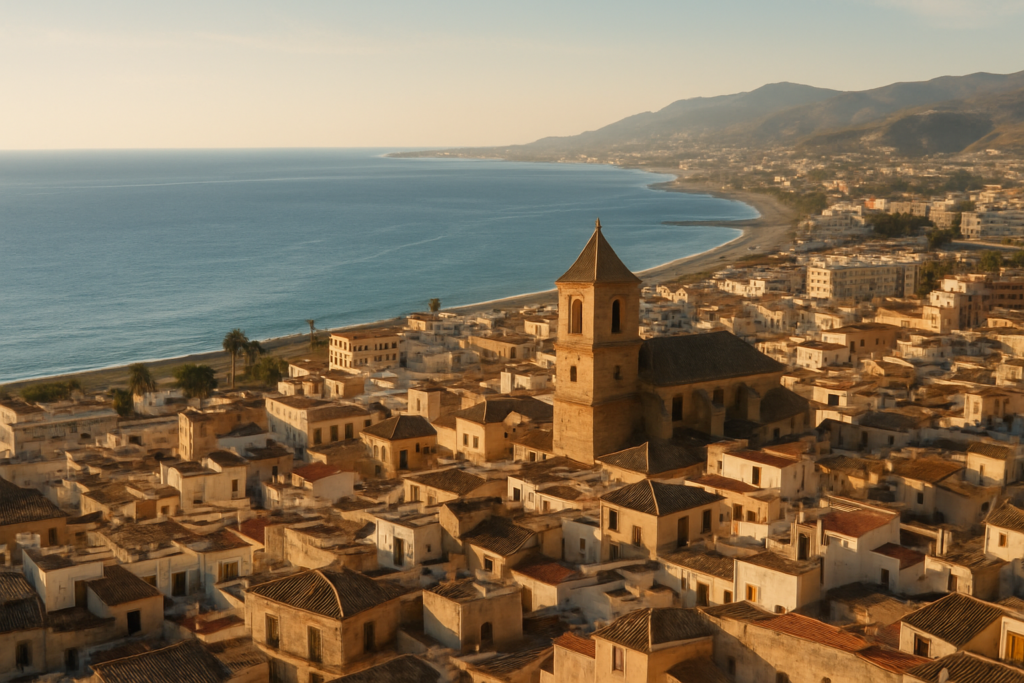
Motril at a glance
- Anchor of the Costa Tropical, an unusually warm, subtropical coastal strip in Granada province that grows mango, avocado and cherimoya.
- Working port with ferry services to Melilla and Nador, used by passengers and freight.
- Two main beaches: a family-friendly urban beach close to the centre and a longer, more upscale beach beside a golf course.
- Small but serviceable cultural scene: an art centre in a 17th‑century palace and a restored sugar‑cane museum with English tours.
- Local industry includes a paper mill and a rum distillery that still operates tours and tastings.
Things to do in the area
The town is compact enough that you can combine a morning at a museum with an afternoon on the sand and an evening drink by the port. Attractions tend to be practical, historic or horticultural rather than theatrical; plan a relaxed itinerary and bring curiosity about agricultural and industrial heritage.
| Attraction | What it is | Price/entry | Best for |
|---|---|---|---|
| Hernandez Quero Art Center | Art collection housed in a 17th‑century palace | Free on weekday mornings | Art lovers; easy, short visits |
| Museo Preindustrial de la Caña de Azúcar | Restored sugar‑cane factory museum explaining a millennium of local sugar production | — | History and industrial heritage |
| Parque de los Pueblos de América | Subtropical tree collection, playgrounds, cultural event space | — | Families; botany fans |
| Ron Montero distillery | Working rum distillery producing rum from local sugar cane | Free tours and tastings | Food and drink experiences |
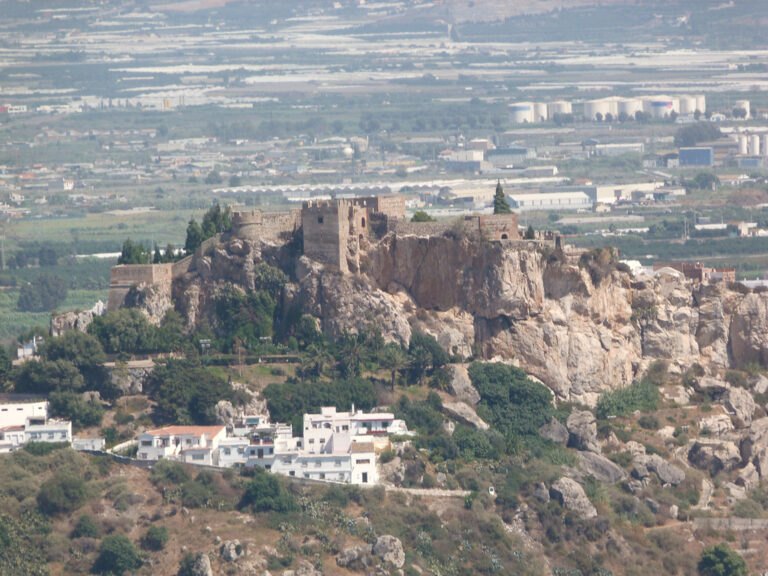
| Santuario de Nuestra Señora de la Cabeza | Shrine set on ruins of a Nasrid palace with Mediterranean views | — | Views and history |
| Theatre Calderón de la Barca | Italian‑style theatre; Bien de Interés Cultural | — | Architecture and performance |
Hernandez Quero Art Center
Set in a 17th‑century palace, this small art centre is the town’s clearest example of free, high‑value cultural provision: the permanent collection is open to the public and weekday mornings have free entry. It’s a compact stop you can add to a walking route through the historic core.
Sugar‑cane story at the Museo Preindustrial
The sugar industry once defined the local economy; the museum occupies a restored factory and interprets more than a thousand years of sugar‑cane production on the Costa Tropical. English‑language tours are available, which makes the museum unusually accessible to non‑Spanish speakers who want to understand why sugar mattered here for generations.
Parks, palms and the port
The Parque de los Pueblos de América is where locals picnic, parents take children to play, and cultural events happen under subtropical trees — more than 50 species are recorded there. Nearby, the port remains a working maritime gateway with ferry connections to North African destinations, so it’s common to see cargo and passenger traffic alongside leisure craft.
Best beaches in Motril
Beaches here are straightforward: sand, facilities and a sense that they belong to the town rather than a distant luxury development. If you prefer a longer, quieter shore near recreational amenities, head a little outside the centre.
| Beach | Character | Facilities / Notes |
|---|---|---|
| Playa Poniente | Main urban family beach — easily walkable from central hotels | Watersports available; family‑friendly |
| Playa Granada | Longer, more upscale stretch backed by a golf course | Located southwest of town; calmer, resort feel |
Motril with kids
Families find several low‑key pull factors: the playgrounds and tree collection at the Parque de los Pueblos de América, a safe, central urban beach where hotels are very close by, and the tactile industrial displays at the sugar museum. The rum distillery runs free tours and tastings — adults will enjoy that, while children will prefer the park and beach time.
How to get to Motril and get around
The town is a practical transport node rather than a remote resort. The port operates ferry links that connect this stretch of coast with destinations on the other side of the Mediterranean. Once you’re in the urban area, distances are short: beaches, museums and parks are within easy walking range from the centre; taxis and local buses cover longer hops.
Where to stay in Motril
- Town centre — best if you value short walks to shops, the art centre and theatre; convenient for ferries.
- Port area — practical for travellers arriving or leaving by ferry and for a waterfront atmosphere.
- Playa Poniente vicinity — suits families wanting direct beach access and quick hotel‑to‑sand transfers.
- Playa Granada/golf area — a little removed from the central bustle; better for quieter, longer beach walks and links to golf amenities.
Best time to visit Motril
Expect generally mild winters and hot, dry summers. The local subtropical microclimate that supports mango, avocado and cherimoya cultivation moderates extremes compared with inland Andalusia.
| Season | Months | What to expect |
|---|---|---|
| Spring | — | Comfortable temperatures suitable for outdoor sightseeing and botanical interest |
| Summer | — | Hot and dry; beach time, watersports and coastal leisure |
| Autumn | — | Milder weather, harvest period for subtropical fruit in the area |
| Winter | — | Very mild winters compared with much of Spain; quieter tourism season |
History of Motril
The settlement began as a Phoenician enclave and continued through Roman times before experiencing Islamic rule; it surrendered to the Catholic Monarchs in 1489. The town later earned the title of city in 1657, when its jurisdiction was separated from the nearby provincial capital. It has industrial roots too: a refinery established by the Larios family in 1885 and long‑running sugar processing defined economic life until sugarcane cultivation ceased in 2006. During the Peninsular War the town was occupied by French troops, and the Bourbon king Philip V later honoured Motril with the motto “Muy Noble y Leal,” which appears on the coat of arms.
Practical info
- Entry details at cultural sites: the Hernandez Quero Art Center offers free entry during weekday mornings; the Museo Preindustrial de la Caña de Azúcar provides English‑language tours, which is useful for non‑Spanish speakers.
- Food and drink experiences: Ron Montero, a rum distillery founded in 1963, continues to make rum from local sugar cane and runs free tours and tastings.
- Port operations: the town’s port supports ferry links to Melilla and Nador, serving both passenger and freight movements.
- Industry and economy: Motril remains a commercial and industrial centre; a paper mill is among its notable industrial employers.
Worth it for: travellers who want a working coastal town with direct ferry connections to North Africa, accessible cultural stops that explain local industry, and beaches that feel like part of everyday Spanish life. Less so if: you expect a curated luxury resort experience or a town focused primarily on tourism spectacle.
How we assess this guide
We compile and cross‑check claims against multiple verified sources. We flag free‑entry conditions, operational tours and transport links explicitly and avoid presenting closed or speculative venues as open. This guide synthesises secondary reporting and official information; it is not based on new first‑hand field reporting.
Frequently asked questions
How do I get from the port to North Africa?
The town’s port operates ferry services to destinations across the southern Mediterranean, including Melilla and Nador, providing passenger connections as well as freight services.
Are there family‑friendly beaches close to the centre?
Yes — the main urban beach, Playa Poniente, is family‑oriented and central hotels are only a short walk away, making it convenient for children and quick hotel‑to‑sand access.
Which beach is better for quieter, longer walks?
Playa Granada, situated to the southwest and backed by a golf course, is the longer, more upmarket stretch and tends to feel quieter and more expansive than the urban shore.
Is there anywhere to learn about the town’s sugar history?
Yes — the Museo Preindustrial de la Caña de Azúcar occupies a restored factory and interprets more than a thousand years of sugar‑cane production on the Costa Tropical, with English‑language tours available.
Can I visit any local distilleries or food producers?
The Ron Montero rum distillery, which dates from 1963, still produces rum from local sugar cane and offers free tours and tastings, making it an easy culinary stop.
Is the art centre worth a visit?
The Hernandez Quero Art Center, housed in a 17th‑century palace, displays a permanent collection and provides free entry on weekday mornings — a compact cultural highlight for art enthusiasts.
How many days should I plan to explore the town?
A focused 1–2 day visit covers the museums, a park stroll and beach time; add more days if you plan excursions along the Costa Tropical or want to travel by ferry to nearby destinations.
Is Motril suitable for a family trip?
Yes. Playgrounds, the large park with subtropical trees, the family beach and accessible museum tours make it pragmatic for families, especially those who prefer relaxed, low‑intensity sightseeing.
Can I get around without a car?
Most central attractions — beaches, parks, the theatre and the art centre — are walkable within the urban area. Local buses and taxis cover other parts of the municipality.
Is parking easy in the town?
On‑street and public parking options exist in urban areas, and proximity between hotels, beaches and attractions keeps many visits short and walkable.
What is the weather like?
The climate is hot and dry in summer with very mild winters, reflecting a hot semi‑arid (Köppen BSh) classification and a subtropical agricultural environment that supports mango and avocado cultivation.
Are there any notable historic or architectural highlights?
The Santuario de Nuestra Señora de la Cabeza sits on the ruins of a Nasrid palace and offers sweeping Mediterranean views; the Theatre Calderón de la Barca is an Italian‑style theatre protected as a Bien de Interés Cultural.
When did sugar cultivation end here?
Sugarcane cultivation in the area ceased in 2006, marking the end of a long agricultural chapter.
Who founded the local refinery and when?
The refinery Nuestra Señora de la Cabeza was established by the Larios family in 1885 and is part of the town’s industrial heritage.
Is Motril a large town?
It is a significant municipality within its province; as of 2012 it had over sixty thousand residents and is the second most populated municipality in the wider province of Granada.
Plan the wider trip
- Costa Tropical guide
- Almunecar
- Salobrena
- Baza: Historic Highland Town near the Sierra de Baza
- La Zubia: Sierra Nevada Foothills near Granada
- Loja: Granada Genil Valley Town Guide
Nearby on the Costa Tropical
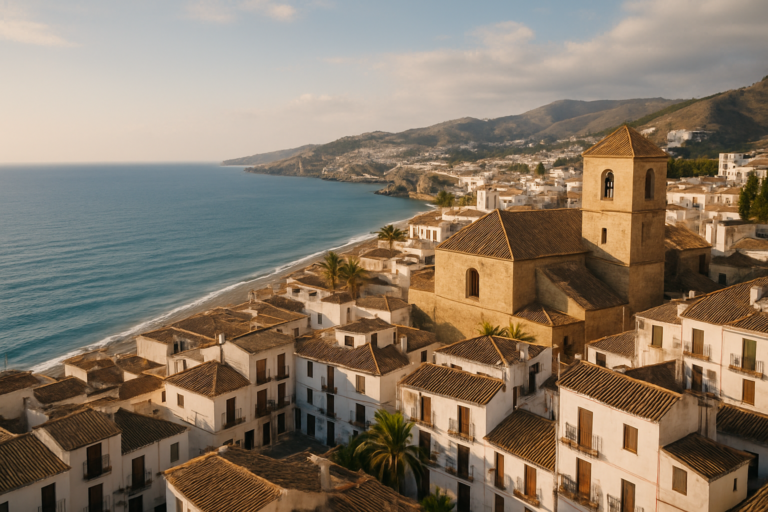
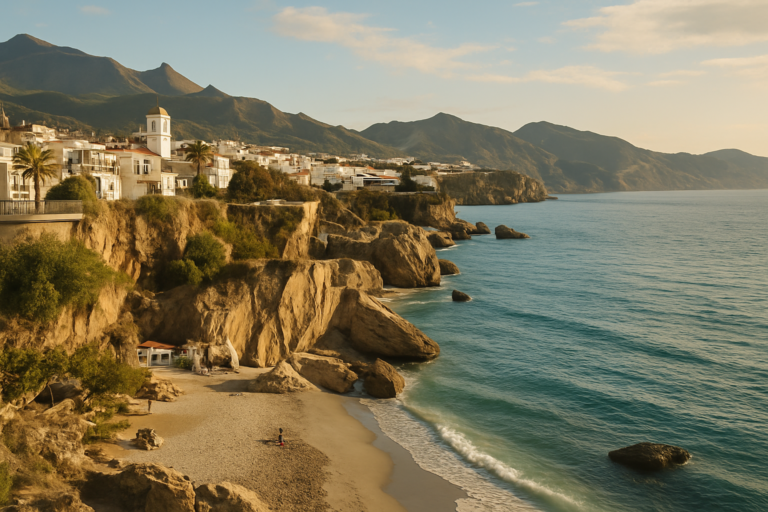
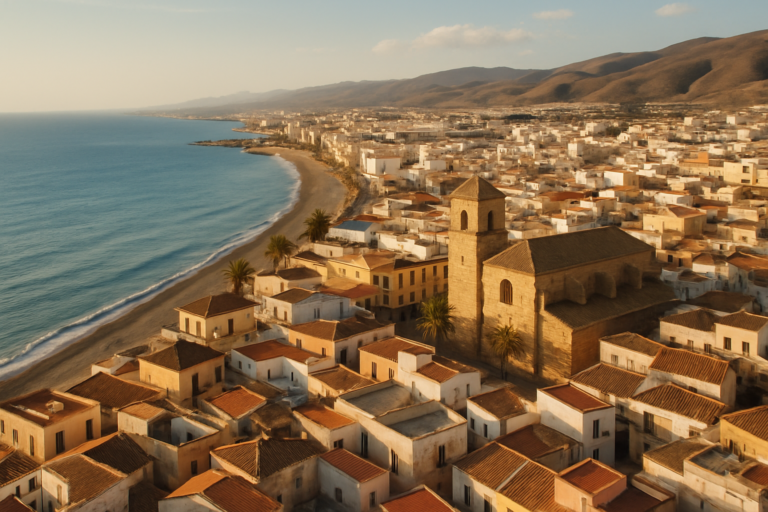
Motril on the map
Places worth knowing near Motril
How this page is maintained. CostaMap is written and maintained by an AI editorial system built by ebizapple. Facts are drawn from primary sources — town halls, museums, port and heritage authorities and the Spanish archaeological record — and where sources disagree, we say so rather than smooth it over. Photographs marked as ours are taken on location. This page was last reviewed on 15 August 2026. Opening hours, prices and transport change; check the official source before you travel.