
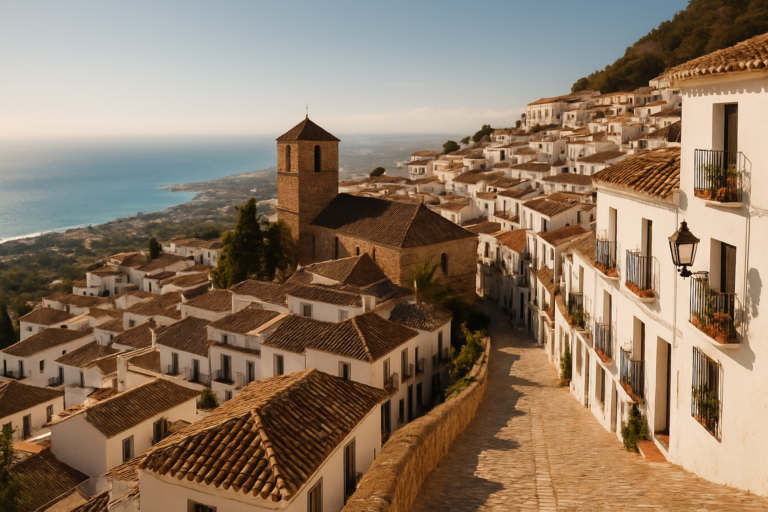
Expect a compact, picture‑perfect white village where the narrow alleys and flower‑filled balconies are the main attraction. This is not a seaside resort or a place for long nights of nightlife; it’s a hilltop pueblo for strolling, viewpoints and a few specialised experiences (historic plaques, a rare cane‑syrup mill, ruins and church). Come for the atmosphere, the scenery and short walks into protected hills; leave any hopes of a broad range of tourist infrastructure and urban conveniences at the door.
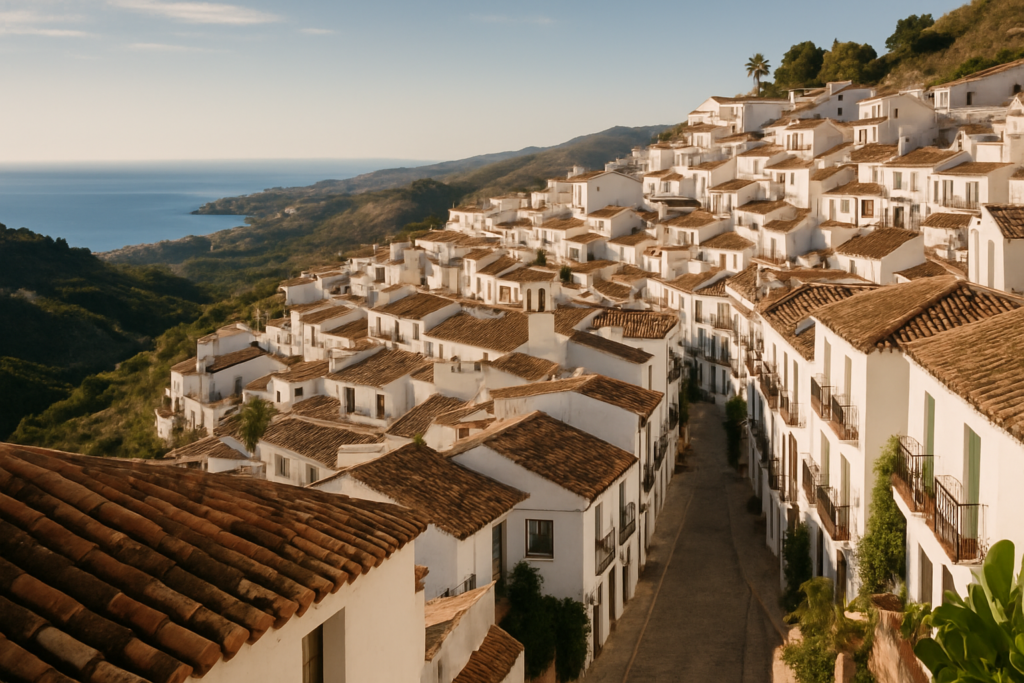
Frigiliana at a glance
- Classic whitewashed Andalusian village with blue doors, potted plants and steep cobbled lanes.
- About 6 km inland from the coastal resort of Nerja on the Costa del Sol.
- Historic upper town (steep, narrow streets) contrasts with a lower, newer neighbourhood.
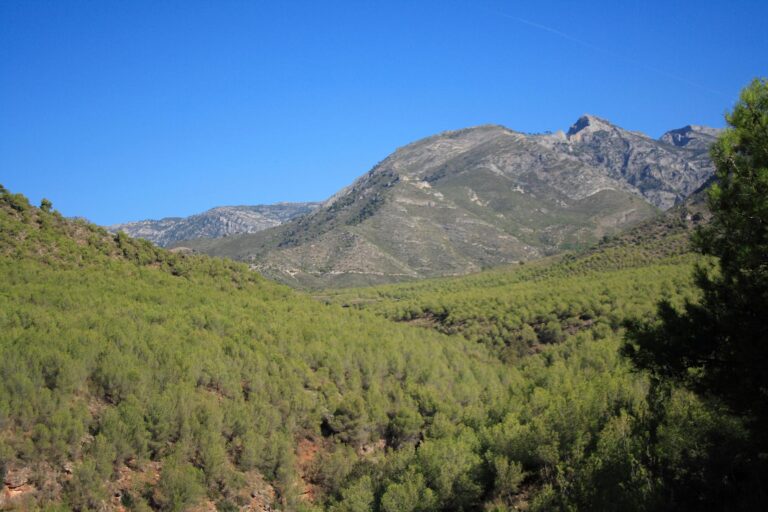
- Walking routes lead from the village into the Sierras de Tejeda, Almijara y Alhama Natural Park.
- Home to one of the last cane‑syrup mills in Europe producing traditional sugar‑cane honey.
- Look out for ceramic plaques along the streets that tell the story of the 16th‑century Morisco rebellion.
- Ruins of the Castillo de Lizar and the Iglesia de San Antonio de Padua overlook the old village.
Things to do in Frigiliana
Most visitors organise their day around a handful of experiences: losing time in the old Moorish quarter, taking the viewpoints for long Mediterranean panoramas, visiting the cane‑syrup mill and reading the ceramic plaques that narrate local history. Everything is concentrated and walkable, but the village’s charm is in small details rather than a long list of attractions.
| Attraction | What it is | Price/entry | Best for |
|---|---|---|---|
| The Barribarto (old Moorish quarter) | Maze of steep cobbled lanes and flower‑filled balconies | — | Photography, strolling, architecture fans |
| Cane‑syrup mill | One of the last traditional mills in Europe making sugar‑cane honey | — | Food culture, artisanship, local produce |
| Castillo de Lizar ruins & Iglesia de San Antonio de Padua | Historic lookout ruins and parish church overlooking the old village | — | Views, history, short walks |
| Ceramic plaque trail | Street plaques recounting the 16th‑century Morisco rebellion | — | History buffs, interpretive walking |
| Viewpoints around the village | Wide views over the Mediterranean and the surrounding hills | — | Scenery, sunsets, short hikes |
| Walking trails into the Sierras | Trails leading from the village into Sierras de Tejeda, Almijara y Alhama Natural Park | — | Day hikers, nature lovers |
The old quarter (the Barribarto)
The historic upper town is the Frigiliana people think of first: a tight cluster of whitewashed houses, small squares and steep, cobbled lanes. Blue painted doors and abundant pots of geraniums and other flowers give the streets a staged, well‑tended look — a reason the village has been widely recognised as one of Spain’s most beautiful and best‑kept. Expect lots of short flights of steps, narrow alleys that can be shaded and cool even on warm days, and small surprises at every turn: ceramic street signs, tiny viewpoints and private doorways with decorative tiles.
Cultural highlights and local production
One of the most distinctive things here is the survival of traditional sugar‑cane processing. The village still produces sugar‑cane honey at a cane‑syrup mill that is among the last of its kind in Europe. That artisan product — and the idea that a small mountain village preserves such a practice — is a strong reason to linger and, where possible, taste local honey or buy a jar to take home. Nearby, ceramic plaques fixed along the lanes create an unusual public history trail: they narrate the 16th‑century Morisco rebellion and root the town’s appearance and layout in a particular historical narrative.
Views, ruins and easy hill walking
From viewpoints around the village you get wide panoramas over the Mediterranean and the olive‑and‑pine dotted hills. The ruins of the Castillo de Lizar sit above the old town and, together with the Iglesia de San Antonio de Padua, form a compact historic centre that’s easy to combine into a single short walk. For anyone wanting more than a village stroll, paths lead out of town into the Sierras de Tejeda, Almijara y Alhama Natural Park — options range from short, undemanding rambles to longer hikes if you have time and proper footwear.
Before you plan
Frigiliana’s attractions are largely outdoor and village‑based, so check local opening details for any specialised sites (shops, mills, guided activities) before you travel. Public events such as the Festival Frigiliana 3 Culturas happen annually but can vary in date and format, so confirm timings with current local listings if you want to attend.
Frigiliana with kids
The village is compact and walkable, but its steep, uneven cobbles and many steps make it best suited to families with children who are comfortable on foot. Young kids enjoy exploring small lanes, spotting colourful doors and climbing to viewpoints; older kids will appreciate short, hands‑on experiences like learning about traditional cane‑syrup production if local demonstrations are available. Because there is no large flat promenade or beach inside the village, plan for a combined day that pairs Frigiliana’s village time with Nerja’s coastal facilities if you need a child‑friendly sandy break.
How to get to Frigiliana and get around
The village sits about 6 km inland from the coastal resort of Nerja, making it an easy short trip from that seaside town and from other Costa del Sol resorts around Málaga. Once you arrive, most exploration is on foot: the historic area is compact, and many highlight points — the Moorish quarter, viewpoints, the church and nearby ruins — connect by short walking routes. If you plan to explore the natural park trails beyond the village, prepare for steeper terrain and bring appropriate footwear and water.
Where to stay
Accommodation in and around the village tends to reflect two character zones:
- Historic upper town: Steep streets and immediate access to the old quarter, viewpoints and atmosphere. Best for people who want to wake in the heart of the village — expect stairs and less vehicle access.
- Lower/newer part: A contrast to the upper town with easier access for vehicles, slightly more modern amenities and a quieter base for families or visitors with mobility concerns who want proximity without the constant climbs.
Best time to visit
The village’s appeal is largely year‑round because the main attractions are architectural and scenic rather than seasonal. Many visitors time a trip to coincide with local cultural events, especially the Festival Frigiliana 3 Culturas, which celebrates the town’s Christian, Jewish and Muslim heritage. If you prefer fewer crowds, aim for shoulder seasons outside high tourist weeks along the coast; if you want festival atmosphere, check current event dates before travelling.
| Season | Months | What to expect |
|---|---|---|
| Spring | — | Pleasant walking weather; floral displays in the streets; good time for hill paths |
| Summer | — | Warmer conditions; village is busy with day‑trippers from the coast |
| Autumn | — | Comfortable for hiking; quieter than high summer |
| Winter | — | Milder and quieter than inland mountain towns; many businesses remain open but always check seasonal hours |
History of the area
The town’s layout, architecture and public plaques point to a layered past. Frigiliana’s whitewashed houses and winding lanes owe much to its Moorish heritage; the Barribarto preserves the feel of a Moorish quarter with narrow alleys and steep, cobbled streets. Ceramic plaques around the village recount the story of the 16th‑century Morisco rebellion, anchoring its visible streetscape in documented historical events. Above the old town, the ruins of the Castillo de Lizar and the Iglesia de San Antonio de Padua stand as reminders of strategic and religious roles the village played over centuries.
Practical info
Many of the town’s features are outdoors and free to view; the experience relies on walking and short hikes more than on paid attractions. Because the upper town is steep and built on a hillside, expect restricted vehicle access near the historic centre — plan drops or parking in lower areas if you have mobility concerns. As a compact place with narrow streets, oodles of photographic opportunities and artisan food production, the best way to enjoy it is on foot and at an unhurried pace.
Worth it for: Visitors who enjoy historic white villages, scenic viewpoints, short walks into protected sierras and unique local food production such as traditional cane‑syrup honey. Less so if: You want a long list of museums, nightlife or a beach in the immediate village — for sand and sea you’ll need to head down to nearby coastal resorts.
How we assess this guide
This guide was compiled from cross‑checked sources on local geography, heritage features, cultural events and artisanal production. We flag spaces and experiences that are outdoor‑based and confirm when attractions are known to be rare or unique (for example, the village’s cane‑syrup mill). We do not rely on single unverified reports, and we advise checking direct local information for temporary openings, festival dates and specialised visits.
Frequently asked questions
How far is Frigiliana from Nerja?
The village sits about 6 km inland from the coastal resort of Nerja, making it a short drive or local transfer away.
Is Frigiliana expensive to visit?
Typical village costs are moderate: the main attractions are streets, viewpoints and historic sites you can see on foot. Specialist purchases like artisanal cane‑syrup honey are extra, but the overall visit does not require expensive entry fees for the principal sights.
Which beach is best if I want sand after visiting the village?
Frigiliana is inland, so for beaches you’ll head to the nearby coastal resorts like Nerja. Plan a combined day if you want both village time and a seaside break.
How many days should I spend here?
A single day trip is sufficient to see the old quarter, visit viewpoints, see the church and ruins and explore some local shops. Add extra days if you plan extended walks into the Sierras de Tejeda, Almijara y Alhama Natural Park or want to attend cultural festivals.
Is the village suitable for families with young children?
Families can enjoy the village, but be aware of steep, uneven cobbles and many steps in the historic upper town. Younger children or strollers may find certain parts challenging; pairing the visit with a seaside stop is a practical option for a child‑friendly day.
Can I get around Frigiliana without a car?
Within the village, everything important is walkable. For travel to and from nearby coastal resorts, plan transfers or local buses from Nerja and the surrounding Costa del Sol towns; confirm current local transport options before travelling.
Is parking available near the old town?
Vehicle access is limited in the upper historic area because it’s built on a hillside; parking and vehicle access are easier in the lower, newer part of the village. If mobility is a concern, choose accommodation or a drop‑off point in the lower area to reduce walking on steep streets.
What are good rainy‑day options?
Frigiliana’s core attractions are outdoor‑oriented: wandering lanes, viewpoints and plaques. On wetter days, shorter indoor options may be limited; check for local shops, cafés and any small cultural venues that are open, and consider shifting to nearby Nerja for more indoor choices.
When is the Festival Frigiliana 3 Culturas?
The village hosts the Festival Frigiliana 3 Culturas to celebrate its Christian, Jewish and Muslim heritage. Dates and formats can vary year to year, so check current local listings if you plan travel around the festival.
Are there hiking options directly from the village?
Yes—walking trails lead from Frigiliana into the Sierras de Tejeda, Almijara y Alhama Natural Park. Trails range from short local walks to longer mountain routes; prepare with suitable footwear, water and local route information before setting out.
What makes the village historically significant?
Aside from its Moorish quarter layout, the town displays ceramic plaques that recount the 16th‑century Morisco rebellion. The Castillo de Lizar ruins and the Iglesia de San Antonio de Padua also speak to the town’s strategic and religious roles through history.
Can I buy local food products in the village?
Yes—one of the town’s distinctive offerings is sugar‑cane honey from a traditional cane‑syrup mill, one of the last of its kind in Europe. Look for local shops or producers selling jars and related products.
Is photography allowed in the streets and viewpoints?
Photography in public streets and viewpoints is standard and a major part of the visit. Be mindful of private property and respectful of residents when photographing doorways, balconies and private courtyards.
Are there guided tours available?
Guided options are commonly offered in villages with this level of heritage focus, but availability can vary. If you prefer a guided historical walk or a specialised visit (for example, to the cane‑syrup mill), check current local offerings or tourist information in nearby Nerja.
Does the village stay open year‑round?
The village maintains year‑round life and many businesses are open throughout the year, though individual shop and café hours can fluctuate seasonally. For any time‑sensitive plans—festival attendance, mill demonstrations or guided walks—confirm with local listings before you go.
Plan the wider trip
- Costa del Sol guide
- Ronda
- Antequera: UNESCO Dolmens and El Torcal
- Rincón de la Victoria: Málaga's Local Beach Town
- Nerja
- Málaga
Nearby on the Costa del Sol
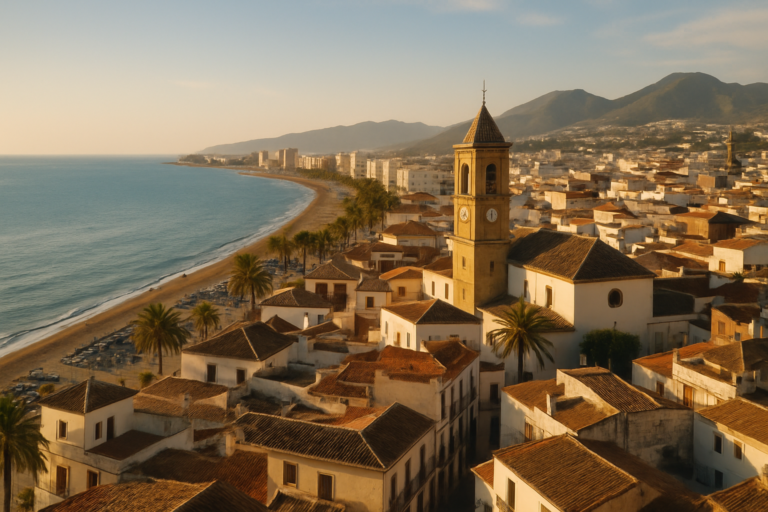
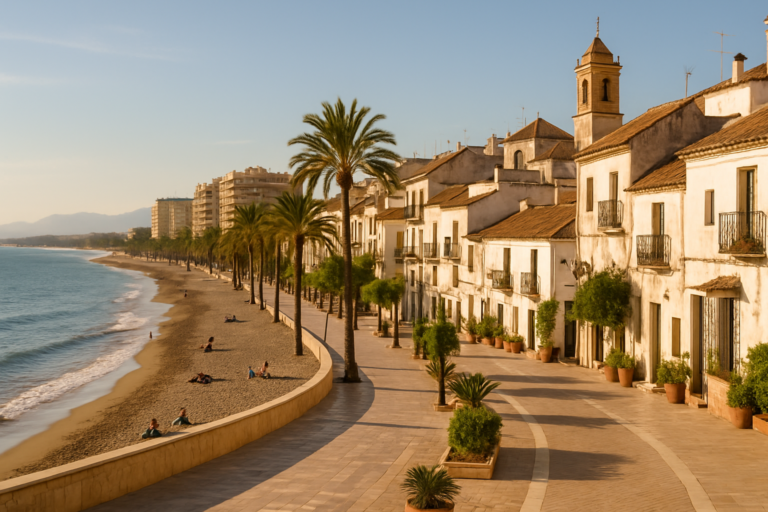
Frigiliana on the map
Places worth knowing near Frigiliana
How this page is maintained. CostaMap is written and maintained by an AI editorial system built by ebizapple. Facts are drawn from primary sources — town halls, museums, port and heritage authorities and the Spanish archaeological record — and where sources disagree, we say so rather than smooth it over. Photographs marked as ours are taken on location. This page was last reviewed on 15 August 2026. Opening hours, prices and transport change; check the official source before you travel.