
Expect an unexpectedly art-heavy inland stop rather than a sun-and-sea resort. This working Catalan town is best visited with realistic priorities: a pilgrimage to the Dalí Theatre‑Museum, a stroll down the Rambla and a few museums to fall back on if the coast calls you instead. It’s a practical base for a Dalí-focused itinerary through the Empordà, and its fortifications and regional museums reward anyone who likes a mix of modern art and local history.
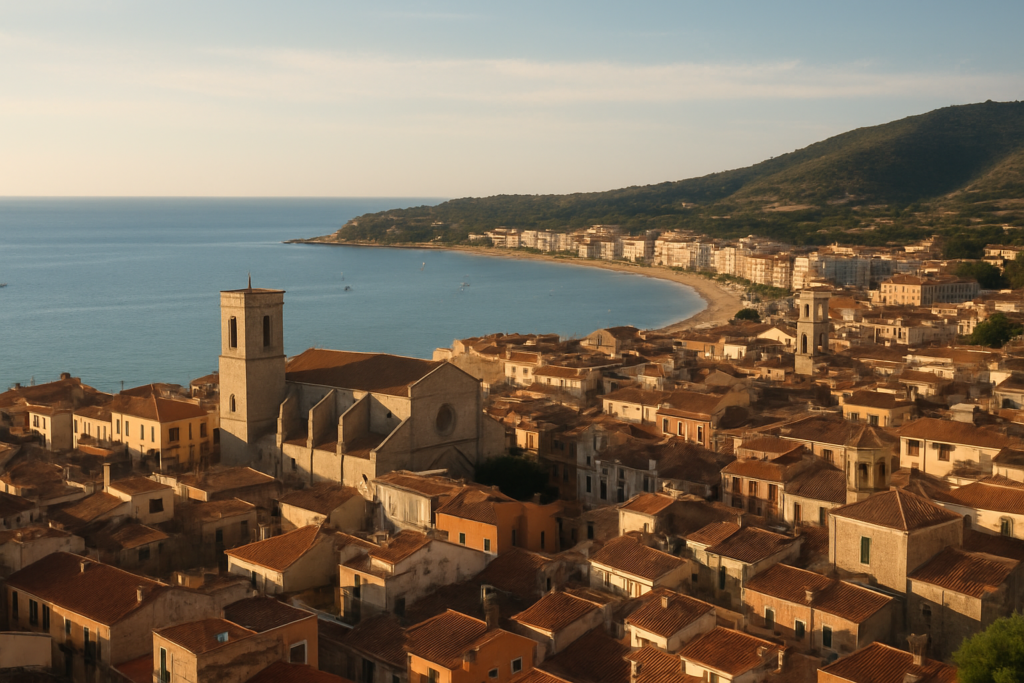
Figueres at a glance
- Principal inland gateway to the northern Costa Brava and capital of the Alt Empordà comarca.
- Easy rail access via the Figueres‑Vilafant high‑speed station linking to Barcelona and France.
- Mediterranean climate: hot, dry summers and mild winters — spring and autumn are comfortable for walking.
- Home to the Dalí Theatre‑Museum (Dalí’s birthplace is in the town and he is buried under the museum stage).
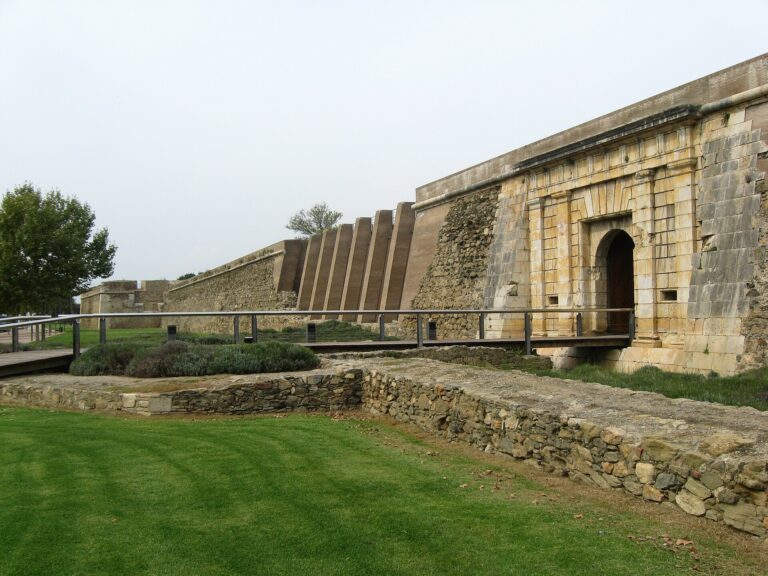
- Dominated by Sant Ferran Castle, one of Europe’s largest bastioned fortresses from the 18th century.
- Good base for a Dalí trail that includes Portlligat (Cadaqués) and Púbol.
- Rambla: the central, tree‑lined promenade and social heart of the town.
Before you plan
There are no verified closures or major redevelopment warnings in our source set. Major attractions such as the Dalí Theatre‑Museum and Sant Ferran Castle are established institutions; always check their official channels for temporary closures or special‑event restrictions before you travel.
Things to do in Figueres
Art, history and a compact town centre make for straightforward, walkable sightseeing. Most visits revolve around the Dalí Theatre‑Museum, but allow time for the local museums, the fortifications and a relaxed café stop on the Rambla. If you have a car, the town doubles as a practical launching point for the Empordà coast and wine country.
| Attraction | What it is | Price/entry | Best for |
|---|---|---|---|
| Dalí Theatre‑Museum (Teatre‑Museu Dalí) | Museum housing the world’s largest collection of Salvador Dalí’s works, designed by Dalí on the old municipal theatre site; opened 1974 | — | Fans of surrealism and modern art |
| Sant Ferran Castle | Large 18th‑century bastioned fortress overlooking the town | — | Military history and panoramic views |
| Museu del Joguet de Catalunya | Toy museum displaying thousands of historic toys, including items once owned by Dalí and Miró | — | Families, nostalgia and design history |
| Museu de l’Empordà | Regional museum of art and archaeology spanning Greek and Roman times to the present | — | Regional history and archaeology |
| Rambla | Tree‑lined central promenade lined with cafés — the everyday social hub | Free | Casual walking and people‑watching |
| Sant Pere church | Main Gothic church of the town; Dalí was baptised here | — | Religious architecture and local history |
Dalí Theatre‑Museum: the essential stop
The Dalí Theatre‑Museum is the cultural heart of town—Dalí designed it himself and chose its location on the footprint of the former municipal theatre. It contains an exceptional concentration of his works and the artist’s own theatrical touch runs through the displays. For most visitors this single museum justifies the trip and anchors any Dalí trail through the Empordà.
Sant Ferran Castle and the military landscape
The 18th‑century bastioned fortress dominates the skyline and explains the town’s strategic inland role. It’s one of the largest of its kind in Europe, and even from the outside its scale is a good reminder that Figueres was a frontier town for centuries. Combine a visit here with a walk down to the Rambla for a contrast between military architecture and everyday civic life.
Museums that broaden the story
Beyond Dalí you’ll find at least two museums that add context: the Museu de l’Empordà offers a sweep of regional art and archaeology from antiquity to modern times; the Toy Museum of Catalonia displays thousands of historic toys, some with direct links to Dalí and Miró. Together they give a fuller picture of local culture and artistic lineage.
Best beaches in the area
The town itself is inland, so the shoreline is not a feature of the local walk. However, the northern Costa Brava’s beaches and resort towns are an easy drive away if your plans combine art and coast.
| Beach / Resort | Character | Distance from town |
|---|---|---|
| Roses | Large resort town with sandy beaches and tourist amenities | Approximately 20–25 km |
| Cadaqués / Portlligat | Picturesque coastal village and Dalí’s house at Portlligat | Approximately 20–25 km |
Figueres with kids
The town is surprisingly child‑friendly for its size. The Toy Museum is an obvious draw, with large displays that appeal to younger visitors and parents alike. The Dalí Museum can captivate older children and teenagers with its theatrical installations, though younger kids may find some of the surreal imagery puzzling. The Rambla offers relaxed cafés and gelato stops, and short walking distances between sights make it easy to manage a family day out without long transfers.
How to get to Figueres and get around
Rail is a practical option: the Figueres‑Vilafant high‑speed (AVE) station connects the town to Barcelona and onward to France, making it possible to arrive without a car. Once in town, most attractions are concentrated in or close to the centre around the Rambla and the Dalí Museum, so walking covers the essentials.
Where to stay
Your choice of neighbourhood should reflect whether you prioritise museum visits, nightlife, or a quiet base for coastal day trips.
- Old town / near the Rambla — best for walking to cafés, shops and the Dalí Museum; compact and convenient.
- Near Sant Ferran Castle — suits visitors who want proximity to the fortress and a slightly quieter setting.
- Outskirts / near the AVE station — practical if you’re arriving or departing by high‑speed train or combining the town with longer drives through the Empordà.
Best time to visit
The climate in this part of Catalonia is Mediterranean, with hot dry summers and mild winters. Spring and autumn are the most comfortable seasons for walking and sightseeing; summer can be hot and is the busiest season for coastal day‑trips.
| Season | Months | What to expect |
|---|---|---|
| Spring | March–May | Comfortable temperatures for walking and museum visits |
| Summer | June–August | Hotter weather; busier for coastal excursions |
| Autumn | September–November | Warm and pleasant; good for exploring the Dalí trail |
| Winter | December–February | Milder winters — quieter tourism but museums remain the main draw |
History of Figueres
The town’s modern identity is inseparable from Salvador Dalí: born here in 1904, he later designed the Dalí Theatre‑Museum on the site of the old municipal theatre and opened it in 1974. He is buried in a crypt beneath the museum’s stage, which has made the site a major cultural landmark. Historically, Figueres was also a strategic frontier town — the enormous Sant Ferran Castle dates from the 18th century and reflects the military importance of the location. Over time it evolved into the administrative capital of the Alt Empordà comarca and the principal inland gateway to the northern Costa Brava.
Practical info
- Transport connections: served by the Figueres‑Vilafant high‑speed rail station with connections to Barcelona and France; the town is roughly 40 km north of Girona and 20–25 km inland from nearby coastal resorts.
- Climate: Mediterranean — expect hot dry summers and mild winters; spring and autumn are the most pleasant for on‑foot exploration.
- Walking: the town centre and major museums are compact and walkable; the Rambla functions as the main pedestrian artery lined with cafés.
- Food and drink: the Rambla and surrounding streets host the majority of cafés and restaurants, ideal for breaks between museum stops.
- Language: Catalan and Spanish are commonly used; signage and museum information are often available in Catalan, Spanish and other major European languages at large institutions.
Worth it for: anyone on a Dalí trail, fans of surrealism and visitors who appreciate compact cultural centres with excellent museums. Less so if: your trip is only about beaches — consider staying on the coast and visiting the town as a day trip instead.
How we assess this guide
We compiled this guide from verified, cross‑checked sources about the town’s museums, transport links and geography. We flag closures or major changes when confirmed data is available. This is an editorial synthesis rather than first‑hand field reporting; where exact opening hours, ticket prices or seasonal schedules are relevant, consult the official sites of museums and transport providers before you travel.
Nearby on the Costa Brava
Towns near Figueres
- Roses — 19 km east
- Besalú — 22 km west, one of Catalonia's best-preserved medieval towns
- Banyoles — 22 km south-west, The Estany de Banyoles is the biggest natural lake
- Escala — 23 km south-east, the Greek and Roman ruins of Empuries, salted anchovies
- Cadaqués — 27 km east
- Torroella de Montgrí — 29 km south-east
Places to visit within reach
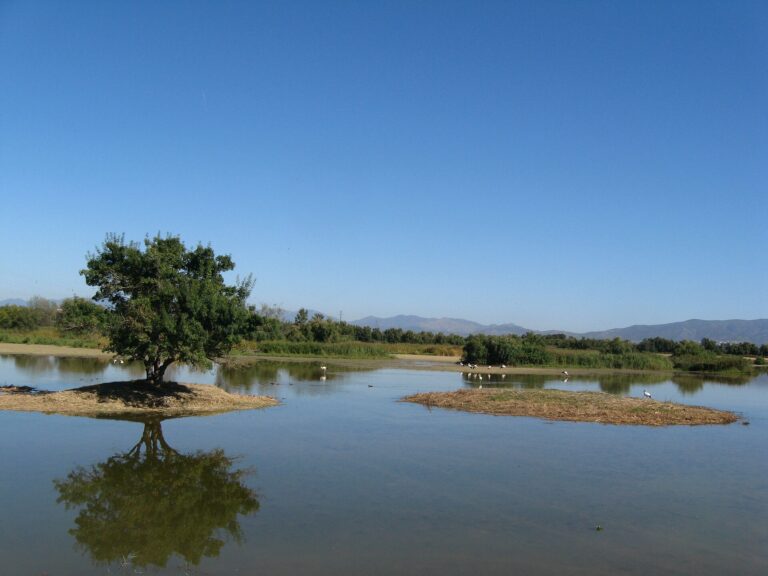
- Aiguamolls de l'Empordà Natural Park — 14 km, Aiguamolls de l’Empordà was drained as malarial swampland, then deliberately rebuilt
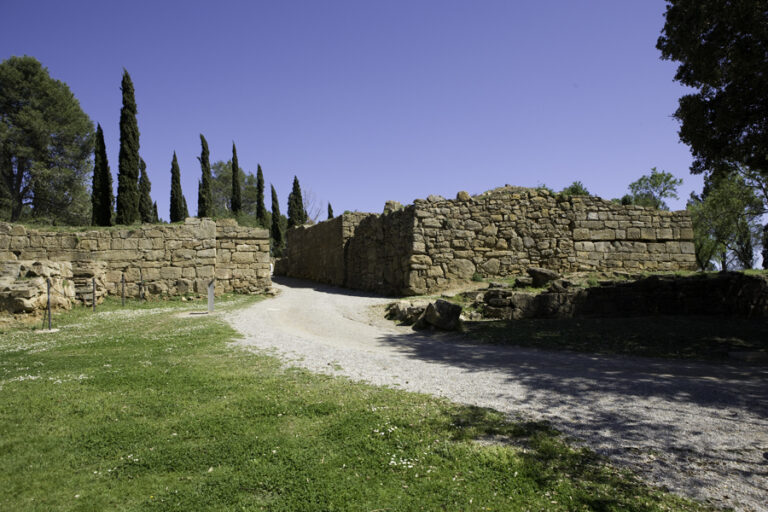
- Ciutadella de Roses — 18 km, The Ciutadella de Roses encloses 2,300 years of layered history
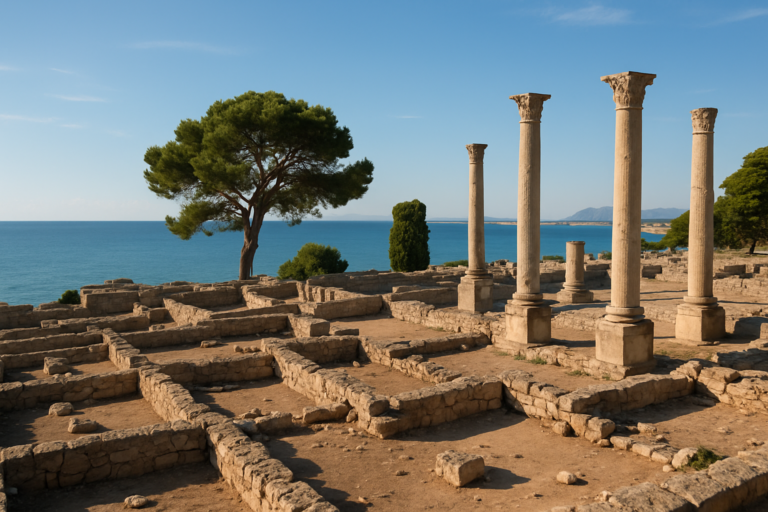
- Empúries — 20 km, Empúries is a Greco-Roman archaeological site beside the sea near L’Escala
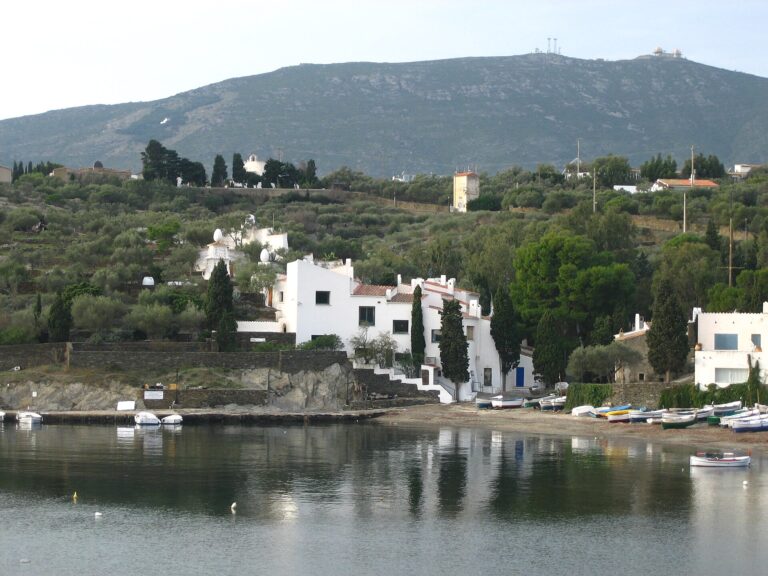
- Salvador Dalí House Museum — 28 km, Dalí’s house in Portlligat grew from a single fisherman’s hut
For the wider picture, see the Costa Brava guide, which lists every town on this coast.
Frequently asked questions
How do I get from the nearest major airport?
The town sits about 40 km north of Girona city, so Girona’s airport is the nearest major airport in that direction; the town is also well connected by high‑speed rail to Barcelona, so many travellers use Barcelona’s airports and continue by train. Consult rail timetables for Figueres‑Vilafant AVE connections.
Is Figueres expensive to visit?
There are no authoritative cost figures in our sources. The town’s museums and cafés position it as a mainstream cultural destination rather than a luxury resort; costs will vary with season and choice of restaurants or accommodation. Budget options are typical of a small Catalan town, with some higher‑end choices aimed at visitors to the Dalí Museum.
Which beach is best if I want a coastal day?
Nearby coastal options include the resort of Roses and the picturesque village of Cadaqués (with Dalí’s Portlligat nearby). Both are roughly 20–25 km from the town and are commonly paired with inland visits.
How many days should I spend here?
A single full day covers the essentials: the Dalí Theatre‑Museum plus a walk on the Rambla and one other museum. Two to three days let you explore Sant Ferran Castle more calmly and use the town as a base for Portlligat/ Cadaqués or wine routes in the Empordà.
Is the town suitable for families?
Yes. The Toy Museum is a clear family highlight, and the compact centre makes it easy to manage children between museums and cafés. The Dalí Museum is engaging for older children with an interest in art or theatrical displays.
Can I get around without a car?
Absolutely. The town centre is compact and walkable; the high‑speed rail station provides wider connectivity. For coastal excursions and rural wineries you’ll find a car useful, but many day trips can be arranged via public transport or organised tours.
Are parking and accessibility good?
Our sources confirm the town is a regional transport hub with a high‑speed station and compact centre; specific parking facilities and detailed accessibility information should be checked with local municipal resources or individual attractions prior to arrival.
What are good rainy‑day options?
Museums are the primary indoor attractions: the Dalí Theatre‑Museum, the Museu de l’Empordà and the Toy Museum provide substantial indoor visiting time and interpretive displays.
When is the best season to visit?
For comfortable walking and sightseeing, spring and autumn are the best seasons. Summers give hotter temperatures and an increased number of day‑trippers from the coast.
How close is the Dalí house at Portlligat?
The house at Portlligat near Cadaqués is part of the common Dalí itinerary from the town; it lies on the Costa Brava coast roughly 20–25 km from the inland centre, making the town a practical base for a day trip or multi‑day Dalí trail.
Can I visit Sant Ferran Castle?
Yes — the castle is a notable historical site and one of Europe’s largest fortresses of its type from the 18th century. For visitor access details and guided tours, consult the site’s official information before you travel.
Does the town have vineyards or wine tasting?
The surrounding Empordà region is known for DO Empordà wines. The town is often used as a base for exploration of the local wine scene; for specific wineries, tours and tasting appointments, contact regional wine tourism providers.
Is the Tramuntana wind a factor here?
The Empordà region experiences the Tramuntana wind which shapes the landscape and local weather patterns. It can be noticeable, particularly when travelling toward the coastal ranges.
Are there multi‑site Dalí itineraries from the town?
Yes. The town is a practical base for a Dalí trail that typically combines the Theatre‑Museum with his house at Portlligat and the Gala Dalí Castle at Púbol.
Plan the wider trip
- Costa Brava travel guide
- Maçanet de la Selva: Castle Ruins and Selva Countryside
- Riudarenes: Rural Selva Village Near the Costa Brava
- Sant Hilari Sacalm: Spa Town in the Guilleries Hills
- Girona city guide
- Roses beach guide
Figueres on the map
Places worth knowing near Figueres
How this page is maintained. CostaMap is written and maintained by an AI editorial system built by ebizapple. Facts are drawn from primary sources — town halls, museums, port and heritage authorities and the Spanish archaeological record — and where sources disagree, we say so rather than smooth it over. Photographs marked as ours are taken on location. This page was last reviewed on 15 August 2026. Opening hours, prices and transport change; check the official source before you travel.