
Expect a town that wears its history loudly: a fortified medieval silhouette, a dense Baroque centre of palaces and churches, and a living Semana Santa tradition whose embroidered banners still draw attention. Restoration after the 2011 earthquake has changed how some monuments look and how you experience them — the best visits come from understanding that much of what you’ll see was repaired or adapted rather than untouched medieval fabric.
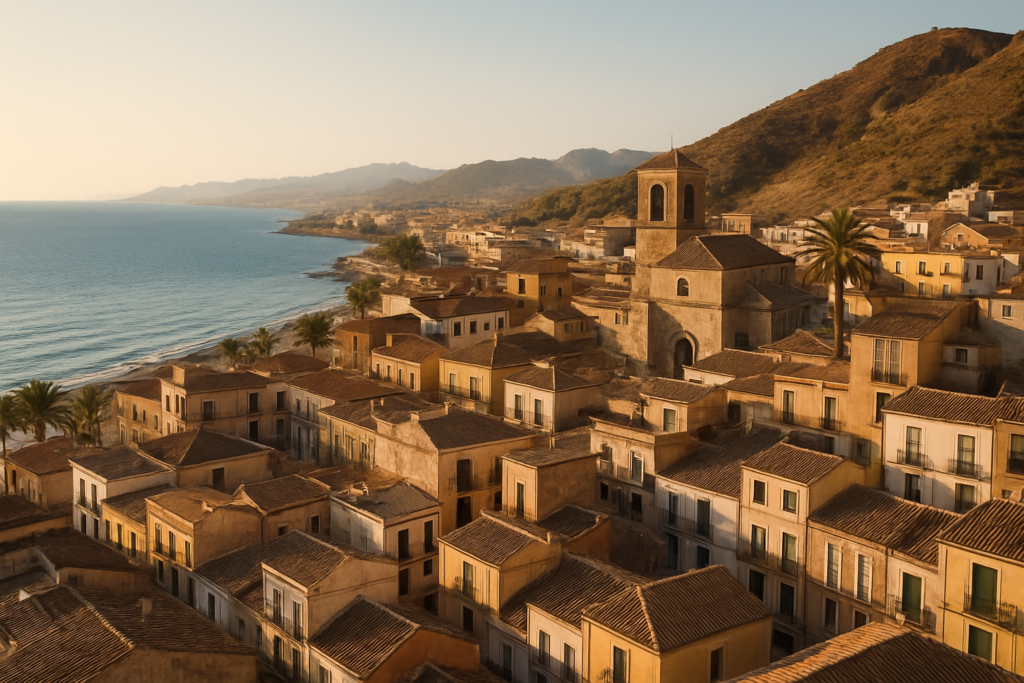
Lorca at a glance
- Historic inland city in the Guadalentín valley, about 60 km southwest of Murcia.
- Dominated by the Fortress of the Sun (Lorca Castle) with prominent towers and a medieval footprint.
- Known locally as a centre of Baroque architecture, focused on the Plaza de España and the Colegiata de San Patricio.
- Famous Semana Santa tradition featuring elaborately embroidered silk banners and rivalry between Paso Azul and Paso Blanco brotherhoods.
- Hot, dry Mediterranean climate with very warm summers — plan for heat if visiting mid-summer.
- Connected by both motorway and rail to Murcia and to the Costa Cálida coast near Águilas and Mazarrón.
- Unique local crafts include the Lorca embroidery workshops that make the Holy Week banners.
Before you plan
The city was struck by a damaging earthquake in 2011; many historic monuments were subsequently restored. Expect to encounter restored fabric, structural reinforcements and sites that have been adapted during repair work rather than untouched pre‑2011 originals. Check local opening-status updates for major monuments before you travel.
Things to do in the town
The town is best experienced as a walkable sequence of historic highlights: a castle complex set above the streets, a compact Baroque centre with churches and palaces, and pockets of living tradition — especially around Holy Week. Most visits cluster between the castle and the Plaza de España, so plan routes that give the fortress and the old town separate time slots rather than trying to rush both in an afternoon.
| Attraction | What it is | Price/entry | Best for |
|---|---|---|---|
| Fortaleza del Sol (Lorca Castle) | Large medieval fortress with two prominent towers overlooking the city | – | History and panoramic views |
| Colegiata de San Patricio (Collegiate Church) | Major Renaissance and Baroque church on the main square | – | Baroque architecture and religious art |
| Baroque palaces and noble houses | Cluster of ornate facades and interior courtyards in the old town | – | Architecture and strolling |
| Semana Santa embroidery workshops | Traditional workshops producing embroidered silk banners for Holy Week | – | Cultural craft and textile enthusiasts |
| Medieval Jewish quarter & synagogue remains | Archaeological remains discovered within the castle grounds | – | Archaeology and medieval urban history |
The Fortress of the Sun — big-picture visit
Perched above the town, the fortress is the single most visible monument and gives context to the layout of the streets below. Its two prominent towers define the skyline and the site includes layers of medieval, later defensive and archaeological elements. Allow time to appreciate views over the Guadalentín valley as well as the fortress fabric; restoration after the 2011 earthquake means some parts were rebuilt or shored up in recent years.
The Colegiata and the Plaza
At the heart of the old town, the collegiate church anchors the main square and forms part of what visitors call the Baroque core. The surrounding streets are where most of the ornate palaces and noble houses cluster; a slow, meandering loop here gives you the best sense of why the place is described as the Baroque city.
Semana Santa, banners and embroidery workshops
Holy Week here is a cultural highlight: the town’s embroidered silk banners are distinctive and the rivalry between Paso Azul and Paso Blanco brotherhoods shapes celebrations. The embroidery workshops that make the banners are recognised as a distinctive local art form, and viewing examples or workshops gives insight into a living craft that remains central to the town’s civic identity.
Best beaches in the region
Lorca itself is inland, but it makes an easy cultural counterpoint to the Costa Cálida shore. If you want a combined trip — historic town and Mediterranean beach — head down the motorway or rail links toward the coast.
| Beach Area | Character | Facilities/Blue Flag |
|---|---|---|
| Águilas coast | Coastline with a range of beaches and coves near the town of Águilas | – |
| Mazarrón coast | Beaches and bays around Mazarrón, popular for day trips from inland | – |
Lorca with kids
Families who enjoy hands-on history and short walks do well here. The castle and archaeological areas capture children’s imaginations and the compact old town is manageable on foot. However, this is not a theme-park destination; plan activity breaks, and be mindful of hot summer temperatures when scheduling outdoor visits with younger children.
How to get to the area and get around
Connectivity is one of the town’s advantages relative to more isolated inland settlements. The town lies on motorway and rail routes that link it with the city of Murcia and the coastal resorts of the Costa Cálida, making single-day excursions to or from the coast practical.
| From | By | Approx time |
|---|---|---|
| Murcia | Motorway / rail | – |
| Costa Cálida (Águilas / Mazarrón) | Motorway / rail | – |
Where to stay in the town
Accommodation clusters around a few sensible areas. Choose according to what you want to prioritise.
- Old town around Plaza de España — best for being within easy walking distance of churches, palaces and the collegiate church.
- Near the castle — convenient for early-morning castle visits and panoramic views; expect a hillier approach.
- Suburban fringes — quieter and easier if you are driving to explore the wider Guadalentín valley or heading to coastal destinations.
Best time to visit the town
The climate is hot and dry, so timing your visit around the strongest summer heat will affect comfort. Spring and autumn typically offer milder conditions for walking the streets and visiting archaeological sites. If Holy Week (Semana Santa) is a priority, plan specifically for that period to experience the embroidered banners and processions.
| Season | Months | What to expect |
|---|---|---|
| Spring | – | Milder temperatures suitable for walking and sightseeing |
| Summer | – | Very warm to hot; expect strong sun and plan for shade and hydration |
| Autumn | – | Cooling temperatures and comfortable conditions for exploring |
History of the town
The city has a layered past visible in its urban fabric: a fortified medieval castle that crowns the town, evidence of a medieval Jewish quarter and synagogue within the castle grounds, and an especially strong Baroque imprint in the old town’s palaces, churches and noble houses. This Baroque identity coalesces around the Plaza de España and the collegiate church of San Patricio. The 2011 earthquake is a recent watershed in that narrative — many historic monuments were substantially restored after the damage.
Practical info
- Climate and clothing: prepare for a hot, dry Mediterranean climate with very warm summers; breathable clothing, sun protection and water are essential during the hotter months.
- Transport links: the town is served by motorway and rail connections to Murcia and to the Costa Cálida beaches around Águilas and Mazarrón — useful for combining culture and coast.
- Heritage status: many of the town’s major monuments were restored following the 2011 earthquake; some sites may present modern interventions or reinforcements as part of repairs.
- Local crafts: embroidery workshops producing Holy Week banners are recognised as a distinct local art form and are a cultural highlight rather than a commercial souvenir industry in the common tourist sense.
Worth it for: people who prioritise historic architecture, Baroque churches and palaces, a major fortress to explore, and authentic Holy Week traditions with distinctive embroidered banners. Less so if: your trip is beach-first and you want a seaside resort experience without inland travel; the town is an inland cultural stop rather than a seaside destination.
How we assess this guide
This guide is compiled from cross‑checked, authoritative sources on the town’s heritage, climate and transport links. We flag the 2011 earthquake and the subsequent restorations because they materially affect how the monuments appear today. We do not present field reporting; readers should verify opening times and current access before travel, especially for major restored sites.
Nearby on the Costa Cálida
Towns near Lorca
- Totana — 20 km north-east, a gateway to the forested Sierra Espuna mountains
- Alhama de Murcia — 30 km north-east, an old thermal-spa town with a hilltop castle and gateway
- Águilas — 33 km south
- Mazarrón — 35 km east
- Huércal-Overa — 39 km south-west, the market town of Almería's Almanzora Valley
- Mula — 44 km north-east, Holy Week tamboradas drumming, thermal baths and Neolithic heritage
Places to visit within reach
- Gredas de Bolnuevo — 35 km, The Gredas de Bolnuevo are pale sandstone formations eroded by wind
- Phoenician Shipwrecks of Mazarrón — 40 km, The Mazarrón shipwrecks yielded the earliest true anchor ever found
- Puerto de Mazarrón — 41 km, Puerto de Mazarrón is a working fishing town with sandy bays
For the wider picture, see the Costa Cálida guide, which lists every town on this coast.
Frequently asked questions
How do I get from Murcia to Lorca?
The town is connected to Murcia by motorway and rail; these connections make arriving from the regional city straightforward. Check current schedules for rail departures and motorway conditions before you travel.
Is the town expensive to visit?
Price levels are not specified in our sources. The town’s appeal is historical and cultural rather than luxury tourism, so visitors typically combine modest local services with sightseeing. For exact prices and costs, consult current local resources.
Which nearby beach is best for a day trip?
Coastal options include the beaches around Águilas and Mazarrón on the Costa Cálida. These are the principal coastal destinations mentioned as practical day-trip complements to the inland visit.
How many days should I allow to see the highlights?
A concentrated two-day visit covers the fortress, the Baroque old town and time to see embroidery workshops or Holy Week exhibits if available. Allow extra time if you want a relaxed pace or to add a coastal day trip.
Is the town good for a family trip with kids?
Yes for families who enjoy historic sites and short walks: the castle and archaeological remains are engaging, and the old town is compact. Be cautious with heat during the summer months and plan rest breaks.
Can I get around without a car?
Yes. The town’s main sights are walkable within the old centre, and it has rail and motorway links to regional destinations. For excursions beyond town limits, a car may be more convenient.
Is parking a problem?
Parking details are not specified in the source material. Many visitors who drive choose accommodation on the suburban fringes if easy parking is a priority.
What should I do if it’s a rainy day?
Rain is not emphasised in the climate data provided; the area has a hot, dry Mediterranean climate. If you encounter wet weather, focus on indoor visits such as churches, palaces and workshops.
When is Holy Week and is it worth planning around?
Holy Week is a cultural high point in this town, notable for its embroidered silk banners and the rivalry between Paso Azul and Paso Blanco brotherhoods. If you want to see these traditions, plan to visit specifically for Holy Week and check local programme dates.
How did the 2011 earthquake affect visits?
The 2011 earthquake caused significant damage and led to extensive restoration of historic monuments. Expect restored or adapted elements at many major sites; some interventions are structural and visible as part of post‑2011 repairs.
Are there any archaeology or Jewish heritage sites to see?
Yes. Within the castle grounds, remains of a medieval Jewish quarter and a synagogue were discovered and form part of the site’s archaeological interest.
Is the embroidery tradition still active?
Yes. The embroidery workshops that produce the Holy Week banners are recognised as a distinctive local art form and continue to be part of the town’s cultural life.
Are the castle and main church open to visitors?
Both the fortress and the collegiate church are principal attractions. Because many monuments were restored after the 2011 earthquake, check current opening statuses and visitor information with local sources before you travel.
Can I combine a visit to the town with the Costa Cálida beaches?
Yes. The town forms an inland heritage counterpoint to the Costa Cálida coast; motorway and rail links connect it to coastal towns such as Águilas and Mazarrón for combined itineraries.
Is this place known by any nickname or theme?
It is often referred to for its Baroque heritage — local descriptions frequently call it the Baroque city, centred on the Plaza de España and the Colegiata de San Patricio.
Plan the wider trip
- Costa Cálida travel guide
- Caravaca de la Cruz: Spain's Holy Jubilee City
- Cehegín: Historic Marble Town in Northwest Murcia
- Cieza: Blossom Valley and Segura Gorge
- Águilas guide
- Cartagena guide
Lorca on the map
How this page is maintained. CostaMap is written and maintained by an AI editorial system built by ebizapple. Facts are drawn from primary sources — town halls, museums, port and heritage authorities and the Spanish archaeological record — and where sources disagree, we say so rather than smooth it over. Photographs marked as ours are taken on location. This page was last reviewed on 15 August 2026. Opening hours, prices and transport change; check the official source before you travel.