
Expect a small, intensely devotional hill town where religious ritual, medieval stonework and local pride shape what you’ll see and when it matters most. This is a place defined less by sun-and-sand tourism and more by a living set of traditions—the relic, the hilltop sanctuary, dramatic May rites—that can feel otherworldly if you arrive at the right moment and bewilderingly quiet if you visit on an ordinary weekday. Plan around the events you want to experience; otherwise treat visits as a compact mix of fortress architecture, narrow streets and rural Murcia scenery.
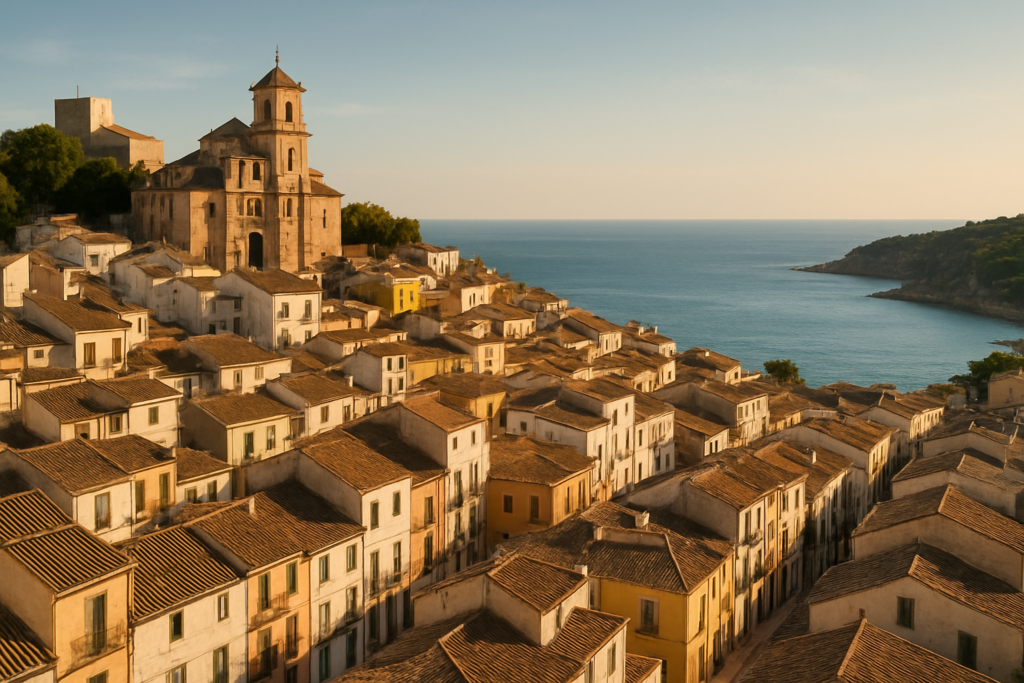
Caravaca de la Cruz at a glance
- Known for a relic called the Caravaca Cross (Lignum Crucis) housed in a basilica‑sanctuary atop a fortified hill.
- Hosts the Fiestas de la Santísima y Vera Cruz every 1–5 May, with a central Baño de la Cruz on 3 May.
- Endpoint of the Camino de la Cruz de Caravaca pilgrimage trail.
- Home to the UNESCO‑recognised Caballos del Vino horse ritual during the May festivities.
- Sited in Murcia’s mountainous Noroeste comarca — a base for rural tourism and hiking in nearby river valleys.
- One of five places granted a perpetual Jubilee Year by the Catholic Church, celebrated every seven years.
- Museo de la Vera Cruz presents the history of the relic and the town’s ceremonial costumes and rituals.
Things to do in Caravaca de la Cruz
A compact itinerary concentrates on a single hilltop ensemble (basilica, castle, walls) plus the old town’s churches and the museum that explains why locals put so much into a few days of the year. Outside town there’s calm countryside for walks where the Argos and Quípar river valleys thread through the landscape.
| Attraction | What it is | Price/entry | Best for |
|---|---|---|---|
| Basílica‑Santuario de la Vera Cruz | Sanctuary housing the Caravaca Cross inside a medieval fortress | — | Religious history, architecture, pilgrimage visitors |
| Museo de la Vera Cruz | Museum documenting the relic, costumes and rituals of the town’s May festivities | — | Cultural context, festival history, costume displays |
| Old town churches & mansions | Baroque parish churches and Renaissance‑fronted noble houses | — | Architecture walkers, photographers |
| Caballos del Vino (festival event) | Embroidered horses racing up to the castle; UNESCO‑recognised tradition | — | Festival spectators, cultural-heritage enthusiasts |
Basílica‑Sanctuary and fortress complex
Climb the walled hill for the most concentrated experience: the sanctuary sits within a medieval fortress whose walls and towers date to the 14th–15th centuries. The setting is the reason the site was fortified; successive military orders maintained it. Inside, the relic known as the Caravaca Cross gives the place its spiritual magnetism and explains the pilgrim traffic—and the perpetual Jubilee status that elevates the town within Catholic routes.
Museo de la Vera Cruz and the town’s ritual wardrobe
The local museum brings the town’s festivals into focus. Its displays trace the relic’s role and the material culture around the May celebrations: costumes, banners and the paraphernalia used in processions and rites. If you want to understand the why behind the spectacle, this small museum is the most direct route.
Walking the old town: churches and noble fronts
Below the castle, the old town is a compact area of Baroque churches and noble mansions. One notable façade to look for is the Renaissance front of the Iglesia de El Salvador amid the narrow streets. Wandering here fills the gaps between fortress visits and gives a sense of how religious and civic life intertwined in the town’s built fabric.
Festivals and pilgrimage (what to expect)
If your visit coincides with the first week of May you will see the town at its busiest and most theatrical. Otherwise the rites remain the town’s defining calendar items even when quieter.
- The Fiestas de la Santísima y Vera Cruz run each year from 1 to 5 May and are among the region’s most important celebrations.
- On 3 May a ceremonial Baño de la Cruz (Bath of the Cross) immerses the relic to bless waters and fields; this ritual is central to local tradition.
- The Caballos del Vino (Wine Horses) — embroidered horses raced up to the castle — is recognised by UNESCO as Intangible Cultural Heritage of Humanity.
- Parades of Moros y Cristianos re‑enact the frontier history between Christian and Muslim rule and feature across the festival programme.
Best beaches in the area
Caravaca de la Cruz is inland in Murcia’s mountainous Noroeste, so seaside beaches are not a local feature. For Mediterranean beaches you must travel out of the interior toward the coastal parts of the Murcia region.
Caravaca de la Cruz with kids
The town can work for families who enjoy compact, walkable historic centres and lively festivals. Children who like stories of knights, castles and processions will find the fortified hill and the pageantry of May entertaining. The museum’s costume displays provide visual interest for younger visitors. However, this is not a theme‑park destination; plan for short, interleaved activities and clear expectations about walking and crowds during festival days.
How to get to the town and get around
The town sits in Murcia’s inland hills and is best explored on foot once you’re inside the historic centre. The streets around the fortress are pedestrian‑focused and compact; use the lower streets to approach the hill gradually. For excursions into the surrounding countryside, private transport or organised rural tours will be convenient.
Best time to visit Caravaca de la Cruz
The single most important date cluster is the first week of May, when the town’s identity and public life are on full display. Outside that brief peak the town is substantially quieter; spring and autumn are naturally comfortable months for walking in the surrounding valleys.
| Season | Months | What to expect |
|---|---|---|
| Festival peak | 1–5 May | Major crowds, Caballos del Vino, Baño de la Cruz and Moros y Cristianos processions |
| Spring / Autumn | — | Milder temperatures good for walking and rural outings; town quieter outside festival dates |
History of the town
The sanctuary’s hill has been fortified since the medieval period. The fortress complex that crowns the town was held by the Knights Templar and later by the Order of Santiago; its walls and towers are principally 14th–15th‑century masonry. The town’s spiritual prominence rests on the Caravaca Cross, a relic said to contain a fragment of the True Cross, and on the unique status that grants the place a perpetual Jubilee Year — an honour shared with a handful of the world’s most significant pilgrimage centres.
Practical info
Caravaca’s centre concentrates the attractions within a short walk of the sanctuary hill. Expect narrow streets and stepped approaches to the fortress; good footwear makes the hill easier. As an inland town, it is a hub for rural tourism in Murcia’s Noroeste comarca and a logical starting point for hikes around the Argos and Quípar river valleys. Museum visits and the sanctuary form the core daytime activities; festival visitors should allow extra time for processions and crowd movement.
Worth it for: visitors interested in Spanish religious culture and living festival traditions, pilgrims walking regional routes, lovers of medieval fortress architecture. Less so if: you’re seeking beaches or a seaside resort atmosphere, or if you prefer a tourist infrastructure of multiple museums and nightlife options; the town’s appeal is concentrated and seasonal.
How we assess this guide
This guide synthesises official and heritage sources about the town’s festivals, sanctuary, museum and historical status. We highlight fixed dates and named traditions and flag the months when the town’s public life is most active. We do not claim original field reporting; instead content is cross‑checked against verified records. When venues or events are seasonally bound we note dates to help planning, and we avoid presenting closed or defunct attractions as active.
Nearby on the Costa Cálida
Towns near Caravaca de la Cruz
- Cehegín — 6 km east
- Mula — 33 km east, Holy Week tamboradas drumming, thermal baths and Neolithic heritage
- Cieza — 41 km east, a Murcia Segura-valley town famous for its spring floración blossom
- Alhama de Murcia — 47 km south-east, an old thermal-spa town with a hilltop castle and gateway
- Totana — 49 km south-east, a gateway to the forested Sierra Espuna mountains
- Archena — 49 km east, The Balneario de Archena has taken the waters since Roman
For the wider picture, see the Costa Cálida guide, which lists every town on this coast.
Frequently asked questions
When are the main festivals in town?
The Fiestas de la Santísima y Vera Cruz take place each year from 1 to 5 May, with a key ceremony—the Baño de la Cruz—on 3 May.
What is the Baño de la Cruz?
The Baño de la Cruz is a ceremonial immersion of the relic on 3 May intended to bless waters and fields; it is a central ritual of the May celebrations.
What is the Caballos del Vino?
Caballos del Vino is a traditional event during the May festivities in which richly embroidered horses are carried or raced up to the castle; the practice is recognised by UNESCO as Intangible Cultural Heritage.
Is this place a pilgrimage destination?
Yes. The town is the endpoint of the Camino de la Cruz de Caravaca pilgrimage trail and holds special status within Catholic pilgrimage traditions.
Why is the Caravaca Cross important?
The Caravaca Cross, said to contain a fragment of the True Cross (Lignum Crucis), is the relic around which the town’s sanctuary and many of its rites are organised. It is also the source of a distinctive double‑barred cross symbol associated with the town.
What is a Jubilee Year here?
The town has been granted perpetual Jubilee status by the Catholic Church, which means it celebrates a full Holy Year every seven years. This status places it among a very small number of sites worldwide given similar privileges.
Where can I learn about the festival costumes and history?
The Museo de la Vera Cruz documents the relic’s history and displays the costumes and ritual objects used during the May festivities, offering the clearest curated context for the celebrations.
Are there beaches nearby?
No. The town is inland in Murcia’s mountainous Noroeste comarca; Mediterranean beaches require travel toward the coastal parts of the Murcia region.
Can I see medieval military architecture?
Yes. The sanctuary sits inside a medieval fortress with walls and towers dating to the 14th–15th centuries—remnants of the town’s defensive past under military orders.
Is the town family‑friendly?
Families enjoy the compact, walkable old town, the fortress theme and the visual spectacle of festivals. It’s best for children who like history and processions; it is not a child‑centred resort with play parks and theme attractions.
How many days should I plan for a visit?
Two to three days give time to see the hilltop complex, the museum and the old town at a comfortable pace. Festival visitors will want to stay through the main days of the first week of May.
Are the festival events accessible to the public?
Yes. The May events are public and central to the town’s cultural life, drawing local residents and visitors alike. Expect dense crowds on the principal days.
Is the Caballos del Vino a living tradition?
Yes. It remains a living, practiced ritual and has been recognised by UNESCO for its cultural significance.
Does the museum explain the relic’s provenance?
The Museo de la Vera Cruz presents the relic’s history and the ceremonial traditions tied to it, helping visitors understand the religious context of the town’s rites.
How walkable is the historic centre?
The historic centre is compact and best explored on foot; the approach to the sanctuary involves rising streets and fortified access, so sturdy shoes and moderate fitness are helpful.
Plan the wider trip
- Costa Cálida guide
- Águilas: Carnival Town & Bays of Costa Cálida
- Cehegín: Historic Marble Town in Northwest Murcia
- Fuente Álamo de Murcia: Inland Murcia Farming Town
- Murcia
- Cartagena
Caravaca De La Cruz on the map
How this page is maintained. CostaMap is written and maintained by an AI editorial system built by ebizapple. Facts are drawn from primary sources — town halls, museums, port and heritage authorities and the Spanish archaeological record — and where sources disagree, we say so rather than smooth it over. Photographs marked as ours are taken on location. This page was last reviewed on 15 August 2026. Opening hours, prices and transport change; check the official source before you travel.