
Expect a low-key, lived-in stretch of the Costa del Sol rather than a polished resort playground. This area mixes a working village on a hill, a marina lined with bars and restaurants, modest sandy beaches and a handful of quietly scenic attractions—vineyards, Roman thermal baths and a small coastal fort—that reward the curious traveller more than the sunbed-seeker. If you come with modest expectations and a willingness to stroll, you’ll enjoy the contrast with the busier resorts to the east.
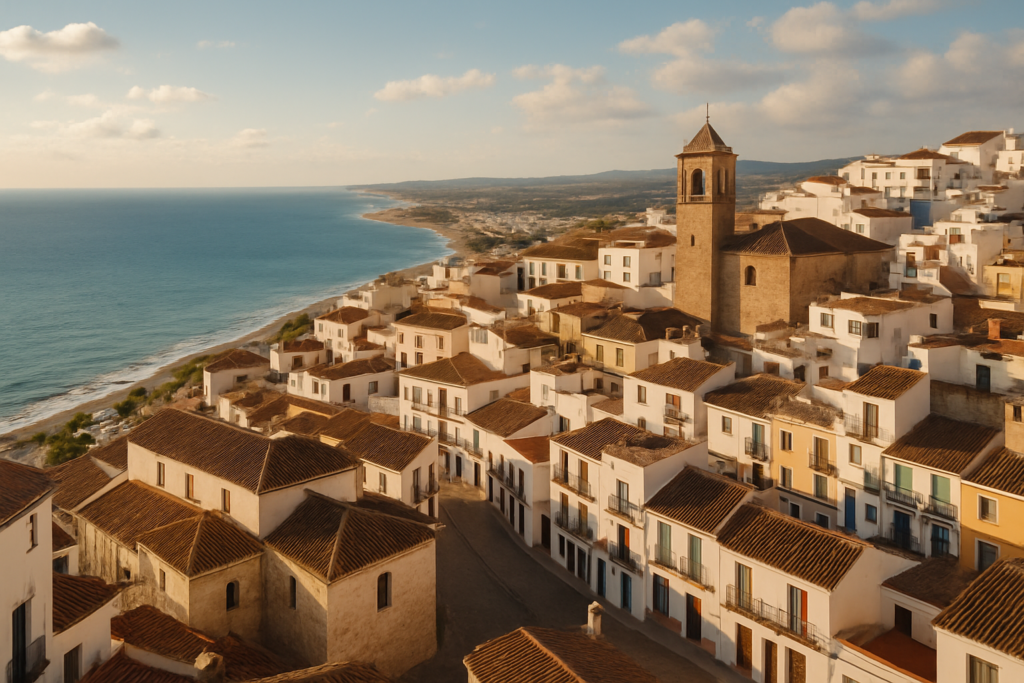
Manilva at a glance
- Coastal town with a marina hub (Puerto de la Duquesa) and a hilltop village overlooking vineyards and sea.
- Sandy main seafront at San Luis de Sabinillas plus smaller coves along the western Costa del Sol.
- Home to muscatel vineyards and an annual grape harvest festival celebrating the local wine tradition.
- Roman-era sulphur baths at la Hedionda, a site with a long historic reputation for thermal waters.
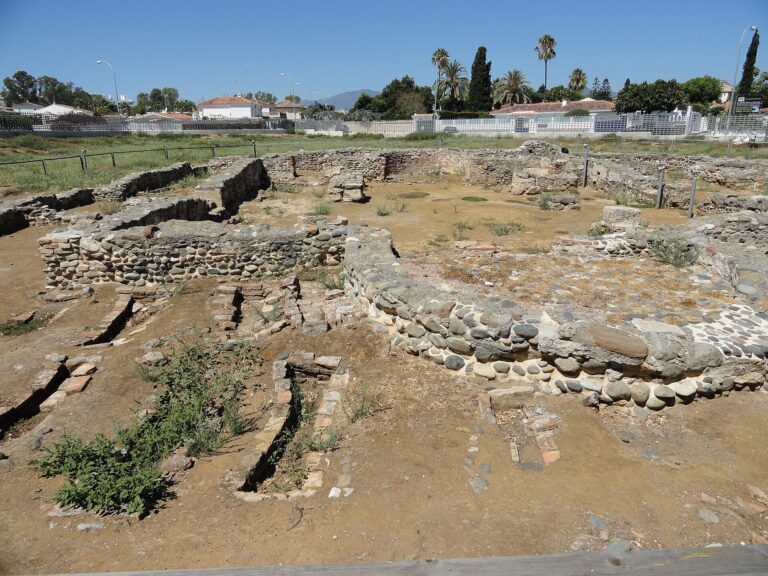
- Small 18th‑century Castillo de la Duquesa beside a Roman archaeological area near the marina.
- Reached from the coast by the A-7 motorway; about 35 km west of Marbella and close to Estepona.
- Views from coastal paths can reach Gibraltar and, on very clear days, the North African coast.
Things to do in Manilva
The attractions here are compact and walkable if you base yourself near the coast or the marina. Plan to mix short cultural stops with easy coastal walks and a lazy beach day; the pace is slow and there isn’t a long list of paid attractions, so time your visit to enjoy the outdoors and the local food scene.
| Attraction | What it is | Price/entry | Best for |
|---|---|---|---|
| Puerto de la Duquesa | Marina lined with restaurants and bars | – | Eating out, evening strolls |
| Castillo de la Duquesa | Small 18th‑century coastal fort beside a Roman archaeological site | – | History buffs, short visits |
| La Hedionda | Roman sulphur baths — historic thermal baths | – | Heritage interest, curious walkers |
| Coastal walks | Trails and promenades with sea views toward Gibraltar and North Africa | – | Photography, active walkers |
The marina and seafront dining
Start with the waterfront at Puerto de la Duquesa: the marina is the social centre where restaurants and bars cluster along the water. It’s the natural place for an early-evening stroll when the sea breeze picks up and the lights come on.
Castillo de la Duquesa and the Roman site
Close to the marina stands a modest coastal fort from the 18th century. It occupies an area where Roman remains have also been found, so a short visit combines two layers of coastal history in a compact setting without a long walk between them.
La Hedionda — the Roman sulphur baths
South of the village is a thermal site reputedly used since Roman times. The baths are part of the area’s ancient past and are of particular interest if you’re following the region’s historic hydrology and spa traditions.
Best beaches in Manilva
This part of the coast mixes a main sandy seafront with smaller, pebble-edged coves; it suits swimmers and people who want a quieter beach day rather than a large, serviced resort strip.
| Beach | Character | Facilities / Blue Flag |
|---|---|---|
| Playa de Sabinillas | Main sandy seafront adjacent to the residential and promenaded area of San Luis de Sabinillas | – |
| Local coves | Smaller coves along the western Costa del Sol, quieter and more sheltered | – |
Manilva with kids
Families will find the calm marina promenades and the broad, gentle beach at San Luis de Sabinillas well suited to children who like paddling and easy dining options. The castle is small and manageable for short family visits, and the open coastal paths allow easy, stroller-friendly walking in several stretches. There aren’t large theme parks inside the town, so if you need lively children’s attractions you’ll find more options in larger neighbouring resorts.
How to get to Manilva and get around
Access is straightforward by road along the southern coast. The town’s layout clusters the marina, main beach and restaurants together while a compact inland village sits on a hill—short drives or local taxis bridge the small distances if you don’t want to walk.
| From | By | Approx time |
|---|---|---|
| Marbella | Car via the A-7 coastal motorway | – |
| Estepona | Car or local road links along the western Costa del Sol | – |
Where to stay in Manilva
There are two clear bases to consider, each with a different feel and practical advantages.
- San Luis de Sabinillas — the main beach and residential strip: best if you want easy access to the sand, local shops and a seaside promenade.
- Near Puerto de la Duquesa — choose this if you prioritise restaurant variety and evening waterside ambiance.
- The hilltop village — stay inland for a quieter, more local experience with vineyard views and proximity to rural walking.
Best time to visit Manilva
The local climate follows the Mediterranean pattern typical of the Costa del Sol: long warm summers and gentle winters. That weather profile makes much of the year suitable for walking, dining outdoors and short coastal excursions; late spring and early autumn offer warm conditions with fewer crowds than midsummer.
| Season | Months | What to expect |
|---|---|---|
| Spring | – | Warm days and good for walks and vineyards |
| Summer | – | Long warm days for beach time; busiest season |
| Autumn | – | Harvest season for local muscatel vineyards and related festivities |
| Winter | – | Mild conditions suitable for off-season visits and coastal walks |
History of Manilva
The area bears traces of long human presence: Roman use of local thermal waters is remembered at la Hedionda, and the coastal defensive work of later centuries survives in a small 18th‑century fort near the harbour. Viticulture has been a continuous thread, with muscatel varieties cultivated on coastal slopes and contributing to a distinct local identity.
Practical info
- Local dining focus: the marina concentrates many of the town’s restaurants and bars, making it the easiest area to find evening meals along the water.
- Walking and views: coastal paths give panoramic outlooks toward Gibraltar and, on very clear days, the North African coast—good for short hikes and photography.
- Vineyards and festivals: the area still grows muscatel grapes and marks the harvest with an annual grape festival celebrating that tradition.
- Road access: the A-7 motorway is the main coastal route serving the western Costa del Sol approaches to the town.
Worth it for: travellers who want a quieter, authentic coastal experience with a marina dining scene, local vineyards and small historic sites rather than purpose-built mega-resorts. Less so if: you expect large-scale nightlife, big waterparks or an abundance of paid tourist attractions inside the town itself.
How we assess this guide
This guide compiles verified factual claims from multiple authoritative sources. We cross-checked historic and geographic details, and flag sites described as having ancient/ongoing significance rather than claiming on-site services or schedules. We do not conduct on-site reporting for every claim; readers should confirm opening arrangements locally where relevant.
Nearby on the Costa del Sol
Towns near Manilva
- Casares — 8 km north
- Estepona — 10 km north-east
- San Roque — 22 km south-west, a Campo de Gibraltar town founded by Gibraltar exiles
- Los Barrios — 31 km south-west, gateway to the Los Alcornocales cork forest and Palmones estuary
- Algeciras — 33 km south-west, the historic Plaza Alta, Getares beach, Strait of Gibraltar views
- Marbella — 36 km north-east, Marbella on the Costa del Sol pairs a pretty old
Places to visit within reach
- Basílica de Vega del Mar — 26 km, Specialists still disagree on whether this basilica had one apse
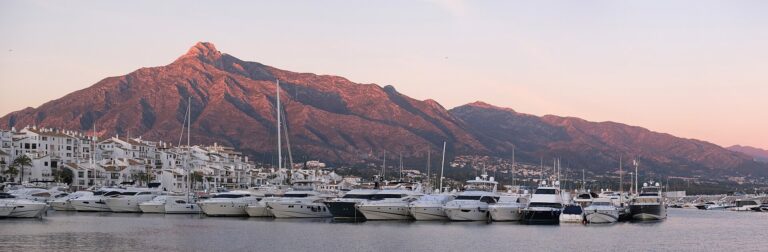
- Puerto Banús — 29 km, Puerto Banús was meant to be high-rise blocks
- Marbella Lighthouse — 35 km, A light has burned at Marbella since
- Sierra Blanca — 38 km, La Concha shields Marbella and creates its microclimate
For the wider picture, see the Costa del Sol guide, which lists every town on this coast.
Frequently asked questions
How do I get from the nearest airports to the town?
By road along the Costa del Sol; the town is served by the A-7 coastal motorway, which provides the main approach from neighbouring resorts and inland routes.
Is it expensive to eat out at the marina?
The marina is the culinary hub with a range of restaurants and bars; it’s the easiest place to find a waterside meal but exact price levels vary by venue.
Which beach is best for a family day out?
The main sandy seafront at San Luis de Sabinillas is the most family-friendly beach in the area, with easy access from the residential district.
How many days should I plan in the area?
A compact visit of two to three days is enough to see the marina, the castle, the Roman baths and enjoy a beach day, with time to add coastal walks or a vineyard visit if you prefer a slower pace.
Is the area good for families with small children?
Yes—there are calm promenades, a broad beach suitable for paddling, and short, manageable historic sites appropriate for children.
Can I get around without a car?
You can reach the marina, main beach and nearby restaurants on foot if you stay locally; however, to explore inland vineyards or neighbouring towns more efficiently, car access is helpful.
Is parking easy to find?
Parking is typically available near the seafront and marina areas, but availability varies with season and local events.
What are good rainy-day options?
Indoor attractions are limited; on wet days focus on slower cultural visits such as the small castle and local museums in the wider area, or plan a relaxed meal at the marina restaurants.
When is the grape harvest festival?
The town marks its local viticultural tradition with an annual grape harvest festival; the event celebrates the area’s muscatel wine culture.
Can you visit Roman ruins here?
Yes—Roman-era remains are present near the coastal fort area and the thermal site at la Hedionda carries a Roman association in its history.
Are there coastal walks with good views?
Yes—several coastal paths and promenades offer views across the sea toward Gibraltar and, on clear days, to the North African coast.
How far is the town from Marbella?
It lies about 35 km west of Marbella along the coast via the A-7 motorway.
Is there a mariner hub or harbour to visit?
Puerto de la Duquesa is the local marina and the main hub for waterfront dining and evening strolls.
Are there vineyards to visit?
The area has muscatel vineyards—among the few remaining coastal wine-growing areas in the province—so vineyard visits and wine-related activities tie into the local culture.
What nearby towns make good day trips?
Nearby Estepona and other western Costa del Sol resorts are within easy reach for day trips and provide more extensive sightseeing and services.
Plan the wider trip
- Costa del Sol travel guide
- Ronda
- Rincón de la Victoria: Málaga's Local Beach Town
- Torrox: Best Climate in Europe, Costa del Sol
- Estepona guide
- Casares guide
Manilva on the map
Places worth knowing near Manilva
How this page is maintained. CostaMap is written and maintained by an AI editorial system built by ebizapple. Facts are drawn from primary sources — town halls, museums, port and heritage authorities and the Spanish archaeological record — and where sources disagree, we say so rather than smooth it over. Photographs marked as ours are taken on location. This page was last reviewed on 15 August 2026. Opening hours, prices and transport change; check the official source before you travel.