
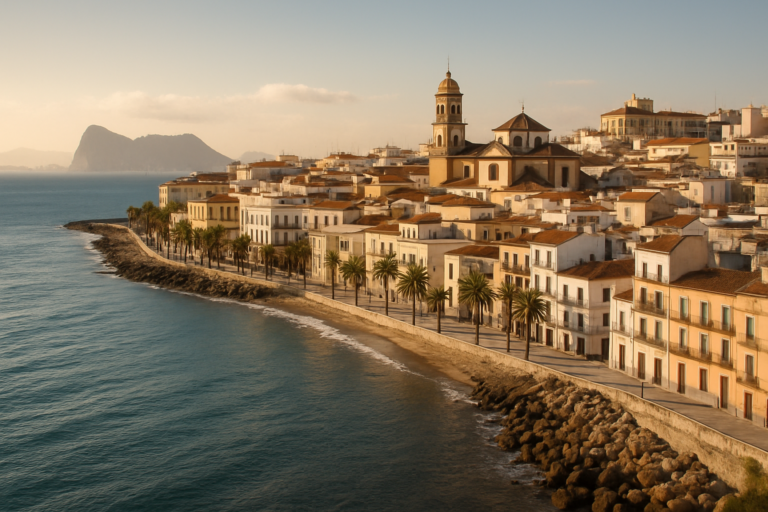
Expect a mix: a compact Andalusian town whose historical core and fiesta calendar sit cheek by jowl with a super‑exclusive waterfront resort, world‑class sport venues and an industrial bay. This is not a single‑mood destination — one moment you can be strolling a church plaza and the next watching high‑goal polo or yachts at an upscale marina. Plan so that you get the contrasts rather than being surprised by them.
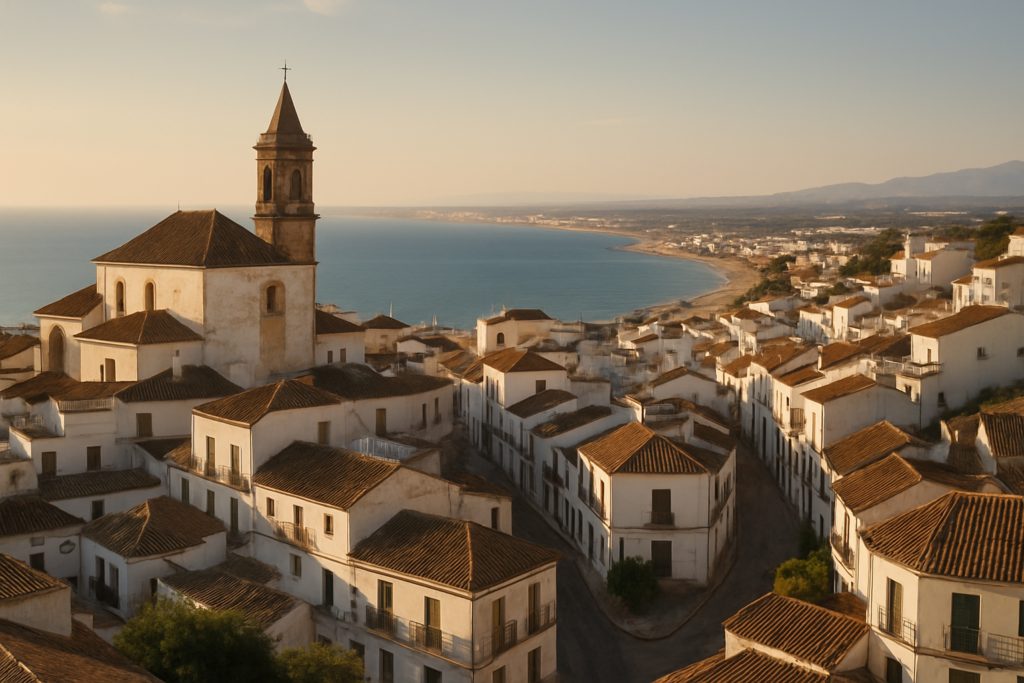
San Roque at a glance
- Historic town founded in 1706 by civilians who left Gibraltar after 1704; the old layout centres on Plaza de Armas and Santa María la Coronada church.
- Sotogrande is the municipality’s exclusive resort area with a major marina and high‑end residential development.
- Summer polo at the Santa María Polo Club draws international crowds; the club is one of Europe’s key polo venues.
- World‑class golf is a local draw — Real Club Valderrama is in the area and hosted the 1997 Ryder Cup.
- Coastal beaches such as Torreguadiaro and Cala Sardina front the Mediterranean close to the Strait of Gibraltar.
- On clear days the mountains of Morocco are visible across the Strait from the Campo de Gibraltar.
- Close to Gibraltar (La Línea) and the busy ports of Algeciras; the municipality also sits beside a major industrial and refinery zone.
Before you plan
There are no verified closures or long‑term redevelopments among the core visitor sites covered here. If you’re booking around summer events — especially polo or local festivals — check dates and availability in advance because those seasons significantly change crowds and accommodation options.
Things to do in San Roque
The area offers a split personality: a compact historic centre that rewards slow walking and a wealthy coastal resort zone offering sport, marinas and stylish waterfront eating. Pick the experiences you want — heritage, beaches, golf or polo — and plan logistics accordingly because they’re not all within a five‑minute walk of each other.
| Attraction | What it is | Price/entry | Best for |
|---|---|---|---|
| San Roque town centre (Plaza de Armas & Santa María la Coronada) | 18th‑century Andalusian street plan and church | – | History & short walking tours |
| Puerto de Sotogrande marina | Yachting hub with waterfront restaurants and summer social scene | – | Marina promenades & dining |
| Santa María Polo Club | High‑goal polo venue; major summer events | – | Sporting spectacle & social season |
| Real Club Valderrama | Top‑level golf course in the Sotogrande area | – | Serious golfers |
| Roman city of Carteia | Ancient Roman settlement near the Guadarranque river mouth | – | Archaeology & history enthusiasts |
Strolling the historic core
The old town preserves its 18th‑century Andalusian plan. The Plaza de Armas remains a focal point for local life and the church of Santa María la Coronada anchors the square. Walking here is compact and readable: short streets, a clear centre and the kinds of neighbourhood cafés and tapas bars typical of Cádiz province. This part of the municipality is where the town’s identity and origins are most visible.
Yachts, restaurants and the summer scene at the marina
Puerto de Sotogrande functions as the social and nautical magnet for the resort zone. Expect a concentration of waterfront restaurants and bars and a marina atmosphere that becomes especially lively in summer when yachts and visitors flood in. The marina is also the practical hub for anyone using Sotogrande as a base for sailing or coastal leisure.
Sporting draws: polo and golf
Polo at the Santa María Polo Club is a defining seasonal spectacle. The club hosts high‑goal matches over the summer and is considered one of Europe’s important polo venues — whether you follow the sport or want a day out among local and international social life, it’s the main draw. Golfers, meanwhile, aim for courses in the Sotogrande area; Real Club Valderrama is a standout facility with international reputation.
Roman Carteia and archaeology
Within the municipality is Carteia, a Roman foundation and one of the earliest Roman settlements in Hispania. The site sits near the mouth of the Guadarranque river and is a good option for visitors wanting an archaeological perspective on the area’s long history.
Best beaches in the area
The coastline of the municipality runs along the Bay of Gibraltar and the approaches to the Strait; beaches here vary from open Mediterranean sand to smaller coves next to the resort developments. None are remote wildernesses — they sit within an active coastal zone that mixes tourism with nearby port and industrial activity.
| Beach | Character | Facilities / Notes |
|---|---|---|
| Torreguadiaro | Coastal beach fronting the Mediterranean, accessible from the coastal district | – |
| Cala Sardina | Small cove near the resort coast | – |
San Roque with kids
Families who mix a short historic walk with beach time and a relaxed marina meal will find the area manageable for children. The polo season provides spectacle rather than participation for kids, and gentle archaeological visits (such as to Carteia) can be tailored to younger attention spans. Mind that the marina and resort zones are more about watching and dining than play areas; bring beach gear and plan for short transfers between activities.
How to get to the town and get around
Access is straightforward if you are already in the Campo de Gibraltar corridor. The municipality sits within short driving distance of several regional transport nodes, so most visitors arrive by car, taxi or regional bus services.
| From | By | Approx time |
|---|---|---|
| Gibraltar border at La Línea de la Concepción | Car or taxi | Short drive |
| Port of Algeciras | Car or taxi | Short drive |
Where to stay
Accommodation choices cluster in distinct zones — pick based on whether you want historic streets, beachfront or the resort lifestyle.
- Town centre: Suited to visitors prioritising history, local cafes and a compact walking itinerary around Plaza de Armas and the church.
- Sotogrande resort: Best for those seeking an upmarket marina atmosphere, waterfront dining and proximity to polo and golf venues.
- Coastal district (Torreguadiaro area): Practical for families who want beaches and a quieter coastal pace while still being within the municipality.
Best time to visit
Summer brings the social and sporting peaks — polo season and the marina’s high season — while spring and early autumn offer milder weather and quieter streets. August is also when the town’s main fair takes place, which changes the local rhythm and is worth planning for if you want to experience a traditional festival.
| Season | Months | What to expect |
|---|---|---|
| Summer | June–August | Polo and marina social season; busiest time; Feria Real de San Roque held in August. |
| Spring & Early autumn | April–June, September–October | Milder weather; fewer crowds; good for golf and beach days without peak-season bustle. |
| Winter | November–March | Quiet; local life dominant; views toward Morocco on clear days. |
History of the area
The modern town has its origins in the early 18th century: it was founded in 1706 by residents who left Gibraltar after the capture of the Rock in 1704. The new settlement retained a deliberate Andalusian urban plan and still highlights the connection to Gibraltar in local identity. Earlier layers include the nearby Roman settlement of Carteia, underlining a much longer human presence on the shores of the Bay of Gibraltar.
Practical info
- Connectivity: The municipality is accessible from Gibraltar and Algeciras; many visitors arrive by car or taxi from these transport nodes.
- Industrial proximity: Parts of the municipality sit beside the Bay of Algeciras’ industrial port and refinery zone; some coastal views include working port infrastructure.
- Event planning: If you intend to attend summer polo or the August fair, book accommodation and tickets well ahead — these events concentrate visitors and hospitality capacity.
- Walking: The historic centre is compact and well suited to walking. The resort and marina areas are spread out and may require short drives or local transfers between sites.
Worth it for: visitors who enjoy sharp contrasts — a walkable Andalusian town with a living historic core plus an exclusive marina/resort and world‑class sport venues. Less so if: you expect a single‑mood beach resort with uninterrupted coastal wilderness; the area mixes tourism with port infrastructure and residential exclusivity.
How we assess this guide
We cross‑checked municipal history, sporting venues, and beach and marina descriptions against reliable regional sources. We flag events and the seasonal nature of polo and the marina scene and do not present venues as open or operating beyond their verified status. This guide synthesises verified facts; it is not based on new first‑hand field reporting but on corroborated published information.
Nearby on the Costa de la Luz
Towns near San Roque
- Los Barrios — 10 km west, gateway to the Los Alcornocales cork forest and Palmones estuary
- Algeciras — 11 km south-west, the historic Plaza Alta, Getares beach, Strait of Gibraltar views
- Manilva — 22 km north-east, a western Costa del Sol town with the Puerto de
- Casares — 28 km north
- Estepona — 32 km north-east
- Barbate — 48 km west, an Atlantic tuna port
For the wider picture, see the Costa de la Luz guide, which lists every town on this coast.
Frequently asked questions
How do I get from Gibraltar to the town?
By car or taxi: the town is a short drive from the Gibraltar border at La Línea de la Concepción. For timing and border formalities check current cross‑border conditions before travelling.
Is it expensive to visit?
Costs vary across zones. The resort areas and marina attract a higher‑end crowd and will be pricier, while the historic town offers more everyday dining options. Major events such as summer polo can raise prices locally.
Which is the best beach nearby?
Choices depend on what you want. Torreguadiaro is a straightforward coastal beach option; Cala Sardina is a smaller cove. Beaches here are part of an active coastal corridor rather than remote wilderness.
How many days should I spend here?
A compact visit of two days covers the historic core and a marina stroll or beach stop. Add extra days if you want to attend polo, play golf at a leading course, or explore nearby ports and Gibraltar more thoroughly.
Is it good for families?
Yes for families who combine short heritage walks, beach time and relaxed marina meals. The polo season provides spectator entertainment rather than activities for children; archaeological sites like Carteia can suit school‑age kids with some preparation.
Can I get around without a car?
Walking suffices for the historic centre. For the marina, golf courses and beaches spread along the coast, short drives or taxis are practical; public transport options exist regionally but renting a car offers the most flexibility.
Is parking easy?
Parking in the historic centre is compact and typical of small Andalusian towns; the resort and marina areas have designated parking but can fill during summer and events — plan accordingly for match days or festivals.
What are good rainy‑day options?
Indoor options are limited compared with big cities. Museums or interpretation centres related to Carteia and municipal cultural spaces can provide shelter from rain; cafés and local restaurants in the town are an alternative for leisurely indoor time.
When is the town fair?
The Feria Real de San Roque, the town’s principal fair, is held in August in honour of its patron saint — it alters local life and is a lively moment to visit if you want a festival experience.
Can you see Morocco from here?
Yes. From points around the Campo de Gibraltar, the mountains of Morocco are visible across the Strait on clear days; good visibility is weather dependent.
Where should I go to watch polo?
Attend matches at the Santa María Polo Club during the summer season; the club hosts high‑goal events and draws both spectators and social visitors.
Is there notable golf nearby?
Yes — Sotogrande is home to several leading courses, including Real Club Valderrama, a course with an international reputation.
Is the marina lively year‑round?
The marina’s social life intensifies in summer; outside peak months it is quieter, with fewer visiting yachts and a calmer atmosphere.
How close is the port of Algeciras?
The municipality sits a short drive from the port of Algeciras; proximity makes combined visits to both places practical, but the character of each is very different.
Are there archaeological sites to visit?
Yes — the Roman city of Carteia lies within the municipality near the mouth of the Guadarranque river and is relevant for visitors interested in ancient history.
Plan the wider trip
- Costa de la Luz guide
- Algeciras
- Tarifa
- San Fernando
- Vejer de la Frontera: White Hilltop Town
- Almonte: Doñana, El Rocío and Matalascañas
San Roque Spain on the map
Places worth knowing near San Roque Spain
How this page is maintained. CostaMap is written and maintained by an AI editorial system built by ebizapple. Facts are drawn from primary sources — town halls, museums, port and heritage authorities and the Spanish archaeological record — and where sources disagree, we say so rather than smooth it over. Photographs marked as ours are taken on location. This page was last reviewed on 15 August 2026. Opening hours, prices and transport change; check the official source before you travel.