
Expect a place that rewards curiosity more than luxury. This inland Andalusian town’s main attractions are human-scale: a monumental cathedral, an ancient fortress, dramatic semi‑desert badlands and a living neighbourhood of cave homes. None of that is glossy or theme‑parked — it’s layered, occasionally rough around the edges, and best appreciated slowly with attention to history, pottery craft and the landscape beyond town.
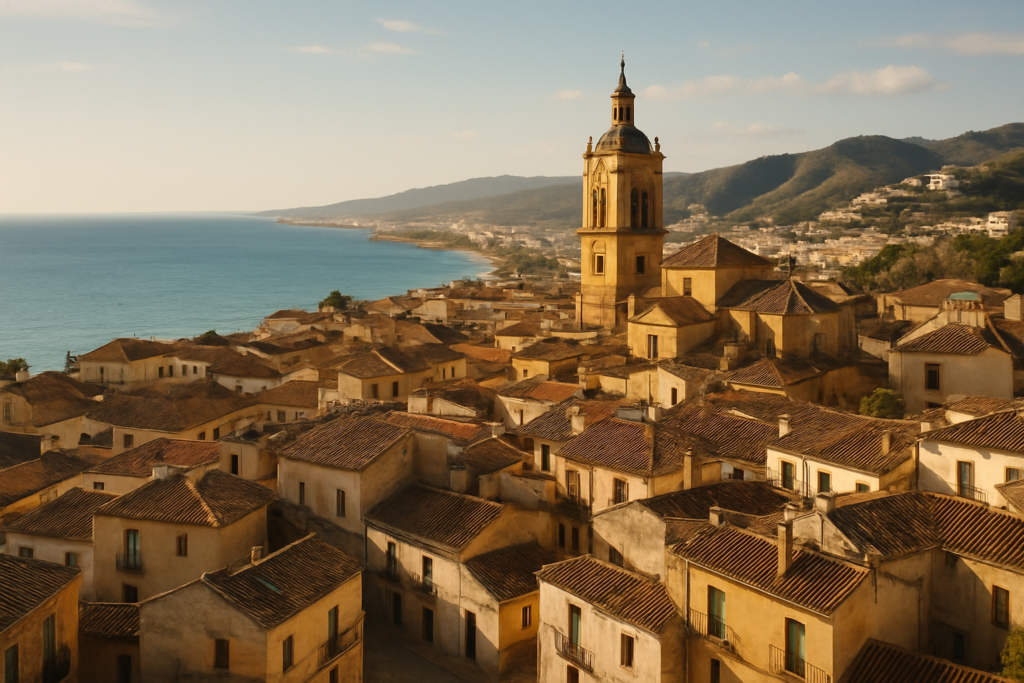
Guadix at a glance
- Dominated by a cathedral built between the 16th and 18th centuries that mixes Gothic, Renaissance and Baroque styles.
- A Moorish fortress (the Alcazaba) crowns the town and looks over the inhabited cave district and toward the Sierra Nevada.
- One of Europe’s largest troglodyte neighbourhoods—whitewashed casas cueva are still lived in today.
- Long pottery tradition: local clay used for ceramics and glazed earthenware; ceramics are a visible local craft.
- Sits around 900 m altitude; expect a continental climate with hot summers and cold winters.
- Close to badlands of clay pinnacles and ravines that have been used as film locations.
- Road links: inland from the Costa Tropical and linked to Granada by the A‑92 motorway.
Things to do in Guadix
There’s no shortage of tangible things to see: architectural monuments, a distinctive neighbourhood that’s still a way of life, museums that explain how people live underground, and a surprising surrounding landscape of badlands. Plan for walking and short drives to viewpoints; allow time to browse pottery workshops and absorb the town’s layered history rather than rushing from one headline sight to the next.
| Attraction | What it is | Price/entry | Best for |
|---|---|---|---|
| Guadix Cathedral | Cathedral built across the 16th–18th centuries blending Gothic, Renaissance and Baroque styles | – | Architecture and religious history |
| Alcazaba | Moorish fortress with towers overlooking the cave district and the Sierra Nevada | – | Views, medieval history |
| Barrio de las Cuevas | One of Europe’s largest troglodyte districts with inhabited whitewashed cave dwellings | – | Unique neighbourhoods, photography, cultural curiosity |
| Cueva Museo | Museum demonstrating how cave homes regulate temperature year‑round | – | Families, design and vernacular architecture |
| Badlands around Guadix | Semi‑desert landscape of clay pinnacles and ravines often used as film locations | – | Landscape photography, short hikes, film‑location fans |
| Plaza de las Palomas (Plaza Mayor) | Arcaded plaza with Renaissance corridors forming the monumental heart of town | – | Cafés, people‑watching, monuments |
The cathedral and town centre
The dominant religious building was constructed over two centuries and visibly mixes Gothic, Renaissance and Baroque elements. It forms the focal point of the historic centre, which is organised around an arcaded main square with Renaissance corridors. Expect a compact area for strolling, with the cathedral and plaza forming the most immediately monumental cluster.
The Alcazaba and viewpoints
The Moorish fortress sits above the historic core and includes towers that frame views toward the Sierra Nevada and back over the cave district. The fortress’s elevated position makes it the obvious stop for orientation — the vistas clarify the town’s relationship with the surrounding basin and the dramatic badlands beyond.
Barrio de las Cuevas and cave living
Walking through the troglodyte district is an experience of texture and light: whitewashed cave façades set into soft tufa, narrow streets and staircases. This is not a frozen museum neighbourhood — people still live in casas cueva — so treat it as a living community. Nearby Purullena is another cave‑house village often visited on the same route if you want to compare different settlements.
Badlands: landscape and film history
Outside town, the surrounding badlands present a semi‑desert scene of clay pinnacles and ravines. The stark terrain has been used as a film location, and short excursions to viewpoints or gentle walks into the gullies reveal why directors have found the area visually compelling.
Museums and pottery
The town preserves a long pottery tradition; local clay supports a ceramics trade visible in workshops and shops. The Cueva Museo explains how cave dwellings maintain comfortable interior temperatures — cool in summer and warm in winter — making it one of the more useful museums for understanding local life and vernacular architecture.
Guadix with kids
Families that accept modest facilities and like hands‑on cultural experiences will find plenty here. The Cueva Museo is explicitly about domestic life and demonstrates thermal properties of cave homes, which tends to engage children curious about different kinds of houses. Short walks through the cave quarter and a climb to the Alcazaba’s viewpoints are also manageable as half‑day activities. Pottery workshops offer tactile experiences if you find an open studio willing to show the craft.
How to get to Guadix and get around
The simplest approach is by road: the town lies inland from the Costa Tropical and is linked to Granada by the A‑92 motorway. That road connection makes day trips from the provincial capital realistic. Once in the centre, most of the main sights — cathedral, plaza, cave district and Alcazaba — are walkable. To visit the badlands and outlying cave villages, a car or local tour will make access easier.
Where to stay in Guadix
- Historic centre / Plaza de las Palomas — best for first‑time visitors who want immediate access to the cathedral, main square and cafés.
- Cave district — an option for staying in a casas cueva or nearby guesthouses; suits travellers who prioritise the unique experience of troglodyte living and don’t need hotel polish.
- Periphery toward the badlands — practical if you plan to explore the surrounding landscape or prefer quieter evenings away from the town centre.
Best time to visit Guadix
The town sits at about 900 m altitude, which produces a continental pattern: summers tend to be hot and winters cold. That elevation moderates coastal influence, so seasonality matters more here than on the nearby coast. Two major cultural rhythms that attract visitors are Holy Week processions and the Cascamorras festival, both part of local tradition and communal life.
| Season | Months | What to expect |
|---|---|---|
| Spring | March–May | Milder temperatures; a good time to see outdoor sights and catch Holy Week events when they occur. |
| Summer | June–August | Hot weather due to continental altitude; good for long daylight but expect higher temperatures. |
| Autumn | September–November | Cooling temperatures and comfortable conditions for walking and landscape visits. |
| Winter | December–February | Colder conditions at elevation; indoor sights and museums become more appealing. |
History of Guadix
The town’s history stretches back to Roman times when it was known as Acci. It later became an early Christian bishopric and retains that long civic memory in its monumental buildings. Centuries of layered occupation — Roman, medieval Islamic and Christian — are evident in the town’s layout, strategic fortress and ecclesiastical architecture.
Practical info
- Altitude and climate: at roughly 900 m, the town’s continental climate means sharper temperature swings than on the coast; factor extra warmth in winter and shade or early starts in midsummer.
- Road access: linked by the A‑92 motorway toward Granada, which is the most direct road connection mentioned in regional sources.
- Local craft: pottery is an established local trade using the town’s clay—look for workshops and glazed earthenware in the streets near the historic centre.
- Cave dwellings: the casas cueva are inhabited and part of daily life, not just tourist displays — show respect for residents and private entrances.
- Museums: the Cueva Museo illustrates thermal properties of cave homes and is a practical rainy‑day or family option.
Worth it for: travellers who want a compact, unusual cultural experience—historic architecture, living cave quarters and distinctive landscapes rather than polished resorts. Less so if: you expect beachside resort amenities or instant nightlife; this is an inland, historically focused visit that rewards simple curiosity and slow exploration.
How we assess this guide
We compiled this guide by cross‑checking monument histories, neighbourhood descriptions and regional geography. We flag living cave districts and museum exhibits rather than relying on promotional descriptions. This is not first‑hand field reporting, but a synthesis of verified sources to set accurate expectations and reduce disappointment when you arrive.
Frequently asked questions
How do I get from Granada to Guadix?
By road: Guadix is linked to Granada by the A‑92 motorway and the drive takes roughly an hour from the city, making day trips feasible for visitors based in the provincial capital.
Is it expensive to visit?
Costs depend on your choices. The town’s main attractions are cultural and outdoors‑focused rather than premium experiences; pottery, museums and walking the cave quarter are accessible to most budgets.
Which beach is nearest to Guadix?
The town lies inland from the Costa Tropical, so beaches are on the nearby coastal strip rather than inside the town. Expect a drive to reach coastal towns and their beaches.
How many days should I plan?
A focused visit can be done in a day if you prioritise the cathedral, Alcazaba, the cave district and a museum. Two to three days allow for a more relaxed pace, visits to pottery workshops and short excursions into the badlands or to neighbouring cave villages.
Is it a good place to visit with children?
Yes for families who enjoy hands‑on museums and relaxed walking. The Cueva Museo explains cave dwellings in a way that children tend to find tangible and memorable.
Can I get around without a car?
Most of the town’s sights are concentrated and walkable. To visit the surrounding badlands or other cave villages such as Purullena, private transport or organised excursions are the simplest options; the main road link is the A‑92.
Is there parking in the town?
Road access is established via the A‑92 motorway; once in town, the historic centre is compact and pedestrianised in parts, so plan for short walks from parking areas outside the most central plazas.
What are good rainy‑day options?
Indoor highlights include the cathedral, arcaded Plaza de las Palomas and the Cueva Museo, which explains how cave houses remain comfortable throughout the year.
When are local festivals?
Two of the town’s cultural markers are Holy Week processions and the Cascamorras festival shared with a neighbouring town. These events are central to local tradition and draw visitors interested in regional celebrations.
Are the cave houses inhabited?
Yes. The Barrio de las Cuevas is one of Europe’s largest troglodyte districts and people still live in whitewashed cave dwellings carved into the soft tufa.
Can I visit Purullena the same day?
Yes. Purullena is a nearby cave‑house village often included on routes that explore the region’s troglodyte settlements.
What makes the badlands special?
The badlands feature clay pinnacles and ravines forming a semi‑desert landscape; their dramatic shapes have made the area attractive for film productions and landscape photography.
Is pottery still made in the town?
Yes. Guadix has a long pottery tradition, using local clay for ceramics and glazed earthenware; workshops and shops around the historic centre reflect that craft heritage.
How does the altitude affect the weather?
At about 900 m elevation the climate is continental: expect hot summers and cold winters, with wider temperature swings than on the nearby coast.
What’s the best way to respect the cave neighbourhood?
Treat it as a lived‑in area: avoid loud behaviour, do not enter private cave homes without invitation, and be mindful of narrow streets and resident access when photographing façades.
Plan the wider trip
- Costa Tropical guide
- Almunecar
- Salobrena
- Motril
- Baza: Historic Highland Town near the Sierra de Baza
- La Zubia: Sierra Nevada Foothills near Granada
Nearby on the Costa Tropical
Guadix on the map
How this page is maintained. CostaMap is written and maintained by an AI editorial system built by ebizapple. Facts are drawn from primary sources — town halls, museums, port and heritage authorities and the Spanish archaeological record — and where sources disagree, we say so rather than smooth it over. Photographs marked as ours are taken on location. This page was last reviewed on 15 August 2026. Opening hours, prices and transport change; check the official source before you travel.