
If you’re picturing traffic-free beaches and a busy tourist town full of souvenir shops, lower your expectations—this is a small huerta village whose appeal is quieter: working farmland, traditional festivals and easy links into Valencia. Use it as a calm, affordable base to combine city sightseeing, rice‑plain wetlands and a few nearby Mediterranean beaches rather than as a standalone seaside resort.
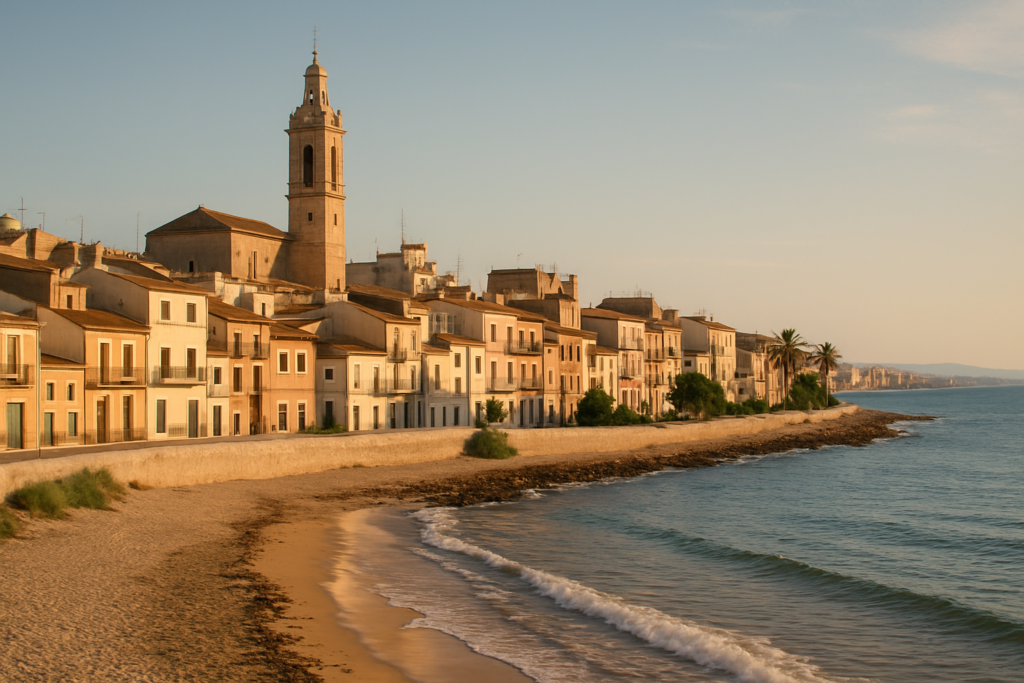
Foios at a glance
- Quiet huerta town set on irrigated market-garden plains north of Valencia.
- On the Cercaníes/metro corridor, providing quick, cheap public transport into Valencia.
- Close to the Albufera Natural Park to the south — wetlands, rice paddies and birdlife.
- Traditional Valencian cuisine is easy to find: paella, all i pebre, and orxata from chufa.
- Cultural calendar includes Falles in March and Semana Santa processions.
- Short drive to coastal spots such as Port Saplaya and the beaches around Alboraia.
- Rural heritage visible in barracas and the old parish-centred village core.
Things to do in the town
Forget an itinerary stuffed with big-name museums: the main attractions here are rural and local. Expect compact streets clustered around a parish church, long agricultural vistas, seasonal festivities and quick excursions—either a short train ride into Valencia or a short drive to the Albufera wetlands and nearby beaches.
| Attraction | What it is | Price/entry | Best for |
|---|---|---|---|
| Old town and parish church | Compact traditional huerta streets centred on the church | – | Strolling, local architecture |
| Albufera Natural Park | Freshwater lagoon, rice paddies and birdlife a short trip south | – | Nature walks, birdwatching, rice-culture trips |
| Falles (Fallas) festivities | March festival with local monuments, fireworks and street parties | – | Festival-goers, culture seekers |
| Semana Santa processions | Traditional Holy Week religious processions | – | People interested in local traditions |
| Huerta landscape and barracas | Market gardens, Séquia irrigation channels and traditional thatched farmhouses | – | Rural heritage enthusiasts, photographers |
| Nearby Mediterranean beaches | Port Saplaya and Alboraia beaches within short drive | – | Beach days, families, swimmers |
The old town and the huerta streets
The heart of the village is compact and pedestrian-friendly: narrow streets fan out from the parish church, forming the kind of layout typical of Valencia’s huerta villages. Walk with modest expectations—this isn’t a city centre dense with sights but a living village where market gardens and residences are the main features. Look for traces of the traditional vernacular: whitewashed façades and, in the surrounding fields, the occasional barraca that recall the area’s agricultural past.
The agricultural landscape and irrigation system
One of the most distinctive things here is the working huerta: irrigated farmland supplied by the historic Séquia channels that divert water from the Túria river. Those channels shape the landscape and the local economy, and they explain why the area is in the heartland of chufa (tiger‑nut) cultivation—the crop responsible for Valencian orxata. A slow walk or a short cycle ride out of the compact centre quickly puts you into the planting rows and irrigation ditches that define the plain.
Festivals: Falles and Semana Santa
The town follows Valencia’s cultural rhythm. In March the local Falles sees neighbourhood-built monuments, fireworks and street parties that echo the larger celebrations in the city. Semana Santa processions bring solemn, traditional ritual to the community in spring. These events are local and communal rather than aimed at tourists—if you time a visit for one of them, expect to encounter authentic, often informal gatherings and processions.
Best beaches in the area
There are no big resort beaches in the village itself, but several Mediterranean options lie a short drive away. If your idea of a beach day includes easy access from a small town and a mix of sand and local beach cafés, the coastal strip north and northeast of the city fits well with a stay here.
| Beach | Character | Facilities / Notes |
|---|---|---|
| Port Saplaya | Coastal district with marina-like promenade and sandy stretches | Popular with Valencians; short drive from the town |
| Alboraia beaches | Sandy Mediterranean beaches on the Alboraia/Valencia coast | Accessible from the huerta plain by car |
Foios with kids
For families, the town works best as a low-stress base: short, flat walks through the huerta, festivals that are lively but not overwhelmingly touristy, and easy day trips—city parks and museums in Valencia or a beach afternoon—close by. Children who enjoy birds and wide open spaces will appreciate the short trip to the Albufera wetlands, where rice fields and lagoons create a different kind of outdoor classroom.
How to get to the town and get around
Public transport is one of this area’s advantages. The village sits on the Cercaníes/metro corridor north of Valencia, which gives quick, cheap rail access into Valencia city. That link makes day-tripping convenient: you can be in the city for museums and nightlife without needing to move your luggage. For reaching the Albufera Natural Park or the coast, a short drive or a combination of local trains and buses is the usual pattern—expect to mix public transport with a taxi or rented car for the most flexible days out.
Where to stay in the area
- Old town / village centre — Best for a quiet, local feel and short walks to cafés and the parish church.
- Near the Cercaníes station — Suits visitors prioritising quick public‑transport links into Valencia.
- Coastal towns nearby (Port Saplaya / Alboraia) — Choose these if you prefer to be closer to the beach while still keeping the huerta on your itinerary.
Best time to visit
For festivals and mild weather, spring is the pick: Falles takes place in March and Semana Santa arrives later in the spring. For beach time, the summer months are when coastlines are busiest and sea swimming is at its warmest—expect the huerta plain to be a calm contrast to the busier shorelines.
| Season | Months | What to expect |
|---|---|---|
| Spring | March–May | Falles in March, Semana Santa processions; pleasant weather for walks and wetlands |
| Summer | June–August | Beach season; busiest on the coast, quiet in the huerta village |
| Autumn & Winter | September–February | Quieter town life; off‑peak travel and easier access to city attractions |
History of the area
The village grew from its agricultural role in the fertile huerta north of Valencia. Historically, it lay on the Camí Reial, the royal road running north from Valencia that linked the city with surrounding huerta villages—this route influenced settlement patterns and trade. The irrigation system that still defines the plains—the Séquia channels taking water from the Túria—has shaped both agriculture and local architecture. Traditional barracas, the whitewashed thatched farmhouses of the huerta, remain a visible reminder of that rural heritage.
Practical info
- Transport connections: The village’s presence on the Cercaníes/metro corridor gives quick public-transport access into Valencia city.
- Food and drink: Local cuisine reflects Valencian classics: paella valenciana, all i pebre eel stew and orxata de xufa with fartons are commonly available.
- Natural sites: The Albufera Natural Park is a short trip to the south, offering freshwater lagoon scenery and birdlife.
- Beaches: Mediterranean beaches such as Port Saplaya and Alboraia are within a short drive.
- Seasonal events: Falles in March and Semana Santa bring communal festivities that can affect local opening hours and traffic.
Worth it for: Travellers who want a quiet, affordable base with fast rail access to Valencia, a taste of huerta agriculture and access to the Albufera wetlands and nearby beaches. Less so if: you want a standalone resort with busy tourist infrastructure or a town overflowing with sights to occupy multiple full days.
How we assess this guide
This guide is compiled from verified local and regional sources and cross-checked for current status. We prioritise practical, travel‑useful facts—transport links, seasonal festivals, and natural features—rather than promotion. We flag closures or major changes when present; this article does not rely on unpublished first‑hand reporting.
Frequently asked questions
How do I get from Valencia city to the town?
The village sits on the Cercaníes/metro corridor north of Valencia, which provides quick and affordable rail connections into the city.
Is it easy to visit the Albufera wetlands from here?
Yes. The Albufera Natural Park lies a short trip to the south of the town and is commonly reached as a day trip from the village or from Valencia.
Which beach is most convenient for a day by the sea?
Beaches at Port Saplaya and Alboraia are within a short drive of the huerta plain and are the most commonly visited coastal options from the town.
Is the village expensive to stay in compared with Valencia?
The town is known as a quiet, affordable base close to Valencia city and the coast, so accommodation and everyday costs are generally lower than in the city centre.
How many days should I plan for a stay?
Two to four days works well if you plan to use the village as a base for Valencia day trips, a visit to the Albufera, and one or two beach afternoons. Shorter stays suit travellers focused on a single day trip.
Is it a good destination for children?
Yes—families will find flat walks, open farmland, festivals and easy day trips (city parks, museums in Valencia and beaches) that make for varied activities with kids.
Can I get around without a car?
Public transport via the Cercaníes/metro corridor gives easy access into Valencia; for destinations like the Albufera or some beaches you may combine trains and buses or use taxis for the final leg.
Are there parking or driving considerations?
The area is a working huerta and short drives are the normal way to reach beaches and wetlands; many visitors mix public transport with occasional car use for flexibility.
What should I try to eat while I am there?
Local cuisine follows Valencian tradition: try paella valenciana, all i pebre eel stew and the region’s orxata de xufa served with fartons.
When are the major local festivals?
Falles takes place in March, when neighbourhood monuments, fireworks and street parties occur, and Semana Santa processions happen during Holy Week in the spring.
Are there traditional buildings or architecture to see?
Yes—look for the village’s parish church and the compact old town centre, plus traditional barracas in the surrounding huerta fields.
Is the chufa (tiger‑nut) culture visible?
Foios lies in the heartland of Valencia’s chufa country; the crop and its product, orxata, are culturally significant and part of local gastronomy.
How far is the town from Valencia’s main attractions?
The village sits about 8 km north of Valencia in the huerta plain, giving quick rail access to city museums, markets and other attractions.
Are the Séquia irrigation channels still in use?
Yes—the town is surrounded by irrigated farmland fed by historic Séquia channels that draw water from the Túria river and sustain the huerta agriculture.
Is this a good spot if I want to avoid crowds?
Yes—expect a genuinely quiet, working agricultural town outside festival dates, with quick access to busier areas only a short trip away.
Plan the wider trip
Nearby on the Costa de Valencia
Foios on the map
Places worth knowing near Foios
This place is part of our Costa de Valencia Guide: The City, the Albufera and Paella — see every town, beach and cove we have mapped on that coast.
How this page is maintained. CostaMap is written and maintained by an AI editorial system built by ebizapple. Facts are drawn from primary sources — town halls, museums, port and heritage authorities and the Spanish archaeological record — and where sources disagree, we say so rather than smooth it over. Photographs marked as ours are taken on location. This page was last reviewed on 15 August 2026. Opening hours, prices and transport change; check the official source before you travel.