
Expect a working Catalan town with a surprisingly large footprint, useful local markets and easy rail links rather than a polished tourist hub. This is a place for short, honest visits: a few hours to soak up market life and riverside walks, or a base for exploring nearby natural ridges and neighbouring villages. Read on to set realistic expectations and plan a trip that avoids disappointment.
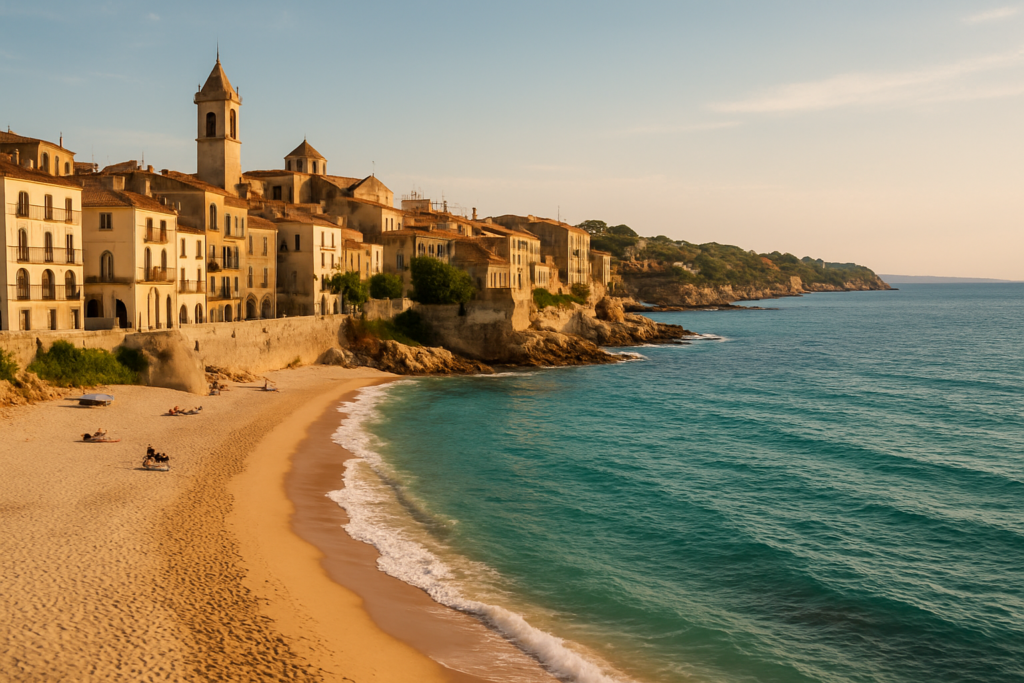
Sant Celoni at a glance
- Municipality in the comarca of Vallès Oriental, Catalonia, Spain.
- Main settlement sits on the left bank of the Tordera river in its valley between the Montseny and Montnegre ranges.
- Has a railway station on the Renfe line linking Barcelona and Girona.
- Weekly market takes place on Wednesdays — useful for local food and everyday shopping.
- Industrial and chemical-sector employment is a notable part of the local economy.
- Contains several outlying villages and former municipalities, including Montnegre and Olzinelles.
- La Batllòria is the most populated town outside the main centre.
Before you plan
There are no venue-closure alerts in the grounding for this guide, but the town has a mixed industrial and residential character rather than being a holiday resort. Plan activities around public transport times and the fixed weekly market day (Wednesdays) to avoid wasted trips.
Things to do in Sant Celoni
If you come expecting a tight set of polished attractions you’ll probably be underwhelmed; what works well is a short, curiosity-led visit. Spend a morning at the weekly market, take a riverside stroll, or head into the nearby hills for tree-shaded walking. For a sense of local life, combine market shopping with a walk through the older streets and a short excursion to one of the small nearby villages.
| Attraction | What it is | Price/entry | Best for |
|---|---|---|---|
| Weekly market | Regular open-air market held midweek | – | Food shopping, local atmosphere |
| Riverside walks on the Tordera | Simple riverside promenades and views | – | Easy walks, photography |
| Vilardell (church of Sant Llorenç) | Small town clustered around a rural church near the Montnegre massif | – | Quiet village visit, architecture enthusiasts |
| Olzinelles (church of Sant Esteve) | Farmhouses gathered around a country church north of the main town | – | Rural scenery, short rural walks |
The weekly market
The midweek market is the clearest reason to visit for most travellers. Local merchants and stalls gather on Wednesdays; it’s the place to pick up everyday provisions, see residents at work, and get an immediate feel for the town’s rhythms. Treat this as practical shopping rather than a boutique or tourist market: expect useful, everyday goods more than curated souvenirs.
Riverside strolls and the valley setting
The main part of town lies on the left bank of the Tordera river. Simple riverside walks are easy to fit into a short visit and provide a straightforward way to enjoy the valley setting between the Montseny and Montnegre ranges. There isn’t a single show-stopping promenade here, but the setting rewards anyone who likes quiet waterside photographs and low-effort walking.
Nearby villages and rural churches
Outlying settlements offer compact rewards. In Olzinelles you’ll find farmhouses clustered around the church of Sant Esteve — a glimpse of agricultural life outside the main urban area. Vilardell is a small town arranged around the church of Sant Llorenç near the Montnegre massif, useful for combining village ambience with access to wooded hills. These visits are best for those who like small-scale architecture and countryside lanes rather than museum-style sightseeing.
Sant Celoni with kids
Families will find simple, low-cost options: market visits, riverside strolls and short walks into nearby village lanes. There aren’t playground complexes or major theme attractions indicated in the grounding, so factor in that most family-friendly activities here are outdoors and low-key. Short, flexible itineraries suit children better than long museum days.
How to get to Sant Celoni and get around
The town is reachable by train: there is a railway station on the Renfe line that runs between Barcelona and Girona. That rail link makes short visits from larger cities practical without a car. Once in town, walking covers the central area and market; reach nearby villages by local roads or regional buses where available, but check schedules in advance.
Where to stay in Sant Celoni
Accommodations cluster around a few practical areas rather than distinct tourist neighbourhoods; choose based on the following simple profiles.
- Main town centre — best for access to the market and rail station; practical for short stays and arrivals by train.
- La Batllòria — the most populated town outside the centre, suitable if you prefer a more residential feel while still being near services.
- Outlying rural areas (near Olzinelles or Vilardell) — pick this if you want countryside calm and proximity to small churches and farmhouses.
Best time to visit Sant Celoni
There are no seasonal event claims in the grounding to mandate travel in one month over another. The valley setting and nearby hills make the town a workable short-visit destination almost year-round; if you value outdoor walking, avoid weather extremes and plan around the weekly market day to maximise what you can experience.
History of Sant Celoni
The settlement took its name from a chapel built in the 11th century at the foot of the river Pertegàs. Over time a cluster of villages and municipalities consolidated into the modern municipality: Montnegre and Olzinelles were former municipalities now forming part of the wider administrative area. Today the town sits within the Vallès Oriental comarca of Catalonia.
Practical info
- Transport: There is a Renfe railway station serving the town on the Barcelona–Girona route; plan rail timings in advance.
- Market day: The weekly market is held on Wednesdays — useful for food and everyday items.
- Economy: The chemical industry and other industrial employment have a visible role in the local economy; historically, industry made up a substantial share of employment (in 2001, 30.5% of the population was employed in industry).
- Geography: The main settlement is on the left bank of the Tordera river and occupies the valley between the Montseny and Montnegre ranges, which shapes local walking options and views.
- Administrative scale: The municipality has the largest area in its comarca, so give yourself extra time when travelling between the centre and farther-out villages.
Worth it for: Visitors who value easy rail access from Barcelona or Girona, market-life snapshots and short countryside excursions. Less so if: You want a resort atmosphere, concentrated sightseeing highlights, or a town focused solely on tourism.
How we assess this guide
This guide compiles verifiable facts about the town’s geography, historic origin, transport links, weekly market and economic profile from multiple checked sources. We flag market days and economic characteristics that affect visitor experience, and we avoid describing venues that are no longer operating. This is not on-the-ground primary reporting; instead it is a synthesis of reliable references to help you plan practical visits and avoid common disappointments.
Frequently asked questions
How do I get from Barcelona to Sant Celoni?
By train: the town has a Renfe station on the line between Barcelona and Girona. Check the rail operator’s timetable for service frequencies and journey options.
Is Sant Celoni expensive to visit?
The grounding does not include specific cost data. Expect costs to be comparable with many Catalan towns rather than with major city or coastal resort pricing; the weekly market offers a practical, locally priced shopping option.
Which is the best beach near Sant Celoni?
The grounding does not list beaches. The town sits inland in a river valley rather than on the coast; for beaches you will need to travel north or east toward the coast beyond the Montseny and Montnegre ranges.
How many days should I spend here?
A half-day to a full day is sufficient for the market, a stroll along the Tordera and short village visits. Use the town as a base for day trips into nearby natural areas if you want more time.
Is Sant Celoni good for families with children?
Yes for short, low-key activities: market visits, riverside walks and easy village lanes. There are no major family theme attractions indicated in the grounding, so plan a flexible, outdoor-oriented itinerary for children.
Can I get around Sant Celoni without a car?
Yes. The town centre and market are walkable, and a Renfe rail link connects the town with larger cities. For remote villages you may need local buses or other road transport arrangements.
Is parking available in the centre?
The grounding does not provide specific parking details. If you are driving, allow time to find parking close to the central market and railway station; some visitors prefer arriving by train to avoid parking concerns.
What are rainy-day options?
The grounding does not describe indoor tourist attractions. On wet days, plan practical activities such as shopping at the market, visiting covered shops or travelling by rail to a nearby city with more indoor options.
When is the best time to visit for walking and outdoor activities?
The grounding contains no seasonal weather data. The valley and nearby ranges lend themselves to outdoor walking whenever weather is suitable; check forecasts and avoid extremes for the best experience.
Are there interesting nearby villages to visit?
Yes. Olzinelles has farmhouses clustered around the church of Sant Esteve near Vallgorguina, and Vilardell is a small town centred on the church of Sant Llorenç near the Montnegre massif. La Batllòria is the largest settlement outside the town centre.
Why is the town called Sant Celoni?
The name comes from a chapel built in the 11th century at the foot of the river Pertegàs; the religious origin of the name predates current municipal boundaries.
Does industry play a role in the town?
Yes. There is a notable chemical-industry presence and, historically, industry accounted for a large share of employment — in 2001, 30.5% of the population worked in industry.
Are Montnegre and Olzinelles part of the municipality?
They were former municipalities that now form part of the wider administrative area, so you will encounter them as outlying localities within the municipal territory.
Is Sant Celoni part of a larger tourist region?
It sits in the Vallès Oriental comarca of Catalonia. The town’s position between the Montseny and Montnegre ranges makes it more of a valley and rural gateway than a standalone tourist destination.
Can I rely on public transport for day trips from here?
The presence of a Renfe station on the Barcelona–Girona line makes day trips by rail feasible. For trips into smaller villages or hillside trails, check local bus services or arrange road transport in advance.
Plan the wider trip
- Sallent: a Llobregat industrial town and Sant Antoni Maria Claret's birthplace
- Mollet del Vallès
- Manlleu
- Vilafranca del Penedès
Nearby on the Costa de Barcelona
Sant Celoni on the map
Places worth knowing near Sant Celoni
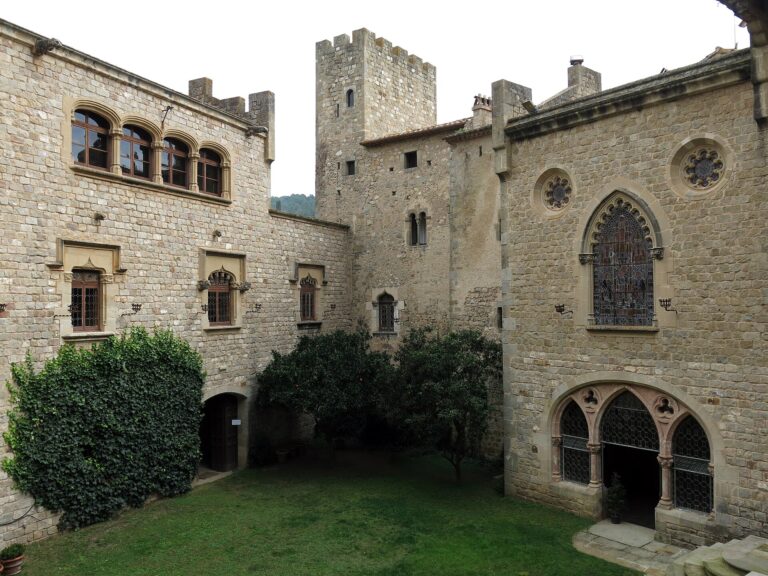
This place is part of our Costa Barcelona Guide: Maresme, Garraf, Sitges & Penedès — see every town, beach and cove we have mapped on that coast.
How this page is maintained. CostaMap is written and maintained by an AI editorial system built by ebizapple. Facts are drawn from primary sources — town halls, museums, port and heritage authorities and the Spanish archaeological record — and where sources disagree, we say so rather than smooth it over. Photographs marked as ours are taken on location. This page was last reviewed on 15 August 2026. Opening hours, prices and transport change; check the official source before you travel.