
Small, layered and quieter than the Costa’s beach towns, Álora rewards visitors who want history, dramatic gorge scenery nearby and a compact whitewashed core without the trappings of mass tourism. Expect a town where ruins and narrow streets tell a long story rather than a place that runs on showy attractions; plan on unhurried exploration, strong local character and a base for outdoor day trips rather than a resort-oriented holiday.
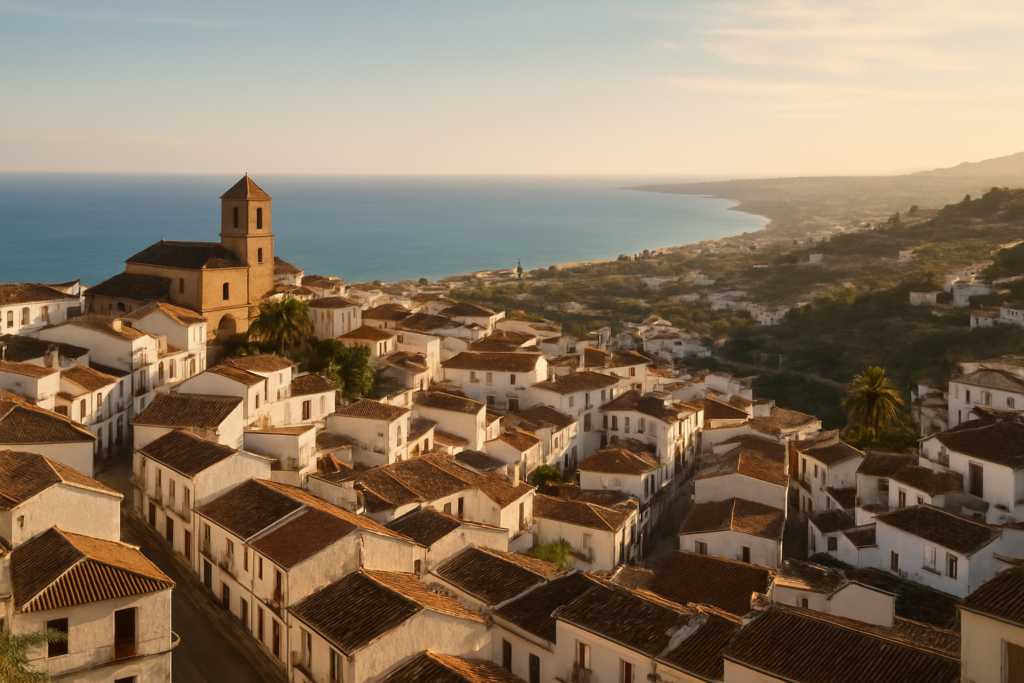
Álora at a glance
- Province: Málaga, in the autonomous community of Andalusia.
- Location: on the right bank of the Guadalhorce river in the Valle del Guadalhorce.
- Distance: roughly 40 km from the city of Málaga.
- Population: recorded as 13,436 inhabitants in the 2008 INE census.
- Area: covers 169 km².
- Local demonym: residents are known as Perotes.
- Rail link: connected to Málaga by Cercanías railway Line 2.
Things to do in the town
Activities here lean toward history, short cultural strolls and using the town as a base to explore the surrounding valley and gorges. There are a few clear must-sees that reveal the deep past stacked into the compact centre, and simple outdoor options along the riverbanks.
| Attraction | What it is | Price/entry | Best for |
|---|---|---|---|
| Castle and fortress hill | Fortified site with Phoenician foundations and later Roman and medieval phases | — | History buffs; viewpoints |
| Hoyo del Conde | Prehistoric habitation site | — | Archaeology and culture |
| River Guadalhorce riverside | Riparian area beside the town, useful for short walks and local life | — | Easy outdoor strolls |
The castle and fortress hill
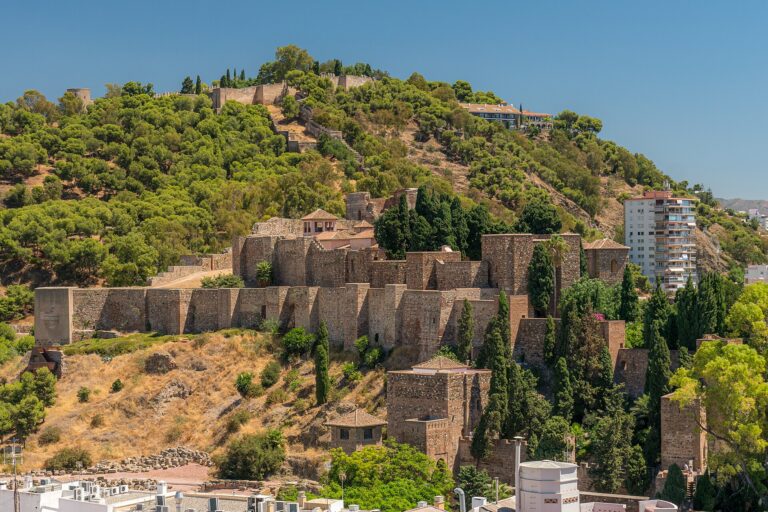
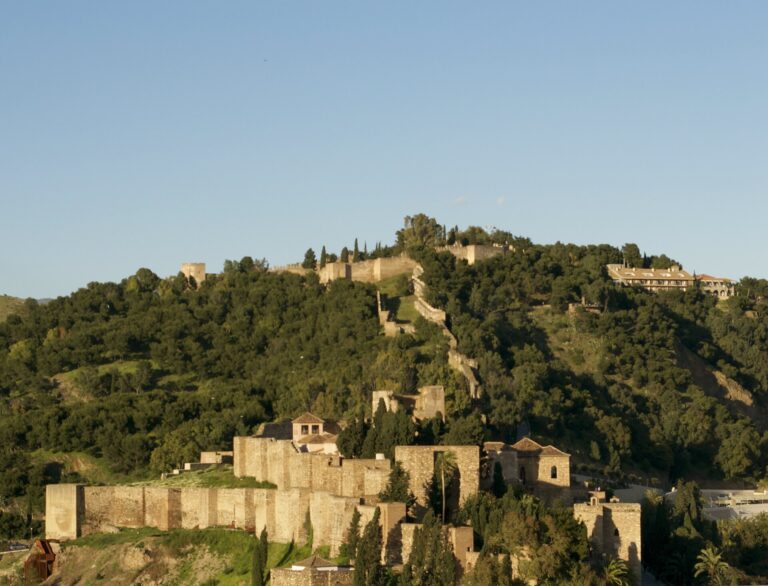
Perched above the core, the fortified hill is the clearest single monument that expresses the town’s long chronology. The earliest structural nucleus was laid by Phoenician builders, and that base was later adapted and rebuilt by Romans — who restored the fortress and granted the settlement municipal status under the name Iluritanum. Today the site reads as a palimpsest of eras rather than one intact monument: bring a willingness to interpret ruins and enjoy the vantage over the valley.
Prehistoric Hoyo del Conde
Hoyo del Conde preserves evidence that the area was inhabited long before recorded history. This spot is of particular interest if you are curious about prehistoric occupation in the Guadalhorce valley; interpretive signage and local museum displays (if open) typically contextualise finds from the site. It’s a short excursion from the town centre and complements a castle visit well.
Walks by the Guadalhorce
The town sits on the right bank of the river, which creates a natural edge to the urban area and offers low-effort strolls that combine local life, olive groves on the approaches and peaceful riverside views. These walks are suitable for an afternoon when you want to avoid steep climbs but still feel outdoors.
The best beaches nearby
Álora is inland and not a beach destination. If you want sea and sand, the Mediterranean coast is the nearest option — Málaga province includes many beaches — but expect a transfer of around the straight-line distance covered by the road between town and coast.
Álora with kids
Families who prefer short, manageable activities rather than theme-park scale attractions will find the town comfortable. Little ones can enjoy gentle riverside walks, exploring the castle’s outer spaces (supervise near ruins) and discovering local bakeries and squares. The compact centre keeps daily logistics simple: short distances between cafés, small shops and sights mean less time in transit and more time wandering.
How to get to Álora and get around
Getting here is straightforward for a day trip from the provincial capital: a commuter rail line connects the two, and the town’s compactness makes walking the most efficient way to move around once you arrive.
Where to stay in the area
Accommodation in the immediate town tends to be modest — guesthouses and small hotels rather than big resorts. Choose your quarter according to what you want to prioritise:
- Historic centre: best for being within easy reach of the castle, plazas and cafés.
- Riverside approaches: quieter and slightly more spacious, with short walks to green areas.
- Outskirts/valley farms: suitable for a rural feel and early starts for hikes or visits to nearby countryside.
Best time to visit
Álora’s climate follows the Andalusian pattern of hot summers and mild winters; the town functions year-round but the shoulder seasons typically offer more comfortable conditions for walking and sightseeing, while summer brings higher temperatures. Specific festival dates and local events change annually, so check current timetables before you travel.
| Season | Months | What to expect |
|---|---|---|
| Spring | Spring months | Comfortable temperatures for outdoor walks and exploring ruins |
| Summer | Summer months | Hotter weather—plan early starts and shade breaks |
| Autumn | Autumn months | Cooling temperatures and quieter streets after peak season |
| Winter | Winter months | Mild winter weather compared with inland Spain; quieter for off-season visits |
History of the town
The settlement has a deep timeline. Prehistoric occupation at Hoyo del Conde marks human presence long before classical antiquity. Phoenician builders laid the earliest foundations on the castle hill, a strategic site that later attracted Roman attention: the Romans restored the fortress and established the settlement as a municipium known as Iluritanum. During the medieval period the place became a stronghold under the emirate of Córdoba, particularly associated with the rebel leader Umar ibn Hafsun. In the early modern era the town gained administrative autonomy from the commune of Málaga in 1628. The twentieth century brought notable emigration from the town to destinations such as Argentina, Germany, Australia and Switzerland as residents sought opportunities abroad.
Practical info
- Connectivity: the town is on the Cercanías Line 2 commuter rail, providing direct rail linkage to Málaga.
- Local identity: residents are commonly referred to as Perotes.
- Scale and governance: the municipality covers 169 km² and was home to 13,436 inhabitants according to the 2008 census; this gives a feel for the town’s modest scale and services.
- Geography: the settlement sits on the right bank of the Guadalhorce river, which shapes nearby walking routes and the local landscape.
Worth it for: travellers who want compact historic towns with layered archaeology, a relaxed base for valley walks and a quieter alternative to the coast. Less so if: you expect beaches on your doorstep, a wide choice of nightlife, or a resort-style holiday with large tourist facilities.
How we assess this guide
This guide collates verified historical, geographical and transport facts from multiple authoritative sources. We flag and omit unverified opening times, ticket prices and venue statuses; where local details change frequently, we advise checking official town or transport sites before travel. The guide is not based on a single field visit but on cross-checked documentary sources; closures and recent redevelopments are called out where confirmed.
Frequently asked questions
How do I get from Málaga to Álora?
Take the Cercanías commuter rail Line 2 that connects Málaga and the town. The service provides a direct public-transport option between the two.
Is Álora expensive to visit?
There is no single price level documented here; costs vary by choice of accommodation, dining and activities. The town’s modest size and local character generally mean options are available across a range of budgets.
Which is the best beach to visit from here?
The municipality is inland and does not have beaches. For seafront options, travel to the coastal parts of Málaga province; check coastal destination guides for nearest beaches from your chosen base.
How many days do I need?
A compact itinerary of one to two days allows comfortable time to see the castle, explore Hoyo del Conde, stroll the river and relax in town cafés. Use additional days for excursions into the wider valley or to combine a visit with coastal destinations.
Is the town suitable for children?
Yes — the compact centre and gentle riverside walks make it family-friendly. Supervise children around ancient ruins and uneven ground at archaeological sites.
Can I get around without a car?
Within the town, walking is the most practical option. There is also a commuter rail link to the provincial capital; for more remote excursions a car offers greater flexibility but is not strictly necessary for short stays.
Is parking difficult?
Specific parking facts are not documented here. The town’s small size means walking from most central points is feasible; for detailed parking locations check local municipal resources.
What are good rainy-day options?
Indoor options are limited in small towns of this type; look for cafés, small museums or galleries that may open seasonally and provide shelter. Confirm opening status locally before relying on any single indoor attraction.
When is the best time to visit for pleasant weather?
Shoulder seasons—spring and autumn—are generally most comfortable for outdoor walking. Summers are hotter; winters are milder compared with inland Spain but can be quieter for services.
What’s the historical highlight of the town?
The castle hill is the most concentrated expression of local history, with Phoenician foundations and later Roman and medieval phases providing a clear archaeological narrative.
Did people emigrate from here in the 20th century?
Yes. During the twentieth century many inhabitants left the town for countries such as Argentina, Germany, Australia and Switzerland in search of work and opportunity.
What are residents called?
The people of the municipality are known as Perotes.
How large is the municipality?
The municipality covers an area of 169 km² and had a recorded population of 13,436 in the 2008 national census.
Is there prehistoric interest here?
Yes. The Hoyo del Conde site records prehistoric habitation and is a point of interest for visitors focused on archaeology and ancient settlement patterns.
Was the town ever under Roman control?
Yes. Romans restored the fortress at the hilltop and established the settlement as a municipium under the name Iluritanum.
Plan the wider trip
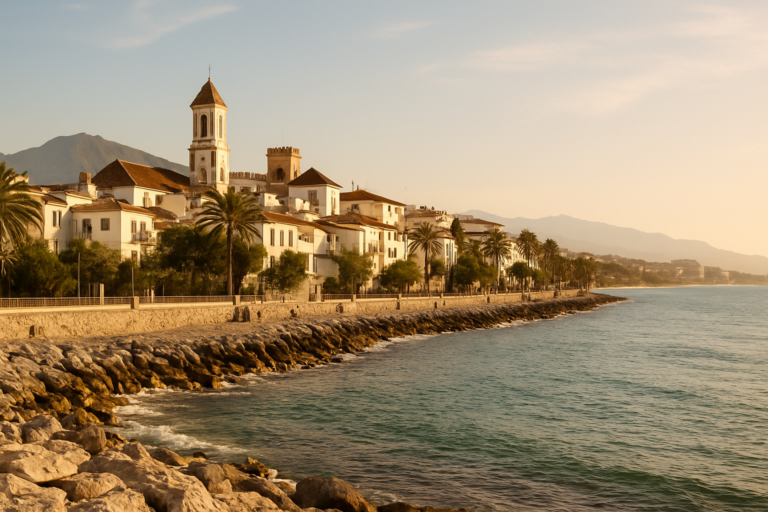
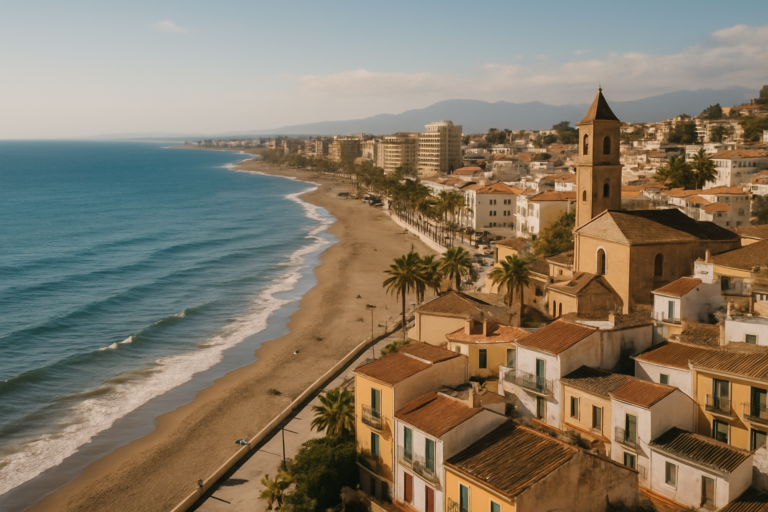
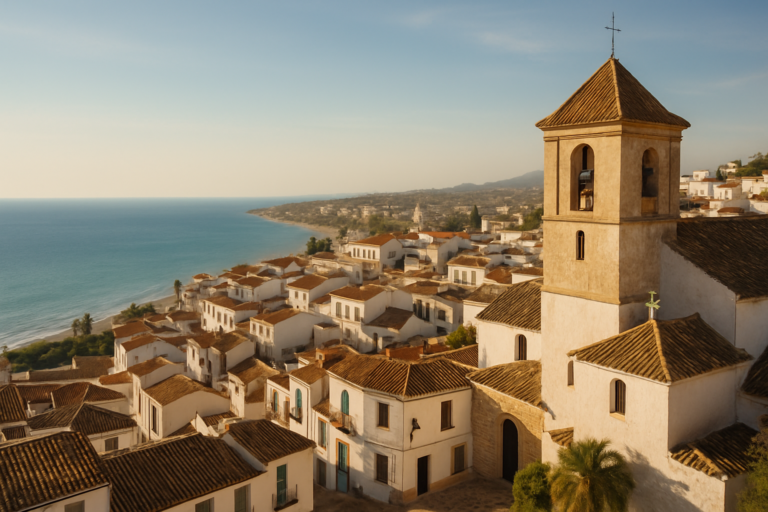
Nearby on the Costa del Sol
Alora on the map
Places worth knowing near Alora
How this page is maintained. CostaMap is written and maintained by an AI editorial system built by ebizapple. Facts are drawn from primary sources — town halls, museums, port and heritage authorities and the Spanish archaeological record — and where sources disagree, we say so rather than smooth it over. Photographs marked as ours are taken on location. This page was last reviewed on 30 July 2026. Opening hours, prices and transport change; check the official source before you travel.