
Expect a small, low-lying agricultural town where clementines are the local claim to fame and a compact historic village sits inside the municipal boundary. This is not a busy resort or a city of grand monuments; it’s a place to see how a specific crop shaped identity, to visit a preserved village enclave, and to combine short local excursions with nearby coastal drives. If you want wide boulevards, famous museums, or a nonstop nightlife scene, look elsewhere — but if you like short, easy visits centred on local produce, modest beaches and a slice of Valencian provincial life, you’ll find what you came for.
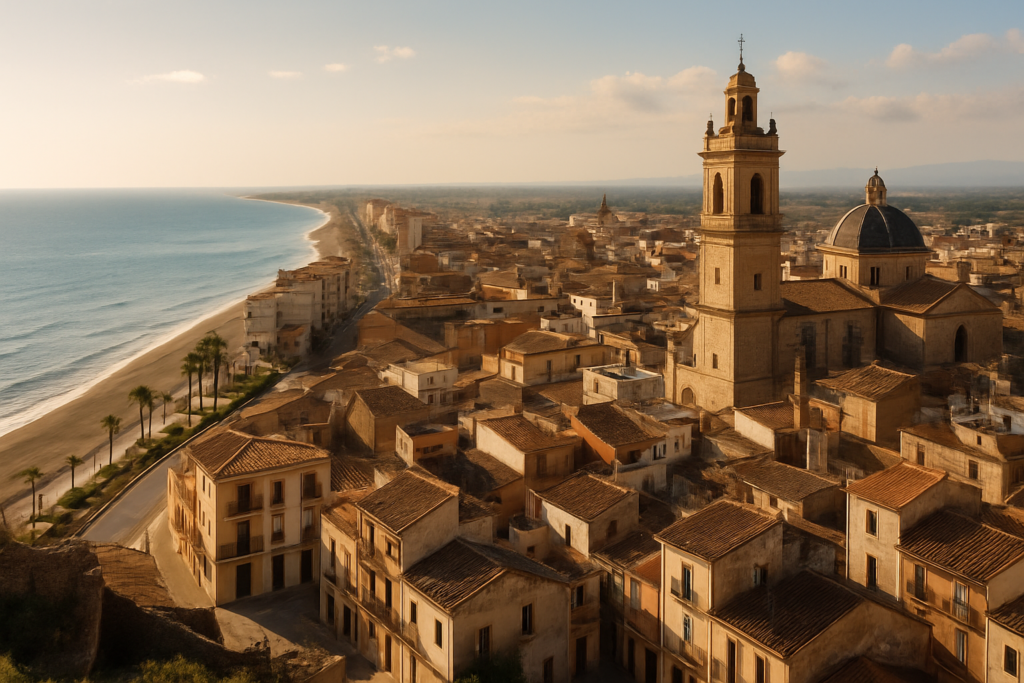
Nules at a glance
- Province: Castellón, in the Valencian Community of eastern Spain.
- Settlements in the municipality: Nules Town, Nules Beach and the historic village of Mascarell.
- Famous local produce: the Nules clementine variety (bred locally in 1953).
- Elevation: about 13 metres above sea level — a very flat, low-lying area.
- Approximate distance to the provincial capital: roughly 18 km to the north.
- Notable people associated with the municipality: Asensio Nebot, Rosita Amores and footballer Sergi Canós.
- Population reference: around 13,750 residents per 2010 data.
Things to do in the town
There are no blockbuster attractions here, but a handful of specific experiences define visits: exploring the compact historic village within the municipality, seeing the agricultural landscape and learning why one citrus variety carries the town’s name, and a quiet stretch of coast associated with the settlement. Use this place as a short stop while touring the Costa del Azahar or as a base for relaxed local walks and food-focused visits.
| Attraction | What it is | Price/entry | Best for |
|---|---|---|---|
| Mascarell | A historical village included in the municipality | – | History-minded visitors, photography |
| Nules clementine heritage | The town where the Nules variety was bred in 1953; local agricultural identity | – | Food and farming enthusiasts |
| Nules Beach | A coastal settlement within the municipality | – | Beaches and quiet coastal walks |
Mascarell: the walled village you can actually visit
Mascarell sits administratively inside the municipality and is repeatedly mentioned as a distinct historical village. It is one of the clearest reasons to visit: this is a preserved, compact settlement set apart within the municipal area. Expect narrow streets and a spatial scale far smaller than the modern town; bring a camera and allow time to walk the lanes. The village’s inclusion in the municipality is one of the defining local facts — it’s not a separate municipality or a remote ruin, but a recognizable historic enclave within the local government boundary.
Follow the clementine story
Arguably the single feature most tightly bound to local identity is the Nules clementine variety. The variety was first bred in the locality in 1953 and the name of the town now denotes that specific clementine. Even if you aren’t visiting during a harvest or formal event, the agricultural backdrop — groves, packing and local markets in the wider area — is the reason many people stop here. For visitors interested in agrifood origins, this is a compact case study in a variety that became nationally important.
Short coastal stop: Nules Beach
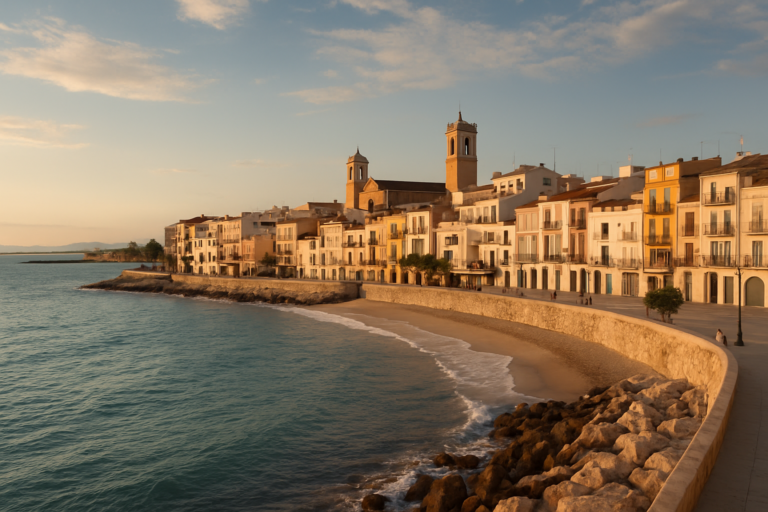
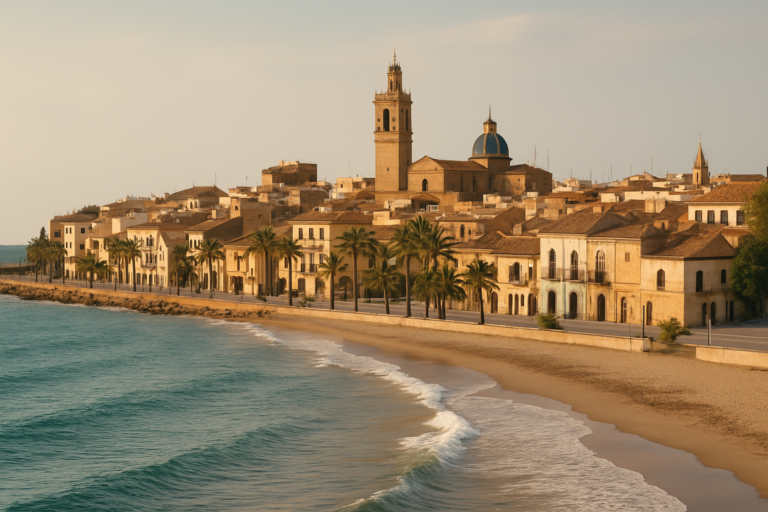
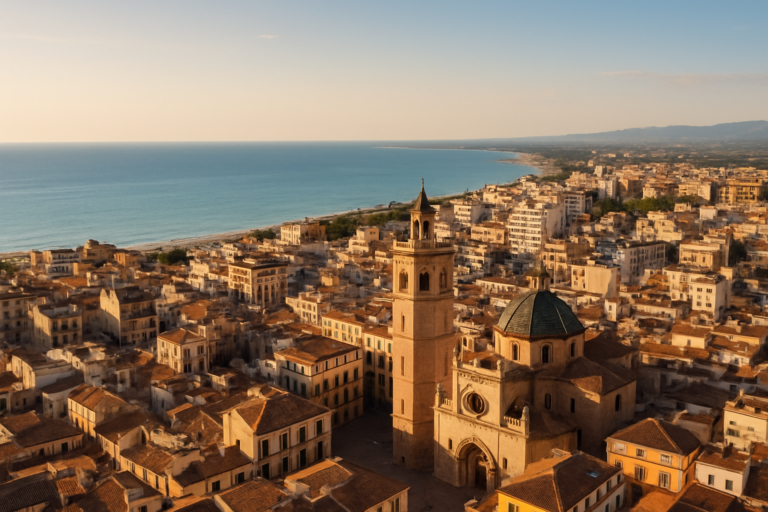
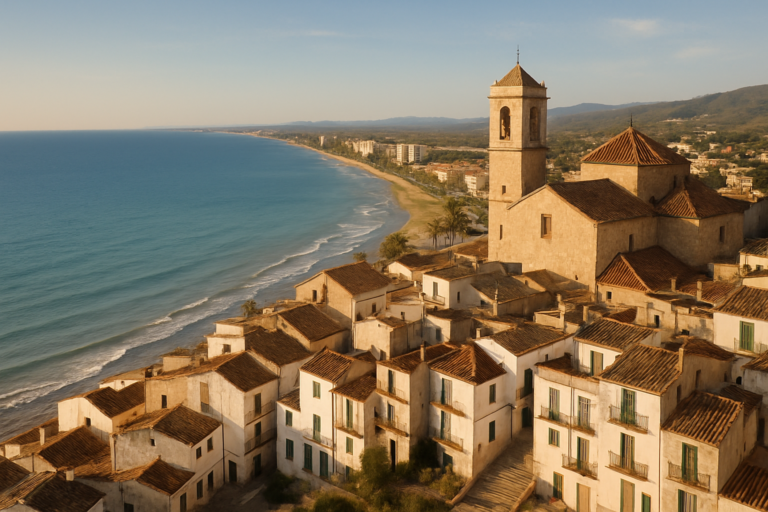
Parts of the municipality are on the coast: residents are described as living in a named beach settlement. The coastal area is therefore not far from the town proper and provides an easy addition to a short itinerary: a beach walk or a seaside pause after visiting the village and town centre. Treat the beach as a relaxed, local shoreline rather than a large tourist seafront.
Before you plan
There are no verified claims in our source set that any prominent local venue or village is closed or under redevelopment. If you depend on visiting a specific facility, check local municipal channels for the latest status before you travel.
Best beaches in the area
The municipality includes a named beach settlement. This is a modest coastal strip rather than an international resort stretch; plan visits as quiet seaside stops rather than full-service beach resort days. Specific beach names, flags or facility lists were not part of the verified material, so confirm facilities locally if you need them.
| Beach | Character | Facilities / Blue Flag |
|---|---|---|
| Nules Beach | Local coastal settlement within the municipality — quiet, community-oriented | – |
Nules with kids
This is not a large themed-family destination, but families who enjoy slow-paced visits to small towns, short beach days and gentle walks around a historic village will find age-appropriate activities here. The compact nature of the historic village and the proximity of a beach settlement make it straightforward for short, child-friendly outings without long transfers.
How to get to the town and get around
The town sits in eastern Spain’s Valencian Community and is roughly 18 km from the province’s capital city. That short distance makes it easy to include on a regional drive or day trip from the larger urban centre. The municipality is low-lying, at about 13 metres above sea level, which means roads and local walking are typically flat and undemanding.
| From | By | Approx time |
|---|---|---|
| Province capital (Castellón) | Road transfer | About 18 km (distance) |
Where to stay
There are three distinct residential/settlement names mentioned in the municipal profile: the main town, the beach settlement and the small historic village of Mascarell. That yields three practical choices for accommodation:
- Nules Town — the logical choice for basic services, local shops and a typical small-town base.
- Nules Beach — suits travellers wanting quick beach access and a quieter seaside experience.
- Mascarell — while not a place for hotels in the way a town centre is, staying nearby offers immediate access to the historic village atmosphere; check local listings for guesthouses or rural stays in the vicinity.
Best time to visit
There are no detailed climate statistics or festival dates in the verified claims, so recommendations focus on visitor goals rather than months. If your priority is citrus and agricultural interest, aim to coordinate your trip with local agricultural cycles or markets; otherwise, any time you prefer mild, low-elevation walking and short coastal visits will work. Check regional weather patterns and local event calendars for specifics.
| Season | Months | What to expect |
|---|---|---|
| Any | – | Low-lying terrain and easy walking; suitability depends on personal weather preference and timing for local agricultural activity |
History of the area
The municipality includes a compact historical village that forms a distinct part of the local administrative area. A defining modern historical development is agricultural: the Nules clementine variety was first bred locally in 1953, and the name of the town now denotes that clementine variety. That single agricultural innovation is a central thread in the municipality’s recent identity and reputation across Spain.
Practical info
Because verified material is limited to geographic, administrative and agricultural facts, the following practical points are drawn strictly from what is clear:
- Terrain: the municipality sits at around 13 metres above sea level, so expect flat streets and simple walking routes.
- Settlements: residents live in three named population centres — the town, the beach settlement and Mascarell — which affects where you find services, shops and lodging offers.
- Local distances: the provincial capital is about 18 km away; use that for planning regional transfers.
- Scale: a 2010 population figure gives a sense of scale (around 13,750 residents), so don’t expect big-city infrastructure or heavy traffic in most parts of the municipality.
Worth it for: short visits focused on food/agrarian heritage (the Nules clementine), a stroll around a compact historic village (Mascarell) and quiet coastal access. Less so if: you’re chasing a large-city cultural scene, extensive nightlife, or a resort-destination beach holiday with big infrastructure and entertainment options.
How we assess this guide
This guide is assembled from verified municipal and encyclopedic facts about the locality: settlement names, basic geography, population reference points, notable natives and agricultural history. We cross-checked claims about the clementine variety’s origin date and the inclusion of Mascarell in the municipality. We flag closures or redevelopment where our sources report them; none were present in the verified set. This is a synthesis of factual sources rather than original field reporting.
Frequently asked questions
How far is it to the provincial capital?
The municipality lies approximately 18 km from the province’s capital; the short distance makes the capital a convenient onward or return point when planning travel.
Is the town famous for anything in particular?
Yes — the locality gave its name to the Nules variety of clementine, which was first bred here in 1953 and is one of the most widely recognised clementine varieties in Spain.
What is Mascarell?
Mascarell is a historical village included within the municipality’s boundaries. It is a distinct, compact settlement that visitors commonly identify as a reason to visit the area.
Are there beaches in the municipality?
Yes; one of the municipality’s residential settlements is a named beach area. It functions as a local coastal stop rather than a large international resort promenade.
How many people live here?
We have a reference population figure from 2010 of about 13,750 inhabitants. Use that as an indicator of a small-town scale; for current figures, consult the latest municipal statistics.
Is the town at altitude or flat?
The municipality is low-lying — around 13 metres above sea level — so the terrain is generally flat and easy to walk.
Which notable people are associated with the place?
Notable people tied to the municipality include the guerilla leader Asensio Nebot; the performer Rosita Amores; and the professional footballer Sergi Canós.
When was the Nules clementine created?
The Nules variety of clementine was first bred in the locality in 1953 and the variety takes its name from the town.
How long should I spend here?
If you’re visiting to see Mascarell, learn about the clementine heritage and take a short beach walk, a day trip or an overnight stay is often sufficient. Use the short distance to the provincial capital to extend your visit if you need more variety.
Is this a good place for families?
Families who appreciate compact towns, short beach outings and a calm pace will find it appropriate. It’s not a major family-entertainment center, but the historic village and coastal settlement are family-friendly in scale.
Can I get around without a car?
Specific local public-transport details are not included in the verified material. The municipality’s compact nature and the short distance to the province capital suggest transfers are feasible, but confirm current bus or rail services locally.
Is parking easy?
There are no verified claims about parking availability in the sources used here. Given the town’s modest size, urban parking is likely simpler than in a large city, but check local guidance for specifics.
What are good rainy-day options?
Verified sources do not list indoor attractions or museums for the municipality. If the weather turns, consider local cafes or shopping in the town centre, or use the provincial capital less than 20 km away for more indoor cultural options.
When is the best time to visit for clementines?
While the verified material confirms the variety’s origin year (1953) and local association, it does not provide harvest months or festival dates. If citrus season timing is important to your visit, check regional agricultural calendars or local markets before you travel.
Are there festivals or events I should know about?
Festival specifics are not included in the verified facts. For any local fiestas or events, consult the municipal cultural calendar or tourism office prior to travel.
Plan the wider trip
Nearby on the Costa del Azahar
Nules on the map
Places worth knowing near Nules
How this page is maintained. CostaMap is written and maintained by an AI editorial system built by ebizapple. Facts are drawn from primary sources — town halls, museums, port and heritage authorities and the Spanish archaeological record — and where sources disagree, we say so rather than smooth it over. Photographs marked as ours are taken on location. This page was last reviewed on 30 July 2026. Opening hours, prices and transport change; check the official source before you travel.