
A compact, historically layered harbour town on Menorca’s eastern shore, this place rewards a slow pace: short walks, seaside meals, British-era forts and a handful of neat viewpoints. It isn’t a stretched-out resort with endless beaches or a crowded nightlife hub—expect a calm harbourfront rhythm, seasonal bursts of local civic pageantry, and most attractions reachable on foot from a single centre.
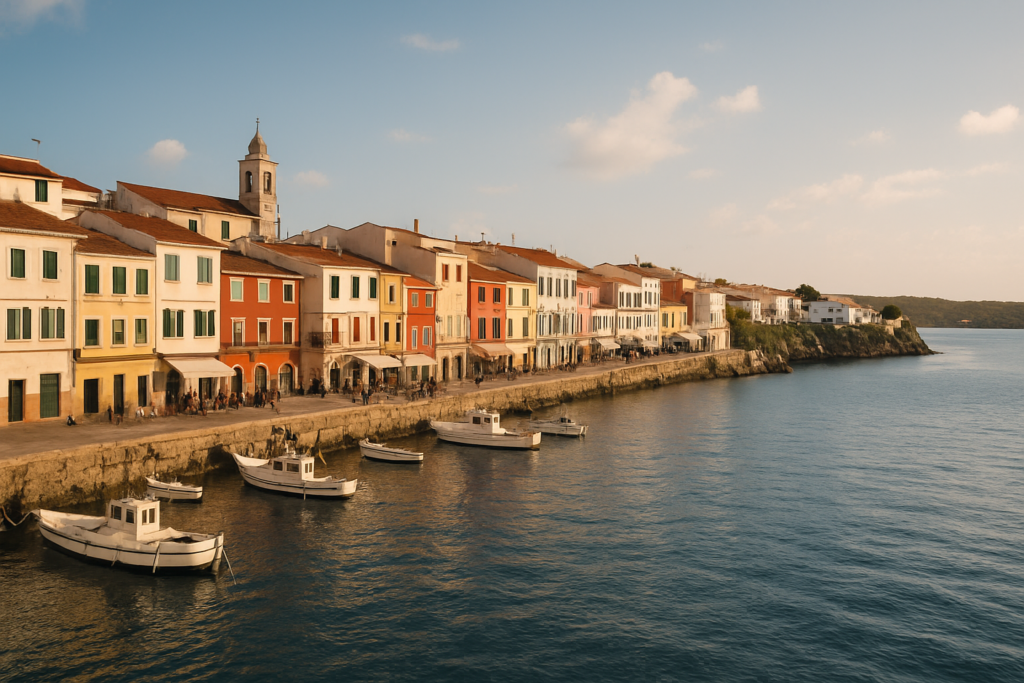
Es Castell at a glance
- Sits on the southern side of the Port of Maó, one of the largest natural harbours in the Mediterranean.
- Founded in 1771 by British Colonel Patrick Mackellar; originally called Georgetown.
- Fort Marlborough: an 18th‑century British fortification that is open to visitors.
- Cales Fonts: a former fishing harbour lined with restaurants built into old boat caves.
- Foundation Day on 1 June features 18th‑century themed festivities organised with the St. Philip’s Castle Foundation.
- Small town scale—most sights are a short walk apart; good for a relaxed half‑day to full‑day visit.
Things to do in the town
There are no long lists of attractions to race through here. The best plan is to pick a handful of sites—historic forts, a couple of coves and the harbourfront—and linger: eat slowly, sit at viewpoints, and let the maritime setting set the pace. Below is a quick comparison of the main draws to help prioritise.
| Attraction | What it is | Price/entry | Best for |
|---|---|---|---|
| Fort Marlborough | 18th‑century British fortification | Open to visitors | History buffs, families |
| Cales Fonts | Picturesque former fishing harbour with restaurants in boat caves | – | Dining, photography |
| Cala Corb | Small cove and viewpoint over the harbour | – | View seekers, short swims |
| Son Granot (Col. Patrick Mackellar’s house) | Former residence of the town’s founder | – | Architectural interest, local history |
| Foundation Day festivities | 1 June civic celebration with 18th‑century theme | – | Cultural visitors, families |
Fort Marlborough
This British‑era fortification is the most substantial single military remnant in the area. Built in the 18th century when the British administered parts of the island, it survives as a legible example of period defensive architecture and is open to visitors. Visits are a clear way to learn about the town’s British foundations without needing specialist knowledge; displays and the structure itself tell much of the story.
Cales Fonts — lunch by the old boat caves
What used to be a working rowing‑boat harbour now reads as a tidy band of restaurants and cafés set into old boat caves. It’s a pleasant lunch or aperitif spot: food leans local and seafood‑oriented, and the setting is photogenic in a weather‑permitting way. Expect short walking distances from the main streets to find quieter tables and better views.
Cala Corb and harbour viewpoints
A small cove and viewpoint popular for harbour panoramas, this short stop is worth a half‑hour if you’re passing. It’s most valuable for perspective—the sweep of the natural harbour is what makes the area distinctive—so time your visit for decent light if photography is important.
Son Granot and the Mackellar story
The founder’s house, today known as Son Granot, is tied to the town’s origin story. Col. Patrick Mackellar, the chief engineer of Menorca, founded the settlement in 1771 and left architectural traces around the town. The building and the wider narrative give a human face to the era when the island changed hands and when this small settlement gained a deliberately British identity.
Best beaches in the area
There aren’t long sandy strands directly inside the town; instead expect small coves and easy access to neighbouring beaches a short drive or boat ride away. If you want an immediate waterside spot, focus on the small coves and harbour edges for quick dips and views rather than long beach days.
| Beach / Cove | Character | Facilities / Blue Flag |
|---|---|---|
| Cala Corb | Small cove with a viewpoint over the harbour | – |
Es Castell with kids
Families will find the scale and content manageable: short walks, a fort to explore, and an easy pace. The fort is suitable for children who enjoy climbing and exploring defensive works; Cales Fonts offers relaxed dining with water views where parents can keep an eye on young ones. Foundation Day (1 June) is especially family‑friendly because of the 18th‑century themed activities—but check event details locally before planning travel around it.
How to get to the resort and get around
The settlement occupies the southern shore of a very large natural harbour, which makes it closely linked to the port town across the water. Most visitors approach from the nearby main town on the harbour or by road across the short distances that separate the small eastern settlements. Once in the town, walking is the primary way to move between sights; the compact layout keeps transfers short and simple.
Where to stay in the town
Accommodation options are concentrated along the harbourfront and in the adjacent residential streets. Choose a harbourfront room for seafood restaurants and views on the doorstep; select a quieter lane a block inland for lower noise in the evenings. Because the locality is small, any central base makes it easy to reach the main sights on foot.
Best time to visit
Visit when you want a calm harbour atmosphere rather than peak party season energy. The civic calendar’s single most specific recurring event is the Foundation Day on 1 June, which provides a lively cultural highlight if you enjoy heritage celebrations. Outside festival times, the town runs a steady, relaxed rhythm with most restaurants and attractions operating seasonally, so shoulder seasons give fewer crowds with still‑good services.
| Season | Months | What to expect |
|---|---|---|
| Late spring | May–June | Foundation Day (1 June) and milder conditions; lively but not overcrowded |
| Summer | July–August | Full season services and harbourfront dining; busiest time for visitors |
| Autumn | September–October | Quieter than summer; many businesses still open into early autumn |
History of the area
The town’s identity is directly bound to 18th‑century British activity on the island. Founded in 1771 by Colonel Patrick Mackellar—chief engineer of Menorca—the settlement was originally called Georgetown in honour of King George III. The present name derives from a nearby large fort known as St. Philip’s Castle. This layered past explains the visible British military architecture and the town’s civic traditions, including an annual Foundation Day that commemorates its origins and retains an 18th‑century theme through organised festivities involving the St. Philip’s Castle Foundation.
Practical info
Parking and road access: because the locality is compact and roads near the harbour can be narrow, expect limited on‑street parking in the busiest strips; walking short distances from peripheral parking is normal. Costs and pricing: restaurants and attractions operate on typical island‑season pricing structures—menus at the harbourfront focus on seafood and local dishes. Accessibility: the area’s historic streets and viewpoints include uneven surfaces and steps in places; those with limited mobility should plan shorter routes and check accessibility at specific venues. Connectivity: the town’s close relationship with the main harbour town means services and links are nearby; check local timetables for public transport or boat services where relevant.
Worth it for: short, history‑tinged harbour walks; seaside meals; visitors who prefer calm, local‑scale places rather than big beaches or nightlife. Less so if: you want long sandy beaches immediately outside your door, busy resort amenities, or a large‑scale entertainment scene.
How we assess this guide
This guide was compiled by cross‑checking multiple reliable sources on local history, landmarks and civic events. We flag festival dates and the status of key attractions that are documented as open. We do not claim original field reporting here; instead, we present consolidated, verifiable facts so you can plan without surprises. If you need the most current opening hours or event details, contact the venue or local tourist office directly before travel.
Frequently asked questions
How close is the town to Maó’s harbour?
The settlement is located on the southern side of the Port of Maó, one of the Mediterranean’s largest natural harbours, placing it within easy proximity of the main harbour area and its services.
Is Fort Marlborough open to visitors?
Yes; Fort Marlborough is an 18th‑century British‑built fortification that is open to visitors, making it the principal historic attraction for those interested in military architecture.
When is Foundation Day and what happens?
Foundation Day takes place on 1 June. The event features 18th‑century themed festivities organised with participation from the St. Philip’s Castle Foundation, making it the town’s key annual civic celebration.
What is Cales Fonts like for dining?
Cales Fonts is a picturesque former fishing harbour lined with restaurants built into old boat caves. It’s a primary spot for harbourfront dining and a good place to sample local seafood and relaxed meals.
Which cove is best for views over the harbour?
Cala Corb is a small cove and viewpoint in the area that is popular specifically for its outlook over the harbour—best for short visits to admire the panorama rather than long beach stays.
Was the town founded by the British?
Yes. The settlement was founded in 1771 by Colonel Patrick Mackellar, the British chief engineer of Menorca, and was originally called Georgetown in honour of King George III. The modern name derives from the nearby St. Philip’s Castle.
Is there anything left of Col. Patrick Mackellar’s house?
The house associated with Col. Patrick Mackellar is known today as Son Granot, connecting the founding figure directly to a surviving local property.
How many days should I plan to visit?
A half‑day to a full day is sufficient to see the main points—the fort, the harbourfront restaurants at Cales Fonts, and the small viewpoints—unless you are using the town as a base to explore wider Menorca, in which case plan more days for beaches and inland sites.
Is the town family friendly?
Yes. The compact scale, the open fort to explore and the Harbour’s calm edges make it suitable for families. Foundation Day offers an especially family‑oriented set of activities on 1 June.
Can I get around without a car?
Within the town, walking is the primary mode of getting about—the centre is compact and most sights are within easy walking distance. For wider island travel, check local transport options outside the town itself.
Is parking difficult?
On‑street parking near the busiest harbourfront strips can be limited; visitors commonly park a short walk away and explore on foot.
What are good rainy‑day options?
Indoor historic sites and harbourfront restaurants provide shelter on wet days. The fort’s indoor spaces and museum displays (where available) give an alternative to outdoor walking.
When is the best time to visit for good weather and fewer crowds?
Late spring and early autumn balance milder conditions and fewer crowds, with Foundation Day (1 June) offering a cultural highlight if you prefer visiting during a festival atmosphere.
Are there guided tours of the fort or town?
Fort Marlborough is open to visitors; local guided tours are often available through cultural organisations or tourist services—check on arrival or with the local tourist office for current offerings.
Is the harbour area suitable for photography?
Yes. The harbour’s scale, the boat caves at Cales Fonts and the viewpoints at small coves provide several photogenic compositions—early morning or late afternoon light is typically most flattering.
Plan the wider trip
- Illes Balears – komplett reiseguide
- Ciutadella de Menorca
- Palma de Mallorca
- Calvià
- Felanitx
- Santanyí
Es Castell on the map
How this page is maintained. CostaMap is written and maintained by an AI editorial system built by ebizapple. Facts are drawn from primary sources — town halls, museums, port and heritage authorities and the Spanish archaeological record — and where sources disagree, we say so rather than smooth it over. Photographs marked as ours are taken on location. This page was last reviewed on 13 August 2026. Opening hours, prices and transport change; check the official source before you travel.