
Expect a small, low-key corner of Menorca where French planners left a clear imprint, beaches and coves still dominate the coastline, and local life is calmer than the island’s busiest resorts. This is a place for easy mornings watching the earliest Spanish sunrise, short walks to windmills and whitewashed churches, and for staying close to sand rather than chasing nightlife. If you need big-city services, nightlife or a dense museum circuit, temper expectations; if you want a compact, sun-oriented base with character and straightforward beaches, you’ll likely be pleased.
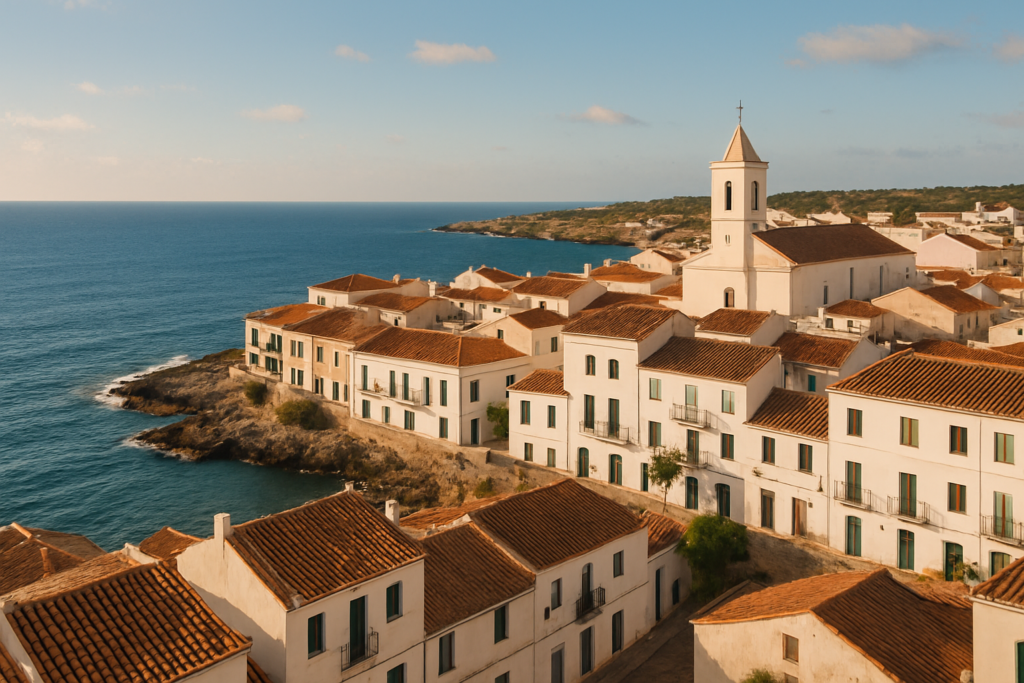
Sant Lluís at a glance
- Location: southeast tip of Menorca (Balearic Islands).
- Founded by the French in 1761; the town’s grid street plan reflects that origin.
- Local languages: most residents speak both Spanish and Catalan.
- Coastline: a mix of cliffs, coves and fine-sand beaches; major resorts include Punta Prima and Binebeca.
- Cultural highlights: a large Neoclassical whitewashed church built by French colonists; traditional windmill museum.
- Events: the Feast of St. Luis takes place at the end of August.
- Leisure: trotting races at the Hippodrome beside the Aeroclub.
Before you plan
There are no verified closures or major redevelopment notices among the core attractions listed here. The restored windmill operates as a museum open to the public; if you are planning around a specific date for the Feast of St. Luis or trotting races, check local notices because event schedules can change from year to year.
Things to do in Sant Lluís
The draw here is straightforward: beaches and coastal scenery, a handful of heritage sites that tell the story of 18th‑century French influence, and low-key local events. Most visits mix short walks, a morning or two at the sand, a museum stop and possibly an evening at the hippodrome for trotting races.
| Attraction | What it is | Price/entry | Best for |
|---|---|---|---|
| Es Moli de Dalt | Restored traditional windmill, now a museum | – | History and traditional agriculture |
| Neoclassical church of St. Louis | Large whitewashed church built by French colonists | – | Architecture and culture |
| Hippodrome | Trotting races beside the Aeroclub | – | Sporting events and local atmosphere |
| Prehistoric monuments | Several small prehistoric sites scattered in the municipality | – | Archaeology enthusiasts |
| Coastal coves (Binissafúller, Biniancolla, Binibeca) | Small, scenic coves and cliffs with fine sand | – | Beachgoers seeking variety |
Es Moli de Dalt: windmill museum
A fully restored traditional windmill is now interpreted as a small museum that explains rural life and milling technology. It’s one of the clearest single sites showing traditional Menorcan vernacular industries within the municipality.
The town centre and the church
The town’s grid layout is unusual on Menorca and comes directly from its French founding in the 18th century. The focal point is the large whitewashed Neoclassical church named for Louis IX — a distinctive building that reflects the town’s origin and was laid out by the colonists who established the settlement in 1761.
Trotting at the Hippodrome
Watching trotting races provides a different kind of local scene than beaches or museums. The Hippodrome sits adjacent to the Aeroclub, and trotting is a popular pastime in the municipality; check local listings for race days if you want to attend an evening event that brings a local crowd together.
Best beaches in Sant Lluís
The coastline here is varied: there are stretches of golden sand around the main resort areas and a chain of smaller coves that reward exploration. For short visits, focus on a main beach for sun-and-swim and a cove or two for quieter scenery.
| Beach | Character | Facilities / Blue Flag |
|---|---|---|
| Punta Prima | Major tourist resort beach with golden sand | – |
| Binebeca | South-coast resort area with accessible sandy shore | – |
| Binissafúller | Small cove with fine sand and scenic cliffs | – |
| Biniancolla | Quiet cove good for a peaceful stop | – |
| Binibeca | Picturesque cove known for its coastal charm | – |
Sant Lluís with kids
Family days here typically revolve around beach time and short, shallow walks to nearby coves. The main resorts provide straightforward sandy shores that suit children; a visit to the restored windmill adds a compact cultural stop that works well with younger attention spans. Trotting races can be a lively family evening if your children enjoy animals and spectacle — again, check schedules before planning around a race.
How to get to the town and get around
The municipality sits on Menorca’s southeast tip, which means it’s the island’s first land to greet the sun each morning. Getting around locally is simple: the region is generally flat, so short drives or bike rides between beaches, the town and nearby coves are straightforward. If you plan to explore multiple coves or attend events like trotting races, allow time for local circulation rather than assuming everything is within a short walk.
Where to stay in the area
- The town centre — best for a compact base with easy access to the church, local shops and the windmill museum.
- Punta Prima — suits travellers who prefer a classic sun-and-sand resort atmosphere on the south coast.
- Binebeca / Binibeca area — works well for those seeking resort facilities with quick access to scenic coves.
Best time to visit
Expect a Mediterranean climate: cool winters and hot summers. The high season brings the warmest weather and the liveliest atmosphere, while shoulder seasons offer quieter beaches and more temperate conditions. If you want to experience local festival culture, plan around the Feast of St. Luis at the end of August, when the town’s calendar includes traditional celebrations.
| Season | Months | What to expect |
|---|---|---|
| Summer | – | Hot weather and peak beach activity |
| Autumn shoulder | – | Quieter beaches and milder temperatures; end of August features the Feast of St. Luis |
| Winter | – | Cooler, quiet, suitable for low-season walking and a calm visit |
History of Sant Lluís
The town was founded by the French in 1761 during their occupation of Menorca. The French planners imposed a grid street plan, a rarity on the island and still visible today. Their influence also shows in the large, whitewashed Neoclassical church dedicated to Louis IX — a central landmark that embodies the town’s colonial-era origin. Scattered prehistoric monuments attest to earlier human presence in the municipality, though they are fewer than in some other parts of Menorca.
Practical info
- Languages: Most locals can speak both Spanish and Catalan; you can expect bilingual signage and conversation.
- Terrain: The municipal landscape is mostly flat, while the coastline alternates between rugged cliffs and sandy beaches; this makes short coastal walks accessible without major climbs.
- Sunrise: Being on the island’s most easterly stretch, the area greets the first sunrise in Spain — a notable local claim and an attractive draw for early-morning photographers and walkers.
- Museums & heritage: The restored windmill is open to the public as a small museum; if planning to visit, check opening arrangements locally.
- Events: Trotting races at the Hippodrome are a distinct local leisure activity; the track is positioned next to the Aeroclub.
Worth it for: travellers seeking a relaxed, coastal Menorcan experience with straightforward beaches, local festivals and a touch of French-influenced architecture. Less so if: you want a dense urban cultural scene, late‑night entertainment or a long list of large-scale museums.
How we assess this guide
This guide compiles verified facts about the municipality’s geography, history and attractions from multiple authoritative sources. We cross-checked place origins, the windmill museum status, the grid layout and recurring events such as trotting races and the Feast of St. Luis. We flag notable statuses such as museum openings where confirmed, and we avoid listing venues as open if closure or change can’t be verified. This is a synthesis of verified secondary sources rather than first‑hand field reporting; always check local notices for event dates and seasonal changes.
Frequently asked questions
How do I get to the town from Menorca’s main transport hubs?
The municipality sits on Menorca’s southeast tip; travel from other parts of the island typically involves heading toward the southeast coast. Exact public transport connections and timings vary over the year, so consult current timetables when planning.
Is Sant Lluís expensive to visit?
There are no verified cost figures in the source set; visitors should expect standard island pricing patterns with resort areas offering tourist-oriented facilities and the town itself presenting more modest local options.
Which beach is best for families with children?
The popular south-coast resort beaches around Punta Prima and Binebeca are the most suitable for family beach days because they are the main sandy stretches in the municipality.
How many days do I need to see the area?
A short visit of two to three days covers the main town sights, a museum stop, a beach day and possibly attendance at a trotting race if it coincides with your stay. Extend your trip if you wish to explore numerous coves or island-wide itineraries.
Is the area good for children?
Yes — beaches and calm coastal areas are family-friendly, and the windmill museum is a compact cultural stop suitable for younger visitors. Trotting races can also be entertaining for kids who enjoy animals and spectacle.
Can I get around without a car?
The municipality is compact and flat, which makes short local trips manageable on foot or by bike. To reach a wider range of coves and resort beaches, many visitors opt for short drives; public transport options vary seasonally.
Is parking a problem in the town or at the beaches?
There are no specific, verified claims about parking availability or restrictions in the source material. If you plan to travel by car, allow extra time for arrivals at the most popular beaches during peak season.
What are good rainy-day options?
The verified cultural stops include the restored windmill museum and the large Neoclassical church in the town centre; these make sensible indoor or short-weather options when the sea is less inviting.
When is the Feast of St. Luis?
The municipality celebrates the Feast of St. Luis at the end of August. If you want to experience local festivities, plan your visit around that period and confirm dates with local organisers.
Are there prehistoric sites to visit?
Yes — the area contains several small prehistoric monuments, although they are not as numerous as in some other Menorcan municipalities. They offer a window into the island’s ancient past for archaeology-minded visitors.
What language will people speak?
Most residents speak both Spanish and Catalan, so you can expect bilingual conversation and signage in many places.
Is trotting racing a regular activity?
Trotting races are a popular local pastime, staged at the Hippodrome adjacent to the Aeroclub. Check local schedules to attend a race night.
Does the municipality have a distinctive architectural character?
Yes — the town’s grid layout and the Neoclassical whitewashed church are direct legacies of the French founding in 1761 and give the centre a distinctive, orderly character compared with many other Menorcan towns.
Why is this place notable for sunrise?
Because it occupies Menorca’s most easterly point, the area is the first part of Spain to greet the sunrise, which appeals to early risers and photographers.
Plan the wider trip
- Illes Balears – komplett reiseguide
- Ciutadella de Menorca
- Palma de Mallorca
- Calvià
- Felanitx
- Santanyí
Sant Lluis on the map
How this page is maintained. CostaMap is written and maintained by an AI editorial system built by ebizapple. Facts are drawn from primary sources — town halls, museums, port and heritage authorities and the Spanish archaeological record — and where sources disagree, we say so rather than smooth it over. Photographs marked as ours are taken on location. This page was last reviewed on 13 August 2026. Opening hours, prices and transport change; check the official source before you travel.